

Men face unique mental health challenges that often go unrecognized and untreated. While mental health issues affect people of all genders, men experience distinct barriers to seeking help and may express psychological distress differently than women. Understanding these differences is crucial for providing effective support and treatment.
Research shows that men are significantly less likely to seek mental health treatment despite experiencing serious psychological challenges. This gap between need and help-seeking behavior has profound implications for men's well-being, their families, and society as a whole.
Table of Contents
- Men's Mental Health Statistics
- Male Suicide
- Men and Substance Abuse
- Paternal Postpartum Depression
- Understanding Masculinity and Mental Health
- Barriers to Treatment
- Effective Treatment Approaches
- Frequently Asked Questions
- How Therapy Can Help
Men's Mental Health Statistics
Recent data reveals concerning trends in men's mental health across the United States. In 2024, approximately 23.4% of U.S. adults experienced mental illness, affecting 61.5 million people. However, men face unique challenges in accessing treatment for these conditions.
Nearly 1 in 10 men experience depression or anxiety, yet a 2022 survey by the National Institute of Mental Health revealed that just 42% of male-identifying respondents were treated for any mental health issue compared to 57% of female-identifying respondents. This treatment gap persists despite the severity of mental health challenges men face.
Key Mental Health Statistics for Men:
- In 2023, among U.S. men aged 18 and older, only 45.9% with a mental illness received treatment in the past year
- In 2024, around 17% of men in the United States received mental health treatment or counseling in the past year
- In 2023, just 17% of American men saw a mental health professional, while 28.5% of women did
- In 2023, it was estimated that 19% of men in the United States had some form of mental illness in the past year
The disparity in treatment-seeking behavior is particularly concerning given that the answer lies partly in men's reluctance to seek help – a pattern shaped by cultural norms. Men from diverse backgrounds face additional challenges, with 17.6% of U.S. Veterans experiencing a mental illness in 2023.
Male Suicide
One of the most alarming aspects of men's mental health is the disproportionately high rate of suicide among males. The suicide rate among males in 2023 was approximately four times higher than the rate among females. Males make up 50% of the population but nearly 80% of suicides.
Current Suicide Statistics:
- Over 49,000 people died by suicide in 2023
- Among males, the suicide rate was highest for those aged 75 and older (40.7 per 100,000)
- For males, the suicide rate rose from 18.1 per 100,000 in 2003 to 22.8 in 2018. Since then, it has remained relatively stable, from 23.0 in 2022 to 22.7 in 2023
- In 2023, firearms were the most common method used in suicide deaths in the United States, accounting for over half of all suicide deaths (27,300)
Racial and ethnic disparities exist within male suicide rates. The rates of suicide were highest for American Indian/Alaskan Native, non-Hispanic males (35.3 per 100,000), followed by White, non-Hispanic males (28.0 per 100,000).
Risk Factors for Male Suicide:
Research has identified several factors contributing to high suicide rates among men:
- Economic factors: Unemployment and financial stress increase feelings of purposelessness
- Relationship difficulties: Men often rely heavily on partners for emotional support
- Social isolation: Leading to untreated depression
- Masculine gender roles: Feelings of failure to protect or provide for family
- Limited emotional expression: Difficulty recognizing and communicating distress
Men and Substance Abuse
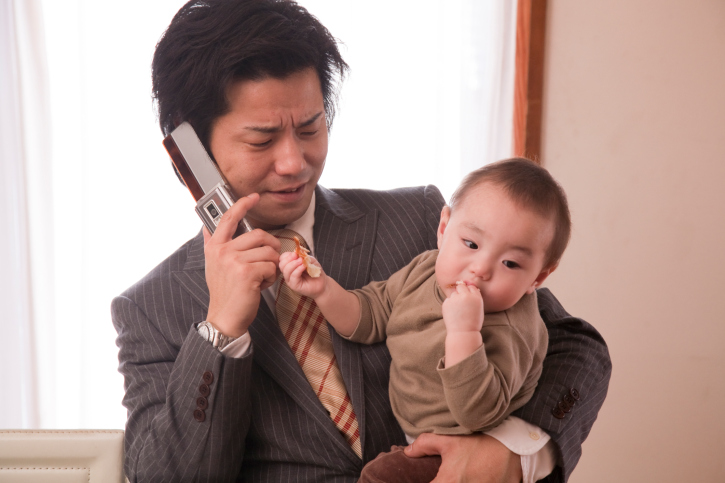
Men face significantly higher rates of substance abuse compared to women, often using substances as a maladaptive coping mechanism for underlying mental health issues. Men are diagnosed with major depression at a much lower rate than women but are diagnosed with substance use disorders and commit suicide at a significantly higher rate. Specifically, in 2020 the suicide rate among males was 4 times higher (22.0 per 100,000) than among females (5.5 per 100,000). Similarly, men are more likely than women to use almost all types of illicit drugs, which results in more emergency department visits or overdose deaths for men.
Substance Use Patterns:
Recent research reveals concerning patterns in male substance use:
- Men are nearly twice as likely as women to have substance dependence from age 18 onwards
- Men make up nearly 80% of all U.S. suicides. The male suicide rate (≈ 23.0 per 100,000 in 2022) is about 4 × the female rate (5.9)
- Men who are addicted to marijuana show more antisocial behaviors and often have co-occurring substance use disorders
- Men frequently receive substance abuse treatment through the criminal justice system rather than mental health providers
Treatment Effectiveness:
Recent systematic reviews have examined treatment outcomes for substance use disorders. A systematic review conducted in PubMed and PsycINFO between January 2000 and October 2023 identified three areas that can be used to define metrics and criteria associated with treatment outcome: 'substance use' (abstinence and relapses), 'treatment process' (readmission, dropout, retention, and adherence) and 'general wellbeing' (quality of life). Operational definitions and metrics and criteria used were overall inconsistent.
Digital interventions show promise for treatment accessibility. A review identified 34 RCTs (6461 participants) evaluating 42 remote interventions, with diverse therapeutic approaches. When remote interventions supplemented in-person care, there was a 39% lower odds of relapse.
Paternal Postpartum Depression
Paternal postpartum depression (PPD) is an increasingly recognized but still understudied mental health condition affecting new fathers. The prevalence of paternal depression in Western countries is estimated to range from 24–25%, particularly among first-time fathers, peaking within the first 6 months postpartum due to fatigue and stress from caregiving. Furthermore, paternal depression is closely linked to maternal depression, with studies indicating that 8.4–10% of fathers experience depression during pregnancy, and 6.6–13.6% postpartum.
Prevalence and Risk Factors:
Recent studies provide updated prevalence data:
- In a 2023 study of 270 fathers, 30% were found to be depressed
- Worldwide, one out of every ten fathers experience paternal PPD. A meta-analysis conducted over 29 years involving over 28,004 participants found prenatal depression and paternal PPD were relatively higher between the first 3–6 months postpartum period but might progress over a year
- A meta-analysis of Chinese fathers found the prevalence of antenatal depression was 11% and postpartum depression was 16%
- In a relatively disadvantaged U.S. population-based birth cohort, about 9% of the fathers had depressive symptoms in the postpartum year
Impact on Families:
Paternal PPD has significant consequences for the entire family:
- The high comorbidity between paternal and maternal PPD can lead to emotional and behavioral issues in children and increased marital conflict
- Paternal PPD is associated with adverse emotional and behavioral outcomes in children aged 3 to 5, with an increased risk of conduct problems in boys
- Paternal depression was associated with 17–18% higher scores for children's externalizing behaviors, including aggressive and delinquent behaviors, at age 5, even when controlling for child, paternal, and family characteristics, as well as maternal depression during the postpartum year
Biological Factors:
Hormonal changes in fathers, including variations in testosterone and cortisol levels, may contribute to the risk of developing PPD. Lower testosterone in fathers is linked to more sensitive parenting. While findings suggest that both particularly low and particularly high testosterone are associated with increased depressive symptoms, the literature on the relationship between testosterone and paternal peripartum depression is limited.
Understanding Masculinity and Mental Health
The concept of masculinity significantly influences how men experience and express mental health challenges. Traditional masculine norms often conflict with help-seeking behaviors and emotional expression, creating barriers to mental health treatment.
Toxic Masculinity
Toxic masculinity refers to a cultural framework and set of expectations that promote harmful behaviors and attitudes associated with traditional masculinity. It involves destructive behaviors such as a lack of empathy, emotional intelligence, aggression, domination, and control.
Toxic masculinity impacts mental health in several ways:
- Toxic masculinity, and associated variables such as aggression and dominance, were strongly linked to restrictive emotionality. Restrictive emotionality, but not toxic masculinity, predicted men's avoidance in seeking help for emotional problems and having suicidal thoughts
- Toxic masculinity refers to societal norms and expectations that pressure men to act in ways that are emotionally repressive, aggressive, and hyper-competitive. It glorifies traits like dominance, control, and emotional detachment while devaluing vulnerability, empathy, and collaboration
Healthy Masculinity
Healthy masculinity involves the acceptance that men can exhibit vulnerability, emotional expression, articulate their feelings without feeling emasculated, engage in open communication, seek professional help, and consider therapy as a viable option. This broader definition of masculinity supports better mental health outcomes.
Cultural Considerations
Different cultural groups face unique challenges:
- African American men: This study addresses the pronounced mental health disparities faced by African American men, characterized by the heightened severity of mental health conditions and their reluctance to seek mental health treatment. Persistent neglect toward the mental health of African American men perpetuates systemic inequities and heightens the stigma surrounding mental well-being within their communities
- Latino men: Latino men are susceptible to developing paternal postpartum depression (paternal PPD), comparable to Latina women
- Gay and bisexual men: Face increased mental health risks compared to heterosexual men
Barriers to Treatment
Understanding why men are less likely to seek mental health treatment is crucial for developing effective interventions. Multiple barriers prevent men from accessing the help they need.
Stigma and Social Norms
Even when men recognize they're struggling with their mental health, toxic masculinity often prevents them from asking for help. Society teaches men that self-sufficiency is a virtue, which can make therapy or mental health support feel like an admission of weakness. The numbers reflect this reality: According to the American Journal for Men's Health, men are less likely than women to seek mental health treatment, even when experiencing severe symptoms of anxiety or depression.
Emotional Expression Difficulties
Men face unique challenges in recognizing and expressing emotional distress:
- Men may find it difficult to recognize and communicate symptoms of depression
- Men may externalize emotional pain through anger or high-risk behaviors
- Limited "emotional vocabulary" prevents effective communication about mental health
Systemic Barriers
- Lack of male-specific mental health services
- Limited training for providers on engaging male clients
- Traditional therapeutic approaches may not align with male communication styles
- Few mental health practitioners are trained to conceptualize, assess, or treat common mental health issues for men in the perinatal period
Effective Treatment Approaches
Despite barriers, evidence-based treatments show effectiveness for men's mental health issues when properly adapted to address masculine norms and preferences.
Evidence-Based Interventions
A systematic review sought to synthesize the specific techniques within male-specific interventions that may contribute to an improvement in psychological help-seeking (attitudes, intentions, or behaviors). The decision to use an innovative approach that adopted the Behavior Change Technique (BCT) taxonomy to synthesize each intervention's key features likely to be responsible for improving help-seeking was made. Of the nine studies, four were engagement strategies (i.e., brochures/documentaries), two randomized controlled trials (RCTs), two pilot RCTs, and one retrospective review.
Male-Friendly Therapeutic Approaches
Research identifies several effective strategies for engaging men in therapy:
1. Reframing therapy: A gender-sensitive brochure describing therapy in various ways, such as that it will not initially focus on emotions, was more effective than a non-gender-sensitive brochure and control condition in producing help-seeking outcomes at post-test measures
2. Strength-based approaches: Framing help-seeking as an act of strength rather than weakness
3. Action-oriented interventions: Incorporating problem-solving and skill-building components
4. Group-based programs: The Canadian Veteran Transition program effectively engages men in group-based counseling. Strategies employed by this program include avoiding labels (using terms like "picking up tools" instead of "therapy"), using a "soldiers helping soldiers" model, and having a focus on teamwork and physical activity
Mindfulness-Based Interventions
There is now convincing evidence that particular courses of mindfulness-based therapies provided over an eight-week period help to prevent relapse of depression in many people. In 2021, one systematic review and network meta-analysis found 23 relevant publications of which 17 were randomised controlled trials. The results clearly supported the effectiveness of MBCT compared to treatment as usual.
Various levels of evidence now support mindfulness-based psychological therapies for some people with mild and moderate depression, anxiety disorders, self-harming behaviour, substance misuse, obsessive-compulsive disorder, and eating disorders.
Digital and Remote Interventions
Technology-based approaches show promise for reaching men who might not otherwise seek help:
- Online therapy platforms reduce barriers related to stigma and accessibility
- Two moderate-quality RCTs of the Man Therapy website found that males viewing either the experimental or control website comprising anonymous screening experienced improvements in their help-seeking outcomes at 12 weeks follow-up
- Mobile apps for mood tracking and skill-building
- Teletherapy options that allow for greater privacy and convenience
Frequently Asked Questions
Why are men less likely to seek mental health treatment?
Men face multiple barriers to seeking treatment, including societal expectations to be strong and self-reliant, stigma around mental health, difficulty expressing emotions, and lack of male-friendly mental health services. Cultural norms that equate help-seeking with weakness particularly impact men's willingness to access care.
What are the warning signs of depression in men?
Depression in men often manifests differently than in women. Common signs include irritability, anger, aggression, risk-taking behaviors, substance abuse, physical symptoms (headaches, digestive issues), work obsession, social withdrawal, and sleep disturbances. Men may be less likely to report feelings of sadness or hopelessness.
How common is paternal postpartum depression?
Paternal postpartum depression affects approximately 10-25% of new fathers, with rates varying by population and assessment method. Risk is highest during the first 3-6 months after birth, and fathers whose partners experience postpartum depression are at significantly increased risk.
What is toxic masculinity and how does it affect mental health?
Toxic masculinity refers to cultural expectations that men should be dominant, emotionally restricted, and avoid showing vulnerability. These norms are associated with increased rates of depression, anxiety, substance abuse, and suicide risk, as well as decreased likelihood of seeking mental health treatment.
Can therapy really help men with mental health issues?
Yes, research demonstrates that therapy is effective for men when approaches are tailored to their needs and preferences. Male-friendly therapeutic approaches that incorporate action-oriented strategies, normalize help-seeking, and address masculine norms show particularly good outcomes.
What should I look for in a therapist as a man?
Look for therapists who have experience working with men's issues, understand how masculinity impacts mental health, use strength-based and solution-focused approaches, respect your communication style, and create a non-judgmental environment where you feel comfortable expressing yourself.
How Therapy Can Help
Professional mental health treatment offers men effective tools for managing psychological distress and improving overall well-being. When therapy is adapted to address masculine norms and preferences, men can experience significant benefits.
Benefits of Therapy for Men
One of the primary benefits of therapy for men is the development of resiliency. Resiliency refers to the ability to bounce back from adversity and maintain psychological well-being in the face of challenges. Men face daily challenges to combat toxic masculinity and develop new definitions of manhood.
Therapy can help men:
- Develop emotional awareness and expression skills
- Learn healthy coping strategies for stress and difficult emotions
- Improve relationships with partners, children, and friends
- Address substance abuse issues
- Manage depression, anxiety, and trauma
- Build resilience and problem-solving skills
- Research indicates that men who engage in therapy experience improvements in physical health as well. By addressing these issues through therapy, men can reduce their risk of developing such conditions
Finding the Right Support
If you or a man in your life is struggling with mental health challenges, professional help is available. The GoodTherapy directory can connect you with therapists who understand men's unique mental health needs and offer evidence-based treatments.
Consider these steps:
1. Acknowledge the need for help - Recognizing you need support is a sign of strength, not weakness
2. Research therapists - Look for providers with experience in men's mental health issues
3. Try different approaches - If one therapist or approach doesn't feel right, try another
4. Consider group therapy - Many men find support in group settings with other men
5. Explore online options - Digital therapy can provide privacy and convenience
Remember, seeking help for mental health is an investment in yourself, your relationships, and your future. Every man deserves support for his mental health, regardless of cultural expectations or past experiences.
Find a Therapist who specializes in men's mental health issues and take the first step toward better mental health today.
References:
- American Foundation for Suicide Prevention. (2025). Suicide statistics. Retrieved from https://afsp.org/suicide-statistics/
- Centers for Disease Control and Prevention. (2025). Suicide data and statistics. Retrieved from https://www.cdc.gov/suicide/facts/data.html
- Garnett, M. F., & Curtin, S. C. (2024). Suicide mortality in the United States, 2002–2022. NCHS Data Brief No. 509. National Center for Health Statistics. Retrieved from https://www.cdc.gov/nchs/products/databriefs/db509.htm
- Johnson, R. M., et al. (2024). How masculinity impedes African American men from seeking mental health treatment. American Journal of Men's Health, 18(5), 15579883241277894. https://doi.org/10.1177/15579883241277894
- Kelly, B. (2023). Men's mental health 2023: Mindfulness and mental health promotion. Hospital Professional News. Retrieved from https://hospitalprofessionalnews.ie/2023/11/02/mens-mental-health-2023-mindfulness-and-mental-health-promotion/
- Kwan, B., et al. (2025). How effective are remote and/or digital interventions as part of alcohol and drug treatment and recovery support? A systematic review and meta-analysis. Addiction, 120(4), 892-907. https://doi.org/10.1111/add.70021
- Luna, M. A. (2024). A scoping review on how machismo affects mental health in the Latine community (McNair Scholars Summer Research Conference Paper 18). University of San Diego. Retrieved from https://digital.sandiego.edu/mcnair-summer/18
- Mahmoud, A. H., et al. (2024). The prevalence of postpartum depression and associated characteristics in fathers of newborns in Yazd City in 2023: A cross-sectional study. BMC Pregnancy and Childbirth, 24, 412. https://doi.org/10.1186/s12884-024-06703-9
- Moreno-Peral, P., et al. (2023). Paternal peripartum depression: Emerging issues and questions on prevention, diagnosis and treatment. A consensus report from the COST action Riseup-PPD. Journal of Reproductive and Infant Psychology, 41(5), 646-664. https://doi.org/10.1080/02646838.2023.2266470
- Narváez-Camargo, M., et al. (2025). Substance use disorder treatment outcomes: Methodological overview of metrics and criteria. International Journal of Methods in Psychiatric Research, 34(1), e70027. https://doi.org/10.1002/mpr.70027
- National Alliance on Mental Illness. (2025). Mental health by the numbers. Retrieved from https://www.nami.org/about-mental-illness/mental-health-by-the-numbers/
- National Center for Health Statistics. (2024). Percentage of men receiving mental health treatment or counseling in the United States. Retrieved from https://www.statista.com/statistics/673172/mental-health-treatment-counseling-past-year-us-men/
- National Institute of Mental Health. (2024). Mental illness. U.S. Department of Health and Human Services. Retrieved from https://www.nimh.nih.gov/health/statistics/mental-illness
- National Institute of Mental Health. (2024). Suicide. U.S. Department of Health and Human Services. Retrieved from https://www.nimh.nih.gov/health/statistics/suicide
- Parchment, T. M., et al. (2024). Risk factors of paternal postpartum depression among Latino fathers: Treatment implications. Journal of Social and Personal Relationships, 41(1), 102-125. https://doi.org/10.1177/02654075231206410
- Parent, M. C., et al. (2018). Social media behavior, toxic masculinity, and depression. Psychology of Men & Masculinity, 20(3), 277-287. https://doi.org/10.1037/men0000156
- Schmitz, K., et al. (2024). Paternal depression in the postpartum year and children's behaviors at age 5 in an urban U.S. birth cohort. PLoS ONE, 19(4), e0300018. https://doi.org/10.1371/journal.pone.0300018
- Seidler, Z. E., et al. (2019). Improving mental health service utilization among men: A systematic review and synthesis of behavior change techniques within interventions targeting help-seeking. American Journal of Men's Health, 13(3), 1557988319857009. https://doi.org/10.1177/1557988319857009
- Seidler, Z. E., et al. (2025). Keeping men in mind: Practitioner self-efficacy and e-learning implementation one year following training to engage men in therapy. Counselling Psychology Quarterly, 38(2), 251-269. https://doi.org/10.1080/09515070.2025.2536555
- Substance Abuse and Mental Health Services Administration. (2023). Key substance use and mental health indicators in the United States: Results from the 2022 National Survey on Drug Use and Health (HHS Publication No. PEP23-07-01-006, NSDUH Series H-58). Rockville, MD: Center for Behavioral Health Statistics and Quality. Retrieved from https://www.samhsa.gov/data/report/2022-nsduh-annual-national-report
- Substance Abuse and Mental Health Services Administration. (2024). Key substance use and mental health indicators in the United States: Results from the 2023 National Survey on Drug Use and Health. U.S. Department of Health and Human Services. Retrieved from https://www.samhsa.gov/data/sites/default/files/reports/rpt47095/National%20Report/National%20Report/2023-nsduh-annual-national.htm
- Tang, L., & Zhang, W. (2023). Men's mental health and interventions tailored to masculinity: A scoping review. Journal of Men's Health, 19(11), 98-111. https://doi.org/10.22514/jomh.2023.111
- Thompson, S. J., et al. (2025). The impact of toxic masculinity on restrictive emotionality and mental health seeking support. Personality and Individual Differences, 232, 112861. https://doi.org/10.1016/j.paid.2025.112861
- Walker, J., et al. (2024). Impact of media-based mental health campaigns on male help-seeking: A systematic review. Health Promotion International, 39(4), daae104. https://doi.org/10.1093/heapro/daae104
- Wang, J., et al. (2024). Prevalence of antenatal depression and postpartum depression among Chinese fathers: A systematic review and meta-analysis. Asian Journal of Psychiatry, 97, 104136. https://doi.org/10.1016/j.ajp.2024.104136
- Wildflower Center for Emotional Health. (2024). Men's mental health: 'Man up' is not the answer. Retrieved from https://www.wildflowerllc.com/mens-mental-health-man-up-is-not-the-answer/
