
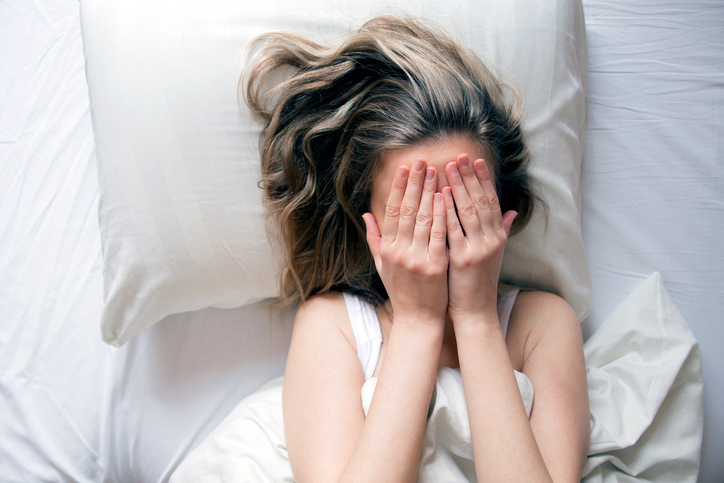
Diurnal mood variation is a distinctive pattern of depression in which individuals experience significantly worse symptoms in the early morning hours, with gradual improvement as the day progresses. This phenomenon, also known as morning depression, represents a key feature of melancholic depression and affects approximately 22.4% of individuals with major depressive disorder, making it an important consideration in diagnosis and treatment planning.
Understanding diurnal mood variation is crucial for both individuals experiencing these symptoms and mental health professionals, as this pattern may indicate specific underlying biological mechanisms and can influence treatment approaches. While the cyclical nature of symptoms might lead some to minimize their significance, consistent morning depression warrants professional evaluation and treatment.
Table of Contents
- What Is Diurnal Mood Variation?
- Causes and Circadian Rhythm Connection
- Recognizing the Symptoms
- Treatment Approaches and Effectiveness
- Frequently Asked Questions
- How Therapy Can Help
What Is Diurnal Mood Variation?
Diurnal mood variation refers to a predictable daily pattern of mood fluctuation commonly seen in depression, particularly in melancholic depression. According to current diagnostic criteria, it is considered a classic symptom of melancholic features of major depressive disorder.
While the term "diurnal mood variation" itself is not a standalone diagnosis in the Diagnostic and Statistical Manual of Mental Disorders, Fifth Edition, Text Revision (DSM-5-TR), it is included as a symptom under depression with melancholic features, which can include early-morning worsening of mood, with some individuals also experiencing an afternoon slump or evening worsening.
Melancholic Depression Features
Melancholic depression is characterized by a severe loss of pleasure and prominent physical symptoms, including insomnia, weight loss, and psychomotor changes. To meet criteria for melancholic features, individuals must experience:
- Loss of pleasure in all, or almost all, activities
- Lack of mood reactivity (mood does not improve even temporarily when something good happens)
- Plus three or more of the following:
- A distinct quality of depressed mood (profound despondency, despair, or emptiness)
- Depression that is regularly worse in the morning
- Early-morning awakening (at least 2 hours before usual time)
- Marked psychomotor agitation or retardation
- Significant weight loss or decrease in appetite
- Excessive or inappropriate guilt
Prevalence and Patterns
Research from the STAR*D study found that diurnal mood variation was reported in 22.4% of participants with major depression. Of these, 31.9% reported morning worsening, 19.5% afternoon, and 48.6% evening worsening. This data challenges the traditional view that morning worsening is the only significant pattern, suggesting that any form of diurnal mood variation may be clinically relevant.
Causes and Circadian Rhythm Connection
The relationship between diurnal mood variation and circadian rhythms has been extensively studied, revealing important connections between our internal biological clock and mood regulation.
Circadian Rhythm Disruption
The circadian clock controls a broad range of bodily functions including appetite, sleep, activity, and cortisol levels. The circadian clock synchronizes itself to the external world mainly by environmental light cues and can be disturbed by a variety of factors, including shift work, jet lag, stress, aging, and artificial light at night. Interestingly, mood has also been shown to follow a diurnal rhythm. Moreover, circadian disruption has been associated with various mood disorders, and patients suffering from depression have irregular biological rhythms in sleep, appetite, activity, and cortisol levels.
Molecular Mechanisms
Circadian rhythms are internal manifestations of the solar day that permit adaptations to predictable environmental temporal changes. These ~24-h rhythms are controlled by molecular clockworks within the brain that are reset daily to precisely 24 h by exposure to the light–dark cycle. Information from the master clock in the mammalian hypothalamus conveys temporal information to the entire body via humoral and neural communication. A bidirectional relationship exists between mood disorders and circadian rhythms. Mood disorders are often associated with disrupted circadian clock-controlled responses, such as sleep and cortisol secretion, whereas disruption of circadian rhythms via jet lag, night-shift work, or exposure to artificial light at night can precipitate or exacerbate affective symptoms in susceptible individuals.
Recent Research Findings
A 12-month prospective study found a significant association between a later timing of baseline circadian activity rhythm and an increased risk of depressive episode relapses in patients with BD. Furthermore, recent findings suggest that in patients with mood disorders, circadian phase disturbances directly precede mood symptoms. This underscores the potential of targeting circadian rhythms in digital medicine, such as sleep or light exposure interventions, to restore circadian phase and thereby manage mood disorders effectively.
Recognizing the Symptoms
Individuals with diurnal mood variation experience a characteristic pattern of symptoms that fluctuate predictably throughout the day.
Morning Symptoms
People with morning depression typically experience:
- Extreme difficulty getting out of bed - More than typical morning grogginess
- Profound sadness and hopelessness upon waking
- Cognitive fog - Difficulty thinking clearly or making decisions
- Lack of energy that goes beyond normal tiredness
- Physical heaviness or feeling like movement requires enormous effort
- Delayed reaction times and slowed thinking
Afternoon/Evening Improvement
As the day progresses, individuals often notice:
- Gradual lifting of mood
- Increased energy and motivation
- Improved cognitive function
- Better social engagement
- More normal appetite patterns
Assessment and Measurement
Recent research has utilized objective measures to assess diurnal patterns. MDD and its subtypes were associated with several actigraphy-derived variables, including later sleep midpoint, low physical activity, low inter-daily stability, and larger intra-individual variability of sleep duration and relative amplitude.
Treatment Approaches and Effectiveness
Treatment for diurnal mood variation typically involves addressing both the underlying depression and the specific circadian rhythm disruption.
Cognitive Behavioral Therapy (CBT)
A comprehensive meta-analysis of 409 trials with 52,702 patients found that CBT had moderate to large effects compared to control conditions such as care as usual and waitlist (g=0.79; 95% CI: 0.70-0.89), which remained similar in sensitivity analyses and were still significant at 6-12 month follow-up.
The effects of CBT did not differ significantly from those of pharmacotherapies at the short term, but were significantly larger at 6-12 month follow-up (g=0.34; 95% CI: 0.09-0.58). Combined treatment was more effective than pharmacotherapies alone at the short (g=0.51; 95% CI: 0.19-0.84) and long term (g=0.32; 95% CI: 0.09-0.55). CBT appears to be as effective as pharmacotherapies at the short term, but more effective at the longer term.
CBT for morning depression specifically addresses:
- Thought patterns that worsen morning mood
- Behavioral activation strategies for morning routines
- Sleep hygiene and circadian rhythm regulation
- Activity scheduling to maximize energy patterns
Medication Considerations
SSRIs vs SNRIs
While selective serotonin reuptake inhibitors (SSRIs) are commonly prescribed for depression, research suggests that patients with diurnal mood variation, particularly reversed DMV (evening worsening), responded better to tricyclic antidepressants than to SSRIs.
For morning depression specifically:
- SNRIs (serotonin-norepinephrine reuptake inhibitors) may be more effective than SSRIs for some individuals with diurnal mood variation
- Timing of medication can be adjusted to optimize circadian effects
- Combined approaches (medication plus psychotherapy) show enhanced effectiveness
Light Therapy
A recent systematic review and meta-analysis of 11 trials with 858 patients found that bright light therapy was associated with a 40.7% remission rate in nonseasonal depression, significantly higher than control groups (23.5%; odds ratio [OR], 2.42; 95% CI, 1.50-3.91; P <.001).
Another meta-analysis of 15 RCTs with 883 patients showed positive effects of bright light therapy on alleviating depressive symptoms (SMD = 0.48, 95% CI [0.22, 0.74], p <.001). Trials that lasted two weeks or less or those with 60 minutes or more of daily exposure were associated with higher therapeutic effectiveness.
Light therapy protocols typically involve:
- Exposure to 10,000 lux bright light
- 30-60 minutes daily, preferably in the morning
- Consistent timing to regulate circadian rhythms
- Monitoring for side effects such as headaches or eye strain
Sleep and Lifestyle Interventions
Comprehensive treatment includes attention to sleep hygiene and circadian rhythm regulation:
Sleep Hygiene Recommendations:
- Maintain consistent bedtime and wake times
- Create a dark, cool sleeping environment
- Limit screen exposure 2 hours before bedtime
- Avoid caffeine after 2 PM
- Refrain from daytime napping
Activity and Light Exposure:
- Morning sunlight exposure within 30 minutes of waking
- Regular exercise, preferably in the morning or afternoon
- Structured morning routines to combat low energy
- Social activities scheduled during higher-energy periods
Frequently Asked Questions
Is diurnal mood variation the same as seasonal affective disorder (SAD)?
No, these are distinct conditions. While SAD is characterized by seasonal patterns of depression (typically worsening in fall/winter), diurnal mood variation refers to daily patterns of symptom fluctuation that occur regardless of season. However, both conditions involve circadian rhythm disruptions and may respond to similar treatments like light therapy.
Can diurnal mood variation occur with other mental health conditions?
Yes, while most commonly associated with major depressive disorder, diurnal mood variation can occur in:
- Bipolar disorder (during depressive episodes)
- Persistent depressive disorder
- Depression with anxious distress
- Post-stroke depression
Research has shown that diurnal changes were correlated with more severe symptoms of depression and anxiety, and the findings indicated that feelings of despair might act as an associated factor for diurnal variation in certain conditions.
How is diurnal mood variation diagnosed?
Diagnosis involves comprehensive clinical assessment including:
- Detailed mood tracking over several weeks
- Sleep pattern evaluation
- Standardized depression rating scales with specific diurnal variation items
- Assessment for melancholic features
- Rule-out of medical conditions affecting circadian rhythms
What should I do if my depression is worse at different times than morning?
Research suggests that diurnal mood variation is meaningfully related to other melancholia criteria regardless of when it occurs. These findings suggest that any form of diurnal mood variation, not simply early morning worsening, may be clinically significant. Whether your symptoms worsen in the afternoon or evening, it's important to discuss these patterns with your mental health provider.
How long does treatment typically take to show results?
Treatment response varies by intervention:
- Light therapy: May show benefits within 1-2 weeks
- CBT: Typically requires 8-16 sessions over 2-4 months
- Antidepressants: Usually require 4-6 weeks for initial response
- Combined treatments: Often show faster and more robust responses
Can diurnal mood variation improve without treatment?
While mood patterns may fluctuate naturally, consistent diurnal mood variation associated with depression typically requires professional intervention. Without treatment, symptoms may persist or worsen, potentially leading to:
- Increased functional impairment
- Relationship difficulties
- Work or academic problems
- Risk of more severe depression
How Therapy Can Help
Professional mental health treatment offers evidence-based approaches to address both the depressive symptoms and circadian rhythm disruptions characteristic of diurnal mood variation.
Finding the Right Treatment Approach
A comprehensive treatment plan may include:
- Initial assessment to determine symptom patterns and severity
- Personalized treatment planning based on individual circadian patterns
- Regular monitoring of mood and sleep patterns
- Adjustments based on treatment response
Benefits of Professional Support
Working with a qualified mental health professional provides:
- Accurate diagnosis and identification of melancholic features
- Access to evidence-based treatments
- Monitoring for treatment effectiveness
- Support through the recovery process
- Strategies for maintaining gains and preventing relapse
When to Seek Help
Consider seeking professional help if you experience:
- Consistent morning depression lasting more than 2 weeks
- Significant impairment in daily functioning
- Thoughts of self-harm or suicide
- Sleep disturbances affecting daytime function
- Previous episodes of depression with diurnal variation
Find a Therapist
If you're experiencing diurnal mood variation or other symptoms of depression, professional help is available. The GoodTherapy directory can connect you with qualified mental health professionals who specialize in treating depression and circadian rhythm disorders. These therapists can provide comprehensive assessment and evidence-based treatments tailored to your specific symptom patterns and needs.
Don't let the cyclical nature of symptoms prevent you from seeking help. Even though mood may improve later in the day, morning depression can significantly impact quality of life and overall functioning. With proper treatment, individuals with diurnal mood variation can achieve lasting improvement in both mood stability and circadian rhythm regulation.
References:
- American Psychiatric Association. (2022). Diagnostic and statistical manual of mental disorders (5th ed., text rev.). https://doi.org/10.1176/appi.books.9780890425787
- Chen, Z., Zhao, S., Tian, S., et al. (2025). Prevalence and correlates of diurnal mood variation in Chinese adolescents with major depressive disorder and anxiety symptoms: A cross-sectional study. Journal of Clinical Medicine. https://doi.org/10.3390/jcm13164870
- Cuijpers, P., Miguel, C., Harrer, M., Plessen, C. Y., Ciharova, M., & Karyotaki, E. (2023). Cognitive behavior therapy vs. control conditions, other psychotherapies, pharmacotherapies and combined treatment for depression: A comprehensive meta-analysis including 409 trials with 52,702 patients. World Psychiatry, 22(1), 105-115. https://doi.org/10.1002/wps.21069
- de Leeuw, M., Verhoeve, S. I., van der Wee, N. J. A., van Hemert, A. M., Vreugdenhil, E., & Coomans, C. P. (2023). The role of the circadian system in the etiology of depression. Neuroscience & Biobehavioral Reviews, 153, 105383. https://doi.org/10.1016/j.neubiorev.2023.105383
- Dollish, H., Tsyglakova, M., & McClung, C. A. (2024). Circadian rhythms and mood disorders: Time to see the light. Neuron, 112(1), 25-40. https://doi.org/10.1016/j.neuron.2023.09.023
- Gattis, K. S., et al. (2025). Are cognitive behavioural therapy, cognitive therapy, and behavioural activation for depression effective in primary care? A systematic review and meta-analysis. Journal of Affective Disorders. https://doi.org/10.1016/j.jad.2025.04.088
- Glaus, J., Kang, S. J., Guo, W., Lamers, F., Strippoli, M. F., Leroux, A., et al. (2023). Objectively assessed sleep and physical activity in depression subtypes and its mediating role in their association with cardiovascular risk factors. Journal of Psychiatric Research, 163, 325-336. https://doi.org/10.1016/j.jpsychires.2023.05.042
- Ho, F. Y., Poon, C. Y., Wong, V. W., Chan, K. W., Law, K. W., Yeung, W. F., & Chung, K. F. (2024). Actigraphic monitoring of sleep and circadian rest-activity rhythm in individuals with major depressive disorder or depressive symptoms: A meta-analysis. Journal of Affective Disorders, 361, 224-244. https://doi.org/10.1016/j.jad.2024.05.155
- Mamukashvili-Delau, M., Koburger, N., Dietrich, S., & Rummel-Kluge, C. (2023). Long-term efficacy of Internet-based cognitive behavioral therapy self-help programs for adults with depression: Systematic review and meta-analysis of randomized controlled trials. JMIR Mental Health, 10, e46925. https://doi.org/10.2196/46925
- Menegaz de Almeida, A., et al. (2025). Bright light therapy for nonseasonal depressive disorders: A systematic review and meta-analysis. JAMA Psychiatry, 82(1), 38-46. https://doi.org/10.1001/jamapsychiatry.2024.2871
- National Institute of Mental Health. (2024). Depression. https://www.nimh.nih.gov/health/topics/depression
- Nawaz, S., et al. (2024). Advances in antidepressant therapy: Comparing the efficacy of selective serotonin reuptake inhibitors (SSRIs), serotonin-norepinephrine reuptake inhibitors (SNRIs), and novel agents. Cureus, 16(12), e76318. https://doi.org/10.7759/cureus.76318
- Salvatore, P., Indic, P., Khalsa, H. K., Tohen, M., & Baldessarini, R. J. (2024). Circadian activity rhythms and psychopathology in major depressive episodes. Psychopathology, 57(1), 1-9. https://doi.org/10.1159/000530768
- Song, Y. M., Jeong, J., de los Reyes, A. A. V., Lim, D., et al. (2024). Causal dynamics of sleep, circadian rhythm, and mood symptoms in patients with major depression and bipolar disorder: Insights from longitudinal wearable device data. eBioMedicine, 103, 105094. https://doi.org/10.1016/j.ebiom.2024.105094
- Tong, H., Lam, C. L. M., Lee, T. M. C., & Dong, N. (2024). The effect of bright light therapy on major depressive disorder: A systematic review and meta-analysis of randomised controlled trials. European Neuropsychopharmacology, 74, 1-14. https://doi.org/10.1016/j.euroneuro.2024.05.002
- Vintilă, B. I., Anghel, C. E., Sava, M., et al. (2025). The use of phototherapy for the treatment of non-seasonal depression: A systematic review of efficacy and safety. Journal of Clinical Medicine, 14(5), 1756. https://doi.org/10.3390/jcm14051756
- Walker, W. H. 2nd, Walton, J. C., DeVries, A. C., & Nelson, R. J. (2020). Circadian rhythm disruption and mental health. Translational Psychiatry, 10(1), 28. https://doi.org/10.1038/s41398-020-0694-0
- Ying, Y., Ji, Y., Kong, F., Wang, M., Chen, Q., Wang, L., Ming, X., & Liu, L. (2024). Circadian light therapy and light dose for depressed young people: A systematic review and meta-analysis. Frontiers in Public Health, 11, 1257093. https://doi.org/10.3389/fpubh.2023.1257093
- Zhang, Y., et al. (2024). Longitudinal assessment of seasonal impacts and depression associations on circadian rhythm using multimodal wearable sensing: Retrospective analysis. Journal of Medical Internet Research, 26, e55302. https://doi.org/10.2196/55302
