
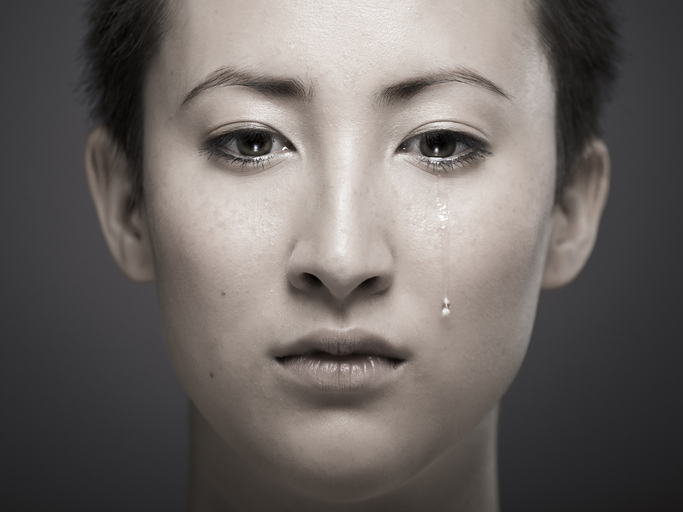
Depression is a serious mental health condition that affects how a person feels, thinks, and handles daily activities. Depression is one of the most common mental disorders in the United States. The symptoms range from mild to severe and can disrupt a person's ability to carry out everyday activities.
It is linked to increased health care costs and other health conditions like heart disease and diabetes. It is also a risk factor for suicidal thoughts and behaviors. In some cases, depression can lead people to consider suicide.
From 2013–2014 to August 2021–August 2023, depression prevalence in adolescents and adults increased overall and in females and males. During August 2021–August 2023, the prevalence of depression in the past 2 weeks was 13.1% in adolescents and adults age 12 and older.
19% or 1 in 5 U.S. adults were ever told by a doctor or other health care professional that they had any type of depression disorder.
Table of Contents
- What Is Depression?
- What Depression Is Not
- What Causes Depression
- Subtypes of Depression
- Comorbid Psychological Issues
- Depression in Men and Women
- Depression in Children
- Depression From the Outside
- Getting Help
- Frequently Asked Questions
- How Therapy Can Help / Find a Therapist
What Is Depression?
Depression (also called major depressive disorder or clinical depression) is different from everyday sadness. It can cause severe symptoms that affect how you feel, think, and handle daily activities, such as sleeping, eating, or working.
Major depression is one of the most common mental disorders in the United States. For some individuals, major depression can result in severe impairments that interfere with or limit one's ability to carry out major life activities.
Depression prevalence decreased with increasing age. Overall, prevalence was highest in adolescents ages 12–19 (19.2%) and lowest in adults age 60 and older (8.7%). Most people have their first bout of depression in their late teens or early twenties.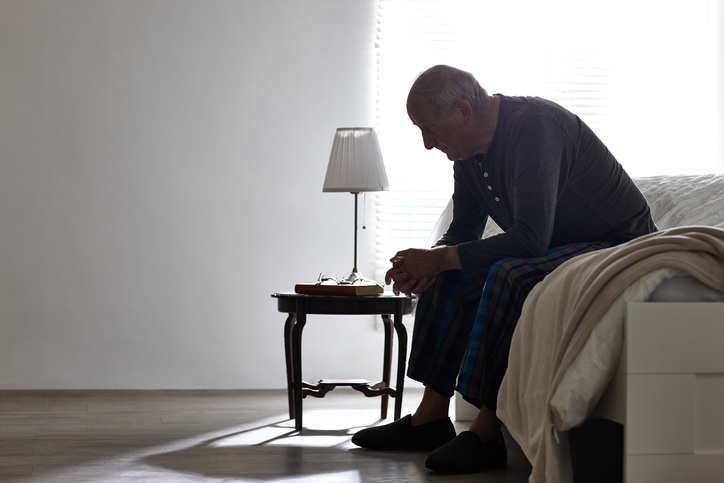
Depression's symptoms can vary from person to person. Someone's gender, culture, or age may change how they experience depression. Yet most forms of depression include these common symptoms:
- Frequent crying and bouts of sadness
- Feeling hopeless or worthless
- Getting too much or too little sleep
- Anxiety
- Anger
- Difficulty enjoying activities one used to like
- Unexplained physical ailments such as headaches or muscle pain
- Difficulty concentrating
- Changes in weight or eating habits
- Thoughts of suicide
A person with depression likely has trouble dealing with daily stresses. Sometimes the simplest activities—getting out of bed, bathing, and dressing—can feel impossible. Such struggles might make people feel helpless or alone. Even when something good happens, depression can cast a cloud of negativity over the experience.
People with depression often feel anger, shame, and irritation. Sometimes these emotions can show up in the body as aches or nausea. These feelings can also lead to weepiness.
Other times, depression causes people to feel emotionally "numb." It is common for people to feel as if they never have energy. In severe cases, a person may not care if they live or die.
What Depression Is Not
There are many myths surrounding therapy. Though it is important to know what depression is, it can be equally important to know what depression is not.
Depression is not simple sadness. Most people get upset when life doesn't go their way. But someone with depression can feel so bad they struggle to do everyday activities like eat or bathe. To count as depression, the sadness must be a constant, long-lasting feeling.
Depression is not a sign of weakness. Although depression can sap one's energy or motivation, having the condition does not mean one is lazy. In fact, many people with depression put forth double the effort to simply get through their day.
Depression is not forever. People with depression can feel hopeless about recovery, especially if they've had the condition for a long time. NIMH is funding and conducting research to learn more about what causes depression, how it affects the brain, and how to treat it effectively. We're working to improve existing treatments like medications, talk therapy (including telehealth and online options), and brain stimulation therapy. There are many therapies used to treat depressive symptoms. A mental health practitioner can help you decide which type best fits your needs.
What Causes Depression
Research suggests that genetic, biological, environmental, and psychological factors play a role in depression. Depression can be caused by one's body or one's circumstances. Sometimes it can be caused by a mixture of both.
Most mental health experts agree brain chemistry plays a major role in depression. The brain has chemicals called dopamine and serotonin. These chemicals affect our ability to feel pleasure and well-being. If the brain does not make enough of these chemicals, or if it doesn't process them right, depression can result.
But no person is an island. Just as brain chemistry can affect life, life can cause changes in the brain. Any stressful or traumatic event can contribute to depression. Common triggers include divorce, financial instability, chronic illness, social isolation, bullying, and domestic violence.
Depression is not to be confused with the typical mourning process. Grief after loss is normal, and it usually fades over time. One's sadness or guilt is often limited to thoughts of the deceased. But depression's symptoms tend to be persistent and less tied to any specific thought.
Subtypes of Depression
The Diagnostic and Statistical Manual of Mental Disorders (DSM-5-TR) lists eight main types of depression. Each subtype has its own criteria for severity, duration, mood changes, and behavior. The subtypes include:
- Disruptive mood dysregulation disorder (DMDD): Generally diagnosed in children and adolescents between the ages of 6 and 18. It involves frequent temper tantrums that are not appropriate for the child's age or situation.
- Major depressive disorder: The most common subtype. The symptoms are usually severe and impact daily life.
- Persistent depressive disorder (dysthymia): A depressed mood that lasts for over two years.
- Premenstrual dysphoric disorder: Symptoms appear the week before one's menses, then become minimal after menses.
- Substance/medication-induced depressive disorder: Depression that occurs during or soon after one is exposed to a substance. It could also occur during withdrawal.
- Depressive disorder due to another medical condition: Depression caused by the physiological effects of another medical condition.
- Other specified depressive disorder: This diagnosis applies when someone has depressive symptoms, but they do not qualify for any other subtype. A clinician will specify the reason the condition does not meet the criteria. The person may not have enough symptoms, or the depressive episode may have been too brief.
- Unspecified depressive disorder: This diagnosis is used when depressive symptoms do not meet the full criteria for a specific type, but the clinician does not specify why. A clinician may use this distinction when they do not have enough information to make a specific diagnosis (such as in an emergency room).
Depression subtypes can be described in more detail by adding specifiers. A depressive subtype might be characterized by:
- Seasonal pattern: in which episodes occur at a certain time of year
- Peripartum onset: when symptoms occur during or immediately after pregnancy
- Anxious distress: including worry and restlessness
- Catatonia: strange movements or a lack of movement
- Mixed features: such as increased energy and inflated self-esteem
- Melancholic features: such as loss of pleasure, weight loss, and excessive guilt
- Atypical features: such as mood reactivity, weight gain, and hypersomnia
- Psychotic features: such as delusions and hallucinations
Comorbid Psychological Issues

Depression can occur on its own or with other mental health concerns. When depression presents alongside another diagnosis, the conditions are called "comorbid."
Of all the pediatric mental health concerns, DMDD has the highest rates of comorbidity with other mental health diagnoses. It often overlaps with oppositional and defiant behavior. Major depression can co-occur with substance abuse issues, obsessive-compulsive behavior, and panic attacks. Those with persistent depression have a higher risk for anxiety and substance abuse. Substance/medication-induced depression can be comorbid with paranoia, gambling addiction, and antisocial personality.
In the case of depressive disorder due to another medical condition, health issues are inherently part of the diagnosis. However, people with this type of depression are not necessarily prone to other mental health issues. Individuals with health conditions can experience depression unrelated to their medical diagnosis. Someone might have been living with depression before they developed a health concern.
Some mental health concerns, such as anxiety, are commonly linked to depression. Combined antidepressants with individual CT/CBT, acupuncture and, possibly, group exercise, individual psychological therapies (behavioural therapies, CT/CBT) alone, and antidepressants alone appear efficacious in more severe depression. Depression can also be a primary characteristic of bipolar disorder, schizophrenia, and posttraumatic stress disorder (PTSD). Survivors of childhood abuse face a high likelihood of experiencing depression.
Depression is associated with various types of substance abuse, especially alcohol. People may self-medicate to manage depressive symptoms such as insomnia. Other individuals, especially teens, may use substances as part of sensation-seeking behavior. Even if the drugs offer short-term relief, substance abuse can cause serious harm over time. Some substances, such as alcohol, can even cause depression's symptoms to worsen.
Depression in Men and Women
Depression prevalence was higher in females (16.0%) than in males (10.1%) overall and in every age group, except in adults ages 20–39 (19.0% and 14.3%, respectively), where the observed difference was not significant.
As compared to men, older women's higher rates of depression diagnosis and antidepressant use are widely reported. We aimed to: a) explore whether there is a potential gender bias in the clinical diagnosis of depression and antidepressant prescription in an older population from Stockholm; and b) analyze if such gender bias differs by patients' age and socioeconomic status.
Depression is diagnosed more often in women than in men. Some researchers guess this is because men are less likely to seek treatment. Some men believe talking about their feelings would make them look "weak" or "unmanly," so they avoid therapy. Researchers also believe men are diagnosed less because their symptoms look different.
Sex differences in the psychopharmacological treatment of depression show that men with depression are more likely to show anger than sadness. They tend to have more sleep difficulties and fatigue symptoms than women. Men often cope through escapist behaviors like binge drinking or sexual affairs.
Women with depression are more likely to attempt suicide. They are also more likely to experience certain forms of depression like premenstrual dysphoric disorder (PMDD). PMDD is when someone experiences severe depression symptoms before their period. The symptoms improve once the period begins. They may even disappear for the rest of the menstrual cycle. (Transgender men may experience PMDD, although research suggests testosterone therapy reduces depressive symptoms.)
Women had a 44% higher probability of having a register-based diagnosis and a 31% higher probability of receiving treatment for depression than men, given the same age, burden of depressive symptoms, and frequency of health services use. Moreover, this gender bias seemed to be larger among the younger-old and the more advantaged social class.
Depression in Children
This systematic review and meta-analysis aimed to estimate the global prevalence of depression or depressive symptoms in children and adolescents and explore the temporal and regional distribution of depression or depressive symptoms. In this systematic review, about one in five children and adolescents globally suffered from depression or had depressive symptoms, and this proportion was increasing over time.
Most recent 2023 data show 40% or 2 in 5 U.S. high school students reported experiencing symptoms of depression—felt so sad or hopeless every day for two or more weeks in a row that they stopped doing some usual activities in the past 12 months. The percentage was lower in 2023 than it was in 2021.
Some children may inherit abnormalities in brain chemistry from their parents. These abnormalities could make kids more likely to share their parents' depression. If an adult's depression affects their parenting, the child may learn certain behaviors and attitudes. They may develop depression as a response to stress.
Recent improvements in symptoms of depression among youth show impact of prevention programs. For example, CDC's What Works in Schools program supports quality health education, connects youth to health services, and helps make schools safer and more supportive.
Depression From the Outside
Depression doesn't simply affect the individual—it can also impact that person's loved ones. Supporting a person with depression can be difficult. The person may not accept comfort, claiming they do not deserve love. Symptoms of lethargy or irritability can put further strain on a relationship. Loved ones may feel frustrated or confused when their support does not "cure" the depression.
A therapist can help loved ones learn how to best support the individual with depression. Individual therapy can be a safe space for loved ones to privately sort through their own feelings. Romantic partners may consider couples counseling. Parents and children can try family therapy.
Getting Help
Depression is a very treatable condition. Group CT/CBT (and possibly group yoga and self-help) appears efficacious in less severe depression, whereas antidepressants do not show evidence of effect. Combined antidepressants with individual CT/CBT, acupuncture and, possibly, group exercise, individual psychological therapies (behavioural therapies, CT/CBT) alone, and antidepressants alone appear efficacious in more severe depression.
One of these is the medication ketamine, which numerous NIMH-funded studies have shown has fast-acting and lasting effects in people with mood disorders like depression. The discovery of ketamine has been a game changer for people with severe depression, who often need rapid relief from life-threatening symptoms.
If you want to start therapy immediately, you can find a therapist near you who specializes in depression. Remember, you don't need to be in a crisis to get help.
If you or a loved one are having thoughts of suicide, you can always call 911 and go to your local emergency room. You can also call the 988 Suicide & Crisis Lifeline, which is 988.
Frequently Asked Questions
How common is depression?
During August 2021–August 2023, the prevalence of depression in the past 2 weeks was 13.1% in adolescents and adults age 12 and older.
23.4% of U.S. adults experienced mental illness in 2024 (61.5 million people). Depression affects millions of Americans every year.
What is the difference between depression and sadness?
While everyone experiences sadness from time to time, depression involves persistent feelings that last for at least two weeks and interfere with daily functioning. Depression (also called major depressive disorder or clinical depression) is different. It can cause severe symptoms that affect how you feel, think, and handle daily activities, such as sleeping, eating, or working.
Are there new treatments for depression?
Yes, research continues to advance. The analysis of approved drugs highlights the emergence of pharmacological classes such as GABA modulators and NMDA antagonists. In the GABA modulator class, both brexanolone (2019) and zuranolone (2023) have received FDA approval exclusively for the treatment of postpartum depression.
Psilocybin therapy has been shown to have potential as a treatment for depression in almost 400 participants. Phase 3 trials starting in 2023 will further probe efficacy against placebo.
Does depression affect men and women differently?
Yes, there are notable differences. Depression prevalence was higher in females (16.0%) than in males (10.1%) overall and in every age group. Men may show different symptoms such as anger and irritability, while women are more likely to report sadness and crying.
Can children have depression?
Yes, children can experience depression. About one in five children and adolescents globally suffered from depression or had depressive symptoms, and this proportion was increasing over time.
Most recent 2023 data show 40% or 2 in 5 U.S. high school students reported experiencing symptoms of depression.
Is depression treatable?
Absolutely. Group CT/CBT (and possibly group yoga and self-help) appears efficacious in less severe depression, whereas antidepressants do not show evidence of effect. Combined antidepressants with individual CT/CBT, acupuncture and, possibly, group exercise, individual psychological therapies (behavioural therapies, CT/CBT) alone, and antidepressants alone appear efficacious in more severe depression. Many effective treatments are available, including therapy, medication, and newer interventions.
How Therapy Can Help / Find a Therapist
Professional therapy has been shown to be highly effective in treating depression. Combined antidepressants with individual CT/CBT, acupuncture and, possibly, group exercise, individual psychological therapies (behavioural therapies, CT/CBT) alone, and antidepressants alone appear efficacious in more severe depression.
A trained therapist can help you:
- Develop coping strategies for managing symptoms
- Identify and change negative thought patterns
- Process underlying issues contributing to depression
- Build a support system
- Create a personalized treatment plan
Many types of therapy can help with depression, including:
- Cognitive-behavioral therapy (CBT)
- Interpersonal therapy
- Psychodynamic therapy
- Mindfulness-based therapies
If you're ready to take the first step toward healing, GoodTherapy can help you find a qualified therapist in your area who specializes in depression treatment. Our directory includes licensed professionals who use evidence-based approaches to help you on your path to recovery.
References:
- American Psychiatric Association. (2022). Diagnostic and statistical manual of mental disorders (5th ed., text rev.). https://doi.org/10.1176/appi.books.9780890425787
- Alvaro, P. K., Roberts, R. M., Harris, J. K., et al. (2024). Systematic review and meta-analysis of psychological interventions for depression symptoms in young people with long-term physical health conditions. Journal of Pediatric Psychology, 49(5), 325-340. https://doi.org/10.1093/jpepsy/jsae027
- Bacigalupe, A., Martín, U., Triolo, F., et al. (2024). Is the diagnosis and treatment of depression gender-biased? Evidence from a population-based aging cohort in Sweden. International Journal for Equity in Health, 23, 252. https://doi.org/10.1186/s12939-024-02320-2
- Brouwer, M. E., Williams, A. D., van Grinsven, S. E., Cuijpers, P., Lambregtse-van den Berg, M. P., Bockting, C. L. H., & Burger, H. (2024). Psychological interventions to prevent the onset of major depression in adults: a systematic review and individual participant data meta-analysis. The Lancet Psychiatry, 11(12), 1013-1024. https://doi.org/10.1016/S2215-0366(24)00316-X
- Butler, A., Young, J. J., McMahon, F. J., & Ruderfer, D. M. (2024). The development of psilocybin therapy for treatment-resistant depression: an update. BJPsych Bulletin, 48(1), 38–44. https://doi.org/10.1192/bjb.2023.25
- Centers for Disease Control and Prevention. (2025, April). Depression prevalence in adolescents and adults: United States, August 2021–August 2023. NCHS Data Brief, No. 527. https://www.cdc.gov/nchs/products/databriefs/db527.htm
- Centers for Disease Control and Prevention. (2024). Mental health conditions & care. Mental Health Data Channel. https://www.cdc.gov/mental-health/about-data/conditions-care.html
- Cuijpers, P., Miguel, C., Harrer, M., Plessen, C. Y., Ciharova, M., Papola, D., Ebert, D., & Karyotaki, E. (2023). Psychological treatment of depression: A systematic overview of a 'Meta-Analytic Research Domain'. Journal of Affective Disorders, 335, 141-151. https://doi.org/10.1016/j.jad.2023.05.011
- Di Benedetto, M. G., Landi, P., Mencacci, C., & Cattaneo, A. (2024). Depression in women: Potential biological and sociocultural factors driving the sex effect. Neuropsychobiology, 83(1), 2–16. https://doi.org/10.1159/000531588
- Lu, B., Qiu, Y., Yang, W., Yao, Z., & Ma, X. (2024). Global burden of depression or depressive symptoms in children and adolescents: A systematic review and meta-analysis. Journal of Affective Disorders, 356, 97-104. https://doi.org/10.1016/j.jad.2024.04.010
- Mavranezouli, I., Megnin-Viggars, O., Pedder, H., Welton, N. J., Dias, S., Watkins, E., Nixon, N., Daly, C. H., Keeney, E., Eadon, H., Caldwell, D. M., O'Donoghue, K. J. M., Stockton, S., Arnold, S., Thomas, J., Kapur, N., & Pilling, S. (2024). A systematic review and network meta-analysis of psychological, psychosocial, pharmacological, physical and combined treatments for adults with a new episode of depression. eClinicalMedicine, 75, 102780. https://doi.org/10.1016/j.eclinm.2024.102780
- Meikle, S., Carter, O., Liknaitzky, P., et al. (2025). Psilocybin with psychotherapeutic support for treatment-resistant depression: a pilot clinical trial. Therapeutic Advances in Psychopharmacology, 15, 20451253251377187. https://doi.org/10.1177/20451253251377187
- Namiot, E. D., Smirnovová, D., Sokolov, A. V., Chubarev, V. N., Tarasov, V. V., & Schiöth, H. B. (2024). Depression clinical trials worldwide: a systematic analysis of the ICTRP and comparison with ClinicalTrials.gov. Translational Psychiatry, 14, 315. https://doi.org/10.1038/s41398-024-03031-6
- National Alliance on Mental Illness. (2025). Mental health by the numbers. NAMI. https://www.nami.org/about-mental-illness/mental-health-by-the-numbers/
- National Institute of Mental Health. (2024). Depression. (NIH Publication No. 24-MH-8079). U.S. Department of Health and Human Services, National Institutes of Health. https://www.nimh.nih.gov/health/topics/depression
- National Institute of Mental Health. (2024). Major depression statistics. U.S. Department of Health and Human Services, National Institutes of Health. https://www.nimh.nih.gov/health/statistics/major-depression
- Papakostas, G. I., Trivedi, M. H., Shelton, R. C., et al. (2024). Comparative effectiveness research trial for antidepressant incomplete and non-responders with treatment resistant depression (ASCERTAIN-TRD): a randomized clinical trial. Molecular Psychiatry, 29, 2287–2295. https://doi.org/10.1038/s41380-024-02468-x
- Raja, S. M., Guptill, J. T., Mack, M., Peterson, M., et al. (2024). A phase 1 assessment of the safety, tolerability, pharmacokinetics and pharmacodynamics of (2R,6R)-hydroxynorketamine in healthy volunteers. Clinical Pharmacology & Therapeutics, 116(5), 1314–1324. https://doi.org/10.1002/cpt.3391
- Silveira, P. P., Pokhvisneva, I., Howard, D. M., & Meaney, M. J. (2023). Biological markers of sex-based differences in major depressive disorder and in antidepressant response. European Neuropsychopharmacology, 76, 89–107. https://doi.org/10.1016/j.euroneuro.2023.07.011
- Substance Abuse and Mental Health Services Administration. (2023). Mental health and substance use disorders. U.S. Department of Health and Human Services. https://www.samhsa.gov/find-help/disorders
- Wang, Y., Zhang, X., Li, Y., Qin, H., & Li, X. (2024). Gender differences in the prevalence, correlated factors and comorbidity of depression in adolescents: a cross-sectional study in Shanghai, China. Frontiers in Public Health, 12, 1436413. https://doi.org/10.3389/fpubh.2024.1436413
- World Health Organization. (2024). Depression. Retrieved from https://www.who.int/news-room/fact-sheets/detail/depression
- Xiao, N., Yin, L., Lee, S., et al. (2025). The efficacy of pharmacological interventions in the treatment of major depressive disorder and bipolar depression with mixed features: A systematic review. Bipolar Disorders, 27(5), 347–357. https://doi.org/10.1111/bdi.70049
- Zhang, C., Jing, L., Wang, J., & Chen, Y. (2025). Depression and health outcomes: An umbrella review of systematic reviews and meta-analyses of observational studies. Translational Psychiatry, 15, 43. https://doi.org/10.1038/s41398-025-03463-8

