

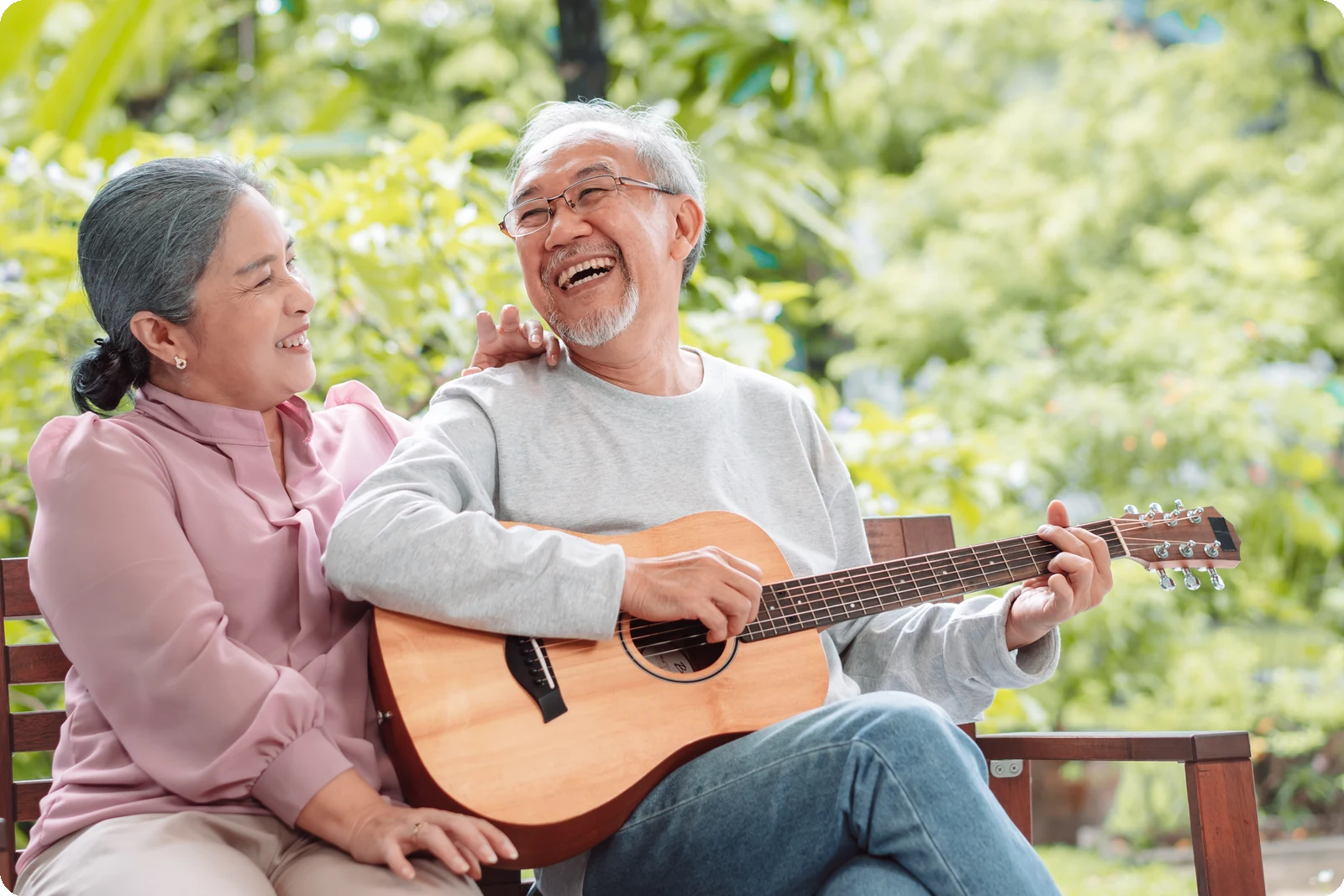
Senior years mental health often brings a need for tender compassion. As life experiences resurface in our thoughts, we can feel overwhelmed with love. We can also return to difficult feelings of pain, regret, longing, or forgiveness of self or others. These senior years can help us harmonize the life lived so far.
In this blog
Tender compassion in senior years
When the body and pace of life change
Tender Compassion in Senior Years Mental Health
Senior years can bring spiritual experiences that feel unfamiliar. Some people may feel the presence of the Divine in a new way. Some may sense that the past and future are still present, or that life has happened very quickly, like a shuffled deck containing a multitude of memories.
Having words for these experiences can help. For many people, tears, laughter, memory, prayer, and gratitude are not problems to erase. They can be gifts of life and invitations to understand what has mattered. At the same time, strong distress, depression, anxiety, grief, or isolation deserve care and support.
Key insight
More tears, more laughter, or more reflection may be signs that something inside is asking to be received with patience instead of rushed away.
Support can make that reflection safer and less lonely. Older adults who notice depression, anxiety, grief, or isolation can talk with trusted people, a therapist, or resources such as the National Institute of Mental Health page on older adults and mental health.
Need support with aging, grief, or life review?
A therapist can help you sort through memory, meaning, and changing needs with care. You can find a therapist through GoodTherapy.
When the Body and Pace of Life Change
Senior years also tend to bring practical changes. There may be more body concerns to address and more trips to medical practitioners, no matter how well someone has cared for the body. The ability to move as fast, handle as much outside stimulation, or complete the same number of daily tasks may be tempered.
Our bodies may ask for more detailed input: meditation, supplements when recommended by a qualified professional, new kinds of exercise, different foods, more rest, or different rhythms. Developing a very kind way of accepting ourselves is deeply valuable in this time of living.
Talking to ourselves in a positive way, embracing the experiences we are having as valid and valuable, and responding to new needs can be self-supporting. It may also leave ripples of peace for others. More time alone, naps, swims, meditations, forest walks, time with animals, putting hands in the earth, or anything else the body, mind, and soul ask for can become important.
A gentler rhythm
Notice the need -> name it kindly -> respond in one realistic way -> let the response be enough for today.
Energy that once went mostly to helping and supporting others may now be asked to return to the self. In that sense, we may become our own baby, child, and adolescent again. Humor, sweetness, tenderness, and deep patience can become friends. If those qualities are hard to access alone, receiving them from a practitioner, book, friend, or community can be beneficial.
If we were prone to push, we may need to rest instead. If we avoided life by putting things on hold, we may need to become more proactive. Dreamers may be forced to be more practical, and analytical people may be invited to dream more. Senior years mental health often asks for balance in new ways.
GoodTherapy has additional reflections on aging gracefully with wisdom, navigating life transitions, and practicing self-compassion.
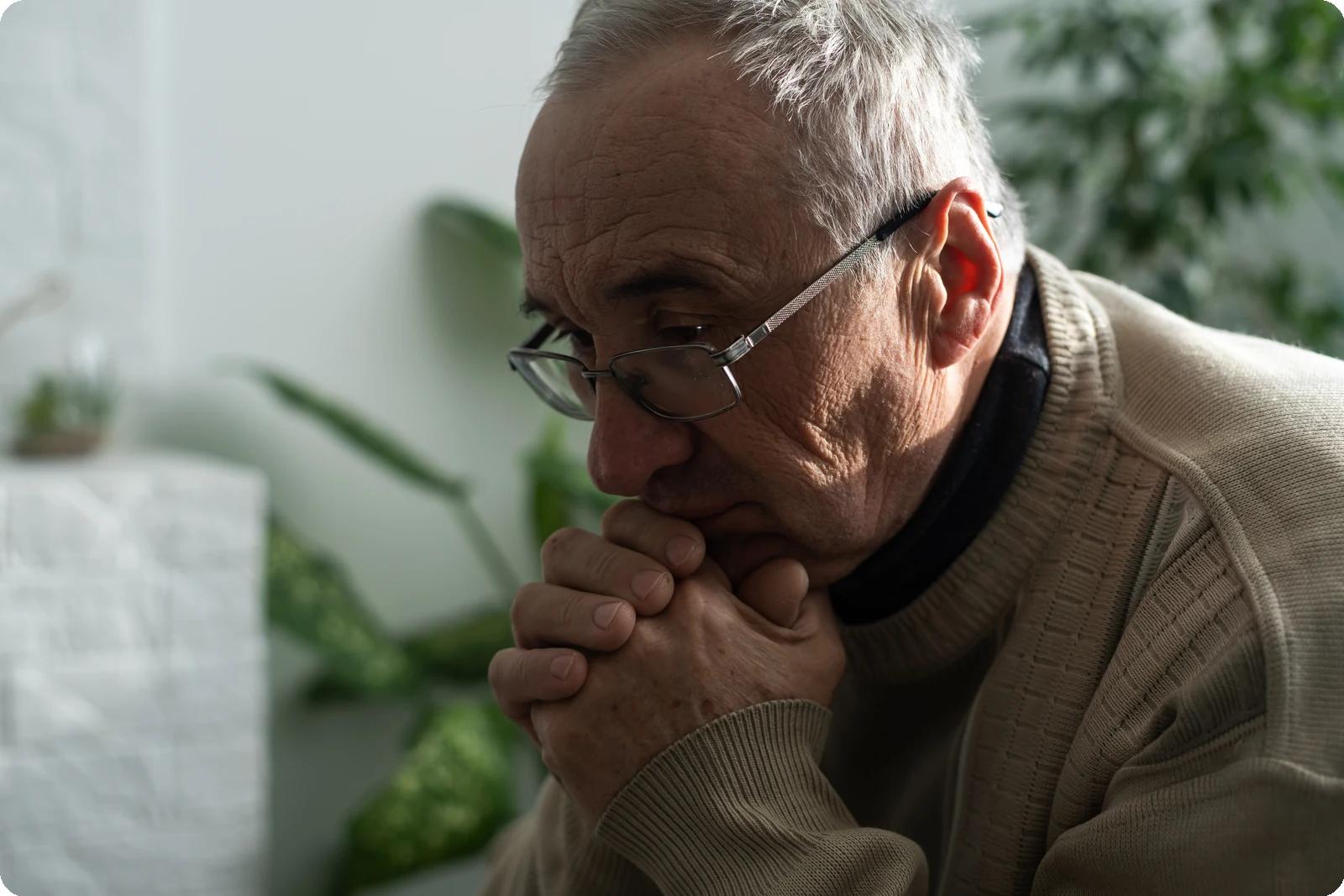
Gentle Questions for Senior Years Mental Health
Senior years mental health is not only about solving problems. It is also about asking questions that help the self feel accompanied. The questions below come closely from the author’s original reflection and are meant to be used slowly, one at a time.
Questions to ask yourself
| 01 | Can I be kinder to myself today? |
| 02 | Can I appreciate this moment now, with all its grace and challenges? |
| 03 | Can I be grateful to life in the face of disappointments, with a body and mind that do not work the way they used to? |
| 04 | What can I do to nourish wellness, strength, flexibility, and vitality? |
| 05 | After noting what needs healing, will I allow myself to dwell on what is good? |
| 06 | When overtaken by happy tears, good memories, and gratitude, can I let myself rejoice? |
| 07 | When past unhappy experiences feel strong, can I bless, forgive, and let be, even if I need to repeat the process many times? |
| 08 | What do I need now: to cuddle my cat or dog, put my hands in the earth, take a breath, pray, rest, or reach out? |
These questions are not a test. They are invitations. The aim is not forced positivity. It is to make room for tenderness, disappointment, joy, regret, gratitude, and care to sit at the same table.
If memories of loss feel especially strong, reading about supporting someone through grief may help name what is happening. For broader healthy aging information, MedlinePlus offers a healthy aging overview, and the American Psychological Association discusses social isolation as a mental health concern.
Honoring the Tasks of This Season
For people who use spiritual language, senior years can invite questions about incarnational worth: what we came to share, generate, serve, love, and experience. This reflection does not need to become judgment. Satisfaction with self and internal amends for regrets can both be wholesome parts of the life review process. We are an artwork and a play in motion.
Senior years are powerful. Some people are still working diligently. Some are caring for grandchildren, returning to hobbies, taking time to socialize, developing a new couple-ship or sharing a long-term one, pursuing travel, resting, grieving, or rejuvenating. All of this can filter through consciousness at once.
Ways to make the most of senior-year tasks
Receive thoughts, feelings, and memories with gratitude as a practice, not a perfected task.
Create new positive experiences in the now.
Share sacred feelings and thoughts with the closest people you trust.
Cherish and pray for those who have left the body.
Respectfully notice the new energies and ways younger generations are bringing in.
Honor animals, gardens, children, elders, adolescents, middle-aged adults, and the communities that shape your world.
Whether this is your senior-year time, or you are younger and already noticing some of these experiences, the central questions remain gentle ones. What is most important to you? What do you value? What did you come to share, generate, and experience?
Keeping gratitude first in the heart may benefit others. It may also benefit the self. In senior years mental health, gratitude does not erase hardship. It can become a companion that helps hardship be carried with more peace.
A gentle next step
If aging, grief, isolation, spiritual reflection, or changing identity feels difficult to hold alone, you can search for a therapist who supports older adults, life transitions, grief, or spiritual concerns.
Frequently Asked Questions
 |
About the Author Laurie Moore, Licensed Marriage and Family Therapist, PhDEMDR, Hypnotherapist, IFS, Somatic Therapist, Expressive Art Therapist Laurie Moore is a GoodTherapy member therapist in Santa Cruz, California, who works with grief, life transitions, trauma, relationship concerns, and people in healing professions. Her original reflection on navigating senior years centers compassion, spiritual experience, self-kindness, and honoring the many stages of life. |

The preceding article was solely written by the author named above. Any views and opinions expressed are not necessarily shared by GoodTherapy.org. Questions or concerns about the preceding article can be directed to the author or posted as a comment below.


Please fill out all required fields to submit your message.
Invalid Email Address.
Please confirm that you are human.
Sorry, the comment form is closed at this time.