
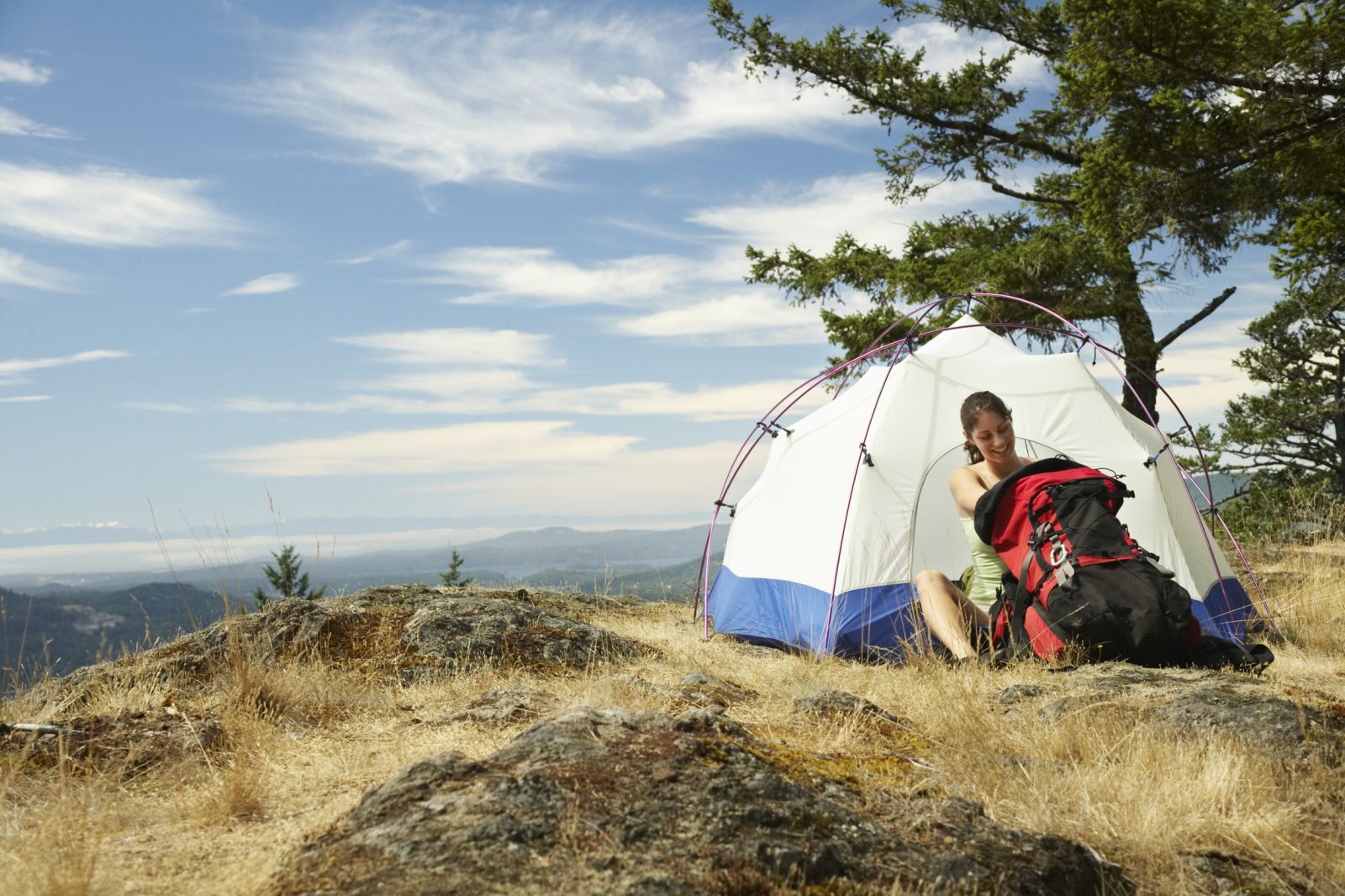
Wilderness therapy is a specialized residential treatment approach that combines therapeutic intervention with outdoor expeditions to address behavioral and mental health challenges, primarily in adolescents and young adults. This evidence-based modality, also known as outdoor behavioral healthcare (OBH), integrates licensed clinical services with wilderness experiences to promote personal growth, emotional healing, and behavioral change.
Recent research demonstrates the effectiveness of wilderness therapy in treating various mental health conditions, with pooled analyses yielding large, positive, and significant effects of 0.832 and 1.054 for self-reported and caregiver-reported delinquency outcomes respectively. As the field continues to evolve, understanding the evidence base, safety protocols, and regulatory frameworks becomes essential for families and professionals considering this treatment option.
Table of Contents
- What is Wilderness Therapy?
- History and Development
- How Wilderness Therapy Works
- Core Components and Techniques
- Wilderness vs. Adventure Therapy
- Evidence of Effectiveness
- Choosing a Wilderness Therapy Program
- Safety and Regulatory Standards
- Controversies and Limitations
- Frequently Asked Questions
- Find a Therapist
What is Wilderness Therapy?
Wilderness therapy represents a distinct form of mental health treatment that combines outdoor travel and living with licensed clinical services for youth experiencing mental health, substance use, and behavioral concerns. Unlike traditional therapy settings, wilderness programs immerse participants in natural environments where they engage in primitive living skills, group dynamics, and therapeutic interventions.
The approach differs from recreational outdoor programs in several key ways. Wilderness therapy programs employ mental health professionals who use treatment models like cognitive behavioral therapy (CBT) and/or family therapy to guide individual or group therapy sessions at least once a week, often creating treatment plans, monitoring participants' progress, and developing aftercare plans. This clinical oversight distinguishes wilderness therapy from adventure-based recreation or boot camp models.
History and Development
The therapeutic use of nature has roots extending back to the early 1900s. In 1901, forty psychiatric patients at Manhattan State Hospital who had developed tuberculosis were relocated outdoors, where they showed remarkable improvements in both physical and mental health. Similarly, following the 1906 San Francisco earthquake, residents of the damaged Agnew Asylum who were moved outdoors displayed immediate improvements, including marked reductions in violent behavior.
The modern wilderness therapy movement gained momentum in 1961 when German educator Kurt Hahn founded Outward Bound, an outdoor education program emphasizing self-discovery through challenging wilderness expeditions. By the early 1970s, Outward Bound had gained recognition as an alternative treatment strategy for adolescents with maladaptive behaviors, inspiring numerous other wilderness experience programs throughout the 1970s and 1980s.
In 1996, five wilderness treatment programs formed the Outdoor Behavioral Healthcare (OBH) Council to share best practices and conduct research on program outcomes. The term "Outdoor Behavioral Healthcare" was adopted to better align wilderness programs with the broader behavioral health field. Today, the OBH Council has expanded to include programs throughout the United States, establishing membership requirements and standards to distinguish evidence-based programs from less rigorous alternatives.
How Wilderness Therapy Works
The therapeutic power of wilderness therapy lies in its multifaceted approach to treatment. Participants engage in a carefully structured program that combines several key elements:
Therapeutic Milieu: The wilderness environment provides a secure, non-judgmental setting removed from negative influences and familiar triggers. This setting creates opportunities for authentic self-discovery and behavioral change that may be difficult to achieve in traditional settings.
Experiential Learning: Through activities like fire-starting, shelter-building, navigation, and group problem-solving, participants develop practical skills while metaphorically working through personal challenges. These concrete experiences provide immediate feedback and natural consequences that reinforce therapeutic lessons.
Group Dynamics: Participants often must forge alliances with other youth for self-preservation or task completion, developing self-confidence, communication skills, cooperative skills, and trust in the process.
Clinical Integration: Licensed therapists conduct individual and group therapy sessions, utilizing evidence-based approaches adapted for the outdoor setting. Recent data from 6,417 adolescents in 16 U.S. wilderness therapy programs showed overall symptom improvement, with adolescents presenting severe symptoms at admission experiencing the most benefit—78% demonstrating reliable improvement.
Core Components and Techniques
Modern wilderness therapy programs incorporate several evidence-based components:
1. Assessment and Individualized Treatment Planning
Programs begin with comprehensive assessments to identify each participant's unique needs, strengths, and treatment goals. This individualized approach ensures interventions target specific clinical concerns.
2. Therapeutic Activities
- Primitive Skills Training: Teaching fire-making, shelter construction, and outdoor cooking to build self-efficacy
- Solo Experiences: Structured time for reflection and self-examination (approximately 20% of programs include this component)
- Adventure Challenges: Rock climbing, hiking, and navigation exercises that promote problem-solving and resilience
- Group Initiatives: Team-building exercises that mirror family and social dynamics
3. Clinical Services
Well-established programs employ mental health professionals who use treatment models like cognitive behavioral therapy (CBT) and/or family therapy to guide individual or group therapy sessions at least once a week. Therapists often create treatment plans, monitor participants' progress, and create aftercare plans to help individuals transition out of the program.
4. Family Involvement
Many programs incorporate family therapy components, recognizing that sustainable change often requires shifts in family dynamics and communication patterns.
Wilderness vs. Adventure Therapy
While often confused, wilderness therapy and adventure therapy represent distinct approaches:
Wilderness Therapy emphasizes:
- Extended immersion in wilderness settings (typically 6-12 weeks)
- Primitive living skills as therapeutic tools
- Residential treatment model with 24/7 supervision
- Licensed clinical staff providing regular therapy
Adventure Therapy features:
- Shorter-duration experiences (hours to days)
- High-adventure activities (ropes courses, rock climbing)
- Emphasis on perceived risk as a change agent
- May occur in non-wilderness settings
Nature's Role in Outdoor Therapies research identified five self-identified approaches: nature-based therapies, forest therapy, horticultural therapy, wilderness therapy, and adventure therapy, each with distinct characteristics and applications.
Evidence of Effectiveness
The research base for wilderness therapy has grown substantially in recent years, with multiple systematic reviews and meta-analyses demonstrating positive outcomes:
Mental Health Outcomes
A 2016 study found that the overall short-term standardized mean effect size was small, positive, and statistically significant (0.26), with moderate, statistically significant improvements in psychological resilience and social self-esteem. These changes were retained at the three-month follow-up, indicating that wilderness therapy is as effective as traditional psychotherapy techniques for clinically symptomatic people.
Behavioral Outcomes
A 2022 meta-analysis examining wilderness therapy's effects on delinquent behaviors found large, positive, and significant effects of 0.832 for self-reported delinquency and 1.054 for caregiver-reported delinquency, suggesting substantial improvements in behavioral functioning.
Long-term Impact
Research comparing adolescent outcomes in outpatient treatment and wilderness therapy showed that both groups improved clinically and statistically. Notably, those who participated in wilderness therapy and returned home after treatment showed greater improvement one year post-treatment compared to adolescents who received outpatient treatment only.
Clinical Severity and Outcomes
Recent analysis of 6,417 adolescents revealed that those with severe symptoms at admission experienced the most benefit (78% reliable improvement), while youth admitted with subclinical symptoms showed significantly poorer outcomes, including 40% with no reliable change and 21% experiencing reliable deterioration.
Choosing a Wilderness Therapy Program
Selecting an appropriate wilderness therapy program requires careful consideration of multiple factors:
Essential Criteria
1. State Licensure: Wilderness therapy programs must be licensed by the state where the program will be operating. The applicant shall provide documentation that all state requirements are met and that it is in good standing before receiving permits.
2. Clinical Staffing: Ensure the program employs licensed mental health professionals (psychologists, social workers, counselors) who provide regular individual and group therapy.
3. Safety Protocols: Look for programs accredited by the Outdoor Behavioral Healthcare Council or similar organizations with established safety standards.
4. Treatment Philosophy: Verify the program uses evidence-based therapeutic approaches appropriate for your child's specific needs.
5. Family Involvement: Quality programs include family therapy components and maintain regular communication with parents/caregivers.
Red Flags to Avoid
- Programs that lack proper state licensing or regulatory oversight
- Facilities that restrict communication between participants and families
- Programs using punitive or confrontational approaches
- Lack of qualified mental health professionals on staff
- No clear admission criteria or discharge planning
Questions to Ask Programs
- What are your staff-to-participant ratios?
- How often do participants receive individual therapy?
- What safety certifications do your field staff hold?
- How do you handle medical emergencies?
- What outcome data can you share about program effectiveness?
- How do you involve families in the treatment process?
Safety and Regulatory Standards
The wilderness therapy field has evolved significantly in terms of safety protocols and regulatory oversight:
Current Regulatory Landscape
While a few states regulate wilderness therapy programs, there's no federal law or central licensing program to oversee them. However, recent developments show progress toward improved oversight:
1. Stop Institutional Child Abuse Act (2024): This federal legislation establishes data-collection and reporting standards for youth residential programs, including wilderness therapy.
2. State-Level Regulations: States like Utah, Oregon, and North Carolina have implemented specific licensing requirements for wilderness therapy programs.
3. Industry Standards: The Outdoor Behavioral Healthcare Council has established accreditation processes including ethical, risk management, and treatment standards.
Safety Statistics
Data collected from wilderness programs show that students enrolled in therapeutic wilderness programs were three times less likely to go to a medical emergency room than adolescents living at home. Further, teenagers were 140 times more likely to be injured playing high school football than participating in a wilderness program.
Required Safety Protocols
Quality programs should maintain:
- 24/7 supervision by trained staff
- Emergency medical protocols and evacuation plans
- Regular safety audits and risk assessments
- Appropriate staff-to-participant ratios
- Background checks for all staff
- Comprehensive insurance coverage
Controversies and Limitations
Despite positive research outcomes, wilderness therapy faces several important challenges:
Regulatory Concerns
The lack of federal oversight allows many program owners to relocate, rename, and reopen programs elsewhere if forced to shut down in a different state, and while a few states have enacted statutes in response to tragedies, most states have not implemented comprehensive regulations.
Cost and Accessibility
Wilderness therapy programs can be expensive, with some costing $500-$700 per day and treatment lasting 6-12 weeks. This high cost limits access for many families who might benefit from the approach.
Clinical Appropriateness
One-third of youth entered wilderness therapy with subclinical scores, and identifying those not responding to wilderness therapy and those at risk of deterioration from the time of admission requires further investigation to improve client outcomes.
Population Limitations
Wilderness therapy may not be appropriate for:
- Individuals with severe physical disabilities
- Those experiencing acute psychosis or severe psychiatric conditions
- Young children or elderly individuals
- Those with certain medical conditions requiring constant monitoring
Frequently Asked Questions
What is the typical length of a wilderness therapy program?
Most wilderness therapy programs last between 6-12 weeks, though some may extend longer based on individual needs and progress. The extended duration allows for deep therapeutic work and sustainable behavioral change.
Is wilderness therapy covered by insurance?
Insurance coverage varies significantly by provider and plan. Some insurance companies cover wilderness therapy as a form of residential treatment, while others do not. Contact your insurance provider to understand your specific coverage and any pre-authorization requirements.
What happens after wilderness therapy ends?
Quality programs develop comprehensive aftercare plans before discharge. This may include transitioning to a therapeutic boarding school, returning home with outpatient therapy support, or stepping down to a less intensive residential program. Research shows that adolescents who participated in wilderness therapy showed greater improvement one year post-treatment compared to those who received only outpatient treatment.
How do I know if wilderness therapy is right for my child?
Wilderness therapy may be appropriate for adolescents struggling with behavioral issues, substance use, depression, anxiety, or family conflict who haven't responded to traditional outpatient treatment. A comprehensive assessment by a mental health professional can help determine if wilderness therapy matches your child's needs.
Are wilderness therapy programs safe?
Data shows that despite inherent risks in outdoor activities, accredited wilderness therapy programs are actually quite safe, with students three times less likely to visit an emergency room than adolescents living at home. However, it's crucial to choose programs with proper licensing, accreditation, and safety protocols.
What's the difference between wilderness therapy and boot camps?
Wilderness therapy programs employ licensed mental health professionals and use evidence-based therapeutic interventions in outdoor settings. Boot camps typically focus on discipline and physical challenges without clinical treatment components. The American Academy of Child and Adolescent Psychiatry notes that boot camps frequently do not provide the range or intensity of clinical services that meet the definition of therapeutic treatment.
How Therapy Can Help / Find a Therapist
If you're considering wilderness therapy for yourself or a loved one, consulting with a qualified mental health professional can help determine if this approach aligns with your specific needs and circumstances. A therapist experienced in adolescent treatment can provide assessment, recommendations, and support throughout the decision-making process.
The GoodTherapy directory can connect you with licensed therapists in your area who specialize in adolescent mental health, family therapy, and alternative treatment approaches. Many therapists can provide evaluations to determine appropriate levels of care and help families navigate treatment options.
For immediate support or crisis intervention, contact:
- National Suicide Prevention Lifeline: 988
- Crisis Text Line: Text HOME to 741741
- SAMHSA National Helpline: 1-800-662-4357
References:
- American Academy of Child and Adolescent Psychiatry (AACAP). (2010). Principles of care for treatment of children and adolescents with mental illnesses in residential treatment centers. Washington, DC: Author.
- Beck, N., & Wong, J. S. (2022). A meta-analysis of the effects of wilderness therapy on delinquent behaviors among youth. Criminal Justice and Behavior, 49(5), 700-716. https://doi.org/10.1177/00938548221078002
- Bettmann, J. E., Gillis, H. L., Speelman, E. A., Parry, K. J., & Case, J. M. (2016). A meta-analysis of wilderness therapy outcomes for private pay clients. Journal of Child and Family Studies, 25(9), 2659–2673. https://doi.org/10.1007/s10826-016-0439-0
- Bettmann, J. E., Martinez-Gutierrez, N., Esrig, R., Blumenthal, E., & Mills, L. (2023). Who declines and who improves in wilderness therapy. Child & Youth Care Forum. Advanced Online Publication. https://doi.org/10.1007/s00566-023-09748-7
- Biden, J. R. (2024). Stop Institutional Child Abuse Act. Public Law No. 118-XXX. United States Congress.
- Bureau of Land Management. (2008). Health and safety of participants attending wilderness therapy programs or residential treatment programs for troubled youth on public lands. Instruction Memorandum 2008-141. Washington, DC: Author.
- DeMille, S., Tucker, A. R., Gass, M. A., Javorski, S., VanKanegan, C., Talbot, B., & Karoff, M. (2018). The effectiveness of Outdoor Behavioral Healthcare with struggling adolescents: A comparison group study. Children and Youth Services Review, 88, 241-248. https://doi.org/10.1016/j.childyouth.2018.03.015
- Harper, N. J., Dobud, W. W., & Magnuson, D. (2024). Adolescent wilderness therapy: The relationship of client outcomes to reasons for referral, motivation for change, and clinical measures. Youth, 4(1), 382-394. https://doi.org/10.3390/youth4010027
- Harper, N. J., Fernee, C. R., & Gabrielsen, L. E. (2021). Nature's role in outdoor therapies: An umbrella review. International Journal of Environmental Research and Public Health, 18(10), 5117. https://doi.org/10.3390/ijerph18105117
- Johnson, E. G., Davis, E. B., Johnson, J., Pressley, J. D., Sawyer, S., & Spinazzola, J. (2020). The effectiveness of trauma-informed wilderness therapy with adolescents: A pilot study. Psychological Trauma: Theory, Research, Practice, and Policy, 12(8), 878–887. https://doi.org/10.1037/tra0000595
- Jong, M. C., Dahlqvist, H., Lown, E. A., Schats, W., Beckman, L., & Jong, M. (2023). A randomized controlled pilot study assessing feasibility and safety of a wilderness program for childhood, adolescent, and young adult cancer survivors: The WAYA study. BMC Public Health, 23(1), 1504. https://doi.org/10.1186/s12889-023-16408-x
- Lown, E. A., Otto, H. R., Norton, C. L., Jong, M. C., & Jong, M. (2023). Program evaluation of a wilderness experience for adolescents facing cancer: A time in nature to heal, connect and find strength. PLoS ONE, 18(10), e0291856. https://doi.org/10.1371/journal.pone.0291856
- Muir, D., Orlando, C., & Newton, B. (2024). PROTOCOL: The effectiveness of wilderness therapy and adventure learning in reducing anti-social and offending behaviour in children and young people at risk of offending. Campbell Systematic Reviews, 20(2), e1406. https://doi.org/10.1002/cl2.1406
- National Institute of Mental Health. (2024). NIMH FY 2024 Congressional Budget. Retrieved from https://www.nimh.nih.gov/sites/default/files/documents/about/budget/nimh_fy_2024_cj_0.pdf
- Neill, J. T., & Crisp, S. (2016). Wilderness adventure therapy effects on the mental health of youth participants. Evaluation and Program Planning, 58, 49-59. https://doi.org/10.1016/j.evalprogplan.2016.05.005
- Overbey, T. A., Diekmann, F., & Lekies, K. S. (2023). Nature-based interventions for vulnerable youth: A scoping review. International Journal of Environmental Health Research, 33(1), 15-53. https://doi.org/10.1080/09603123.2022.2136088
- Roberts, S. D., Stroud, D., Hoag, M. J., & Massey, K. E. (2017). Outdoor behavioral health care: A longitudinal assessment of young adult outcomes. Journal of Counseling & Development, 95(1), 45-55. https://doi.org/10.1002/jcad.12116
- Rodríguez-Redondo, Y., Denche-Zamorano, A., Muñoz-Bermejo, L., Rojo-Ramos, J., Adsuar, J. C., Castillo-Paredes, A., Vega-Muñoz, A., & Barrios-Fernandez, S. (2023). Bibliometric analysis of nature-based therapy research. Healthcare, 11(9), 1249. https://doi.org/10.3390/healthcare11091249
- Struthers, N. A., Guluzade, N. A., Zecevic, A. A., Walton, D. M., & Gunz, A. (2024). Nature-based interventions for physical health conditions: A systematic review and meta-analysis. Environmental Research, 258, 119421. https://doi.org/10.1016/j.envres.2024.119421
- Tucker, A. R., DeMille, S., Newman, T., Polachi Atanasova, C., Bryan, P., Keefe, M., & Smitherman, L. (2023). How adolescents view the role of the wilderness in wilderness therapy: "I am in the middle of nowhere and that is okay". Children and Youth Services Review, 153, 107045. https://doi.org/10.1016/j.childyouth.2023.107045
- US Department of Health and Human Services. (2014). SAMHSA's concept of trauma and guidance for a trauma-informed approach. Retrieved from https://ncsacw.acf.hhs.gov/userfiles/files/SAMHSA_Trauma.pdf
- Washington State Institute for Public Policy. (2022). Wilderness therapy programs: A systematic review of research. Olympia, WA: Author.
