
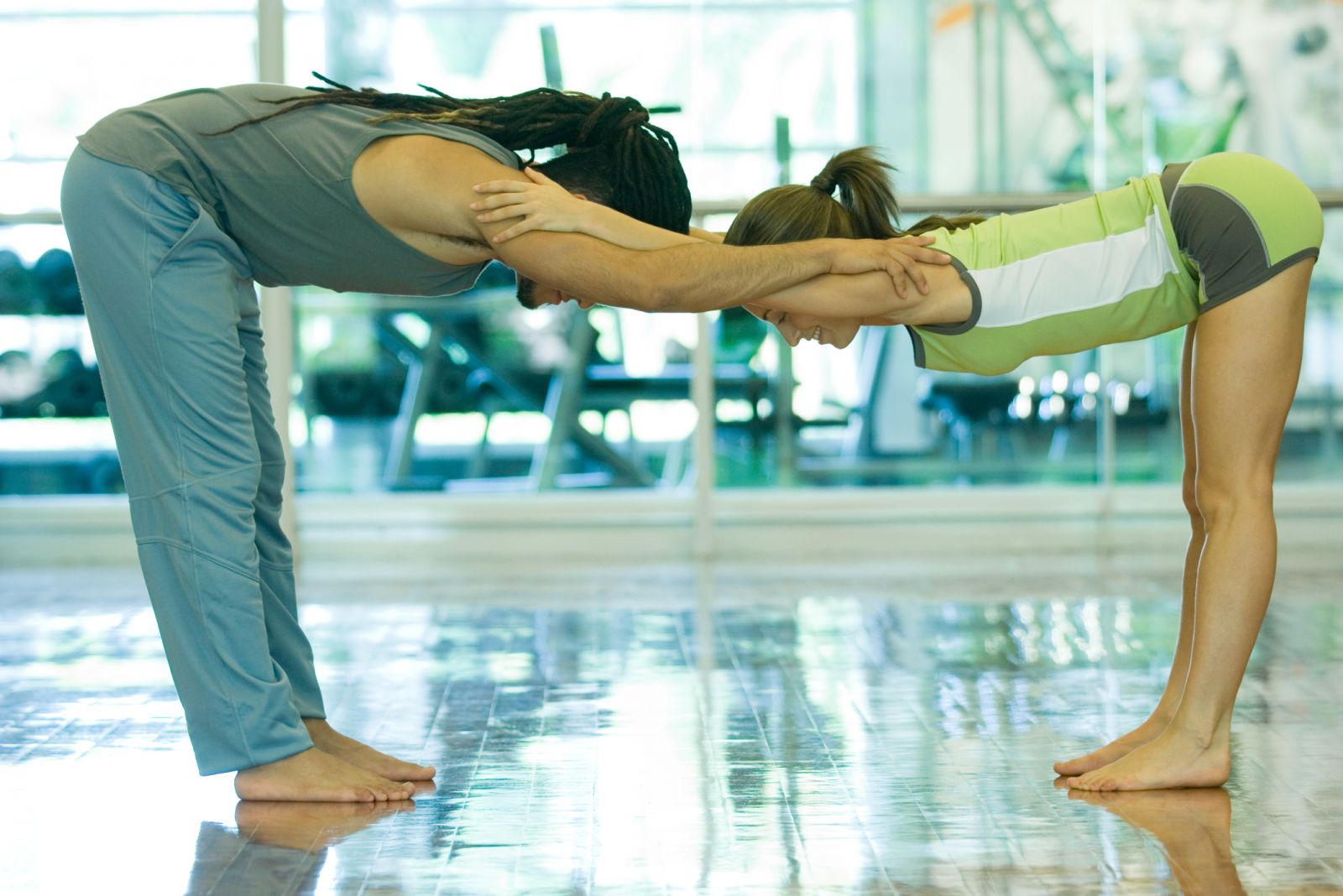
InterPlay® is a body-based creative practice that combines movement, storytelling, voice, and stillness to enhance well-being and foster community connection. Developed by Cynthia Winton-Henry and Phil Porter in 1989, InterPlay uses improvisational play activities to help participants access what practitioners call "body wisdom" — the innate intelligence and knowledge held within our physical experience.
Unlike traditional talk therapy approaches, InterPlay engages participants through playful, embodied activities designed to unlock creativity, reduce stress, and promote emotional resilience. This practice has spread internationally and is now offered in community centers, wellness facilities, schools, and therapeutic settings across the globe.
Table of Contents
- What Is InterPlay?
- How InterPlay Works
- Core Components and Techniques
- The Science Behind Body-Based Practices
- Benefits and Applications
- Who Can Benefit from InterPlay?
- Finding an InterPlay Practitioner
- Frequently Asked Questions
- References
What Is InterPlay?
InterPlay is an active, creative practice that helps people rediscover the wisdom of play through body-based activities. The practice operates on the principle that modern life often disconnects us from our bodies and natural creativity. Through structured improvisational activities, InterPlay aims to reintegrate body, mind, heart, and spirit.
The philosophy behind InterPlay suggests that as we mature and conform to societal expectations, we often suppress our natural playfulness and bodily awareness. While learning to "sit still" and follow rules serves important developmental purposes, InterPlay founders believe this socialization process can also diminish our access to valuable inner resources and creative problem-solving abilities.
The InterPlay Approach
InterPlay differs from traditional therapeutic modalities in several key ways:
- Body-centered: Activities focus on physical movement and embodied experience
- Community-oriented: Often practiced in groups to foster connection
- Non-competitive: Emphasizes personal expression over performance
- Accessible: Designed for all skill levels and physical abilities
- Playful: Uses fun and spontaneity as vehicles for growth
How InterPlay Works
InterPlay sessions typically begin with a warm-up to help participants become present in their bodies. A Certified InterPlay Leader (CL) then guides participants through a series of "forms" — structured activities that incorporate movement, voice, storytelling, and stillness.
The InterPlay Process
1. Warm-up: Simple movements to activate body awareness
2. Forms introduction: Leader demonstrates basic InterPlay structures
3. Exploration: Participants engage in guided improvisational activities
4. Integration: Time for reflection and sharing experiences
5. Affirmation: Celebration of discoveries and community connection
Sessions can occur in various formats:
- Weekly classes
- Weekend workshops
- Retreats
- One-on-one sessions
- Online gatherings
- Performance events
Core Components and Techniques
InterPlay incorporates several key elements that work together to promote wellness and creativity:
Movement
Participants explore free-form movement, from simple gestures to full-body expression. Activities might include:
- Hand dances: Moving just the hands to music
- Walking variations: Exploring different qualities of movement
- Contact and solo work: Dancing alone or with gentle partner interaction
- Shape and gesture: Creating physical forms to express feelings or ideas
Storytelling
Verbal and physical storytelling helps participants:
- Share personal experiences in supportive environments
- Practice spontaneous narrative creation
- Combine movement with spoken word
- Develop confidence in self-expression
Voice and Sound
Vocal activities range from:
- Simple toning and humming
- Spontaneous singing
- Sound effects and vocal play
- Group harmonizing
Stillness
Moments of quiet and reflection allow for:
- Integration of experiences
- Body scanning and awareness
- Mindful presence
- Rest and renewal
The Science Behind Body-Based Practices
Recent research has validated many of the principles underlying InterPlay and similar body-based approaches:
Embodied Cognition
Current research in stress physiology and somatic interventions suggests that paying attention to and influencing physical and sensory experience directly influences sensory processing systems. This aligns with InterPlay's focus on accessing wisdom through bodily experience.
Interoceptive Awareness
A 2024 integrative review found that mind-body interventions that build interoceptive ability directly improve emotional regulation capacity. When you can detect a stress response early — before it escalates into full anxiety or anger — you gain a critical window to choose your response rather than react automatically.
Creative Arts and Mental Health
Research and clinical evidence have demonstrated the profound impacts of creative arts therapies on individuals' physical, emotional, cognitive, and social wellness. Creative arts therapies have been successfully utilized across the lifespan and the wide spectrum from clinic to community.
Play Therapy Effectiveness
While InterPlay is not traditional play therapy, research on play-based interventions provides relevant context. A meta-analysis of 93 controlled outcome studies (published 1953–2000) was conducted to assess the overall efficacy of play therapy. The overall treatment effect for play therapy interventions was 0.80 standard deviations, indicating a large effect size.
Benefits and Applications
InterPlay practitioners and participants report numerous benefits, though more specific research on InterPlay itself is needed:
Mental Health and Emotional Well-being
- Stress reduction: Through interoceptive awareness, individuals can develop greater awareness of the multi-sensory triggers to intervene with sensory awareness, helping them return to a more balanced state, a resilient zone
- Anxiety management: Body-based practices help recognize and interrupt anxiety patterns
- Mood enhancement: Playful activities naturally elevate mood and energy
- Emotional regulation: Movement and creative expression support emotional processing
Physical Health
- Body awareness: Increased sensitivity to physical needs and boundaries
- Movement variety: Gentle, adaptable exercises suitable for all abilities
- Stress-related symptom relief: Reduction in physical tension and pain
- Energy and vitality: Renewed sense of aliveness and physical well-being
Social and Relational Benefits
- Community connection: Group activities foster belonging and support
- Communication skills: Practice in verbal and non-verbal expression
- Empathy development: Witnessing others' creative expression builds understanding
- Relationship enhancement: Playful interaction improves social bonds
Creative and Spiritual Growth
- Creative confidence: Regular practice reduces creative blocks
- Spiritual connection: Integration of body, mind, heart, and spirit
- Personal insight: Embodied activities reveal inner wisdom
- Joy and playfulness: Reclaiming the right to play and have fun
Who Can Benefit from InterPlay?
InterPlay is designed to be inclusive and accessible to diverse populations:
General Population
- Adults seeking stress relief and creative outlets
- Seniors looking for gentle, social physical activity
- Parents and families wanting to play together
- Professionals needing work-life balance
Specific Populations
- Healthcare workers: For preventing burnout and compassion fatigue
- Educators: To maintain energy and creativity in teaching
- Artists: To overcome creative blocks and find inspiration
- Caregivers: For self-care and stress management
- Therapy clients: As a complement to traditional counseling
Adaptations for Special Needs
InterPlay leaders often adapt activities for:
- People with physical disabilities or mobility limitations
- Individuals with chronic pain or illness
- Those recovering from trauma (with appropriate support)
- Neurodiverse participants
Finding an InterPlay Practitioner
To experience InterPlay:
1. Visit InterPlay International: The official website (interplay.org) offers a directory of Certified InterPlay Leaders worldwide
2. Look for local offerings:
- Community centers
- Dance studios
- Wellness centers
- Places of worship
- University campuses
1. Consider online options: Many leaders now offer virtual InterPlay sessions
2. Check credentials: Certified InterPlay Leaders have completed extensive training through InterPlay International
3. Try a sample class: Many communities offer introductory workshops or drop-in classes
Frequently Asked Questions
Do I need dance or performance experience?
No. InterPlay is designed for people of all skill levels. There's no right or wrong way to participate, and activities are adapted to individual comfort and ability levels.
Is InterPlay a form of therapy?
While InterPlay can be therapeutic and is sometimes used in therapeutic settings, it is primarily a wellness practice rather than psychotherapy. Some mental health professionals incorporate InterPlay techniques into their therapeutic work.
How is InterPlay different from dance/movement therapy?
Dance/movement therapy is a form of psychotherapy that integrates expressive arts practices with psychotherapeutic principles. These therapies encompass a range of disciplines, including music therapy, art therapy, dance/movement therapy, drama therapy, and writing therapy. InterPlay, while sharing some similarities, is primarily a community practice focused on wellness and creativity rather than clinical treatment.
Can children participate in InterPlay?
Yes, InterPlay can be adapted for children and families. Some leaders specialize in InterPlay for young people, using age-appropriate activities that support development through creative play.
What should I wear to an InterPlay session?
Comfortable clothing that allows for movement is recommended. Most InterPlay happens in regular clothes — no special dance attire needed. Some sessions may invite participants to remove shoes for comfort.
How often should I practice InterPlay?
This varies by individual preference and goals. Some people attend weekly classes, others participate in occasional workshops. Regular practice tends to deepen the benefits, but even single sessions can be valuable.
How Therapy Can Help
For those dealing with stress, anxiety, depression, or other mental health concerns, integrating body-based practices like InterPlay with professional therapy can be particularly powerful. A burgeoning research literature examines psychotherapy microprocesses, aiming to bridge psychotherapy research with clinical practice. Pre-registered systematic reviews have examined observational psychotherapy microprocesses, extracting constructs across categories including affective/emotional, behavioral, cognitive, relational/interpersonal, linguistic, and movement.
Many therapists now recognize the importance of incorporating body awareness and creative expression into treatment. If you're interested in exploring how InterPlay or similar practices might complement your mental health journey, consider discussing this with a qualified therapist.
Find a Therapist: Browse our directory to connect with mental health professionals who integrate creative and body-based approaches into their practice. Search for therapists experienced in expressive arts, somatic therapy, or holistic wellness approaches.
References:
- American Art Therapy Association (AATA). (2023). About art therapy. https://arttherapy.org/about-art-therapy/
- American Dance Therapy Association (ADTA). (2024). What is dance/movement therapy? https://www.adta.org/
- Bally, J. M. G., Burles, M., Spurr, S., & McGrath, J. (2023). Exploring the use of arts-based interventions and research methods in families of seriously ill children: A scoping review. Journal of Family Nursing, 29(4), 395–416. https://doi.org/10.1177/10748407231176062
- Bone, J. K., Bu, F., Sonke, J. K., & Fancourt, D. (2022). Longitudinal associations between arts engagement and flourishing in young adults: A fixed effects analysis of the panel study of income dynamics. Affective Science, 4, 1–12. https://doi.org/10.1007/s42761-022-00132-7
- Bratton, S. C., Ray, D., Rhine, T., & Jones, L. (2005). The efficacy of play therapy with children: A meta-analytic review of treatment outcomes. Professional Psychology: Research and Practice, 36(4), 376–390. https://doi.org/10.1037/0735-7028.36.4.376
- Centers for Disease Control and Prevention (CDC). (2023). Mental health in children. https://www.cdc.gov/childrensmentalhealth/index.html
- Chen, J., Li, S., & Yang, H. (2022). The effectiveness of dance/movement therapy on depression: A systematic review and meta-analysis. Arts in Psychotherapy, 76, 101851. https://doi.org/10.1016/j.aip.2021.101851
- de Witte, M., Orkibi, H., Zarate, R., Karkou, V., Sajnani, N., Malhotra, B., Ho, R. T. H., Kaimal, G., Baker, F. A., & Koch, S. C. (2021). From therapeutic factors to mechanisms of change in the creative arts therapies: A scoping review. Frontiers in Psychology, 12, 678397. https://doi.org/10.3389/fpsyg.2021.678397
- Drisko, J., Corvino, P., Kelly, L., & Nielson, J. (2020). Is individual child play therapy effective? Research on Social Work Practice, 30(7), 715–723. https://doi.org/10.1177/1049731519854157
- Forster, C. (2007). Your own body of wisdom: Recognizing and working with somatic countertransference with dissociative and traumatized patients. Body, Movement and Dance in Psychotherapy, 2(2), 123–133. https://doi.org/10.1080/17432970701374510
- Golden, T. L., Ordway, R. W., & Magsamen, S. (2024). Supporting youth mental health with arts-based strategies: A global perspective. BMC Medicine, 22, 7. https://doi.org/10.1186/s12916-023-03226-6
- Grebosz-Haring, K., Thun-Hohenstein, L., & Schuchter-Wiegand, A. K. (2023). The need for robust critique of arts and health research: Dance-movement therapy, girls, and depression. Annals of the New York Academy of Sciences, 1525(1), 128–139. https://doi.org/10.1111/nyas.15006
- Iguina, M. M., & Kashan, S. (2023). Art therapy. In StatPearls. StatPearls Publishing. https://www.ncbi.nlm.nih.gov/books/NBK549771/
- InterPlay International. (2024). What is InterPlay? https://www.interplay.org
- Kaimal, G., Ayaz, H., Herres, J., Dieterich-Hartwell, R., Makwana, B., Kaiser, D. H., & Nasser, J. A. (2017). Functional near-infrared spectroscopy assessment of reward perception based on visual self-expression: Coloring, doodling, and free drawing. The Arts in Psychotherapy, 55, 85–92. https://doi.org/10.1016/j.aip.2017.05.004
- LeFeber, M., Kawano, T., & Blanc, V. (2024). Embodiment in online education: Promising practices. Body, Movement and Dance in Psychotherapy, 19(2), 174–191. https://doi.org/10.1080/17432979.2023.2255245
- Miller-Graff, L. E., & Campion, K. (2024). The body can balance the score: Using a somatic self-care intervention to support well-being and promote healing. Healthcare, 13(11), 1258. https://doi.org/10.3390/healthcare13111258
- National Center for Complementary and Integrative Health (NCCIH). (2024). Updates on arts-based interventions and integrative health. https://www.nccih.nih.gov/research/blog/updates-on-arts-based-interventions-and-integrative-health
- National Institute of Mental Health (NIMH). (2023). Child and adolescent mental health. https://www.nimh.nih.gov/health/topics/child-and-adolescent-mental-health
- Parker, M. M., Hergenrather, K., Smelser, Q., & Kelly, C. T. (2021). Exploring child-centered play therapy and trauma: A systematic review of literature. International Journal of Play Therapy, 30(1), 2–13. https://doi.org/10.1037/pla0000136
- Porges, S. W. (2023). The polyvagal theory: Neurophysiological foundations of emotions, attachment, communication, and self-regulation (Rev. ed.). W. W. Norton & Company.
- Porter, P., & Winton-Henry, C. (2024). InterPlay: The practice and philosophy. InterPlay International Publications.
- Price, C. J., & Weng, H. Y. (2021). Facilitating adaptive emotion processing and somatic reappraisal via sustained mindful interoceptive attention. Frontiers in Psychology, 12, 578827. https://doi.org/10.3389/fpsyg.2021.578827
- Ray, D. C., Armstrong, S. A., Balkin, R. S., & Jayne, K. M. (2015). Child-centered play therapy in the schools: Review and meta-analysis. Psychology in the Schools, 52(2), 107–123. https://doi.org/10.1002/pits.21798
- Ray, D. C., Burgin, E., Gutierrez, D., Ceballos, P., & Lindo, N. (2022). Child-centered play therapy for children experiencing adverse childhood experiences: A randomized controlled trial. Journal of Counseling & Development, 100(4), 354–365. https://doi.org/10.1002/jcad.12432
- Ritter, M., & Low, K. G. (2024). Effects of dance/movement therapy: A meta-analysis. The Arts in Psychotherapy, 85, 102110. https://doi.org/10.1016/j.aip.2023.102110
- Schmalzl, L., Crane-Godreau, M. A., & Payne, P. (2014). Movement-based embodied contemplative practices: Definitions and paradigms. Frontiers in Human Neuroscience, 8, 205. https://doi.org/10.3389/fnhum.2014.00205
- Substance Abuse and Mental Health Services Administration (SAMHSA). (2023). Creative arts therapies. https://www.samhsa.gov/
- Thomas, S., White, V., Ryan, N., & Kim, J. (2022). Effectiveness of play therapy in enhancing psychosocial outcomes in children with chronic illness: A systematic review. Journal of Pediatric Nursing, 63, e72–e81. https://doi.org/10.1016/j.pedn.2021.08.015
- Van der Kolk, B. A. (2014). The body keeps the score: Brain, mind, and body in the healing of trauma. Viking.
