
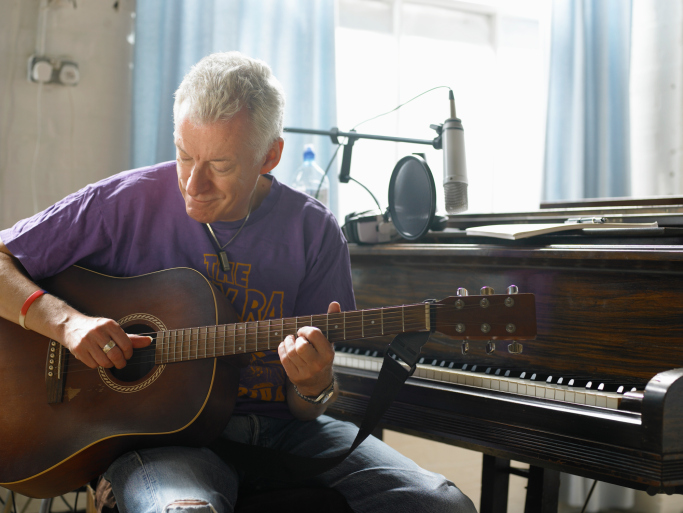
Music therapy is a powerful, evidence-based form of expressive arts therapy that harnesses the therapeutic properties of music to improve physical, psychological, and social well-being across the lifespan. This specialized healthcare profession involves the clinical use of music interventions—including listening, singing, playing instruments, and composing—facilitated by credentialed professionals to accomplish individualized treatment goals.
Unlike casual music listening, music therapy represents a systematic, goal-oriented process grounded in neuroscience research. Studies show that music engages multiple brain areas simultaneously, strengthening neural networks involved in sensory and motor processes, emotion, affect, and memory. This unique neurological impact makes music therapy particularly effective for addressing a wide range of conditions, from mental health concerns to neurological disorders.
Table of Contents
- What Is Music Therapy?
- History of Music Therapy
- How Music Therapy Works
- Types of Music Therapy Techniques
- Who Can Benefit from Music Therapy?
- Conditions Treated with Music Therapy
- What Happens in a Music Therapy Session
- Finding a Qualified Music Therapist
- Training and Certification Requirements
- Effectiveness and Research Evidence
- Limitations and Considerations
- Frequently Asked Questions
- How Therapy Can Help / Find a Therapist
What Is Music Therapy?
Music therapy is the clinical and evidence-based use of music interventions to accomplish individualized goals within a therapeutic relationship by a credentialed professional. The education of a music therapist is unique among healthcare programs because it integrates thorough musical training with clinical skills and self-examination.
Music therapy differs from music education or entertainment in several key ways:
- Clinical focus: Sessions target specific therapeutic goals based on assessment
- Evidence-based practice: Interventions are grounded in research and clinical expertise
- Individualized approach: Treatment is tailored to each person's needs, preferences, and abilities
- Therapeutic relationship: The music therapist-client relationship facilitates change
- No musical background required: Clients need no prior musical training or talent
Recent advances include techniques like rhythmic auditory stimulation (RAS) for movement disorders, which uses rhythm to facilitate movement and reduce freezing episodes in conditions like Parkinson's disease.
History of Music Therapy
The therapeutic use of music spans centuries across cultures, but modern music therapy emerged as a profession following both World Wars. When traveling musicians performed for hospitalized veterans, medical staff observed music's powerful effects on healing and recovery. This recognition led to the first academic programs and professional standards.
Key historical milestones include:
- 1944: Michigan State University established the first music therapy degree program
- 1950: Formation of the National Association for Music Therapy (NAMT)
- 1998: Creation of the American Music Therapy Association (AMTA) through merger
- 2020s: NIH develops the Music-Based Intervention Toolkit to standardize research and clinical practice for brain disorders of aging
How Music Therapy Works
Music therapy's effectiveness stems from music's unique ability to simultaneously engage multiple brain systems. Research shows that music and language share neural processing mechanisms, with music activating brain areas including Broca's area, Wernicke's area, and the mirror neuron system—crucial for communication, emotional understanding, and social learning.
Key Neurological Mechanisms:
1. Neuroplasticity Enhancement
Music stimulates neuroplasticity through activation of interrelated neural networks, promoting functional and structural brain changes
2. Dopamine Release
Listening to pleasurable music triggers dopamine release in reward system circuits, improving mood and motivation—particularly relevant for conditions like depression and Parkinson's disease
3. Rhythmic Entrainment
Rhythmic auditory stimulation helps synchronize movement patterns, improving gait and reducing freezing episodes in movement disorders
4. Emotional Regulation
Music therapy decreases cortisol levels, enhances neural plasticity, and provides self-regulation strategies, making it effective for anxiety and stress reduction
Types of Music Therapy Techniques
Music therapists employ diverse evidence-based techniques tailored to individual needs:
Active Techniques
- Improvisation: Creating spontaneous music to express emotions and develop communication
- Songwriting: Composing original songs or modifying existing ones to process experiences, reduce anxiety, and enhance emotional regulation
- Instrument playing: Using percussion, piano, or other instruments to improve motor skills and coordination
- Therapeutic singing: Vocal exercises to strengthen voice, improve breathing, and enhance mood
Receptive Techniques
- Music listening: Guided listening to evoke memories, reduce anxiety, or promote relaxation
- Lyric analysis: Discussing song meanings to explore feelings and experiences
- Music-assisted relaxation: Combining music with progressive muscle relaxation or imagery
- Vibroacoustic therapy: Using sound vibrations for pain management
Specialized Approaches
- Neurologic Music Therapy (NMT): Standardized techniques targeting cognitive, sensory, and motor dysfunction
- Rhythmic Auditory Stimulation (RAS): Evidence-based technique for gait rehabilitation in stroke and Parkinson's disease
- Melodic Intonation Therapy (MIT): Speech rehabilitation technique using melody and rhythm
Who Can Benefit from Music Therapy?
Music therapy serves individuals across the lifespan, from premature infants to older adults in hospice care. Research demonstrates that music interventions effectively reduce chronic pain and associated depressive symptoms, with greater benefits when clients choose the music.
Age Groups Served:
- Infants and children: NICU support, developmental delays, autism spectrum disorders
- Adolescents: Mental health treatment engagement, with emerging research showing music-based interventions improve treatment retention rates among youth who typically show high disengagement
- Adults: Mental health, medical conditions, rehabilitation
- Older adults: Cognitive function, with meta-analyses showing music therapy significantly improves global cognition, memory, and executive function
Conditions Treated with Music Therapy
Mental Health Conditions
Depression
Meta-analyses show moderate to large effect sizes favoring music therapy plus standard care over standard care alone for both clinician-rated and patient-reported depressive symptoms
Anxiety Disorders
Recent multilevel meta-analyses demonstrate medium effect sizes for self-reported anxiety reduction, with receptive and combined approaches showing larger effects than active interventions alone
Trauma and PTSD
Studies show 62% reduction in physiological stress markers during drumming interventions and significant improvements in emotional regulation following structured programs
Substance Use Disorders
Music therapy addresses both mental health and substance use conditions in integrated treatment approaches
Neurological Conditions
Autism Spectrum Disorder
Meta-analyses of 18 RCTs with 1,457 children demonstrate improvements in language communication and social skills
Parkinson's Disease
Evidence supports improvements in gait speed, stride length, motor function, balance, freezing of gait, walking speed, and mental health
Stroke Recovery
Music therapy aids rehabilitation through techniques like sonification of arm movements and melodic intonation therapy for speech recovery
Dementia and Alzheimer's
While evidence for some outcomes remains mixed, Cochrane reviews indicate benefits for behavioral symptoms, though more rigorous trials are needed
Medical Conditions
Cancer Care
The MELODY Trial demonstrated music therapy's non-inferiority to cognitive behavioral therapy for anxiety in cancer survivors, with benefits maintained at 4-month follow-up
Chronic Pain
Music interventions show effectiveness for pain associated with various conditions including cancer, fibromyalgia, and medical procedures
Cardiac Conditions
Studies demonstrate anxiety reduction in cardiac catheterization and coronary heart disease patients
What Happens in a Music Therapy Session
Music therapy sessions follow a systematic clinical process:
1. Assessment
The music therapist evaluates:
- Current functioning levels
- Musical preferences and cultural background
- Treatment goals and priorities
- Physical, cognitive, and emotional needs
2. Treatment Planning
Based on assessment, therapists prepare individualized treatment plans incorporating relevant information from other disciplines
3. Implementation
Sessions may include:
- Individual or group formats: Tailored to specific needs
- Active participation: Making music through singing, playing, or moving
- Receptive experiences: Listening and responding to music
- Verbal processing: Discussing thoughts and feelings evoked by music
4. Evaluation
Therapists continuously evaluate progress and modify interventions based on client response and goal achievement
Session Structure Example:
1. Opening (5 minutes): Greeting song or check-in
2. Warm-up (10 minutes): Breathing exercises with gentle music
3. Main intervention (20-30 minutes): Targeted therapeutic activities
4. Processing (10 minutes): Discussion of experiences
5. Closing (5 minutes): Relaxation or goodbye song
Finding a Qualified Music Therapist
Credentials to Look For:
- MT-BC (Music Therapist-Board Certified): National credential requiring bachelor's degree, 1200 hours clinical training, and passing the national certification exam
- State licensure: Some states require additional licensure (e.g., LPMT in Ohio)
- Specialized training: Additional certifications in specific approaches (NMT, NICU, hospice)
Where Music Therapists Work:
- Hospitals and medical centers
- Mental health facilities
- Schools and educational settings
- Rehabilitation centers
- Private practice
- Nursing homes and hospice programs
Training and Certification Requirements
Educational Requirements:
Entry-level education includes a bachelor's degree from an AMTA-approved program with coursework in three areas: Musical Foundations, Clinical Foundations, and Music Therapy Foundations, plus 1200 hours of clinical training including supervised internship
Certification Process:
1. Complete AMTA-approved degree program
2. Finish required clinical training hours
3. Pass the Certification Board for Music Therapists (CBMT) exam
4. Current national exam pass rate is 65% (2021 data)
5. Maintain certification through 100 continuing education credits every 5 years
Advanced Training:
- Master's degrees focus on advanced clinical practice and research
- Doctoral programs prepare researcher-practitioners- Equivalency programs available for those with music degrees seeking music therapy certification
Effectiveness and Research Evidence
Strong Evidence Base:
Depression Treatment
Music therapy provides short-term beneficial effects, reducing depressive symptoms and anxiety while improving daily functioning when added to standard care
Anxiety Reduction
Meta-analyses of 93 effect sizes from 51 studies confirm medium to large effects across diverse populations and settings
Cognitive Enhancement
Seven studies (337 participants) show improvements in neurodevelopment among pediatric populations, while older adult studies demonstrate benefits for memory and executive function
Quality of Life
Multiple studies report improved quality of life across conditions, from Parkinson's disease to cancer survivorship
Emerging Research Areas:
Telehealth Delivery
Remote music therapy shows effectiveness comparable to in-person treatment, improving accessibility
Precision Medicine Approaches
NIH initiatives promote standardized protocols while maintaining individualization
Mechanism Studies
Research increasingly focuses on understanding biological and psychological mechanisms underlying therapeutic effects
Limitations and Considerations
While music therapy demonstrates significant benefits, important limitations exist:
Clinical Considerations:
- Not a standalone treatment: Music therapy works best as a complement to medical and psychiatric care, not a replacement
- Individual variability: Not all music types benefit all individuals
- Specialized training required: Effective implementation requires qualified music therapists with specialized academic and clinical training
Research Limitations:
- Methodological challenges: Inability to blind participants affects quality ratings despite meaningful clinical benefits
- Heterogeneous protocols: Varied approaches complicate direct comparisons
- Duration of effects: Limited long-term follow-up data, with mixed results on whether benefits persist
Frequently Asked Questions
Do I need musical talent or training to benefit from music therapy?
No musical background is required. Music therapists adapt interventions to each person's abilities and preferences. The therapeutic relationship and process matter more than musical skill.
How is music therapy different from listening to music for relaxation?
Music therapy involves systematic assessment, treatment planning, and goal-directed interventions facilitated by a credentialed professional. While music listening can be relaxing, music therapy targets specific clinical outcomes through evidence-based techniques.
How long does music therapy treatment typically last?
Treatment duration varies by setting and goals. Research suggests optimal parameters may include 4-6 sessions for physiological improvements, with sessions of 20-30 minutes for anxiety and 2-4 weeks for mood enhancement.
Is music therapy covered by insurance?
Coverage varies by insurance plan and state regulations. Medicare covers music therapy for certain conditions, and some private insurers include it as a rehabilitative service. Check with your provider about specific coverage.
Can music therapy help with speech problems after stroke?
Yes. Techniques like melodic intonation therapy use melody and rhythm to help stroke survivors regain speech, with evidence showing improved fluency and word production.
What's the difference between music therapy and music medicine?
Music therapy involves a therapeutic relationship with a credentialed professional using personalized interventions. Music medicine typically refers to passive listening to pre-recorded music in medical settings without a therapist present.
How Therapy Can Help / Find a Therapist
Music therapy offers a unique, evidence-based approach to addressing physical, emotional, cognitive, and social needs. Whether you're managing a chronic condition, recovering from illness or injury, or seeking support for mental health concerns, a qualified music therapist can develop an individualized treatment plan tailored to your goals and preferences.
The non-verbal nature of music can facilitate expression when words feel inadequate, making it particularly valuable for those who find traditional talk therapy challenging. From reducing anxiety before medical procedures to improving communication skills in autism, music therapy's applications continue expanding as research reveals new therapeutic possibilities.
To find a qualified music therapist in your area, visit the American Music Therapy Association directory or contact your healthcare provider for referrals. Many therapists offer consultations to discuss how music therapy might benefit your specific situation.
References:
- Aalbers, S., Fusar-Poli, L., Freeman, R. E., Spreen, M., Ket, J. C., Vink, A. C., Maratos, A., Crawford, M., Chen, X. J., & Gold, C. (2017). Music therapy for depression. Cochrane Database of Systematic Reviews, 11, Article CD004517. https://doi.org/10.1002/14651858.CD004517.pub3
- American Music Therapy Association. (2024). Professional competencies for music therapists. https://www.musictherapy.org/about/competencies/
- American Music Therapy Association. (2024). Standards for education and clinical training. https://www.musictherapy.org/members/edctstan/
- Bradt, J. (2025). Music therapy for the treatment of anxiety: A systematic review with multilevel meta-analyses. eClinicalMedicine, 25, Article 00225-1. https://doi.org/10.1016/j.eclinm.2025.00225-1
- Brancatisano, O., Baird, A., & Thompson, W. F. (2020). Why is music therapeutic for neurological disorders? The Therapeutic Music Capacities Model. Neuroscience & Biobehavioral Reviews, 112, 600-615. https://doi.org/10.1016/j.neubiorev.2020.02.008
- Cassola, E. G., Santos, L. C., Ferreira, M. S. C., Barbosa, G. C., Betini, M., & Domingos, T. S. (2024). Systematic review of music therapy and musical interventions for patients with moderate and severe mental disorders. Journal of Integrative and Complementary Medicine, 30(9), 875-889. https://doi.org/10.1089/jicm.2023.0419
- Certification Board for Music Therapists. (2024). CBMT examination and certification requirements. https://www.cbmt.org
- De Witte, M., Spruit, A., van Hooren, S., Moonen, X., & Stams, G. J. (2020). Effects of music interventions on stress-related outcomes: A systematic review and two meta-analyses. Health Psychology Review, 14(2), 294-324. https://doi.org/10.1080/17437199.2019.1627897
- Edwards, E., St Hillaire-Clarke, C., Frankowski, D. W., Finkelstein, R., Cheever, T., Chen, W. G., Onken, L., Poremba, A., Riddle, R., Schloesser, D., Burgdorf, C. E., Wells, N., Fleming, R., & Collins, F. S. (2023). NIH music-based intervention toolkit: Music-based interventions for brain disorders of aging. Neurology, 100(18), 868-878. https://doi.org/10.1212/WNL.0000000000206797
- Ettenberger, M., Casanova-Libreros, R., Chávez-Chávez, J., et al. (2024). Effect of music therapy on short-term psychological and physiological outcomes of mechanically ventilated patients: A randomized clinical pilot study. Journal of Critical Care Medicine, 10(2), 89-98. https://doi.org/10.1016/j.jccm.2024.02.003
- Fodor, D. M., Breda, X. M., Valean, D., Marta, M. M., & Perju-Dumbrava, L. (2021). Music as add-on therapy in the rehabilitation program of Parkinson's disease patients—A Romanian pilot study. Brain Sciences, 11(5), 569. https://doi.org/10.3390/brainsci11050569
- Gao, X., Wang, L., & Zhang, Y. (2024). The effect of Orff music therapy on children with autism spectrum disorder: A comprehensive evaluation. Frontiers in Neurology, 15, Article 1387060. https://doi.org/10.3389/fneur.2024.1387060
- Gao, X., Xu, G., Fu, N., Ben, Q., Wang, L., & Bu, X. (2025). The effectiveness of music therapy in improving behavioral symptoms among children with autism spectrum disorders: A systematic review and meta-analysis. Frontiers in Psychiatry, 15, 1511920. https://doi.org/10.3389/fpsyt.2024.1511920
- Hünecke, L., Heine, S., & Spitzer, C. (2024). Evidence for music therapy and music medicine in psychiatry: Transdiagnostic meta-review of meta-analyses. BJPsych Open, 10(6), Article e826. https://doi.org/10.1192/bjo.2024.826
- Ishak, M., Kim, C. J., Tay, L., Naqvi, A., & IsHak, W. W. (2024). Compositional music therapy: A systematic review of clinical trials. World Journal of Advanced Research and Reviews, 21(1), 1875-1886. https://doi.org/10.30574/wjarr.2024.21.1.2703
- Jiang, X., Wang, X., Song, M., Gu, S., & Tang, G. (2024). Effect of music therapy on cognitive function among older adults: A systematic review and meta-analysis of randomized controlled trials. Journal of the American Geriatrics Society, 72(5), 1293-1305. https://doi.org/10.1111/jgs.18456
- Machado Sotomayor, M. J., Arufe-Giráldez, V., Ruíz-Rico, G., & Navarro-Patón, R. (2021). Music therapy and Parkinson's disease: A systematic review from 2015-2020. International Journal of Environmental Research and Public Health, 18(21), 11618. https://doi.org/10.3390/ijerph182111618
- Moon, S., Kim, J., & Lee, H. (2024). Music therapy for patients with depression: Systematic review and meta-analysis of randomised controlled trials. Psychological Medicine, 54(8), 1627-1639. https://doi.org/10.1017/S0033291724000345
- National Center for Complementary and Integrative Health. (2023). The NIH music-based intervention toolkit. https://www.nccih.nih.gov/research/the-nih-music-based-intervention-toolkit
- National Center for Complementary and Integrative Health. (2024). Music and health: What the science says. https://www.nccih.nih.gov/health/providers/digest/music-and-health-science
- Rodwin, A. H., Shimizu, R., Travis, R., et al. (2023). A systematic review of music-based interventions to improve treatment engagement and mental health outcomes for adolescents and young adults. Child & Adolescent Social Work Journal, 40, 537-566. https://doi.org/10.1007/s10560-022-00893-x
- Shan, Y., & Qi, X. (2024). The effect of music therapy on anxiety and depression in cancer survivors: A randomized controlled trial. Psycho-Oncology, 33(4), Article e6245. https://doi.org/10.1002/pon.6245
- Shi, Z., Wang, S., Chen, M., Hu, A., Long, Q., & Lee, Y. (2024). The effect of music therapy on language communication and social skills in children with autism spectrum disorder: A systematic review and meta-analysis. Frontiers in Psychology, 15, 1336421. https://doi.org/10.3389/fpsyg.2024.1336421
- Substance Abuse and Mental Health Services Administration. (2020). Key substance use and mental health indicators in the United States: Results from the 2019 National Survey on Drug Use and Health (HHS Publication No. PEP20-07-01-001).
- Tang, Q., Zhou, Y., Yang, S., et al. (2020). Effect of music therapy on depression: A meta-analysis of randomized controlled trials. PLoS ONE, 15(11), Article e0240862. https://doi.org/10.1371/journal.pone.0240862
- Wang, G., Zhang, Y., & Li, Q. (2024). Music therapy for depression: A narrative review. Brain-X, 2(3), Article e72. https://doi.org/10.1002/brx2.72
- Williams, K. E., Berthelsen, D., & Nicholson, J. M. (2024). Music-assisted program improves social responsiveness and language development in children with autism spectrum disorder: A randomized controlled trial. Journal of Autism and Developmental Disorders, 54(8), 2987-3001. https://doi.org/10.1007/s10803-024-06234-5
- World Federation of Music Therapy. (2023). Music therapy and clinical practice manual. https://www.wfmt.info
- Xu, Z., Liu, C., & Fan, W. (2024). Effect of music therapy on anxiety and depression in breast cancer patients: Systematic review and meta-analysis. Scientific Reports, 14, 16532. https://doi.org/10.1038/s41598-024-66836-x
- Yazdani, N., & Chen, X. (2025). A randomized controlled trial of the efficacy of music therapy on the social skills of children with autism spectrum disorder. Research in Developmental Disabilities, 148, Article 104578. https://doi.org/10.1016/j.ridd.2025.104578
- Zhang, D., Gao, H., & Lee, J. (2025). Music intervention for neurodevelopment in the pediatric population: A systematic review and meta-analysis. Scientific Reports, 15, Article 93795-8. https://doi.org/10.1038/s41598-025-93795-8
- Zhang, J., Lu, Y., Mehdinezhadnouri, K., Liu, J., & Lu, H. (2025). Impact of music-based interventions on subjective well-being: A meta-analysis of listening, training, and therapy in clinical and nonclinical populations. Frontiers in Psychology, 16, 1608508. https://doi.org/10.3389/fpsyg.2025.1608508
