
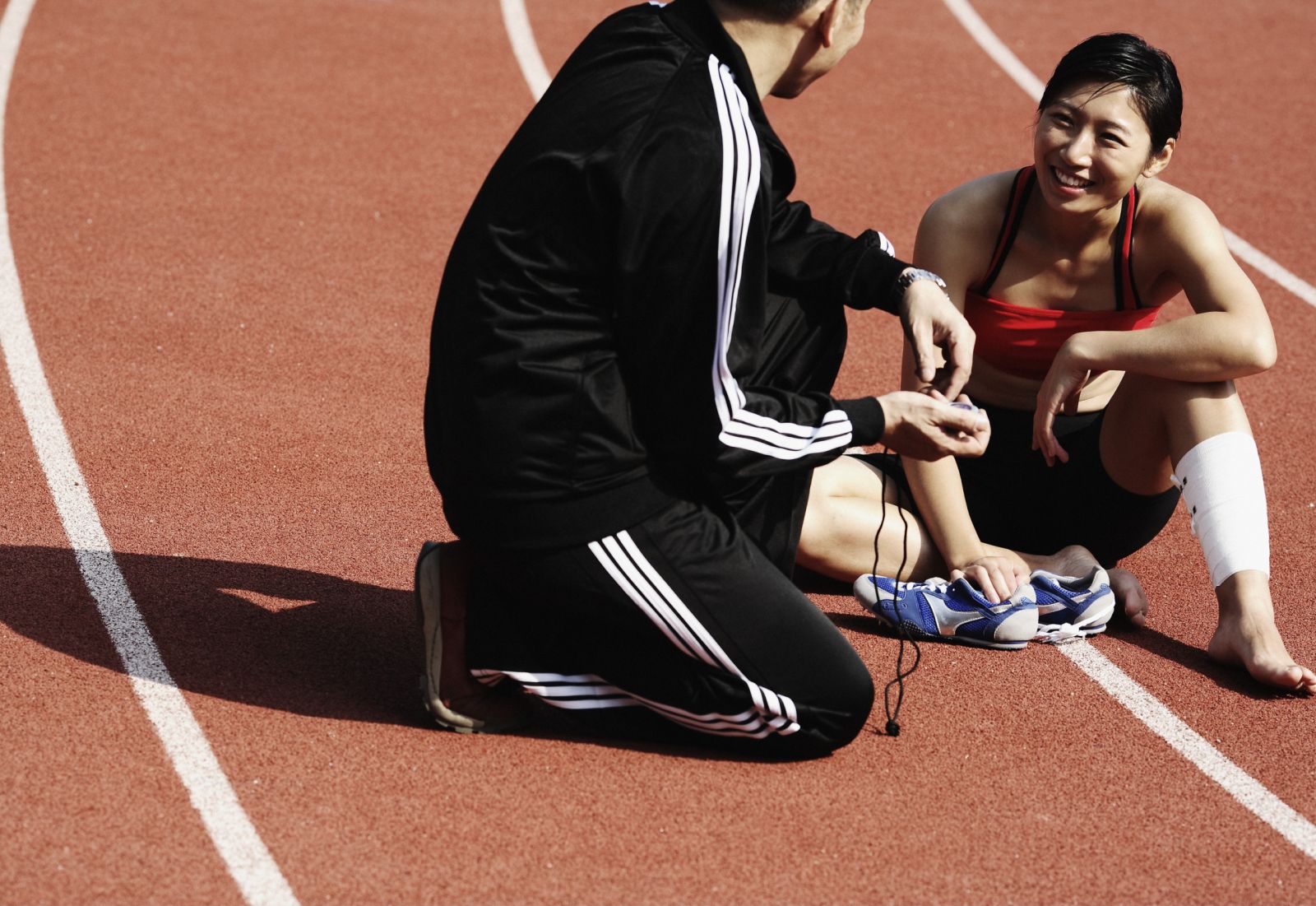
Sport and fitness psychology is a specialized field that applies psychological principles to enhance athletic performance, promote mental well-being, and optimize physical activity participation. This evidence-based approach integrates research from psychology, neuroscience, and sports science to help athletes, coaches, and fitness enthusiasts achieve their full potential while maintaining psychological health.
Recent research demonstrates the significant impact of sport psychology interventions on performance outcomes. A 2024 systematic review found that interventions addressing mental fatigue produced substantial improvements in sport-specific performance among athletes, while a 2023 meta-analysis revealed that self-confidence interventions significantly enhanced sports performance across multiple athletic populations.
Table of Contents
- What Is Sport and Fitness Psychology?
- Key Focus Areas and Applications
- Evidence-Based Techniques and Interventions
- Benefits for Athletes and Performers
- Training and Certification Requirements
- Career Outlook and Opportunities
- Frequently Asked Questions
- How Therapy Can Help / Find a Therapist
What Is Sport and Fitness Psychology?
Sport and fitness psychology is an interdisciplinary field that examines how psychological factors influence athletic performance and how participation in sport and exercise affects psychological development and well-being. Sport psychology has generated an expansive body of literature on how psychological factors influence athletic performance, with research systematically mapping these connections over the past 50 years.
The field encompasses three primary domains:
Performance Enhancement: Sport psychologists work with athletes to develop mental skills that optimize performance. Psychological interventions are commonly applied in sports to help athletes enhance their performance, with systematic reviews investigating the effects of a wide range of interventions on performance in competitive athletes.
Mental Health and Well-being: Beyond performance, sport psychologists address the psychological health of athletes. Elite athletes must take extreme health risks while protecting their health to continuously deliver peak performances, facing numerous stressors both during and after their sports careers. Adolescent mental illness is of increasing concern, and early engagement, detection, and support through sport-based interventions can reduce the severity of symptoms by increasing mental health literacy.
Exercise Psychology: This area focuses on promoting physical activity for psychological benefits. Research shows that among people of all ages, promoting physical activity may protect or improve mental health, including perceived stress, anxiety symptoms, and general well-being.
Key Focus Areas and Applications
Performance-Related Concerns
Sport psychologists address various performance-related issues that athletes face:
- Anxiety and Stress Management: A 2024 meta-analysis of 24 studies with 853 athletes found that psychological interventions significantly reduced athletes' state anxiety with a large effect size (SMD = −0.99)
- Mental Fatigue: Research shows significant interindividual variability in mental fatigue-related impairments in endurance performance, requiring personalized intervention approaches
- Confidence Building: Recent systematic reviews demonstrate the strong relationship between self-confidence and sport performance, with meta-analyses showing significant positive effects
- Injury Recovery: Mindfulness interventions show diverse positive effects on the psychological adaptation of injured athletes, including reduced anxiety and depression, increased pain tolerance, and enhanced psychological well-being
Mental Health Support
Despite athletes being exposed to many physical, psychological, and social stressors, there is surprisingly little evident knowledge about the role of perceived stress on elite athletes' mental health, partly due to causality problems in establishing when stressors exceed coping skills.
Sport psychologists provide crucial mental health support for:
- Depression and Anxiety: Athletes often operate in high-pressure environments characterized by intense physical training, performance expectations, limited recovery time, and public scrutiny, with prolonged time away from family and fear of underperformance increasing their reliance on external support
- Burnout Prevention: Excessive anxiety commonly leads to distraction, execution errors, or performance breakdowns, and when prolonged, may escalate into depression or burnout
- Social Support: A meta-analysis confirmed that social support serves as a crucial buffering mechanism for mitigating psychological stress, enhancing resilience, alleviating stress impacts, and improving emotional regulation
Youth and Adolescent Athletes
Sport is useful for the engagement and dissemination of mental health awareness information to adolescents, though there is a need for further interventions that explicitly adopt behaviour change theories and improve research design quality.
Evidence-Based Techniques and Interventions
Psychological Skills Training
Significant moderate effects have been found for psychological skills training, mindfulness- and acceptance-based approaches, and imagery, though further trials with robust research methodology are needed.
Key techniques include:
- Goal Setting: Establishing specific, measurable, achievable, relevant, and time-bound (SMART) goals for short-term and long-term performance improvement
- Self-Talk Training: A meta-analysis by Hatzigeorgiadis and colleagues found that self-talk interventions significantly improved sports performance
- Arousal Regulation: Teaching athletes to optimize their activation levels through techniques such as progressive muscle relaxation, breathing exercises, and energization strategies
Imagery and Visualization
A 2025 multilevel meta-analysis found that imagery practice significantly enhanced athletes' performance across various sports and skill levels. Mental imagery training programs have been shown to effectively develop sport-specific motor skills, with meta-analyses demonstrating consistent positive effects.
Mindfulness and Acceptance-Based Interventions
Psychological interventions including mindfulness are employed to adjust anxiety and promote mental well-being, grounded in self-determination theory addressing athletes' basic psychological needs for competence, relatedness, and autonomy. Research shows that mindfulness meditation apps and fitness apps can significantly improve subjective well-being and body awareness through daily practice.
Technology-Enhanced Interventions
Mental preparation through app-based blended interventions has shown effectiveness in promoting mindfulness and self-confidence while reducing anxiety among athletes, with studies demonstrating positive outcomes through randomized controlled trials.
Benefits for Athletes and Performers
Performance Enhancement
Research demonstrates multiple performance benefits:
- Improved Focus and Concentration: Mental training enhances attentional control during competition
- Enhanced Confidence: Meta-analyses show that interventions targeting motivation, confidence, self-efficacy, and emotional intelligence produce significant performance improvements
- Better Decision-Making: Psychological skills training improves cognitive processing under pressure
- Increased Resilience: Research shows that student-athletes often report higher resilience compared to non-athletes, with supportive team climates enhancing confidence, stress management, and emotional wellbeing
Mental Health Benefits
Standardised mean differences with 95% confidence intervals show that different types of interventions significantly improve mental wellbeing among athletes. Specific benefits include:
- Reduced Anxiety: Subgroup analyses showed particularly large effects for adolescent athletes and athletes in individual sports
- Improved Mood: Recent systematic reviews confirm the efficacy of rational emotive therapy, relaxation training, and mindfulness in reducing state anxiety and improving competitive performance
- Enhanced Well-being: A 2024 systematic review found that among older adults, resistance training exercise programs significantly improved both depressive and anxiety symptoms
- Better Coping Skills: Athletes develop adaptive strategies for managing stress and adversity
Team and Organizational Benefits
Sport psychology interventions also benefit teams and organizations:
- Improved Team Cohesion: Enhanced communication and trust among team members
- Better Coach-Athlete Relationships: Improved understanding and communication
- Positive Team Culture: Development of supportive, growth-oriented environments
- Reduced Conflict: Better conflict resolution skills and team dynamics
Training and Certification Requirements
Educational Pathways
Becoming a sport psychology professional requires extensive education and training:
Undergraduate Preparation:
- Bachelor's degree in psychology, kinesiology, or related field
- Coursework in psychology, anatomy, physiology, and research methods
- Volunteer or internship experience with athletic teams
Graduate Education:
- Master's degree in sport psychology, counseling, or clinical psychology
- Doctoral degree (Ph.D. or Psy.D.) for independent practice
- CMPCs must have a master's or doctoral degree in sport science, psychology, or a closely related field, with disciplines including clinical psychology, educational psychology, counseling, social work, or sport psychology from a sport science basis
Certified Mental Performance Consultant (CMPC) Certification
The CMPC credential, offered by the Association for Applied Sport Psychology (AASP), represents the gold standard in the field. The CMPC certification process encourages professionals to maintain high standards of professional conduct, though it does not designate the individual as a "sport psychologist" - requirements for providing psychological services are determined by individual state licensing boards.
CMPC Requirements Include:
Knowledge areas include: Sport Science; Psychopathology; Helping Relationships; Research Methods and Statistics; Psychological Foundations of Behavior; and Diversity and Culture, with graduate-level credit required in designated areas.
Mentored Experience:
- 400+ hours of direct client contact
- Supervision by an approved CMPC mentor
- Experience with diverse athletic populations
Certification Exam: Approved applicants must schedule and take the exam at an approved testing center or via live online proctoring within six months of application approval
Continuing Education: Professionals must agree to adhere to ethical principles and standards, and commit to ongoing professional development
Professional Development
Division 47 of the APA seeks to further the clinical, educational, and scientific foundations of exercise and sport psychology, with committees focused on diversity issues and education/training, plus special sections for Running Psychologists and Performance Psychology.
Career Outlook and Opportunities
Employment Settings
Sport psychologists work in diverse settings:
Professional Sports: Currently, over 20 NCAA Division I universities employ full-time sports psychologists, with professional teams across major sports leagues rapidly expanding their mental health support staff
Educational Institutions:
- Universities and colleges
- High schools with athletic programs
- Sport academies
Private Practice: Private practice offers the highest earning potential, with successful practitioners often earning $150,000 to $250,000 or more annually, though it requires strong business skills alongside clinical expertise
Healthcare Settings:
- Sports medicine clinics
- Rehabilitation centers
- Hospitals with sports medicine departments
Salary and Job Growth
The job outlook for psychologists is projected to grow by 6% through 2034 according to the U.S. Bureau of Labor Statistics, with those specializing in sports psychology potentially encountering even more job prospects as interest continues to expand.
As of May 2024, the BLS reports the median annual salary for all psychologists at $94,310, with psychologists in the top ten percent earning more than $170,150, and specialized sports psychologists often earning $100,000-$150,000 or more annually.
Emerging Opportunities
The field continues to evolve with new opportunities in:
- Youth Sports: Growing awareness of mental health in youth athletics
- Corporate Wellness: Applying sport psychology principles in business settings
- Military and Tactical Performance: Working with military personnel and first responders
- Performing Arts: Expanding beyond sports to music, dance, and theater
- Esports: Emerging field of competitive gaming psychology
Frequently Asked Questions
What's the difference between a sport psychologist and a mental performance consultant?
A sport psychologist typically holds a doctoral degree in psychology and state licensure to provide clinical services, including diagnosis and treatment of mental health conditions. A Certified Mental Performance Consultant (CMPC) is certified by AASP and CSPA-ACPS, specializing in mental performance aspects without necessarily providing clinical psychological services.
How long does it take to become a sport psychologist?
It can take over 15 years to complete the education and training required to practice sport psychology, including undergraduate degree, master's degree, doctoral degree, and specialized certification training. The specific timeline depends on whether you pursue licensure as a psychologist or certification as a CMPC.
Can sport psychology techniques help non-athletes?
Yes! Division 47 includes Performance Psychology, which brings together members interested in research, teaching, and professional practice in various performance domains beyond sports. The techniques are applicable to business professionals, performing artists, students, and anyone seeking to optimize performance.
What issues do sport psychologists most commonly address?
Athletes' anxiety can manifest as state anxiety or trait anxiety, with typical responses including cognitive worry, somatic stress reactions, and behavioral adaptation difficulties, commonly leading to distraction, execution errors, or performance breakdowns. Sport psychologists also frequently address confidence issues, motivation, team dynamics, and injury recovery.
Do I need to be an athlete to become a sport psychologist?
While personal athletic experience can be helpful, it's not required. What's most important is understanding the unique psychological demands of sport and performance contexts, which can be developed through education, training, and supervised experience.
How effective are sport psychology interventions?
Despite decades of research showing that psychological interventions are commonly applied in sports, recent systematic reviews with meta-analyses demonstrate their effectiveness in enhancing performance in competitive athletes. However, effects vary based on intervention type and research methodology, with the most robust evidence supporting psychological skills training, mindfulness approaches, and imagery.
How Therapy Can Help / Find a Therapist
Sport and fitness psychology can benefit anyone seeking to improve their performance, whether in athletics, fitness, or other life domains. Working with a qualified professional can help you:
- Develop mental skills for peak performance
- Manage performance anxiety and stress
- Build confidence and resilience
- Recover psychologically from injuries
- Enhance motivation and goal achievement
- Improve team dynamics and communication
If you're interested in sport psychology services, consider these steps:
1. Identify Your Needs: Determine whether you need clinical services (requiring a licensed psychologist) or performance enhancement (CMPC or sport psychology consultant)
2. Check Credentials: Look for professionals with:
- CMPC certification from AASP
- State licensure (for clinical services)
- Relevant education and experience
- Specialization in your sport or performance area
1. Ask Questions: During initial consultations, inquire about:
- Their approach and techniques
- Experience with your specific concerns
- Session structure and frequency
- Fee structure and insurance coverage
1. Find the Right Fit: CMPCs help individuals unlock their full potential by developing mental strategies that enhance performance and consistency, identifying and overcoming obstacles like performance anxiety and self-doubt, building mental toughness to stay focused under pressure, and supporting overall well-being.
Ready to take the next step? Visit the GoodTherapy directory to find qualified sport psychology professionals in your area who can help you achieve your performance and wellness goals.
References:
- Association for Applied Sport Psychology. (2024). Certified Mental Performance Consultant® (CMPC) certification program candidate handbook. https://appliedsportpsych.org/site/assets/files/30025/3-24_cmpccandidatehandbook_web.pdf
- Association for Applied Sport Psychology. (2024). Graduate program accreditation standards. https://appliedsportpsych.org/graduate-program-accreditation-standards/
- American Psychological Association, Division 47. (2024). Society for sport, exercise and performance psychology. https://www.apadivisions.org/division-47
- Bordo, S., Costanzo, G., & Villani, D. (2025). Enhancing psychological skills and well-being in sport through an app-based blended intervention: A randomized controlled pilot study. BMC Psychology, 13, Article 537. https://doi.org/10.1186/s40359-025-02824-8
- Chen, X., Wang, W., Wu, J., Zhang, L., & Smith, J. (2025). Psychological interventions to improve elite athlete mental wellbeing: A systematic review and meta-analysis. Sports Medicine, 55(4), 877–897. https://doi.org/10.1007/s40279-024-02173-3
- Chen, Y., Zhang, S., & Liu, H. (2024). Stress and its impact on elite athletes' wellbeing and mental health—a mini narrative review. Frontiers in Sports and Active Living, 7, Article 1630784. https://doi.org/10.3389/fspor.2025.1630784
- Habay, J., Uylenbroeck, R., Van Droogenbroeck, R., De Wachter, J., Proost, M., Tassignon, B., De Pauw, K., Meeusen, R., Pattyn, N., Van Cutsem, J., et al. (2023). Interindividual variability in mental fatigue-related impairments in endurance performance: A systematic review and multiple meta-regression. Sports Medicine - Open, 9, Article 14. https://doi.org/10.1186/s40798-023-00559-7
- Jekauc, D., Fiedler, J., Wunsch, K., Mülberger, L., Burkart, D., Kilgus, A., & Fritsch, J. (2023). The effect of self-confidence on performance in sports: A meta-analysis and narrative review. International Review of Sport and Exercise Psychology, 18, 1–27. https://doi.org/10.1080/1750984X.2023.2257847
- Li, M., & Johnson, K. (2025). The effectiveness of psychological interventions in elite sport: Methodological issues and opportunities to gather evidence. Frontiers in Psychology, 16, Article 1516760. https://doi.org/10.3389/fpsyg.2025.1516760
- Li, T., Yang, S., & Wang, J. (2025). Effects of psychological interventions on anxiety in athletes: A meta-analysis based on controlled trials. Frontiers in Psychology, 16, Article 1368976. https://doi.org/10.3389/fpsyg.2025.1368976
- Liu, Y., Zhao, S., Zhang, X., Zhang, X., Liang, T., & Ning, Z. (2024). The effects of imagery practice on athletes' performance: A multilevel meta-analysis with systematic review. Scientific Reports, 14, Article 30822. https://doi.org/10.1038/s41598-024-81373-3
- Moesch, K. (2023). A mindfulness- and acceptance-based intervention for injured athletes. Journal of Sport Psychology in Action, 14(3), 213–225. https://doi.org/10.1080/21520704.2023.2213197
- National Institute of Mental Health. (2024). Understanding the link between chronic disease and depression. U.S. Department of Health and Human Services. https://www.nimh.nih.gov/health/publications/chronic-illness-mental-health
- Navarro, J. (2025). Sports psychologist career: Salary & degrees 2026. Careers in Psychology. https://careersinpsychology.org/becoming-a-sports-psychologist/
- Reinebo, G., Alfonsson, S., Jansson-Fröjmark, M., Rozental, A., & Lundgren, T. (2024). Effects of psychological interventions to enhance athletic performance: A systematic review and meta-analysis. Sports Medicine, 54(2), 347–373. https://doi.org/10.1007/s40279-023-01931-z
- Sullivan, N., Breslin, G., McLaughlin, M., Shannon, S., Leavey, G., & Dempster, M. (2025). A systematic review of sport-based adolescent mental health awareness programmes. PLoS One, 20(3), Article e0315315. https://doi.org/10.1371/journal.pone.0315315
- Sun, H., Geok Soh, K., Mohammadi, A., & Toumi, Z. (2024). The counteractive effects of interventions addressing mental fatigue on sport-specific performance among athletes: A systematic review with a meta-analysis. Journal of Sports Sciences, 42, 2279–2291. https://doi.org/10.1080/02640414.2024.2317633
- U.S. Bureau of Labor Statistics. (2024). Occupational outlook handbook: Psychologists. https://www.bls.gov/ooh/life-physical-and-social-science/psychologists.htm
- Viskari, T., Koivumäki, T., Appelqvist‐Schmidlechner, K., Ståhl, T., Ruiz‐Ariza, A., & Fröjd, S. (2025). The effectiveness of school‐based physical activity promotion on mental health among children and adolescents: A systematic review. Scandinavian Journal of Medicine & Science in Sports, 35(10), Article e70150. https://doi.org/10.1111/sms.70150
- Wang, Q., Wu, P., & Chen, L. (2025). The relationship between social support and mental health in athletes: A systematic review and meta-analysis. Frontiers in Psychology, 16, Article 1642886. https://doi.org/10.3389/fpsyg.2025.1642886
