 I am frequently asked what the best complementary or alternative therapies for kids are. This is a broad and potentially complex question, with appropriate courses of treatment depending on both on the child’s struggles and the balance of safety and efficacy of the therapy being considered. Eventually, many parents eventually find a complementary or alternative medicine (CAM) therapy that feels right for their child.
The most recent data from the National Center for Complementary and Alternative Medicine (NCCAM) found that 12% of the 9,000 children surveyed in 2007 had used some form of CAM during the previous year. CAM use typically ranges from providing remedies in lieu of medical treatments—such as using a homeopathic flu remedy instead of a prescription—to using CAM in conjunction with conventional remedies. The latter can be as simple as giving a child a zinc lozenge or tea with honey in addition to the antibiotics a doctor prescribes when a child has a sore throat or throat infection. Another example is when a child has been diagnosed with attention deficit hyperactivity disorder (ADHD), and his or her parents employ dietary changes even if the child is also receiving medication or psychotherapy. CAM therapies are often used to help children manage symptoms of chronic pain conditions or notable anxiety, ideally in combination with psychotherapy (and appropriate medical care, if this is indicated).
Remembering Developmental Differences
A point NCCAM emphasizes is that children are not merely smaller versions of adults. Similarly, more studies have been conducted regarding the effects of many CAM therapies on adults, although there is a growing body of research on CAM with children. Thus, what may be considered an appropriate CAM therapy or dose of therapy for an adult is not necessarily what we can recommend for a child.
That being said, there are a number of treatments that are considered generally safe for children, particularly when provided or informed by appropriately trained professionals. My favorites are listed here. I chose to emphasize non-oral intake therapies, although at times these may also be appropriate.
- Guided imagery or self-hypnosis can be helpful for managing mood symptoms, pain and itching, sleep difficulties, and nausea.
- Mindfulness or other types of meditation can aid in improving mood, pain, itching, sleep, nausea, and concentration.
- Aromatherapy can help reduce anxiety and enhance feelings of calm, especially when paired with other therapies, including cognitive behavioral therapy, meditation, imagery/hypnosis, or massage.
- Movement therapies, such as yoga, dance therapy, or tai chi can increase a child’s feelings of mastery, discharge excess physical tension, provide focus, and improve mood.
- Massage  decreases muscle tension or soreness and increases relaxation.
- Energy therapies, such as Reiki or therapeutic touch, may help increase calmness and decrease stress. These may also help with some physical discomforts.
- Art therapy can help children cope with change, shed light on emotions and concerns that they may have trouble verbalizing, and reinforce healing images created during guided imagery and hypnosis.
- Homeopathy is gently calming and is reported to help with fears, anxiety, and tantrums. There is less data on this therapy, but it is generally considered to be safe.
- Diluted ginger tea can help with upset stomach/nausea.
- Dietary changes, which may include eliminating processed foods, caffeine, or sugar and emphasizing whole grains, fruits, vegetables, legumes, and healthy sources of protein, are health-supportive overall, and some parents report improved mood, sleep, and concentration when processed foods are limited or eliminated.
One common theme that runs through most of the therapies listed above is that they help children to feel calmer. Some of the approaches provide children with tools to help them directly impact how they feel via what they do (movement therapies, imagery/hypnosis, meditation, art), which enhances children’s feelings of mastery and control. All of these approaches require at least initial participation and monitoring from parents—a key ingredient in helping children to feel safe, loved, and supported.
As always, it is essential to keep healthcare providers in the loop when using CAM therapies with children, particularly with those who have a medical or psychological illness.
Modeling Emotional Intelligence
Finally, if I were to add a number 11 to the list, it would be to emphasize that children pick up on and are undoubtedly affected by their parents’ moods. It is essential for parents dealing with anxiety, depression, or other psychological challenges to obtain appropriate treatment. Doing so helps parents feel better, enhances their ability to cope with the many demands of parenting, and teaches children about the value of self-care. Furthermore, emotionally healthy parents tend to parent more effectively, which also reduces children’s feelings of anxiety and depression.
Resources:
- National Center for Complementary and Alternative Medicine: CAM Use and Children
- Columbia University’s Integrative Therapies Program for Children with Cancer: A leading program that emphasizes both research and clinical practice. Their website contains a wealth of information about a variety of therapies, as well as helpful links.
- This article details an integrative (CAM) treatment of pediatric pain and itch (pruritus) with a seven year-old girl:
- Stein, T. R., Sonty, N., and Saroyan, J. M. (2012). “Scratching†beneath the surface: An integrative psychosocial approach to pediatric pruritus and pain. Child Clinical Psychology and Psychiatry, 17(1), 33-47.
Traumatic brain injury (TBI) represents a uniquely challenging medical condition. Repair of the physical, emotional, and cognitive damage is a long and often grueling process. In the wake of brain injury, patients often experience amnesia, altered consciousness, and profound confusion. Many of these symptoms mirror the psychotic states of schizophrenia; however, the root causes of these symptoms are, of course, quite distinct. Still, it’s not an uncommon practice for attending physicians to prescribe antipsychotic drugs such as Haldol (haloperidol) for TBI patients who exhibit aggression or restlessness. This practice is not without controversy, as several studies have shown that psychotropic medications, especially the typical antipsychotic drugs, may slow recovery from brain injury. A study published in Life Sciences adds even more compelling data to the argument against antipsychotic drugs for patients with TBI.
In a study of brain recovery rates under different conditions, a small group of rats were subjected to a controlled brain injury. The control group was anesthetized but no surgery was performed. The rats were further divided into three distinct groups. One group received a regular dose of Haldol, another received Risperdal (risperidone, an atypical antipsychotic), and a third group received neither drug. All the rats were given daily assessments of motor skills, reflexes, and cognitive functioning. Because antipsychotic drugs have a sedative effect, the drugs were only administered after each day’s performance testing. This is an important distinction because previous studies often gave drugs before testing, potentially skewing the results. Researchers sought to uncover any ill effects from these medications independent of sedation.
Although the sample size of this particular study was small, the results were quite significant. Regardless of whether the rats were given Haldol or Risperdal, their performance tests showed a slower rate of improvement than their unmedicated counterparts. They were slower to regain reflexes and slower to make their way through a specific kind of maze. It was previously argued that the newer so-called atypical antipsychotic drugs like Risperdal might be a better choice for aggressive or psychotic TBI patients. This study argues that there is no significant difference between the older and newer drugs. What does that mean for humans with brain injuries? In a nutshell, these results argue for avoidance of antipsychotic medications while recovering from TBI unless absolutely necessary.
References
Hoffman, A., Cheng, J., Zafonte, R., Kline, A. (2008). Administration of haloperidol and risperidone after neurobehavioral testing hinders the recovery of traumatic brain injury-induced deficits. Life Sciences, 83(17-18), 602-607.  doi: 10.1016/j.lfs.2008.08.007
 Most women have experienced some symptom of premenstrual discomfort at one point or another—whether it be bloating, aches and pains, breast tenderness, fatigue, tension, headaches, or sleep, eating, and/or mood disturbances. By some estimates, up to 80% of women experience at least one symptom with some regularity. For approximately 5% of women, however, symptoms are severe enough to meet criteria for premenstrual dysphoric disorder, or PMDD.
PMDD can lead to impaired functioning and quality of life during the last week of the menstrual cycle and until about 4 days after menstruation has begun. Significant anxiety, depression, and irritability are commonly reported features of PMDD. Women with either premenstrual syndrome (PMS) or PMDD frequently seek relief in one or a combination of over-the-counter medications, a prescription, or natural remedies, but too often relief is elusive.
What Causes PMS and PMDD?
Although at present there is no definitive understanding of why some develop these syndromes and others do not, a woman’s body undergoes a number of hormonal changes throughout her cycle. It is thought that disruptions in these processes may lead to the above symptoms. Specifically, disruptions in the hormone progesterone as well as in neurotransmitters (chemicals in the brain), such as serotonin and gamma-aminobutyric acid (GABA), and the stress hormone cortisol, may be responsible for PMS or PMDD.
There has also been research examining the roles of calcium and magnesium in these conditions because both minerals vary with the menstrual cycle; however, it is not entirely clear whether imbalances in calcium and magnesium directly cause PMS/PMDD. Although there is not enough data to establish a causal relationship, being sedentary, consuming large amounts of caffeine, sugar, and alcohol, and being very stressed are among the factors associated with having PMS.
Mental, Physical, or Both?
Many women with PMDD also meet criteria for major depressive disorder or seasonal affective disorder, and some have panic or other symptoms of anxiety that are quite severe. It is important to note that although PMDD is included in the Diagnostic and Statistical Manual of Mental Disorders, it is a condition that has a physiologic basis, even though it may include psychiatric symptoms or coexist with other psychiatric disorders.
[fat_widget_left]What’s a Woman to Do?
There are a number of natural remedies that are commonly used for PMS or PMDD symptoms, including chasteberry (also known as Vitex or Monk’s Pepper), evening primrose oil, saffron, St. John’s wort, soy, B6, calcium, and magnesium. Only a few of these remedies have sufficient evidence to support their use at this time, however. These include:
- Calcium – 1,000 to 1,200 mg per day (effective for mood, water retention, food cravings, and pain)
- Vitamin B6 – 100 mg per day (preliminary evidence suggest benefit for relieving mood symptoms)
- Chasteberry – 20 mg per day (preliminary evidence suggests benefits for relieving breast tenderness, headaches, and irritability). Note that in some trials, chasteberry increased the likelihood of becoming pregnant, so make sure to use adequate birth control when taking this herb, and discontinue use if you become pregnant.
Discuss any herbal or vitamin supplements you take with your doctor to make sure these are appropriate for you and that they will not interfere with other supplements or medications you may be taking.
In addition to the above, the following lifestyle changes are recommended:
- Get regular exercise (aim for most days of the week, for at least 30 minutes per day)
- Decrease or eliminate caffeine, alcohol, and sugar
- Engage in active stress management such as meditation, guided imagery, yoga, and involvement in pleasurable activities
- Talk therapy, especially cognitive behavioral therapy, can help you identify triggers of low mood and develop strategies to cope with symptoms when they arise
It goes without saying that if you have premenstrual symptoms that make it hard to do the things you want and need to do, see your gynecologist for an accurate diagnosis. He/she can help rule out other physical or psychological syndromes that may appear similar to PMS or PMDD. If your mood symptoms are severe (e.g., you experience panic or disabling anxiety, feelings of hopelessness, or suicidal thoughts), seek professional help immediately.
For more information, consult the following:
References
- Pearlstein, T., & Steiner, M. (2008). Premenstrual dysphoric disorder: burden of illness and treatment update. Journal of Psychiatry & Neuroscience, 33(4): 291–301.
- Whelan, A. M., Jurgens, T. M., & Naylor, H. (2009). Herbs, vitamins, and minerals in the treatment of premenstrual syndrome: a systematic review. Canadian Journal of Clinical Pharmacology, 16(3), e430-e431.
 “Guess what?†your best couple friends ask when you’ve just sat down at an elegant restaurant. “We have an announcement. Guess who’s not having wine?†You and your partner are jolted. You just found out an hour ago that your third in vitro fertility treatment didn’t pan out, and you didn’t even know your friends were trying.
You and your partner have a quick, furtive look. Your throat is dry, and a tear slides out before you can will it to stop. “Great news,†your husband says.
You can’t think of anything you can say aloud. You know you can’t say what you’re feeling: “Why you, not us? This is your third child, and we may never have a first. Why did you have to tell us here and ruin this expensive dinner?â€
You could say, “I’m happy for you, but sad for us,†if your friends know that you’ve been trying.
With more public awareness of infertility, people announcing a pregnancy or birth are sometimes more sensitive to your needs. They might tell you in a private moment and add, “It’s hard to tell you, knowing how much you want this. I hope it happens soon for you.†You may appreciate the empathy, and elaborate on your feelings, and feel supported. On the other hand, you might be embarrassed and not want to talk about it, especially if you’re not emotionally close to the woman or you have reasons not to trust her.
First we’ll talk about dealing with your own feelings. Then we’ll talk about taking some control over how you receive news of future pregnancies.
Your feelings: handle with compassion
Mixed in with feelings of disappointment and competition, you may also feel guilty. You may even fantasize about miscarriages or complications. Your partner may add to your guilt by asking “Why can’t you be happy for them?â€
Give yourself a break. You’re a good person, not someone who typically goes around with ill wishes. If you’ve been trying for months or even years to get pregnant or to carry to full term, it makes sense that you would be envious. This is especially the case if your friend is complaining of an accidental pregnancy or doesn’t have as much to offer a child as you and your partner do. A compassionate thought to say to yourself is “I’m happy for her but sad for me.†You wouldn’t expect a 24 year-old whose husband died yesterday to dance up and down about a friend’s engagement. It is understandable to have good wishes for the other person while also having feelings about your own loss or disappointment.
Controlling how you receive the information
You can’t control whether your friend gets pregnant before you do, but you can have a say in how you find out. This assumes, of course, that you are aware that someone is planning a family and that they know what you’re going through. Many of my clients have benefitted from what I call “the card trick.â€
Ask your friend to send you a card. Yes, an old-fashioned greeting card via snail mail. Real envelope, real stamp. A phone call is hard, because it puts you on the spot. You need to congratulate the person right away, before you’ve had a chance to digest the information. IM is no better than phone, and e-mail is only somewhat better. Even if you don’t open the message, if its subject line reads “BIG NEWS!†you may feel that you are expected to respond quickly.
Because old-fashioned snail mail is unpredictable, your friend doesn’t know what time or even which day you receive it. This gives you time to tear up the card and stomp on it, have a good cry, or do some deep breathing before you pick up the phone and hit the keyboard. You get to feel like the loving, caring person you actually are and offer sincere congratulations. Even if you don’t have any negative feelings, you still have the luxury of time to respond when you’re ready. Everybody wins. You win because you controlled how you got the news. Your friend wins because you gave her a gentler way of breaking the news. You can both feel good about her new status and sincerely celebrate.
Even though you don’t know when or if your own luck will change, you can avoid unnecessary stress and enjoy your friend’s support and good wishes for your future pregnancy success.
Related articles:
Dealing with Fertility Challenges: Coping Tips and Resources for Parents-in-the-Making
Coping with Holidays While Trying to Have a Baby
Why Should I See a Therapist? I’m Not Crazy – We Just Can’t Have a Baby!
Irritable bowel syndrome (IBS) is a relatively common condition that results in abdominal discomfort, bloating, diarrhea, and constipation. According to the Mayo Clinic, IBS develops more often in women than in men and is also more likely to develop before the age of 35. Unlike other diseases that affect the intestines, IBS causes no permanent damage and does not appear to increase the risk of colon cancer. Mild and moderate cases of the condition can often be managed with lifestyle changes rather than medication. In more severe cases of IBS, certain prescription medications have been shown to reduce symptoms and improve quality of life.
Tricyclic antidepressants, the so-called first generation of antidepressant medications, have for years been prescribed to people with serious cases of IBS. There are several competing theories as to why these medications work so well for this condition. On the one hand, tricyclics have pain-relieving properties as one of their secondary effects. Less pain may lead a patient to report symptomatic improvement, particularly if pain was his or her dominant complaint. Another theory maintains that IBS is somehow linked with depression, and a reduction in the symptoms of depression may simultaneously reduce symptoms of IBS. The connection between mental state and IBS is not well understood and demands further research. Yet a third theory maintains that tricyclics alter the way the brain processes nerve signals from the intestines. This may lead to a more relaxed colon or less urgent or painful feelings when having a bowel movement.
Clinical researchers in Belgium surmised that newer antidepressant medications might be just as effective against IBS as the older tricyclics, with potentially fewer adverse effects. They conducted a trial with Celexa (citalopram) to determine its usefulness in managing IBS symptoms. Celexa belongs to the class of antidepressants known as selective serotonin reuptake inhibitors. What little research has been done on these medications and IBS has been promising. An earlier study showed that Celexa works to relax the colon shortly after food consumption, a possibly therapeutic action for anyone with IBS. The most recent study involved a crossover design with a placebo-controlled group. After an initial treatment period, the groups switched places for a second treatment period. Participants kept daily journals of their symptoms, and examinations during the trial provided empirical data. The results were significant but not as informative as the team had hoped. Celexa did lead to improvement of many symptoms but not bowel regularity. Interestingly, most participants reported a much improved sense of well-being that did not always match their objective symptom improvement. This suggests that Celexa’s psychotropic properties may have as much to do with its effectiveness on IBS patients as anything else.
Other studies with a similar approach have produced mixed results. The lesson here, according to the researchers, is that the emotional health and well-being of IBS patients cannot be neglected. A pharmaceutical solution is often sought when lifestyle changes and talk therapy might be more beneficial without the risk of side effects.
References
- PubMed Health [Internet]. (n.d.). Bethesda (MD): National Library of Medicine. Citalopram.  Retrieved March 10, 2012, from http://www.ncbi.nlm.nih.gov/pubmedhealth/PMH0001041/
- MayoClinic.com. (n.d.). Irritable bowel syndrome. Retrieved March 13, 2012, from http://www.mayoclinic.com/health/irritable-bowel-syndrome/DS00106
- Tack, J., Broekart, D., Fischler, B., Van Oudenhove, L., Gevers, A.M., Janssens, J. (2006). A controlled crossover stud of the selective serotonin reuptake inhibitor citalopram in irritable bowel syndrome. Neurogastroenterology, 55, 1095-1103.
Adderall (dextroamphetamine and amphetamine) is one of the preferred treatment options for adults with attention-deficit hyperactivity disorder (ADHD). The medication works by increasing an individual’s ability to pay attention and control impulsive behaviors. In people without ADHD, abuse of Adderall generates a euphoric sensation, included elevated feelings of confidence and power. When taken as prescribed, Adderall carries a risk of several unpleasant side effects. These include difficulty sleeping, nervousness, restlessness, and headache. Chest pain, rapid heartbeat, and shortness of breath are all signs of a potentially serious condition, warranting immediate medical attention.
Although the risk is small, there have been several documented cases of young people experiencing sudden heart attacks after taking Adderall without a prescription. The dosages were not especially high in many of these cases. In one such example, a young male suffered an acute heart attack after ingesting 30 mg of Adderall and drinking an unspecified amount of alcohol. He had no history of heart abnormalities. Still more troubling, cardiac events are possible even in the absence of abuse. A 15-year-old boy in otherwise good health experienced a heart attack in response to his usual dose of Adderall. He fully recovered, and terminating the prescription removed any signs of heart irregularities. Doctors are not certain what causes these effects in people. Currently, there’s no test to determine who will or will not develop cardiac side effects when taking Adderall. The best practice right now is to monitor an individual’s symptoms closely and intervene at the first sign of trouble. In addition, a history of heart issues may argue for a treatment plan that does not include a powerful stimulant like Adderall.
The extended-release formulation of Adderall was removed from the Canadian market for several years out of concerns about heart attacks and rampant abuse of the medication. It was eventually reintroduced with stricter guidelines for attending physicians. As always, those who abuse prescription medications like Adderall face far greater risks of dangerous, even lethal, side effects. Heart rhythm problems and heart attacks are the most troubling potential consequences of Adderall abuse. Even those who take the medication according to a doctor’s prescription face the small but real threat of cardiac problems. As research into ADHD and stimulant medications continues, safer drugs and drugs less prone to abuse will most likely be introduced.
References:
- Centers for Disease Control and Prevention. (n.d.) Facts about ADHD. Retrieved from http://www.cdc.gov/ncbddd/adhd/facts.html
- PubMed Health [Internet]. (n.d.). Bethesda (MD): National Library of Medicine. Dextroamphetamine. Retrieved from http://www.ncbi.nlm.nih.gov/pubmedhealth/PMH0000310/
- Jiao, X., Velez, S., Ringstad, J., Eyma, V., Miller, D., Bleiberg, M. (2009). Myocardial infarction associated with Adderall XR and alcohol use in a young man. Journal of the American Board of Family Medicine, 22(2), 197-201.
- Sylvester, A.L., Agarwala, B. (2012). Acute myocardial infarction in a teenager due to Adderall XR. Pediatric Cardiology, 33(1), 155-157.
According to a new study led by A.C. Burnett of the Department of Psychology at the University of Melbourne in Australia, children born prematurely and with low birth weights (LBW) are three-and-a-half times more likely to develop mental health problems such as depression and anxiety than normal birth weight (NBW) children. Children born prematurely are already at increased risk for physical health problems, learning disabilities, and other cognitive challenges. Some research has provided evidence that children who are born prematurely are at a higher risk for behavioral problems and even attention-deficit hyperactivity disorder (ADHD). But until now, there has been little evidence suggesting that these children are also more vulnerable to mood disorders and mental health problems later in life.
In order to examine the relationship between LBW and mental health problems, Burnett analyzed previous studies and looked specifically at prematurity/LBW and how it influenced the development of anxiety and depression in adolescence and young adulthood. Burnett assessed data that was published between 1995 and 2010 and included individuals born prematurely with LBW, ranging in age from 10 to 25 years old. After review, Burnett discovered that children who were born prematurely and had LBW had a significantly higher risk than NBW peers, for the development of psychiatric problems later in life. In particular, the study revealed that the LBW participants were three times more likely to develop an anxiety or depressive disorder in adolescence or young adulthood than those who were born full-term.
The results of this study, the first of its kind, have significant clinical implications. Burnett believes that professionals treating the physical and cognitive impairments in LBW children should be aware of the negative psychological predisposition that these children possess, paying particular attention to mental health needs during adolescence and young adulthood. Burnett added, “The studies reviewed here indicate that, in addition to monitoring and management of medical and cognitive sequelae, the psychological well-being of formerly preterm individuals should be a key part of ongoing care in collaboration between clinicians, individuals and their families.â€
Reference:
Burnett, A. C., Anderson, P. J., Cheong J., Doyle, L. W., Davey, C. G., Wood, S. J. Prevalence of Psychiatric Diagnoses in Preterm and Full-term Children, Adolescents and Young Adults: A Meta-analysis. Psychological Medicine 41.12 (2011): 2463-474. Print.
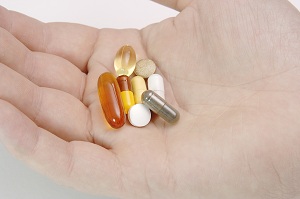 Everyone seems to be talking about the Bs lately. Specifically, B12 and folic acid (or folate) are making headlines for their roles in mental health and illness. Both of these vitamins play an essential role in a number of key bodily processes.
Symptoms of a Deficiency
A deficiency in B12 or folate may take months or years to become evident, and may lead to symptoms such as fatigue, muscle weakness, diarrhea, difficulty concentrating, forgetfulness, sleeplessness, irritability, and mood swings. In more severe cases, deficiency can result in seizures, dementia, or parathesia (burning, prickling, tingling, numbness, or a crawling sensation in the extremities or elsewhere in the body).
Low levels of B12 and folate are associated with having higher levels of homocysteine, an amino acid found in the blood; when levels are too high, the risk of cardiovascular disease and cognitive problems increase. What is particularly interesting about this relationship is that over the past several years, more research has emerged showing a link between depression, and to lesser extents, anxiety, hostility, and increased likelihood of cardiovascular problems. Additionally, people who have heart disease have higher rates of depression than what is seen in the general population. It is unclear if the sole or definitive link between heart disease and B-vitamins is homocysteine levels, but the relationship is intriguing.
Who is at Risk?
Risk factors for B12 or folate deficiencies include following a vegan diet ( B12 is only found in animal products), being elderly, having an inflammatory bowel disease, being malnourished, having liver problems, being pregnant, using proton pump inhibitors regularly (medications that reduce stomach acid), and alcoholism. In addition, certain medications may interfere with the absorption of B12 or folate.
What’s the Evidence?
Recent research has investigated whether supplementation with B12 or folate could yield observable improvements in cognitive functioning or mood. A 2012 study examined the effects of supplementation on cognitive functioning in 700 elderly adults who had symptoms of depression but did not meet full criteria for a depressive disorder. Improvements in some aspects of memory (immediate and delayed recall) were significant, if not modest, but were only seen after two years of daily use. Supplementation did result in significantly higher blood levels of B12 and folate, and significantly lower increases in levels of homocysteine over time, as compared to taking a placebo.
Other research has found that approximately one third of depressed patients have low levels of folate and elevated levels of homocysteine. Treatment with antidepressants may be less effective in those with low levels of B12. Adequate levels of folate and B12 are also important for those taking the supplement SAM-e (S-adenosyl-methionine). SAM-e is a popular over-the-counter supplement typically used to treat depressive symptoms or pain due to osteoarthritis or fibromyalgia. SAM-e is sometimes used in conjunction with conventional antidepressants to boost their effectiveness in those who don’t respond sufficiently to antidepressants alone.
Finally, a 2010 paper discussed two case reports in which depressed patients had failed to respond to three different trials of antidepressant therapies. In each case, the patient was a male vegetarian with low levels of B12. One of the men had sleep difficulties that progressed to complete insomnia, as well as cognitive symptoms (slowness in thinking, difficulty performing calculations, and forgetting names of objects and people). The other experienced problems with attention-concentration, learning new information, and immediate and visual recall of information. In both cases, supplementation resulted in an improved response to medication and reduction in depressive, sleep, and other cognitive symptoms.
Although recent headlines and some of the study findings suggest a link, it is important to note that more research needs to be done to definitively state whether B-vitamin supplementation can reduce, prevent, or reverse cognitive or mood problems in healthy or ill people.
Recommendations
- Strive for a healthy diet comprised of adequate amounts of high-quality food. This should include whole grains, vegetables and fruits, beans/legumes, as well as fish, dairy, and other lean proteins if you eat animal foods.
- B12 and folic acid supplements are water soluble and tend to be safe in moderate doses. If you do choose to take supplements, be aware that when taken without B12, folate can mask a B12 deficiency. Thus, it is typically recommended to add B12 if you are already taking a folic acid supplement.
- If you fall into one or more of the higher-risk categories mentioned above, it is worth consulting with your physician and/or a registered dietician regarding whether supplementation is warranted or to adjust your diet appropriately.
- If you have any of the cognitive, psychological, or physical symptoms mentioned above, consult a health care provider immediately.
- Learn more about dietary supplements at the National Institutes of Health’s Office of Dietary Supplement’s page
References:
- Kate, N, Grover, S, and Agarwal, M. (2010). Does B12 deficiency lead to lack of treatment response to conventional antidepressants? Psychiatry, 7(11), 42-44.
- Stanger O, Fowler B, Piertzik K, Huemer M, Haschke-Becher E, Semmler A, Lorenzl S, & Linnebank M (2009). Homocysteine, folate and vitamin B12 in neuropsychiatric diseases: review and treatment recommendations. Expert Rev Neurother, 9(9), 1393-412.
- Walker, JG, Batterham, PJ, Mackinnon, AJ, Jorm, AF, Hickie, I, Fenech, M, et al. (2012). Oral folic acid and vitamin B-12 supplementation to prevent cognitive decline in community-dwelling older adults with depressive symptoms—the Beyond Ageing Project: a randomized controlled trial. American Journal of Clinical Nutrition, 95(1), 194-203.
According to a new study, people who spend more time in natural lighting than in artificial lighting have increased productivity and alertness. Light directly influences the amount of melatonin a person produces, which indirectly affects alertness. “Most people spend their days within buildings under different lighting environments, which range from daylight to artificial light only,†said Mirjam Münch of the Solar Energy and Building Physics Laboratory at the Swiss Federal Institute of Technology in Lausanne, Switzerland. “At most workplaces, there is a mixed situation between the two principal light sources.â€Â Münch added, “For the impact of light perception on nonvisual functions such as alertness, mood, and performance, those lighting conditions are likely to significantly contribute to modulation of alertness and productivity via the retinohypothalamic tract and melanopsin-dependent pathways.†Because few studies have examined the effects of lighting on cognitive performance, Münch and her colleagues conducted a study to determine how natural and artificial light affected cognitive functioning in the evening.
Participants between the ages of 19 and 25 years old were exposed to daylight (DL) or artificial light (AL) for six hours a day for two days. Each evening, after the exposure, the researchers evaluated melatonin and cortisol levels, and rated sleepiness and cognitive functioning and found significant differences in the participants. “Subjects felt significantly more alert at the beginning of the evening after the DL condition, and they became sleepier at the end of the evening after the AL condition,†said Münch. “On their first evening, subjects performed with similar accuracy after both light conditions, but on their second evening, subjects performed significantly more accurately after the DL in both n-back versions and committed fewer false alarms in the 2-back task compared to the AL group.â€Â Münch added, “In summary, even short-term lighting conditions during the afternoon had an impact on cognitive task performance in the evening.†She added, “Such a relationship could be crucial for workers requiring high attention levels and executive functioning, such as bus drivers, industrial workers in sensitive areas, or air-traffic control.â€
Reference:
Münch, M., Linhart, F., Borisuit, A., Jaeggi, S. M., & Scartezzini, J.-L. (2011, December 26). Effects of Prior Light Exposure on Early Evening Performance, Subjective Sleepiness, and Hormonal Secretion. Behavioral Neuroscience. Advance online publication. doi: 10.1037/a0026702
Children under severe psychological duress sometimes develop an involuntary reflex that causes them to swallow large volumes of air. Known as pathologic childhood aerophagia (PCA), this condition leads to a variety of stomach and intestinal problems if left untreated. Bowel distention, malabsorption of nutrients, and abdominal cramping are all potential symptoms of long-term PCA. Treatment of PCA usually consists of supportive counseling and reassurance, along with an attempt to identify and manage sources of stress and worry. Attending physicians may also prescribe anti-anxiety drugs on a case-by-case basis when the first line of treatment fails. Researchers in Korea performed a small-scale test to determine whether the anti-anxiety drug Klonopin (clonazepam) might be safe and effective in treating PCA.
Twenty-two children at a Korean clinic were enrolled in the PCA management study. Fifteen received Klonopin, and the other seven received counseling alone. Parents provided informed consent on behalf of their children, and there was no placebo-controlled group for comparison. Video observation of the children’s esophagus confirmed that abdominal symptoms were a result of PCA and not another condition. Throughout the study, regular observation with a videoscopic device helped clinicians determine the state of the child’s PCA. Children and parents also self-reported PCA symptoms and any potential medication side effects throughout the study.
Researchers dispensed Klonopin to the children at doses far below the normally therapeutic amounts. However, even at these low doses, empirical video evidence confirmed that the muscles controlling the involuntary swallowing action relaxed quickly after administration. The effective dosage of Klonopin in the study was low enough that long-term maintenance treatment presented relatively little risk. Children treated with Klonopin experienced remission of their PCA at a rate of 67%, compared with only 15% for children treated only with reassurance. In the absence of follow-up treatment, however, the likelihood of relapse was fairly high. A combination approach that incorporates both pharmaceutical and behavioral treatments offers the most comprehensive solution.
Except in cases of mental retardation, PCA is nearly always a symptom of psychological distress. Although Klonopin and similar psychotropic medications offer relief from the condition, cognitive therapy is important for maintaining remission and enhancing the individual’s self-confidence and coping mechanisms.
References
- PubMed Health [Internet]. (n.d.). Bethesda (MD): National Library of Medicine. Clonazepam. Retrieved April 4, 2012, from http://www.ncbi.nlm.nih.gov/pubmedhealth/PMH0000635/
- Hwang, J., Kim, J. S., Ahn, B. H., Jung, C., Lee, Y. H., Kam, S. (2007). Clonazepam treatment of pathologic childhood aerophagia with psychological stresses. Journal of Korean Medical Science, 22, 205-208.
 In my neck of the woods the majority of therapists see mainly women (probably about 80% of their clients). Not so for me – more than half my clients are male, and when I work with a couple it is more often the men who initiate conjoint therapy. I think this is because many guys tend to become very uptight about their penis, what Paul Joannides (author of The Guide to Getting It On) calls “deadwood – the bummer in your pants”. Many of the men I work with are concerned about their system crashing when their pants are off!
I’m not comfortable diagnosing erection problems as “erectile dysfunction.â€Â I hate labeling, and the “dys†implies failure and the overwhelming shame that goes along with it. I never click on the links that come with the numerous ads in my spam folder offering “your instant cure for impotence†(why are they sending these to ME?). Viagra can make a huge difference but masks the issues that cause the tissues to stay soft.
It’s not just men over 50 who have erection problems. They happen to men of all ages, from teens on up. Often erectile challenges crop up quite early in a sexual relationship when folks are just beginning to find their sexual rhythms together. Many guys are nervous that their performance is not up to par – they may require a few weeks or even months to find their groove. Especially when the couple moves from dating to mating in domesticity!
So gals, remember that expecting a guy to get it up straight away could be a big mistake – especially if you truly feel that he’s the man for you.
It can make for a big opportunity to look beyond sexual performance to deep bonding with each another. The danger is not the lack of an erection, but what each of you makes of it. When a woman needs her partner’s erection to validate that she’s desirable, a short term problem can quickly become long term.
Recently a 23 year old client described a typical scenario with his fiancée, with whom he has a long distance relationship. “So it’s Friday evening and we’re coming home from a romantic dinner. She says, ‘Wanna have sex when we get home?’ and I panic! I feel like all the blood is draining from my body. It’s this deep seated fear that I won’t be able to get an erection 30 minutes from now and it becomes self-fulfilling and self-defeating. How do I get control over my own body?â€
He was extremely surprised when I suggested that trying to “get control†was precisely the problem. Viagra did indeed help with his attempts to stave off what he called “hydraulic failure.†But the blue pills were only part of the picture for this couple. In this kind of situation I usually sit down with both people separately as well as seeing them together. I call this my three-legged stool approach. When you eliminate one leg the stool often topples.
His fiancée had been blaming herself, “He obviously doesn’t find me attractive any more. I’ve gained some weight…†etc. Once I helped her to realize that his erection problems had nothing to do with her, it turned out that she wasn’t nearly as attached to a hard penis as he had imagined.
Viagra produced the requisite hard-ons but was no help at all when this couple couldn’t laugh together or let go of their attachment to having things go a certain way between the sheets. They needed to learn more about intimacy. Many couples require some help deepening their intimacy, and therapy can provide the tools.
Joannides again: “When it comes to making love, relationship issues trump d*** issues.â€
Repressive coping is a strategy of self-protection that involves dismissing or ignoring strong emotions. People who use repression as a means of coping often do so out of self-defense and tend to experience the same negative emotional symptoms as those who struggle with anxiety. In a new study, Marcus Mund, of the Friedrich Schiller University in Germany, sought to determine if repressive coping also led to the development of physical symptoms associated with anxiety, such as hypertension, asthma, cardiovascular disease and cancer. “If repressive copers repressed unwanted feelings permanently, and if repression of feelings was associated with the mentioned physiological features, it is close at hand to infer that a high proportion of repressors should be affected by pathologically high blood pressure or associated diseases like coronary heart disease (CHD). Indeed, there are numerous studies linking both and showing serologically an increased risk for severe cardiovascular diseases (CVD),†said Mund. “Additionally, repressive coping is assumed to be associated with the development of cancer.†He added, “The same is true for asthma and diabetes, which both can be linked to several immune features.â€
Mund and his colleagues analyzed data from over 6,700 clients. They found that those who repressed their feelings were 31% more likely to be diagnosed with diabetes, CVD, hypertension, asthma or cancer. With respect to cancer, those who used repression coping were 51% more likely to be diagnosed with the illness than those who did not. However, Mund said, “For cancer, the present results imply that repressive coping does not precede the diagnosis, but is rather a consequence of it.†He added, “Concerning CVD, the meta-analysis showed that repressors’ risk of suffering from at least elevated blood pressure is increased by 80% compared to non-repressors.†Mund believes the heightened state of arousal that repressors experience causes an increase in cortisol, which directly affects blood pressure and indirectly affects other somatic symptoms. “The current meta-analysis revealed significant associations between repressive coping, cancer, and cardiovascular diseases, especially hypertension,†said Mund. “These results add to the notion of repressive coping as a consequence of cancer as well as to its important role for the issue of hypertension.â€
Reference:
Mund, M., & Mitte, K. (2011, November 14). The Costs of Repression: A Meta-Analysis on the Relation Between Repressive Coping and Somatic Diseases. Health Psychology. Advance online publication. doi: 10.1037/a0026257