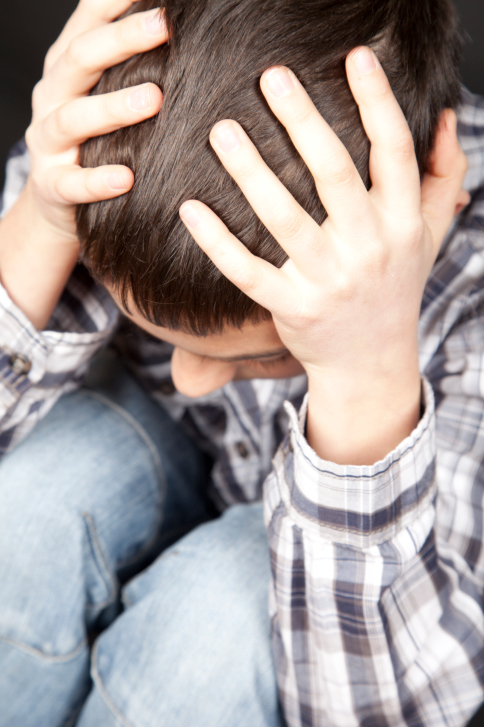
 A seizure is a sudden and unexpected loss of control accompanied by abnormal body movements or convulsions, a loss of consciousness, or both. Though epileptic seizures are caused by sudden, rapid, and chaotic electrical discharges in the brain, not all seizures are epileptic.
Psychogenic nonepileptic seizures (PNES) are not caused by abnormal discharge of electrical brain signals, but instead are emotional in nature and usually triggered by stress or anxiety. Although these seizures are rarely discussed, they are not rare. PNES have a prevalence similar to that of multiple sclerosis.
Statistically, one in five people sent to epilepsy centers experience PNES rather than epilepsy. In fact, a team of physicians and psychologists at Johns Hopkins Hospital reported that more than one third of patients admitted to the inpatient epilepsy monitoring unit were experiencing stress-triggered seizures rather than true epileptic seizures.
Diagnosing Psychogenic Nonepileptic Seizures
Because PNES can mimic epileptic attacks, they are often misdiagnosed. At least 80% of patients experiencing PNES are treated with antiepileptic drugs for several years before a correct diagnosis is made.
[fat_widget_right]The source of this dilemma is multifaceted. Most physicians do not have access to electroencephalogram (EEG) video monitoring, and even those who do can easily misread an abnormal EEG without video if they have not been specifically trained in epileptology. A 2005 study of 46 patients published in the Neurology journal revealed that 54% of EEG readouts were misinterpreted as epilepsy.
Epileptic seizures tend to be more serious than PNES. If there is any doubt, a neurologist will usually treat the more serious condition. If medication fails to treat seizures, a patient is then referred to an epileptic center, and it is often there that the diagnosis of PNES is made.
With proper equipment and specialized knowledge, an epileptologist can easily distinguish between epilepsy and PNES. An EEG-video monitoring system monitors a patient for several hours and sometimes days until a seizure occurs, though there are techniques that can be used to trigger a seizure to speed up the monitoring process if necessary or desired. By analyzing the video of the seizure, a diagnosis of PNES can be made with 100% certainty.
Causes and Risk Factors
PNES is a somatoform illness, meaning that emotional stress creates physical illness in the body. These seizures are emotional in nature—induced by stress—and often result from traumatic experiences, some of which may have been repressed or forgotten. Such traumas may include divorce, physical or sexual abuse, death of a loved one, incest, or any other great loss or sudden upheaval in one’s life.
Individuals without developed coping skills may be more susceptible to PNES than those with a high level of resiliency to stress. A team of neuropsychologists and neurologists at Johns Hopkins University School of Medicine found that people with PNES don’t necessarily have a higher frequency of stress and/or trauma than others, but they seem to lack effective coping mechanisms to deal with stress and are thus more affected by it.
Coping with Diagnosis and Stigma
Psychosomatic illnesses like PNES are often misunderstood by family members and even by physicians and other health care professionals. A person may be reluctant to accept the diagnosis and become upset when told the seizures are psychological. Some people completely refuse to accept the diagnosis and continue to take antiepileptic drugs even as symptoms continue. This places responsibility on the physician to stop administering the drugs.
A lack of public knowledge and awareness of PNES only increases the misconceptions, misdiagnoses, and stigmatization of the illness. Somatoform illnesses like PNES are real—resulting from real stressors and traumas—and should be treated as such.
Treatment and Outcomes of PNES
Overall, PNES can be treated if properly diagnosed. The earlier the diagnosis, the better the outcome may be. About 70% of people who receive adequate treatment for PNES eventually experience a complete disappearance in seizures. The recovery time will vary from patient to patient depending on the severity of the traumas and stressors involved, as well as the person’s established coping mechanisms and resiliency to stress.
While a neurologist typically treats epileptic seizures, PNES tends to be treated by a psychologist or other mental health professional. Someone who has been newly diagnosed and has been taking antiepileptic drugs will need to work with a neurologist to gradually come off the drugs rather than stopping use abruptly.
About 70% of people who receive adequate treatment for PNES eventually experience a complete disappearance in seizures.Treatment for PNES typically involves various types of psychotherapy. Cognitive behavioral therapy (CBT) may be used to help people develop adequate coping skills to deal with life stressors. Relaxation techniques and biofeedback are also used to help manage and cope with stress.
For those whose seizures are a manifestation of past trauma, PNES is typically treated as posttraumatic stress. In this case a physical seizure may be the body’s way of expressing what the mind cannot. Some physicians have also found eye movement desensitization and reprocessing (EMDR) to be an effective treatment for PNES.
EMDR is a synthesis of many different therapeutic approaches including CBT, psychodynamic, interpersonal, body-centered, and experiential therapies. This information-processing therapy occurs in eight phases—attending to past traumas that contribute to the pathology being treated; the current situations, beliefs, and sensations that are triggering the dysfunctional emotions; and the positive experiences needed to improve mental health and well-being in the future.
The costs of being treated for misdiagnosed epilepsy are high and should not be ignored. As the incidence of misdiagnosed PNES continues, it is important for neurologists, psychiatrists, and psychologists to work in collaboration to raise public awareness, remove the stigma, and provide proper diagnosis, treatment, and support.
References:
- Benbadis, S.R. and Heriaud, L. Psychogenic (Non-Epileptic) Seizures: A Guide for Patients and Families. (n.d.). Comprehensive Epilepsy Program: Tampa General Hospital & University of South Florida College of Medicine. Retrieved from: http://hsc.usf.edu/COM/epilepsy/PNESbrochure.pdf
- Desmon, S. (2012, April 10). Symptoms that Mimic Epilepsy Linked to Stress, Poor Coping Skills: Patients with “Pseudo-Seizures” Often Misdiagnosed. Johns Hopkins Medicine. Retrieved from: http://www.hopkinsmedicine.org/news/media/releases/symptoms_that_mimic_epilepsy_linked_to_stress_poor_coping_skills
- The Truth about Psychogenic NonEpileptic Seizures. (n.d.). Epilepsy Foundation. Retrieved from: http://www.epilepsy.com/article/2014/3/truth-about-psychogenic-nonepileptic-seizures
- What is the actual EMDR session like? – EMDR International Association. (n.d.). Retrieved from http://www.emdria.org/?120
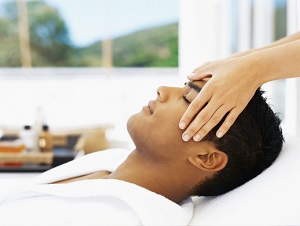 Many people have problems with daily life that begin in the brain. There are many ways this can occur. High levels of stress over time can cause problems with sleep, energy, and mood. A mild traumatic brain injury from a car accident or sports injury may cause difficulty with memory and attention span, and may induce depression. Exposure to chemicals such as those used in chemotherapy can cause problems with mental clarity, leading to a condition referred to as “chemo brain.” Problems with focus, concentration, and attention can be related to a variety of psychiatric diagnoses or sleep deprivation. Is taking medication always the answer?
The Low Energy Neurofeedback System (LENS) was developed in the early 1990s by Len Ochs, PhD, a northern California psychologist. LENS was created as an alternative to medication for brain-based problems and is often used along with psychotherapy. LENS is a computer-based software program that is connected to an EEG box, which measures brainwaves. LENS directly stimulates biochemical changes that are thought to help the brain regulate itself.
The brain is both a biochemical and a bioelectrical system. Medication works on the chemical system, while LENS works on the electrical system. We might think of LENS helping the brain to reboot, like a computer that is no longer functioning optimally. LENS is just as safe and effective as traditional neurofeedback, and works much more quickly, saving both time and money.
Process of Treatment
The treatment itself consists of sitting quietly in a comfortable chair with your eyes gently closed, while the neurofeedback practitioner applies a tiny electrode with conductive paste to your scalp to both measure the brainwave activity and to deliver treatment. It is a completely painless and noninvasive procedure and most find it very relaxing.
Treatment consists of invisible radio frequency waves that are 4,000 times weaker than what your brain is exposed to each time you hold a cellular phone to your head. Not only is the feedback signal incredibly weak, but the length of exposure to it is extremely short. The duration of actual feedback during a typical LENS session is from one second to one minute per site on the head. It might seem impossible that a signal so weak could do anything at all, but it is effective because the brain can respond to the low-energy signal, whereas it would react and defend against a stronger one.
Neurofeedback clinicians have noticed a strong connection between excessive activity in the EEG, particularly in the slower brainwaves, and difficulties with mood, energy, focus, and mental clarity. Trauma and stress tend to cause EEG suppression, in which the brain protects itself from overload and seizure activity by reducing activity, which in turn limits functioning. In this case, the person doesn’t have the full range of emotions, thoughts and abilities they once had. LENS helps to normalize both excess activity and suppression in the EEG, and people feel better and are able to do more of what they want. Most people who receive LENS treatment report feeling more calm, relaxed, and in control of themselves.
Who Can Benefit from LENS?
We all know individuals who are rigid and inflexible, who are stuck in patterns of thinking and feeling that make them miserable, and yet they just can’t seem to change. Some people struggle because they seem to be perpetually stuck in overdrive — unable to wind down at the end of the day, or even to sit still for very long without excessive fidgeting, foot tapping, knuckle cracking, or frequent smoking breaks. Other people seem to be perpetually shut down emotionally and physically, with a sad, downcast appearance, low energy, and minimal interaction with others.
These patterns of thinking, feeling, and behaving are both psychological and physiological. Releasing suppression and reducing excess activity in the brain allows the person to begin to feel that change is possible, so they can begin to make new choices and form new habits. Psychotherapy combined with LENS neurofeedback treatment is optimal in these cases. LENS helps make the brain more flexible and therapy provides the support and coaching for how to make changes and develop new patterns in how we deal with our thoughts and emotions.
One woman I worked with, “Linda,” a middle-aged attorney, had suffered a mild traumatic brain injury ten years ago during a car accident. Her doctors told her, “this is as good as it’s going to get” when she complained of memory problems, headaches, insomnia, and the feeling that her brain “just didn’t work right anymore.” Since then, she was forced to give up her law practice because of these limitations. Her self-esteem and relationships suffered, leading to depression and a feeling of hopelessness about the future.
Linda began to respond to LENS within four or five sessions. Over the course of the four months I worked with her, I saw her twice weekly and each time we met, I noted and she reported improvements. She became giddy when she suddenly realized she could remember words that she had not been able to think of in over a decade without effort. As her limitations were eliminated, her mood brightened as well.
When I first met Linda she presented as someone who had given up and was just going through the motions, appearing disheveled, with dirty hair and stained and wrinkled clothing. She arrived smiling on the day of our final LENS session, her hair and nails freshly done, wearing a bright and flattering dress. As she left, she tearfully thanked me for “giving me my life back.†She had already announced to friends and family she was reopening her law practice and was open for new referrals.
 Scents, Memories, and Emotions
The use of pleasant aromas to enhance well-being dates back thousands of years. Fragrant oils were ceremonially used in the Far East, as well as in ancient Egypt and Greece. Essential oils were extracted from herbs and flowers to create medicines and perfumes, to scent one’s home, and to anoint the ill and deceased.
Smell is considered to be the most poorly understood of our senses, yet most have experienced the powerful ability of familiar scents to trigger emotions and memories of times past, such as people in our lives, places we miss, or particular events, such as the holidays.
Who among us has not passed a restaurant or bakery and been immediately transported to another time when a similar dish or baked good was enjoyed, with all of its emotional accompaniments? Have we not all smelled a particular laundry detergent or perfume and thought of a loved family member or former flame? For some, even less-than-pleasant odors can call to mind a cherished memory. I have heard people say that walking into a faintly damp or musty house reminded them of the fun and friendships of summer camp, even 30 or more years later.
Today, the term aromatherapy refers to the deliberate use of plant-derived oils to enhance physical and emotional health. Although aromatherapy is still considered to lie outside the realm of medically accepted therapies and mainstream psychotherapy, interest in this area has grown substantially over the past few decades. Most of those who use aromas for healing tend to do so as part of a whole-person approach to healthcare, rather than as a stand-alone treatment. When applied thoughtfully, aromas may be incorporated into more “mainstream†healthcare practices with good results.
The Impact of Scents on Stress and Performance: What’s the Evidence?
Research related to the impact of scents, particularly essential oils, on mood has increased since the 1970s. Specifically, there have been several studies on the use of essential oils, such as lavender and rose, as well as other pleasant aromas to reduce stress. Lavender in particular has been shown to reduce self-reports of stress. In some preliminary research,  lavender was also linked to increased peripheral blood flow (an effect associated with relaxation) and a decrease in blood pressure, as well as positive changes in heart rate variability. In another trial, peppermint and lavender essential oils were associated with increased accuracy while proofreading.
The calming benefits of pleasant aromas many not be limited to essential oils, however. In at least two studies, the scent of coconut has been associated with decreased startle response, whereas an unpleasant scent (Limburger cheese) was associated with an increased startle response. A more recent study suggested that exposure to pleasant scent (also coconut) may blunt the body’s response to performing a stressful task and also enhance recovery after the stressor has stopped. It is important to note that most of these studies have had methodological challenges, including small numbers of people participating in the trials. Nonetheless, the results are thought-provoking and may make intuitive sense to those who have experienced subjective benefits from aromatherapy.
Aroma in Psychotherapy
How might this be relevant to the practice of psychotherapy? Pleasant aromas can be paired with relaxation training, such as diaphragmatic breathing, mindfulness practice, hypnotherapy, and biofeedback. Doing so may link the experience of relaxation with the scent sufficiently so that in the future, exposure to the scent alone may be enough to elicit the relaxation response.
In cognitive behavioral therapy, this pairing is referred to as “associative learning†or “higher-order conditioning,†and the goal is for the conditioned stimulus (the scent) to trigger the same response as the biofeedback, breathing, or meditation does.
I have frequently used scent as a therapeutic adjunct during all of the above types of treatments for both children and adults. Many have reported enjoying the use of this tool in session and on their own, eventually noticing that they can more quickly and effectively access a state of calm. Even something like at-home mindfulness practice involves “taking in†and being present with the scent of what one is consuming or doing. This includes experiencing fully the aromas associated with eating, drinking, or walking in nature. Thus, being mindfully present can be “aromatherapeutic†or at least “aroma-awareâ€â€”even without deliberately introducing a specific scent.
The at-home use of pleasant aroma can be as simple as adding a few drops of an essential oil to a hand or body lotion or hair conditioner, buying natural laundry or cleaning products that feature relaxing or invigorating essential oils, chewing a stick of peppermint gum while proofreading a term paper, or mindfully sipping a cup of fragrant tea.
Common Sense with Scents
When using scent in psychotherapy, it is important to take into account people’s individual preferences for and aversions to various aromas and be aware of the fact that some dislike using any scent at all. Similarly, it is important to inquire about emotional associations to scents that may be popular but could elicit unpleasant memories (“Ugh! My old boss always wore rose oil!â€).
Finally, it goes without saying that one should:
- Ask about allergies to any scents
- Place undiluted oils on tissue or another object, rather than directly on the person, as many are harmful when applied to the skin at full strength
- Educate oneself about the properties associated with different oils before introducing them into the work.
Additional Aromatherapy Resources
- For general information about aromatherapy, you can visit:Â www.aromaweb.com
- For information about training in clinical aromatherapy and the use of aromatherapy by health professionals, you can visit Dr. Jane Buckle’s website: http://www.rjbuckle.com/home.html or read her text, Clinical Aromatherapy: Essential Oils in Practice
- For a recent scientific article describing some of the studies mentioned here, see the text (available to journal subscribers and at many medical or nursing school libraries): Mezzacappa, E.S., Arumugam, U., Yue, S.I., Stein, T.R., Buckle, J., & Oz, M.C. (2010). Coconut fragrance and cardiovascular response to laboratory stress: Results of pilot testing. Holistic Nursing Practice, 24(5).