
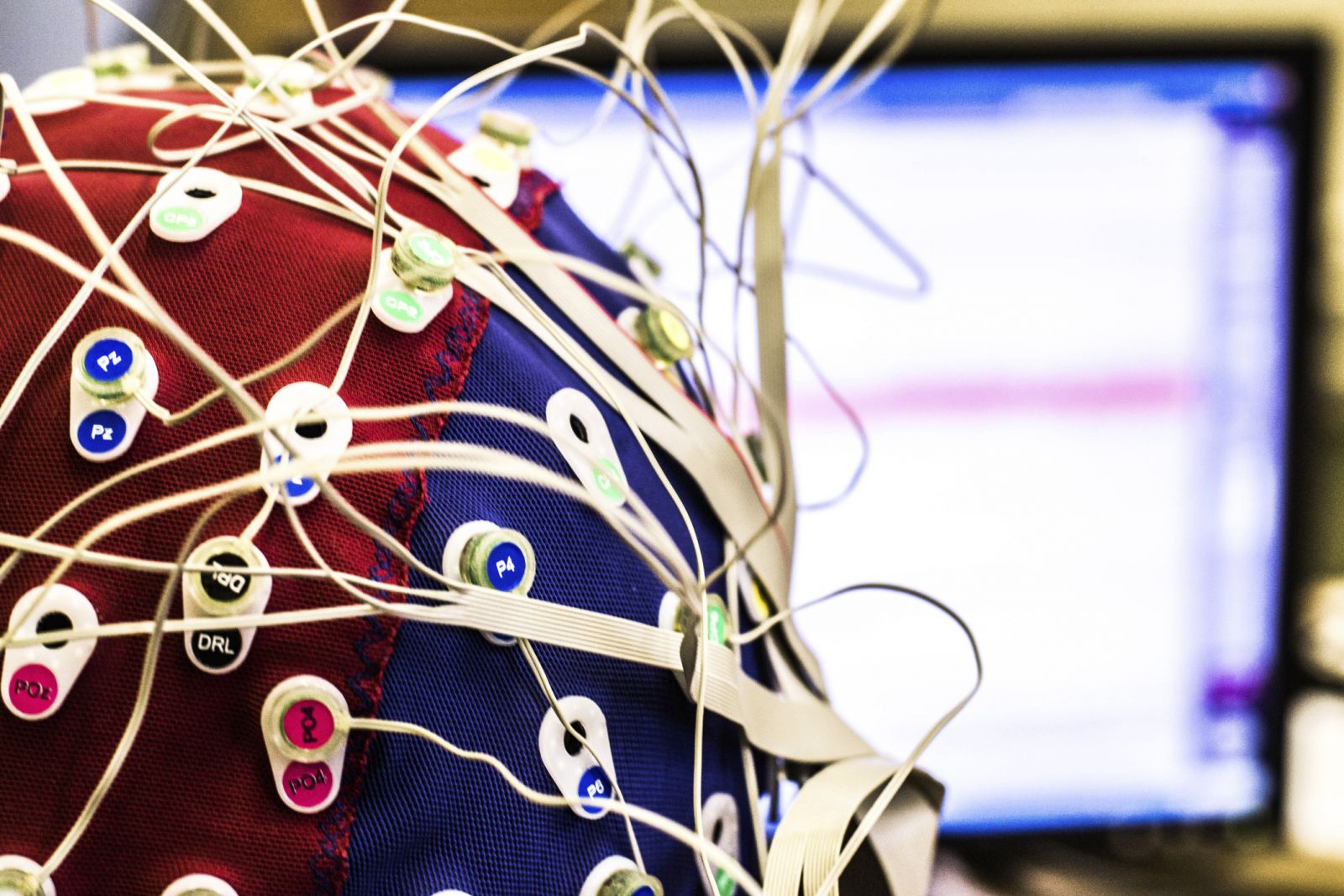
Biofeedback is a mind-body technique that empowers individuals to gain conscious control over typically involuntary physiological functions, including heart rate, muscle tension, skin temperature, and brain activity. Through the use of specialized sensors and real-time feedback, this evidence-based therapy teaches people to recognize and modify their body's responses to improve health outcomes and quality of life.
When we perform voluntary actions like walking or typing, we consciously control our movements. However, many critical bodily functions — such as blood pressure regulation, pain perception, and stress responses — typically operate outside our conscious awareness. Biofeedback bridges this gap by providing immediate information about these physiological processes, enabling individuals to learn self-regulation skills that can lead to lasting improvements in both physical and mental health.
Table of Contents
- How Biofeedback Works
- Development and Scientific Foundation
- Types of Biofeedback
- Conditions Treated with Biofeedback
- What to Expect During Treatment
- Effectiveness and Clinical Outcomes
- Benefits Beyond Clinical Settings
- Considerations and Limitations
- Frequently Asked Questions
- Find a Biofeedback Therapist
How Biofeedback Works
Biofeedback operates on principles of reinforcement-based learning, where individuals receive continuous feedback about their current physiological state and learn to shape their responses through practice. The process involves three key components:
1. Monitoring: Specialized sensors detect physiological signals such as muscle tension, heart rate, or brain waves
2. Feedback: This information is displayed in real-time through visual or auditory cues
3. Learning: With guidance from a trained therapist, individuals practice techniques to modify these signals
The feedback loop created by this process enables patients to recognize patterns in their physiological responses and develop conscious control over functions that are typically automatic.
Development and Scientific Foundation
The scientific understanding of biofeedback has evolved significantly since the concept of mind-body connection was first explored thousands of years ago. Modern biofeedback therapy emerged from rigorous research throughout the 20th century, with key contributions from researchers who demonstrated that voluntary control of autonomic functions was possible.
In 1969, the Biofeedback Research Society (now the Association for Applied Psychophysiology and Biofeedback) was established, marking the formal recognition of biofeedback as a legitimate therapeutic modality. The field has since developed standardized definitions and practices, with biofeedback now defined as "a process that enables an individual to learn how to change physiological activity for the purposes of improving health and performance."
Today, biofeedback therapy is firmly grounded in empirical research, with numerous studies demonstrating its effectiveness for various conditions. The FDA recognizes biofeedback devices as medical instruments, and most mental health applications require regulatory approval when used for treating specific conditions.
Types of Biofeedback
Modern biofeedback therapy employs various sophisticated monitoring techniques, each targeting specific physiological systems:
Electromyography (EMG) Biofeedback
- Measures muscle tension and activity
- Particularly useful for targeted assessments and therapeutic interventions in controlled settings
- Commonly used for chronic pain, tension headaches, and rehabilitation after injury
Thermal Biofeedback
- Monitors peripheral skin temperature
- Uses thermistors to detect temperature changes related to blood flow
- Effective for migraine prevention and stress-related conditions
Heart Rate Variability (HRV) Biofeedback
- Measures heart rate patterns and the moment-to-moment changes in heart rhythm
- Has shown benefits for both physical and mental health conditions, including depression and anxiety
- Helps improve autonomic nervous system balance
Neurofeedback (EEG Biofeedback)
- Measures electrical activity of the cortex and displays brain wave patterns to alter brain function
- Provides audio and/or video feedback for desirable or undesirable brain activities
- Used for ADHD, anxiety, PTSD, and cognitive enhancement
Respiratory Biofeedback
- Monitors breathing patterns, rate, and carbon dioxide levels
- Particularly effective when combined with other biofeedback modalities for addressing the relationship between respiratory patterns and neurological processes
Electrodermal Activity (EDA) Biofeedback
- Measures sweat gland activity and skin conductance
- Useful for anxiety and stress management
Conditions Treated with Biofeedback
Research demonstrates biofeedback's effectiveness across a wide range of physical and mental health conditions:
Chronic Pain Conditions
Chronic pain affects approximately 20% of adults globally, creating a complex interplay of physical and psychological factors. Biofeedback offers a promising non-invasive intervention by enabling self-regulation of physiological responses like muscle tension and heart rate, disrupting the cycle of pain and stress.
Specific pain conditions successfully treated include:
- Chronic Low Back Pain: Meta-analysis shows significant pain reduction with medium effect sizes that remain stable over 8-month follow-ups, along with improvements in depression, disability, and muscle tension
- Fibromyalgia: Consistent efficacy as complementary therapy with significant reductions in pain intensity
- Headaches and Migraines: Effective non-pharmacological intervention for reducing headache frequency and severity, with synergistic benefits when combined with pharmacotherapy
- Temporomandibular joint disorders (TMJ)
- Arthritis pain management
Mental Health Conditions
Biofeedback addresses conditions including depression, anxiety, and PTSD, which are characterized by symptoms like amotivation and social anxiety that make traditional treatments challenging.
- Anxiety Disorders: Meta-analyses indicate biofeedback is superior to waitlist controls, though research continues on its superiority to other active treatments
- Depression: Medium effect sizes shown for depression improvement in remote HRV biofeedback interventions
- PTSD: Neurofeedback shows promise with dropout rates lower than traditional trauma-focused therapies, particularly with newer protocols like amygdala-EFP
- Stress-related disorders
Neurological and Developmental Conditions
- ADHD: Combined neurofeedback and respiratory biofeedback therapy significantly improves behavioral problems, anxiety, hyperactivity, and impulsivity, with EEG analysis showing increased frontal theta power associated with reduced anxiety
- Stroke rehabilitation: EMG biofeedback therapy shows significant improvements in post-stroke upper and lower limb function
- Epilepsy management
- Traumatic brain injury recovery
Cardiovascular Conditions
- Hypertension: Systematic review demonstrates significant reductions in both systolic and diastolic blood pressure through biofeedback interventions
- Heart disease risk reduction
- Circulation disorders
Other Conditions
- Sleep disorders and insomnia
- Digestive issues and irritable bowel syndrome
- Urinary and fecal incontinence
- Raynaud's syndrome
- Asthma management
What to Expect During Treatment
A typical biofeedback session follows a structured approach designed to maximize learning and therapeutic benefit:
Initial Assessment
During your first visit, a trained biofeedback therapist will:
- Conduct a comprehensive evaluation of your symptoms and health history
- Explain how biofeedback works and what to expect
- Perform baseline measurements of relevant physiological functions
- Develop a personalized treatment plan
Training Sessions
During treatment, sensors are placed on specific body areas to monitor physiological activity. Patients practice controlling the feedback signal while the therapist provides guidance on techniques like progressive muscle relaxation, deep breathing, guided imagery, or mindfulness meditation.
Standard sessions typically:
- Last 30-60 minutes
- Include real-time monitoring and feedback
- Incorporate practice of self-regulation techniques
- Progress from simple to more complex skills
Home Practice
Many therapists provide:
- Exercises to practice between sessions
- Mobile apps or portable devices for home-based training
- Progress tracking tools
- Ongoing support and adjustment of techniques
Treatment Duration
The number of sessions needed varies based on:
- The condition being treated
- Individual learning pace
- Severity of symptoms
- Consistency of practice
Research shows that outcomes can often be predicted using artificial neural networks based on initial response patterns, helping therapists optimize treatment plans.
Effectiveness and Clinical Outcomes
Recent research provides strong evidence for biofeedback's therapeutic benefits:
Pain Management
- Significant promising results as a noninvasive supplementary treatment for chronic pain, with proven benefits for headaches, lower back pain, and fibromyalgia
- In chronic low back pain, patients show statistically significant reductions in pain intensity, interference, and disability compared to usual care
- Long-term benefits often persist beyond treatment completion
Mental Health Improvements
- College students with anxiety and depression showed improvements after biofeedback, with speech features predicting treatment response
- Scoping review confirms biofeedback as successful treatment for various mental health disorders in both inpatient and outpatient settings
ADHD Treatment Outcomes
- Meta-analysis of 17 RCTs (939 participants) showed significant improvements in global executive function, inhibitory control, and working memory
- Neurofeedback rated as "Level 1 - Efficacious and Specific" for ADHD, particularly SMR and theta/beta ratio protocols
Migraine Prevention
- Recent multicenter trial of app-based biofeedback (279 participants) met primary endpoint with statistically significant reduction in monthly migraine days, improved quality of life, and reduced medication use
- Behavioral interventions including biofeedback may reduce migraine frequency and disability
Stroke Recovery
- EMG biofeedback shows significant improvements in post-stroke limb function with standardized mean difference of 0.44
- Particularly effective for motor relearning and functional recovery
Benefits Beyond Clinical Settings
Biofeedback applications extend beyond traditional healthcare:
Performance Enhancement
- Athletes use neurofeedback to improve attention, concentration, and performance, particularly in sports requiring cognitive control like golf
- Musicians utilize biofeedback for performance anxiety and fine motor control
- Students employ techniques for test anxiety and focus improvement
Workplace Wellness
- Stress management programs for employees
- Heart rate variability biofeedback interventions tailored for high-stress professions like police officers
- Corporate wellness initiatives incorporating biofeedback
Personal Development
- Enhanced self-awareness and emotional regulation
- Meditation and mindfulness training augmentation
- Sleep quality improvement
- General stress resilience building
Considerations and Limitations
While biofeedback is generally safe and non-invasive, several factors should be considered:
Individual Suitability
- Requires active participation and practice
- Cognitive abilities must be sufficient to understand and follow instructions
- Learning self-regulation skills requires conscious control, at least initially
- May not be suitable for severe cognitive impairment
Technical Considerations
- Equipment quality affects accuracy of readings
- Technical issues and software bugs can impact user experience and adherence
- Professional training of therapist influences outcomes
- Home devices vary in sophistication and reliability
Treatment Limitations
- Not a standalone cure for most conditions
- May not be superior to other active treatments in all cases
- Results vary between individuals
- Requires ongoing practice for maintained benefits
Access and Cost
- Insurance coverage varies by condition and location
- Home biofeedback therapy may improve accessibility
- Equipment costs for home use can be substantial
- Trained therapists may not be available in all areas
Frequently Asked Questions
How does biofeedback differ from meditation or relaxation techniques?
While meditation and relaxation are often components of biofeedback training, biofeedback uniquely provides objective, real-time measurements of your physiological state. Unlike passive relaxation, biofeedback actively trains you to increase control through awareness, practice, and learning over time. This measurable feedback accelerates the learning process and helps you recognize when you've achieved the desired physiological state.
Is biofeedback safe for children?
Yes, biofeedback is considered very safe for children and can be particularly effective since young people often learn self-regulation skills quickly. Studies show that combined biofeedback approaches can reduce migraine frequency and disability in children and adolescents. Specialized apps and protocols have been developed specifically for pediatric populations, making the therapy more engaging and age-appropriate.
How long do the benefits of biofeedback last?
Research suggests that the physiological and behavioral effects of biofeedback training persist beyond the duration of feedback sessions. For chronic pain, studies show benefits remaining stable over 8-month follow-ups. However, like any skill, periodic practice or "booster" sessions may help maintain optimal results.
Can I do biofeedback at home without a therapist?
While professional guidance is recommended initially, remote and app-based biofeedback interventions have shown effectiveness for mental health symptoms. Home biofeedback therapy is increasingly recognized as a way to improve accessibility. However, working with a certified therapist first ensures proper technique and maximizes benefits.
What conditions respond best to biofeedback?
Based on current evidence, conditions with the strongest research support include:
- Migraine headaches (effective for reducing frequency and severity)
- Chronic back pain (medium effect sizes maintained long-term)
- Hypertension (significant reductions in blood pressure)
- ADHD (improvements in executive function and attention)
- Anxiety disorders (superior to waitlist controls)
How do I know if biofeedback is working?
Progress is typically measured through:
- Objective changes in monitored physiological parameters
- Symptom reduction tracked through standardized scales
- Improved function in daily activities
- Some centers use AI-based prediction models to assess treatment response
- Your therapist will regularly review progress and adjust treatment accordingly
Find a Biofeedback Therapist
If you're interested in exploring biofeedback therapy, consider these steps:
1. Look for Certified Practitioners: Seek therapists certified by the Biofeedback Certification International Alliance (BCIA)
2. Check Credentials: Ensure your provider has appropriate training in your specific condition
3. Ask About Equipment: Inquire about the types of biofeedback offered and equipment used
4. Insurance Coverage: Verify coverage with your insurance provider
5. Treatment Approach: Discuss how biofeedback will integrate with your overall treatment plan
[Find a qualified biofeedback therapist in your area through the GoodTherapy directory](https://www.goodtherapy.org/find-therapist.html)
Biofeedback represents a powerful convergence of technology and therapeutic practice, offering individuals the tools to actively participate in their healing process. By learning to recognize and modify physiological responses, many people find lasting relief from conditions that significantly impact their quality of life. As research continues to validate and expand applications, biofeedback remains an important option in the spectrum of mind-body therapies available today.
References:
- Arns, M., Clark, C. R., Trullinger, M., deBeus, R., Mack, M., & Aniftos, M. (2020). Neurofeedback and attention-deficit/hyperactivity-disorder (ADHD) in children: Rating the evidence and proposed guidelines. Applied Psychophysiology and Biofeedback, 45, 39–48. https://doi.org/10.1007/s10484-019-09433-3
- Association for Applied Psychophysiology and Biofeedback (AAPB). (2024). Standards and guidelines for biofeedback practice. Retrieved from https://aapb.org/
- Biofeedback Certification International Alliance (BCIA). (2024). Professional standards in biofeedback. Retrieved from https://www.bcia.org/
- Calderone, A., Mazzurco Masi, V. M., De Luca, R., Gangemi, A., Bonanno, M., Floridia, D.,... & Calabrò, R. S. (2025). The impact of biofeedback in enhancing chronic pain rehabilitation: A systematic review of mechanisms and outcomes. Heliyon, 11(2), e41917. https://doi.org/10.1016/j.heliyon.2025.e41917
- Chen, Y., Li, X., & Zhang, W. (2025). Neurofeedback training for executive function in ADHD children: A systematic review and meta-analysis. Scientific Reports, 15, 2245. https://doi.org/10.1038/s41598-025-94242-4
- Galang, L. A., Velásquez, R., Elcin, E., O'Connell, M., Wieck, N., McNair, J., & Colombo, D. (2025). Systematic review and meta-analysis of the relationships between real-time neurofeedback training parameters and acquisition of neural modulation. Frontiers in Systems Neuroscience, 19, 1478501. https://doi.org/10.3389/fnsys.2025.1478501
- Garcia-Rodriguez, M., Pérez-López, C., & Hernández-Sánchez, S. (2025). Effects of a novel non-pharmacological intervention based on respiratory biofeedback, neurofeedback and median nerve stimulation to treat children with ADHD. Frontiers in Human Neuroscience, 19, 1478501. https://doi.org/10.3389/fnhum.2025.1478501
- Hammond, D. C. (2023). The effectiveness of microcurrent neurofeedback on depression, anxiety, post-traumatic stress disorder, and quality of life. Journal of Neuropsychiatry and Clinical Neurosciences, 35(4), 389-400.
- Janssen, T., Zhang, Q., & Martinez, R. (2025). Efficacy and methodology of remote heart rate variability biofeedback interventions for mental health: A systematic review and meta-analysis. Applied Psychophysiology and Biofeedback, 51(1), 45-72. https://doi.org/10.1007/s10484-025-09750-w
- Jenkins, S., Cross, A., Osman, H., et al. (2024). Effectiveness of biofeedback on blood pressure in patients with hypertension: Systematic review and meta-analysis. Journal of Human Hypertension, 38, 719–727. https://doi.org/10.1038/s41371-024-00937-y
- Lazaridou, A., Martel, M. O., Cornelius, M., Franceschelli, O., Campbell, C., Smith, M.,... & Edwards, R. R. (2023). Biofeedback EMG alternative therapy for chronic low back pain (the BEAT-pain study). Clinical Journal of Pain, 39(1), 35-44. https://doi.org/10.1097/AJP.0000000000001078
- National Institute of Mental Health (NIMH). (2024). Workshop: Neurofeedback Intervention Development: Opportunities and Challenges. Retrieved from https://www.nimh.nih.gov/news/media/2024/workshop-neurofeedback-intervention-development-opportunities-and-challenges
- Poole, A. C., Stubberud, A., Simpson, M., et al. (2024). Biofeedback therapy using Cerebri for the prevention of migraine attacks in adults with episodic migraine (BioCer): A randomized, wait-list controlled trial – the study protocol. F1000Research, 13, 775. https://doi.org/10.12688/f1000research.149807.1
- Schmidt, K., Schlicht, M., Deutschendorf, L., Smets, L., Bäuerle, A., & Teufel, M. (2025). Biofeedback training in inpatient mental health facilities: A scoping review. Journal of Clinical Medicine, 14(10), 3491. https://doi.org/10.3390/jcm14103491
- Sharma, R., Kumar, A., & Patel, S. (2025). Efficacy of biofeedback for migraine: A systematic review and meta-analysis. Complementary Therapies in Medicine, 82, 103287. https://doi.org/10.1016/j.ctim.2025.000287
- StatPearls Publishing. (2025, January 18). Advancing Patient Care With Biofeedback. NCBI Bookshelf. Retrieved from https://www.ncbi.nlm.nih.gov/books/NBK553075/
- Tosti, B., Corrado, S., Mancone, S., Di Libero, T., Rodio, A., Andrade, A., & Diotaiuti, P. (2024). Integrated use of biofeedback and neurofeedback techniques in treating pathological conditions and improving performance: A narrative review. Frontiers in Neuroscience, 18, 1358481. https://doi.org/10.3389/fnins.2024.1358481
- Treadwell, J. R., Tsou, A. Y., Rouse, B., Ivlev, I., Fricke, J., Buse, D. C.,... & Mull, N. K. (2025). Behavioral interventions for migraine prevention: A systematic review and meta-analysis. Headache, 65(4), 668-694. https://doi.org/10.1111/head.14914
- Voigt, J. D., Mosier, M., & Tendler, A. (2024). Systematic review and meta-analysis of neurofeedback and its effect on posttraumatic stress disorder. Frontiers in Psychiatry, 15, 1323485. https://doi.org/10.3389/fpsyt.2024.1323485
- Wang, L., Liu, R., Wang, Y., Xu, X., Zhang, R., Wei, Y.,... & Wang, F. (2024). Effectiveness of a biofeedback intervention targeting mental and physical health among college students through speech and physiology as biomarkers using machine learning: A randomized controlled trial. Applied Psychophysiology and Biofeedback, 49(1), 71-83. https://doi.org/10.1007/s10484-023-09612-3
- Wang, R., Zhang, S., Zhang, J., Tong, Q., Ye, X., Wang, K., & Li, J. (2024). Electromyographic biofeedback therapy for improving limb function after stroke: A systematic review and meta-analysis. PLoS ONE, 19(1), e0289572. https://doi.org/10.1371/journal.pone.0289572
