
Authenticity is an essential component of the therapeutic environment. I strive to create spaces for individuals to feel safe, heard, seen, and empowered.
Find a Therapist near Franconia, VA
230 results
25 miles
Accepting new clients
More results
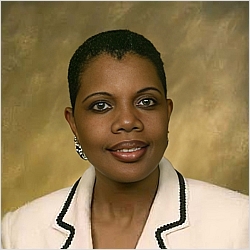
I serve you by creating a safe place as you allow me to enter your sacred place. My communication style is that of a servant-partner rather than an attempt to fix or help you. Throughout our therapeutic relationship, you will reveal a lot of yourself to me; likewise, I will share appropriately about myself. Moreover, I am here to serve you. "When you help, you see life as weak. When you fix, you see life as broken. When you serve, you see life as a whole. Fixing and helping may be the work of the ego, and service the work of the soul." ~ Rachel Naomi Remen Therefore, communication takes on a transactional tone being mindful of social, cultural, and relational contexts as the therapeutic relationship grows. In transactional communication, we both send and receive messages simultaneously and the feedback system is multi-layered - verbally and non-verbally: tone of voice, eye contact, facial expressions, and gestures. In this therapeutic relationship, I refer to you interchangeably, as a client or partner, suggesting reciprocal benefits and responsibilities in the therapeutic relationship. You have the following responsibilities: 1: To inform all providers of your current symptoms, medication adherence, and changes in your overall functioning. 2: To be an informed and active consumer, choosing your Behavioral/Mental Health (BH/MH) team providers and engaging in a fluid treatment model, that best meets your changing needs, including session times, treatment goals, and even referrals to other BH professionals. 3: To seek a second opinion about symptoms and treatment, as you have Autonomy. You do not have to agree with or participate in any interventions recommended to you. It is imperative that psychotherapy or talk therapy be a safe place for you, the client/partner, and the provider. 4: To be informed of alternate therapeutic providers in the event of this provider’s planned and unexpected absences. 5: To provide a complete address at the start of the telehealth session. 6: To be forthcoming with clinical status changes at the start of the session and any point during the session: thoughts of suicide, self-harm; or harm to others. However, If an ethical dilemma interrupts the flow of the best interest of the therapeutic counseling process, up to and including risk and safety issues, this provider’s clinical judgment will be the determining factor when referring or terminating the treatment relationship with much grace and care.

If there is one thing I hope you take away from an encounter with me, it is this: you are precious and valuable. That belief is at the heart of what I call Treasure Therapy. I believe every person has inherent dignity and worth, even when life, relationships, failure, shame, conflict, or loss have made it difficult to feel that way. My passion is engaging people in deeper therapeutic encounters that lead toward hope, meaning, connection, growth, and healing. I am especially passionate about helping people understand the deeper patterns shaping their lives and relationships. Rather than focusing only on symptoms or surface-level solutions, I work from a whole-person perspective that considers your emotions, relationships, history, body, beliefs, values, sexuality, spirituality, and the systems you are part of. Couples therapy is one of my primary specialties, and it has been for more than 15 years. With a PhD in Marriage and Family Therapy, I am trained to understand not only each partner individually, but also the relational system they create together: the patterns of attachment, conflict, intimacy, communication, and protection that can keep even loving couples stuck. My role is not to decide who is right or wrong. It is to understand the relationship itself, help each partner feel heard, identify the cycle underneath the conflict, and help you create a healthier, more connected way of relating. I work with couples dealing with recurring conflict, emotional disconnection, communication difficulties, trust injuries, sexual and intimacy concerns, differences in desire, parenting stress, life transitions, attention-deficit hyperactivity (ADHD) and neurodivergence within relationships, and questions about whether or how the relationship can move forward. I also enjoy working with couples who are not in crisis, but want greater closeness, emotional safety, intimacy, and depth. I also work with individuals around relationships, ADHD and neurodivergence, self-worth, anxiety, depression, sexuality, intimacy, identity, spiritual questions, life transitions, and the challenge of integrating the different parts of ourselves into a more satisfying life. I have been counseling individuals, couples, families, and groups since 2007. I am a Licensed Marriage and Family Therapist (LMFT) in Maryland, Washington, DC, and California, and I am approved by Maryland to provide clinical supervision to therapists in training. My approach is evidence-based, but I also believe therapy should feel human. You should not feel like a diagnosis, a checklist, or a problem to be fixed. Good therapy should involve curiosity, honesty, compassion, challenge, and real engagement. I want to understand not only what is happening in your life, but also what it means to you, and what kind of life and relationships you want to create. Because I am also a former pastor, I can integrate faith and spirituality into therapy for clients who want that. For some people, faith is a central source of meaning, hope, identity, and strength. For others, religion may be complicated, painful, or not important at all. You do not need to share my beliefs, or hold any religious beliefs, to feel welcome here. I work with people of many faiths, backgrounds, identities, cultures, relationship experiences, and life choices. My goal is not to impose my worldview on you, but to understand yours and help you live more fully in alignment with what matters to you. Outside the therapy room, I have been married for nearly two decades, and I am the father of two boys. I understand personally that relationships do not happen in a laboratory. Marriage, parenting, work, stress, health, sex, money, faith, family history, and ordinary exhaustion all interact in real life. If you are looking for a therapist who will go deeper than surface-level advice, who understands the complexity of relationships, and who will engage you with warmth, honesty, and respect, I would be glad to work with you. Whether you are trying to repair a relationship, deepen one that is already good, rediscover intimacy, understand yourself better, heal from something painful, or simply become more fully who you are, I believe there are treasures within you worth discovering.

Therapy is a journey into a space where your feelings are welcomed and understood. Imagine a calm environment with soft light, warm air, and the gentle scent of lavender. This atmosphere provides comfort and ease, allowing you to settle more deeply into yourself. At the center is a mirror, not an ordinary mirror, but one that reflects your authentic self: vulnerable, radiant, and whole. In this supportive space, you are invited to recognize and accept all aspects of who you are, including your strengths, challenges, and areas of growth. Therapy becomes a process of healing and self-discovery, where you learn to embrace yourself with compassion and openness. With each passing moment, you feel yourself softening, embracing this mirror as it shows you who you truly are. And as you stand there, something shifts. You begin to uncover the pieces that make you whole, cherishing them, nurturing them, letting them grow. The journey of therapy is not just about healing; it is about discovering and embracing the profound beauty within you, piece by piece, moment by moment. In our first session, we will review essential consent forms and complete an intake questionnaire. This allows me to gather vital information about your unique experiences and needs, ensuring that our work together is tailored specifically to you. In subsequent sessions, we will collaboratively create a personalized plan aimed at helping you achieve your goals, fostering growth and healing every step of the way. You are not alone on this journey. I am here to support you in navigating the complexities of your life with compassion and understanding.
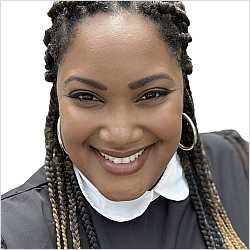
Life can be challenging, and sometimes we all need a safe space to pause, reflect, and rediscover our strengths. I believe every person has value, resilience, and the ability to create meaningful change when they are met with compassion, understanding, and the right support. My goal is to provide a welcoming environment where you feel heard, respected, and empowered throughout your healing journey. I’m a Licensed Clinical Social Worker (LCSW) in Virginia. I work with children, adolescents, adults, and families experiencing anxiety, trauma, behavioral concerns, life transitions, emotional regulation difficulties, self-esteem challenges, and family conflict. My experience includes supporting youth and families in community and home-based settings, working with individuals experiencing homelessness, providing crisis intervention, assisting individuals with intellectual and developmental disabilities, and helping clients develop practical life and coping skills. My approach is person-centered, meaning I meet you where you are and recognize that your experiences, strengths, and goals are unique. I believe therapy is a collaborative process, and together we will identify what matters most to you while building the confidence and skills needed to move forward. While I provide support and encouragement, I also gently challenge clients to recognize unhealthy patterns, embrace personal growth, and develop healthier ways of thinking and responding to life’s challenges. I integrate evidence-based approaches including cognitive behavioral therapy (CBT), dialectical behavior therapy (DBT), solution-focused therapy, reality therapy, strengths-based interventions, and trauma-informed care. Every treatment plan is individualized because there is no one-size-fits-all approach to healing.
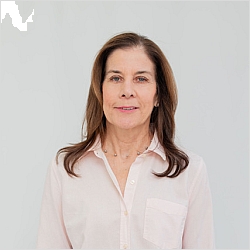
Are you stuck in a painful relationship? Are you suffering from anxiety? Or do you feel your life isn't going the way you want it to? With cognitive behavorial therapy you can learn to have more meaningful relationships, manage anxiety and enjoy a more fullfillng life. I use a psychoeducational format in which I teach you skills to become your own best emotional coach. I will help you learn to understand and feel better about yourself, better about your life. With this self-awareness and skills developed in therapy you will be able to implement healthier behaviors and realize more positive ways of living.
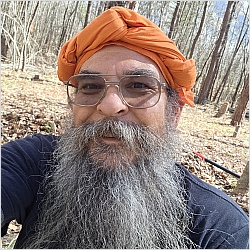
My approach is client-centered and evidence-based, focusing on building resilience, insight, and healthy coping strategies. I provide a compassionate and collaborative environment for exploring both immediate concerns and long-term growth. Clients can expect to gain greater self-awareness, practical coping strategies, and a clearer understanding of the patterns that shape their thoughts, emotions, and behaviors. My goal is to help you feel supported, understood, and equipped with tools you can use beyond our sessions—whether to navigate current challenges, build resilience, or foster long-term personal growth.

Hokunani Womack is a Resident in Counseling in Virginia with over 2 years of experience working with adults dealing with trauma, depression, anxiety, attention-deficit hyperactivity (ADHD), and autism spectrum challenges. She comes from a diverse background and is LGBTQIA+-affirming, passionate about women’s issues, and culturally sensitive. Hokunani has worked in community mental health with people experiencing homelessness and serious mental health challenges, as well as in inpatient and outpatient hospital settings supporting people with a wide range of diagnoses. She has developed an eclectic, trauma-informed approach to counseling and tailors care to each client’s individual needs.
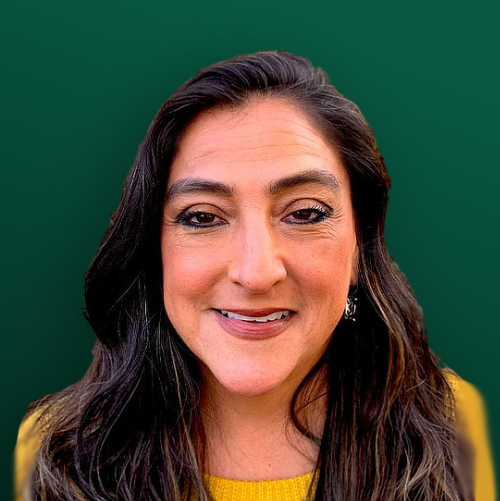
Ann “Lisa” Peralta is a Licensed Professional Counselor (LPC) in Virginia with over 34 years of experience providing clinical assessment and therapeutic care to adults seeking help with a variety of issues. These issues include substance use challenges, stress, depression, and anxiety, to name a few.
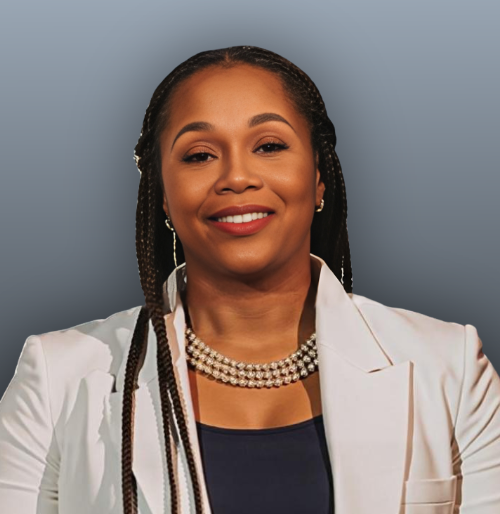
My name is Jacquita White, and I hold a Master’s degree in clinical mental health counseling. I am currently working toward full licensure while providing compassionate, client-centered care under supervision. I work with preteens, adolescents, and adults who may be navigating stress, life transitions, anxiety, relationship challenges, or emotional overwhelm. My goal is to create a supportive space where clients feel heard, respected, and empowered as they work toward meaningful change and personal growth.
I have over 20 years of experience as a therapist, and I want to get to know you as a whole person and in the context of your relationships, your interests, how you make a living, and your beliefs. For couples, this also applies, as well as my POV on seeing the relationship as the client and taking a non-blaming approach. I use a combination of listening, support, validation, education, teaching skills, and providing eye movement desensitization and reprocessing (EMDR), and all of these can be dialed up or back based on what you need and prefer. My style is open and direct, and you can ask me about any part of the process.
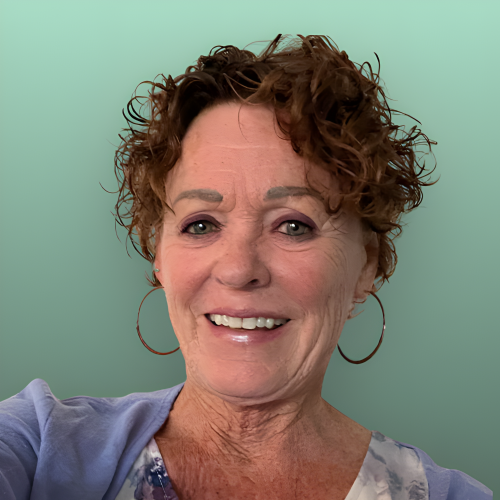
Patty Linville is a Licensed Professional Counselor (LPC) in the state of Virginia who has worked with the Army for the last 9 years, providing therapy for active-duty soldiers and their spouses. She has provided couples counseling, as well as support for retirees and veterans. The concerns she’s helped with include anxiety, depression, trauma, substance use, codependency, and transitioning into the civilian world. Although much of her work has been with the military community, Patty has also worked in the private sector, supporting adults ages 22 to 70 with a range of mental health concerns. She helps people build mental wellness so they can improve their quality of life.
The therapists listed are members of GoodTherapy and pay us a membership fee which helps support our services. By using this site you signify your assent and agreement to our terms of service.
Find a Therapist in Franconia, VA
Living in Franconia offers the benefits of Northern Virginia's vibrant communities while maintaining a close-knit neighborhood feel. However, residents in this bustling area often face unique challenges including work-life balance pressures from Washington D.C. commuting, family transitions, and the stress of managing life in a competitive region.
Whether you're navigating career changes, relationship challenges, or simply seeking personal growth, professional mental health support can provide valuable guidance and tools for lasting positive change.
Since 2007, GoodTherapy has been dedicated to connecting people with ethical, compassionate therapists who understand that all individuals are capable of change and deserve dignity and respect. Our mission focuses on breaking down barriers and building bridges to make quality mental healthcare accessible to everyone.
Mental Health Support in Franconia
Franconia residents commonly seek therapy for anxiety, depression, relationship challenges, work-related stress, and trauma recovery. The pressures of Northern Virginia living, including long commutes, high cost of living, and fast-paced lifestyles, can contribute to mental health concerns that benefit from professional support.
Local factors such as seasonal changes, community transitions, and the demands of balancing career and family life in the D.C. metro area create unique stressors that experienced therapists understand and address effectively.
Therapy Approaches Available in Franconia
Franconia therapists utilize evidence-based approaches tailored to meet diverse individual needs and preferences. Discovering the right therapy approach can significantly impact your healing journey.
Cognitive Behavioral Therapy (CBT) helps identify and change negative thought patterns that contribute to anxiety, depression, and relationship difficulties. This structured approach is particularly effective for managing work stress and developing healthy coping strategies.
Solution-Focused therapy concentrates on building upon your existing strengths and resources to create positive changes quickly. This approach works well for individuals dealing with life transitions or seeking specific goal achievement.
Psychodynamic therapy explores how past experiences influence current patterns, helping you develop deeper self-awareness and lasting emotional healing. This approach benefits those seeking to understand recurring relationship patterns or long-standing emotional challenges.
Interpersonal therapy focuses on improving communication skills and relationship dynamics, making it valuable for couples, families, and individuals experiencing social difficulties.
Specialized Services
Many Franconia therapists offer specialized services including couples counseling, family therapy, trauma treatment, and support for specific populations such as teens, young adults, and working professionals managing career stress.
Finding Your Right Therapeutic Match
GoodTherapy's directory helps you find therapists based on your specific needs, preferences, and circumstances. Our platform allows you to filter by location, specialties, insurance accepted, and therapeutic approaches to identify the best fit for your situation.
What to Consider in Your Search
Consider factors such as the therapist's experience with your specific concerns, their therapeutic approach, availability for appointments that fit your schedule, and whether they accept your insurance or offer flexible payment options.
Getting started involves browsing therapist profiles, reading about their specialties and approaches, and reaching out to those who seem like a good match. Most therapists offer brief consultations to help determine if they're the right fit for your needs.
Making Therapy Affordable
Many Franconia therapists accept insurance plans and offer sliding scale fees based on income to make therapy more accessible. Budget-friendly therapy options exist to help you prioritize your mental health regardless of financial constraints.
Additional cost-effective options include group therapy sessions, community mental health centers, and various ways to receive therapy including online sessions that can reduce travel time and costs.
Expanding Your Search
If you're looking for additional options or specialized services not available locally, consider expanding your search to nearby communities. The greater Northern Virginia area offers extensive mental health resources within a reasonable distance from Franconia.
Taking the First Step
Seeking therapy demonstrates strength and self-awareness. Understanding how therapy helps can provide motivation and clarity about what to expect from the therapeutic process.
Ready to begin your journey toward better mental health? Seek professional support today by exploring our directory of qualified therapists in Franconia who are committed to providing ethical, compassionate care.
Related Resources
- discover therapy options
- budget-friendly therapy
- ways to receive therapy
- how therapy helps
- seek professional support
Find Therapists in Nearby Cities
Frequently Asked Questions
How do I find a therapist near me in Franconia, VA?
Use GoodTherapy's directory to search for licensed therapists in Franconia. You can filter by specialties, insurance accepted, and therapeutic approaches to find the best match for your needs.
What types of therapy are offered in Franconia, VA?
Franconia therapists offer various evidence-based approaches including Cognitive Behavioral Therapy (CBT), Solution-Focused therapy, Psychodynamic therapy, and Interpersonal therapy, along with specialized services for couples, families, and trauma treatment.
How much does therapy cost in Franconia, VA?
Therapy costs vary based on the provider and services. Many Franconia therapists accept insurance and offer sliding scale fees. Contact therapists directly to discuss payment options, insurance coverage, and affordable alternatives.
Can I find therapists who accept insurance in Franconia, VA?
Yes, many therapists in Franconia accept various insurance plans. Use our directory filters to find therapists who work with your specific insurance provider, and always verify coverage directly with both your insurance company and the therapist's office.
What mental health issues do therapists in Franconia, VA commonly treat?
Franconia therapists commonly address anxiety, depression, relationship challenges, work-related stress, trauma recovery, family conflicts, and life transitions. Many also specialize in issues specific to Northern Virginia living such as commute stress and work-life balance.