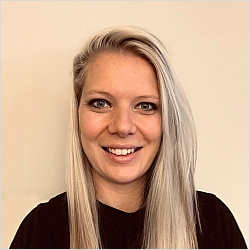
I work with every participant to be as comfortable as possible and often view sessions as your time to share what is important to you! I am along for the journey and to provide safe space and guidance while you work through difficult situations.
Find a Therapist in Arlington, VA
229 results
25 miles
Accepting new clients
More results

I provide a therapeutic platform where the teenage client can vent their feelings in a neutral space but also expect gentle confrontation to develop deeper insight into their thinking and behavior patterns. For aging and chronically ill clients, our treatment examines one's life purpose, resolves crises and grief, and increases empowerment and autonomy.
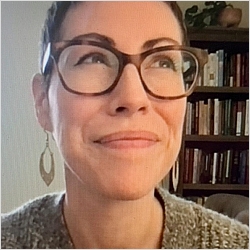
I believe that therapy is most helpful when it is an experience and not just talking about thoughts. As a relational psychodynamic therapist, I think there is a lot to be gained from having more insight and clarity into ourselves and the ways we function in the world and our relationships. As a somatically informed therapist, I think building awareness of our bodies and what they are telling us opens up even more avenues for healing, especially when insight doesn't feel like it is enough. I work holistically and from a trauma-informed lens to combine the two in a way that is uniquely right for you and your needs. To this end, I have completed foundational training in Sensorimotor Therapy for trauma, a somatic psychotherapy, as well as a three-year training in Intensive Short-Term Dynamic Psychotherapy, a modality which combines psychoanalytic insight and depth with a focus on our bodies and emotions. The style of therapy I practice is active and collaborative, focusing not only on intellectual insight but also on helping you to have a new, meaningful experience. I believe a good therapy relationship, like any good relationship, allows us to feel seen, heard, and compassionately challenged to grow and create the change we want in our lives.
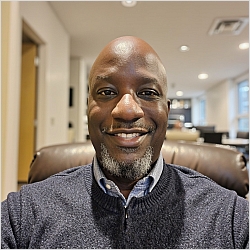
Dr. Morgan treats individuals, couples, families, and children. Dr. Morgan currently provides clinical supervision to Marriage and Family Counselors. He enjoys working with clients who have a broad spectrum of relationship problems. He believes that meaningful change comes from deep within; it is not something that can be imposed by the therapist, nor are you expected to do it alone.
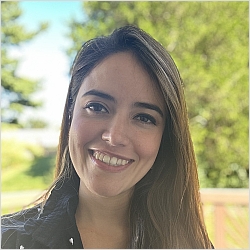
Therapy is a journey into a space where your feelings are welcomed and understood. Imagine a calm environment with soft light, warm air, and the gentle scent of lavender. This atmosphere provides comfort and ease, allowing you to settle more deeply into yourself. At the center is a mirror, not an ordinary mirror, but one that reflects your authentic self: vulnerable, radiant, and whole. In this supportive space, you are invited to recognize and accept all aspects of who you are, including your strengths, challenges, and areas of growth. Therapy becomes a process of healing and self-discovery, where you learn to embrace yourself with compassion and openness. With each passing moment, you feel yourself softening, embracing this mirror as it shows you who you truly are. And as you stand there, something shifts. You begin to uncover the pieces that make you whole, cherishing them, nurturing them, letting them grow. The journey of therapy is not just about healing; it is about discovering and embracing the profound beauty within you, piece by piece, moment by moment. In our first session, we will review essential consent forms and complete an intake questionnaire. This allows me to gather vital information about your unique experiences and needs, ensuring that our work together is tailored specifically to you. In subsequent sessions, we will collaboratively create a personalized plan aimed at helping you achieve your goals, fostering growth and healing every step of the way. You are not alone on this journey. I am here to support you in navigating the complexities of your life with compassion and understanding.
A strong approach to helping people with mental health challenges is patient-centered, collaborative, and holistic. The core idea is to treat the whole person, build trust, and match care to the person’s needs, goals, and preferences, rather than using a one-size-fits-all plan. Core principles Start with respect, empathy, and nonjudgmental listening. People with mental health conditions often do better when they feel heard and not stigmatized. Use a whole-person view that considers emotional, physical, social, and environmental factors, not just symptoms. Explain that there are multiple treatment options, and that a first-line approach may need adjustment over time. Involve the person in shared decision-making so the care plan reflects their values, goals, and comfort level. Practical care approach Assess symptoms, safety, functioning, and supports. Build rapport and ask open-ended questions. Provide education about the condition and treatment options. Collaborate on a realistic care plan. Encourage coping skills, self-management, and follow-up. Reassess regularly and adjust treatment when needed. Helpful support strategies Offer emotional support and practical help. Encourage healthy routines, coping skills, and treatment adherence. Normalize that recovery can take time, and that progress may be uneven. Connect people to community-based services, therapy, peer support, and other resources when appropriate.

I take a holistic approach that incorporates mind, body, and spirit. I believe it's important to integrate life meaning into counseling. I respect all faith backgrounds (including none), work within personal belief frameworks, and have appreciation for alternative paths as well as mainstream religions. I'll work with you to set goals and the proper pacing of therapy. Therapy is a collaboration, as ultimately the power to change rests within you. I emphasize unconditional positive regard, respect, a safe and caring therapeutic relationship, individual strengths, and taking control over choices.
Lyn Ames is a Licensed Professional Counselor (LPC) in Virginia with 2 years of experience. She specializes in helping children, adolescents, and adults navigate challenges related to depression, anxiety, oppositional defiant challenges, anger, relationship issues, parenting challenges, life transitions, behavioral problems, and mood-related challenges. Lyn has served clients through in-home therapeutic services, outpatient therapy, and family therapy. She views life’s challenges as part of the human experience and believes they can help individuals grow.
People enter therapy for many different reasons, but often underneath those reasons is a sense of being stuck in a physical, mental, or emotional place they don't want to be in. For relationships, people often feel stuck in negative patterns of interacting with each other or stuck in a place of pain which they blame on the other. I see myself as partnering with my clients to help them get unstuck and reach their goals for themselves or their relationships. I am active in the therapy session by helping people process more deeply what they are going through, offering new perspectives on the situation, and challenging patterns of thought or behavior that may be contributing to what's happening. I do not see people who come into therapy as sick or weak. I think it takes a lot of strength to reach out for help when times are tough. Therefore, I have respect for those who walk into my office, and I try to do everything I can to get them to where they want to be in life.

Do you find yourself experiencing trust issues, or are you feeling lonely? Are you continuously feeling down or overwhelmed? Consider a reality in which you can cope with the challenges in your life and learn to thrive. My specialties include advanced training in trauma, attachment, and family conflict. Coping with personality disorders is another specialty of mine. I've worked with people age 4-70! There is also a therapy dog in every session. Your quality of life is essential. My work involves helping you create your own trauma-sensitive narrative and recognizing your growth edges to improve your well-being. I can help you explore, build, and constructively pursue goals to work toward that will serve you in the best way. Think about letting yourself rewrite your story. You deserve it. You do not have to live in a state of constantly feeling down or overwhelmed! Overcoming self-sabotaging behaviors is liberating. I believe in the power of resiliency and choosing to take back or create the life you have always wanted to lead. Contact me to start the process of taking back your power and control and building your resiliency.
My communication style is warm, empathetic, and non-judgmental. I believe in creating a collaborative and trusting therapeutic relationship where you feel heard, understood, and valued. I will actively listen to your story, offer feedback and insights, and empower you to find your path to healing and growth.

I believe therapy works best when it feels like a safe and genuine conversation. My role is to listen closely, help you feel understood, and work with you to uncover patterns that may be holding you back. I draw on both psychotherapy and psychiatry, so we can address the whole picture—your thoughts, emotions, relationships, and, when helpful, medication support. I value collaboration and tailor treatment to each person’s unique story and goals. My hope is that our work together not only eases current struggles but also helps you grow in ways that feel meaningful and lasting.
The therapists listed are members of GoodTherapy and pay us a membership fee which helps support our services. By using this site you signify your assent and agreement to our terms of service.
Find a Therapist in Arlington, VA
Living in Arlington offers many advantages, from its proximity to Washington D.C. to its diverse, educated community. However, the fast-paced lifestyle, competitive work environment, and high cost of living can create unique stressors for residents.
Whether you're a Pentagon employee managing work pressure, a young professional navigating career transitions, or a family balancing multiple responsibilities, seeking mental health support is a sign of strength and self-awareness.
Since 2007, GoodTherapy has been dedicated to connecting people with ethical, compassionate therapists who understand that all individuals are capable of change and deserve dignity and respect. Our Arlington therapist directory helps you find qualified professionals committed to eliminating stigma and providing evidence-based care.
Mental Health Support in Arlington
Arlington residents commonly seek therapy for anxiety, depression, relationship challenges, work-life balance issues, and trauma recovery. The county's highly educated population often faces perfectionism, imposter syndrome, and career-related stress.
With 23% of residents being foreign-born and over 29% speaking a foreign language at home, many Arlington therapists offer culturally competent care and bilingual services. The area's military presence, including veterans from Fort Myer and Pentagon staff, also creates demand for trauma-informed therapy and PTSD treatment.
Therapy Approaches Available in Arlington
Arlington therapists utilize various evidence-based approaches to meet diverse client needs. These proven methods help individuals develop coping strategies, process emotions, and create positive life changes.
Cognitive Behavioral Therapy (CBT) helps identify and change negative thought patterns contributing to anxiety and depression. This approach is particularly effective for busy professionals learning to manage work stress and perfectionism.
Solution-Focused therapy emphasizes building on existing strengths to achieve specific goals quickly. Many Arlington clients appreciate this efficient approach that fits their goal-oriented lifestyle.
Dialectical Behavior Therapy (DBT) teaches emotional regulation skills valuable for managing intense feelings and improving relationships. Psychodynamic therapy explores unconscious patterns and past experiences that influence current behaviors.
Specialized Services
Many Arlington therapists offer specialized services including couples counseling, family therapy, addiction treatment, and trauma-focused interventions like EMDR. Some practices provide services in Spanish, Chinese, and other languages to serve the community's diverse population.
Finding Your Right Therapeutic Match
Our directory makes it easy to browse therapist profiles and find professionals who understand your specific needs. You can filter by location, specialty, insurance accepted, and language spoken.
What to Consider in Your Search
Consider factors like therapy approach, scheduling flexibility, and location convenience. Many Arlington therapists offer evening and weekend appointments to accommodate demanding work schedules. Some provide telehealth options for added flexibility.
Don't hesitate to contact potential therapists with questions about their experience, approach, and availability. The right therapeutic relationship is essential for achieving positive outcomes of therapy.
Making Therapy Affordable
While Arlington's median household income is higher than the national average, therapy costs can still be a concern. Many therapists accept insurance, offer sliding-scale fees, or provide payment plans to make treatment accessible.
Community mental health centers and training clinics often provide low-cost therapy options. Employee assistance programs through major Arlington employers may also cover initial counseling sessions.
Expanding Your Search
If you're unable to find the right fit in Arlington, consider exploring options in nearby areas. Expanding your search can provide access to additional specialists and scheduling options while maintaining reasonable commute times.
Taking the First Step
Seeking therapy demonstrates courage and commitment to your wellbeing. Arlington's mental health professionals understand the unique pressures of living in this dynamic area and are equipped to provide compassionate, effective support.
Ready to begin your journey toward better mental health? Use our directory to find qualified therapists in Arlington who can help you navigate life's challenges with confidence and resilience. Get therapy help today and take the first step toward positive change.
Related Resources
Find Therapists in Nearby Cities
Frequently Asked Questions
How do I find a therapist in Arlington, VA who accepts my insurance?
Use our therapist directory to filter by insurance accepted. Many Arlington therapists work with major providers like Aetna, Blue Cross Blue Shield, and United Healthcare. Contact therapists directly to verify current insurance acceptance and coverage details.
What types of therapy are most common in Arlington?
Arlington therapists commonly practice Cognitive Behavioral Therapy (CBT), Solution-Focused therapy, Dialectical Behavior Therapy (DBT), and Psychodynamic therapy. Many also specialize in trauma therapy, couples counseling, and anxiety treatment to address the area's specific needs.
Are there bilingual therapists available in Arlington?
Yes, Arlington has therapists who speak Spanish, Chinese, and other languages to serve the area's diverse population. Use our directory filters to search for therapists who provide services in your preferred language.
How much does therapy cost in Arlington, VA?
Therapy costs in Arlington typically range from $100-200 per session, though many therapists offer sliding-scale fees, accept insurance, or provide payment plans. Community mental health centers and training clinics may offer lower-cost options.
Can I find therapists in Arlington who specialize in work-related stress?
Absolutely. Many Arlington therapists understand the unique pressures of working in the D.C. metro area and specialize in helping professionals manage work stress, burnout, and career transitions. Look for therapists with experience in executive coaching or workplace mental health.