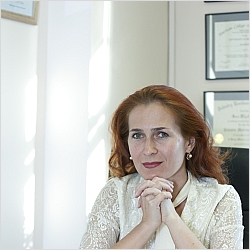
nataliya rusetskaya, Ph.D., LCSW
hoboken, New Jersey
VerifiedTelehealth Available
Professions: Psychotherapist, Sex Therapist, Clinical Social Worker
Languages: English, Russian
Telephone: 201-492-5124
Website: Visit Website
My Approach to Therapy
help individuals and couples create healthier, more fulfilling relationships with themselves and with others. My approach is warm, active, and relational, grounded in the belief that many struggles—anxiety, depression, trauma, sexual concerns, and repeating relationship patterns—are not simply problems to eliminate, but invitations to better understand ourselves, heal old wounds, and create meaningful change. I work to build a therapeutic alliance of trust and safety where clients feel supported in exploring both their pain and their potential.
In my work with couples, I help partners find the key to connection and conflict resolution through improved communication, deeper intimacy, and greater emotional understanding. I am a certified Imago Couples Therapist, and my approach to couples therapy is also shaped by more than 14 years of mentorship by Esther Perel. I support couples in moving through disconnection, betrayal, desire differences, and longstanding relational pain toward healthier, more satisfying, and more conscious relationships.
My broader therapeutic approach integrates Cognitive Behavioral Therapy to help clients identify unhelpful thought patterns, strengthen coping skills, and respond more effectively to stress, fear, and emotional pain. I also draw from psychosexual and relationship-focused work to help individuals and couples deepen intimacy, reconnect with desire, and create more authentic and fulfilling relational lives.
As a clinical sexologist, I work with individuals and couples around intimacy, desire, and sexual well-being. I welcome clients of all sexual orientations, gender identities, and relationship expressions, and I am polyamory informed and LGBTQ affirming. My goal is to help clients move beyond survival patterns into greater clarity, confidence, emotional freedom, intimacy, and connection, so they can create a more alive and meaningful life.
My Practice & Services
In addition to the work I provide personally, my practice also offers complementary services through other team members, including meditation instruction, hypnosis, family therapy, and drama therapy. This broader range of support allows clients to receive care that is more individualized, creative, and responsive to their needs.
What I Love about Being a Psychotherapist
It's very rewarding to see the change, the individual growth of my clients, and the shifts and insights that people gain about their relationships, if we work on some relationship issues.
What I Usually Need to Know to Help
I need to know the level of your motivation, to be clear about your goals in therapy.
When I work with relationship and sexual concerns, I would always need to do a very thorough biopsychosexual history of each person.
Expertise & Specialties
Age Groups I Work With
TeensAdultsElders
Groups I Work With
Individuals, couples, trauma survivors, LGBT, polyamory, divorce, infidelity, immigrants, open relationships,
Therapy Services & Specialties
Clinical SupervisionCoachingConsultationFamily TherapyGroup TherapyIndividual Therapy & CounselingMarriage, Couples, or Relationship CounselingTelehealth
Concerns & Challenges Addressed
Abortion / Post Abortion IssuesAdjusting to Change / Life TransitionsAngerAnxietyAttachment IssuesBlended Family IssuesBody ImageBreakup
Therapeutic Approaches & Evidence-Based Methods
BreathworkCognitive Behavioral Therapy (CBT)Cognitive Processing TherapyEmotionally Focused Couples TherapyExposure TherapyFocusingGestalt TherapyGuided Therapeutic Imagery
Industries & Communities
EducationEntertainment IndustryLGBTQ+Military/Law EnforcementSelf-Employed and Freelance ProfessionalsUnion First