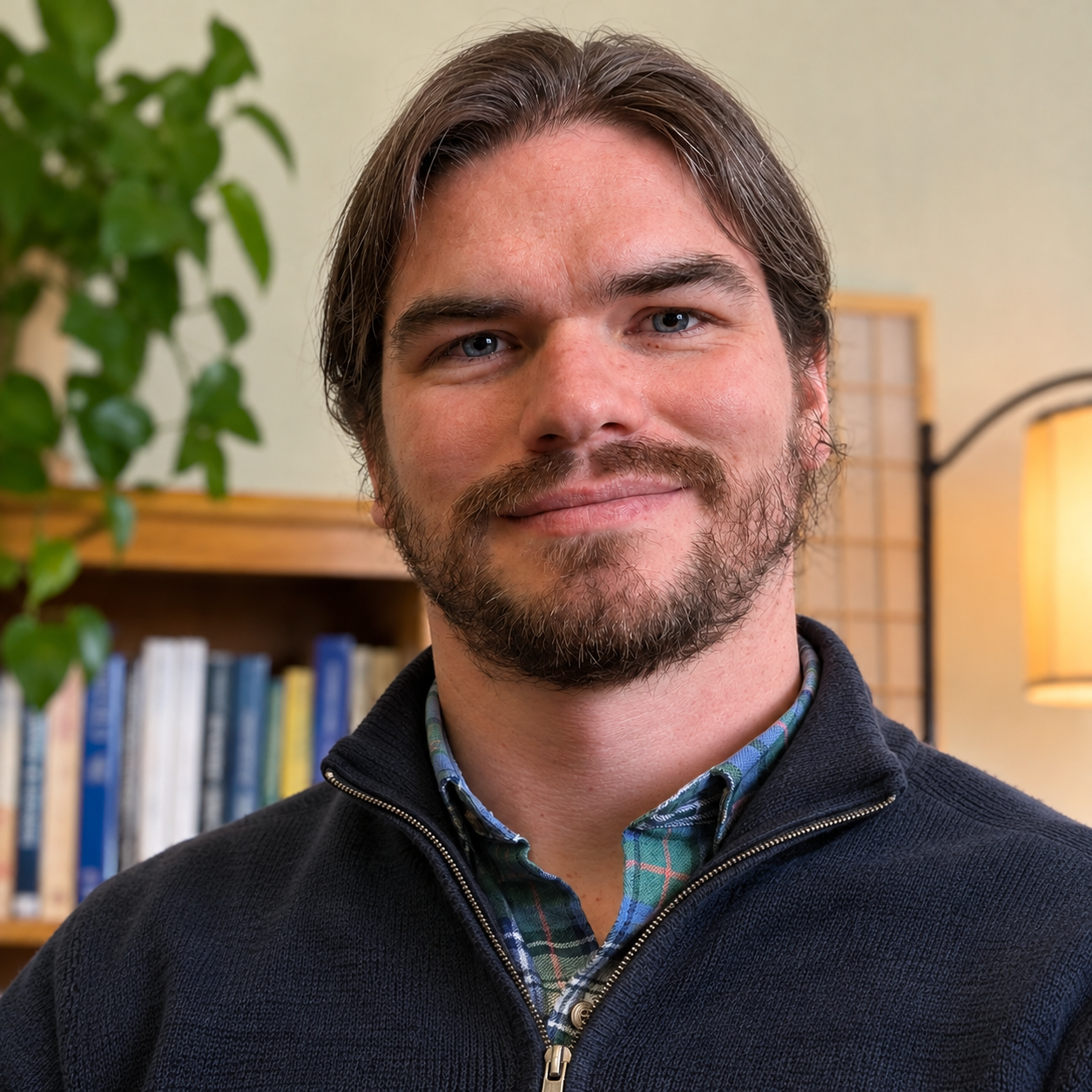
You may be doing your best to keep life moving while privately feeling stuck, overwhelmed, unmotivated, or unsure of yourself. Maybe you know what you “should” be doing but have difficulty following through. You may find yourself caught in the same relationship patterns, struggling with anxiety or depression, having difficulty managing attention-deficit hyperactivity (ADHD), working through substance use or recovery, or questioning where you are going in life. Sometimes the problem is clear. Other times, you simply know that something needs to change. I believe therapy can help you understand what is getting in the way while also helping you develop new ways of responding to the challenges in your life. My approach is compassionate, collaborative, and individualized. I want to understand you as a whole person, not simply as a diagnosis or collection of symptoms. Together, we can look at what is happening in your life now, where certain patterns may have come from, and what might help you move forward. My work is rooted particularly in humanistic, existential, and Jungian perspectives. This means that therapy with me may involve exploring not only symptoms, but also your relationships, past experiences, beliefs about yourself and others, values, and the patterns that shape how you live. Some ways of thinking or coping may have developed for understandable reasons and may even have helped you at one point in your life. We can work together to understand those patterns and determine whether they still serve you. At the same time, I believe insight is most useful when it helps you make meaningful changes in your life. Depending on what you need, I integrate approaches including cognitive behavioral therapy (CBT), acceptance and commitment therapy (ACT), mindfulness, motivational interviewing, psychodynamic therapy, and other evidence-based interventions. For adults with ADHD, I offer a structured cognitive-behavioral approach focused on strengthening executive self-management skills. We can work directly on challenges involving time management, organization, planning, prioritizing, procrastination, getting started on tasks, and following through. We may also address patterns of thinking and emotional obstacles that make it harder to stay motivated and manage everyday responsibilities. The aim is to develop strategies you can practice and apply in your daily life, rather than simply telling you to “try harder” or “be more organized.” Relationships and self-esteem can also be important areas of our work. If you find yourself repeating painful relationship patterns, struggling to communicate your needs, worrying about rejection, or having difficulty setting boundaries, we can explore both where these patterns came from and how you might relate to others differently. If you struggle with self-worth, we can examine the experiences and beliefs that have shaped the way you see yourself while working toward a more compassionate and confident sense of self. I also have a particular interest in meaning, purpose, personal growth, and spirituality. You may be functioning reasonably well on the outside while still wondering what gives your life direction or why something feels missing. If these questions are important to you, therapy can provide a place to explore them. Spirituality can also be part of our work if you want it to be, and I respect each client's individual beliefs and worldview. You do not need to have everything figured out before coming to therapy. We can begin with whatever is bringing you in and work from there. My goal is to provide a space where you can speak honestly, better understand yourself, address what is keeping you stuck, and work toward a life that feels more intentional, meaningful, and fulfilling.
Find a Therapist near Colonie, NY
More results
For over 13 years, I have dedicated myself to supporting people of all ages through a range of stressors, including anxiety, depression, tense family dynamics, grief, chronic illness, and life transitions. In this work, I’ve seen firsthand the tremendous pressures individuals face to appear “okay” and the self-blame that often comes from not meeting unrealistic societal expectations. These experiences have deepened my passion for helping those who are entering parenthood, raising young children, caregiving, redefining roles and boundaries in relationships, and navigating the complexities of grief and loss. Taking the first step to address emotional challenges is an act of tremendous courage, and you don’t have to face it alone. When life feels overwhelming, a strong therapeutic relationship can provide the support needed to navigate your journey toward growth and meaningful change. Together, we can draw on your strengths and collaboratively focus on your goals. If you choose to work together, we can uncover underlying barriers and unhelpful patterns contributing to your distress, while also identifying and strengthening your personal resources to foster growth. My clients frequently describe feeling genuinely listened to, understood, and met with warmth and authenticity during our sessions.
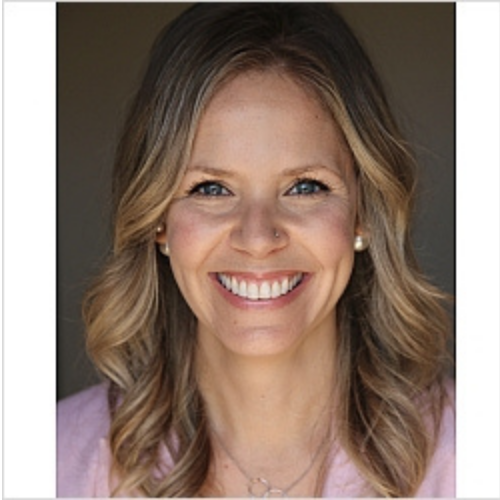
For creatives, the act of creating is as complex as it is sacred. You work in a world where imagination must be boundless, emotions accessible, and resilience ever-present in the face of numerous rejections. It has been my honor and privilege to support many of the extraordinary voices behind film, television, and the fine arts—writers, showrunners, filmmakers, directors, actors, costume designers, and creative executives. Each has a unique journey, yet all share the vulnerability and intensity that the creative life demands. I understand that to be a creative professional means navigating the challenges related to art and commerce, self-doubt, rejection, worklife balance and uncertainty. Whether you’re immersed in the quiet solitude of writing a spec script or coordinating with others on a complex set, the process is uniquely yours—and it deserves a space of reflection and support. I’m a firm believer that healing begins when we let ourselves be seen—really seen—for who we are. Therapy isn’t about fixing; it’s about becoming. It’s about peeling back the layers of expectations, fears, and self-doubt to reconnect with what truly matters to you. In this space, we’ll explore how you’ve internalized messages from family, culture, or society, and work toward letting go of what no longer serves you. The goal is to help you cultivate a sense of belonging within yourself so that you can live a life filled with meaningful work, deep relationships, and authentic joy. Therapy for creatives, women's issues, ethical non-monogamy and therapy for therapists are some of my main areas of focus. I am also certified in EMDR and approach all my work through a trauma informed lens. Call or email me today if you have questions or wish to explore if we are a strong fit.

I believe that helping my clients overcome life's hurdles to reach their fullest potential is best achieved through a partnership approach. I work together with my clients to attain their therapeutic goals. A customized plan will be developed using flexible techniques that may include traditional therapy, regression, education, play therapy, homework assignment, etc.
Do you feel confused or frustrated with one or more of your relationships (including the one with yourself) ? Does it seem like things used to be better and you can't figure out how they went sour? Do you sometimes feel like you'll pull your hair out trying to get the other to hear and understand you?? Whether the struggle is your relationship with yourself, partner or spouse, family member, or friend, relationship snags hurt and can be messy to sort through. Maybe you wonder if things will ever be right in this relationship or question whether you're even valued. If you've tried everything you can think of, you may believe there's no hope. Counseling can help you sort through the tension and muck, clarify what you need, and how you'd like things to be different. You'll can learn and practice skills and behaviors to get more of what you need. It can help you understand and interrupt patterns that replay again and again, to communicate more clearly and productively, rediscover connection, and gain relief from, what may feel like , endless conflict and turmoil. While loved ones can give advice, they can get grumpy if you don't see it their way. A professional counselor can assist you free of value judgements and bias about how things "should" be. You won't hurt our feelings! I'd like to help. Why not contact me and see how I might help you turn things around? **See my blog on the website listed at the upper right corner of my profile.
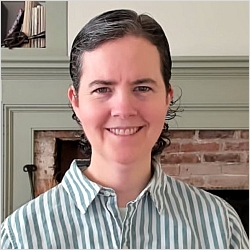
My approach comes from a strengths-based perspective. I believe that individuals and those in relationship have the ability to make significant life changes by identifying the sources of their current difficulties, understanding why their coping methods may have made good sense at the time, and learning new ways of being in the world that fit with who they are now and that support their growth and heart's desire. My role is to provide a supportive, trust-based environment and help individuals and relationship partners create the lives they wish to live. I see a wide variety of individual adults and those in relationships of all sizes, as well as college students, those grieving pet loss, and technical professionals, given my own background as a software engineer. I also specialize in working with those on the autism spectrum, including neurodivergent adults and relationships in which one or more partners are on the spectrum. I use a largely psychodynamic perspective, often integrating mindfulness and cognitive behavioral approaches. I'm interested in research areas of positive psychology, the neurobiology of connection, adaptive solitude, therapeutic journal writing, and the role of nutrition and fitness on mood, mental health, and well-being. I look forward to meeting you!
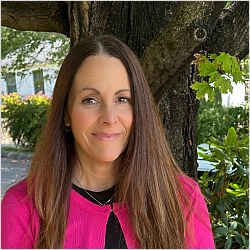
If you’ve landed here, chances are you’re carrying more than you can keep inside. Maybe you feel anxious, overwhelmed, stuck in old patterns, or like the people you love don’t really see what you’re going through. You might even be telling yourself, “I should be able to handle this on my own.” That’s a heavy burden, and you don’t have to carry it alone. At Sycamore Counseling Services, my goal is to create a safe, judgment-free space where you can breathe, be honest, and feel supported. I believe therapy isn’t about “fixing” you—because you’re not broken. It’s about helping you uncover your strengths, untangle what feels confusing, and give you tools to move forward with more confidence and peace of mind. When we work together, you can expect me to be real, compassionate, and direct. I’ll listen closely, but I’ll also challenge you when it’s needed. My approach blends evidence-based therapies with a warm, collaborative style. That means we’ll look at both what’s happening in the present and what past experiences might still be impacting you. Together, we’ll set clear goals, try out practical strategies, and keep checking in so that therapy feels useful and empowering—not just like “talking in circles.” Most importantly, I want you to know you don’t have to show up as anyone but yourself. Therapy with me is about building a genuine connection and helping you get back to feeling like you.
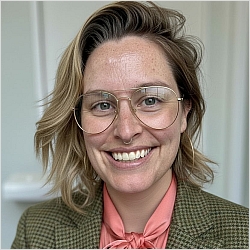
I work toward supporting individual and collective liberation using anti-oppressive frameworks in therapy and supervision. I work with humans who recognize their own agency in their healing processes. I engage with people across different intersections of their identities that impact their lived experiences. By deepening our insights around the patterns, values, and narratives we hold about ourselves, and the systems and relationships we inhabit, we move toward greater understanding and compassion for ourselves and others. I offer a warm, compassionate, direct, engaged, and curious presence. As a licensed, trauma-informed counselor educator and supervisor, I bring expertise in theory, critical and deconstructed application of counseling paradigms, and cutting-edge research translated into effective individual and systemic interventions to support people in their journey toward authenticity, acceptance, and vitality. My approach supports the ongoing processes of becoming and belonging, deepening insight, learning to attune to our own inherent wisdom, and gently welcoming even the parts of ourselves that have felt challenging or unwanted. Despite the messages many of us have received, I believe we each carry deep intelligence, resilience, and creative possibilities for growth. I believe that when we take committed action aligned with our values, meaningful change becomes both visible and felt. I aim to meet you where you are and to collaboratively create a map that supports your growth in therapy and in supervision. My work is rooted in relational-cultural, attachment-based, transfeminist, and experiential approaches. This means I understand healing as something that happens in relationship, and I trust the present moment as a rich source of information and opportunity. Often, growth asks us to slow down, tune in, and sit with ourselves long enough for new possibilities to emerge. I hold each person as complex and interconnected, physically, emotionally, spiritually, and in community. I openly acknowledge the impact of systems of domination, including white supremacy, racism, transphobia, misogyny, classism, ableism, and fatphobia, on individual well-being and access to care. I believe ethical and competent counseling and supervision require ongoing reflection, accountability, and learning. I commit to this through my own supervision, consultation, training, and continuing education. In my role as a clinical supervisor, I integrate an intersectional and transfeminist framework alongside the integrative developmental model (IDM) to support counselors at all stages of development. My practice is eclectic, rooted in somatic, relational, attachment, experiential, and transfeminist therapies. I have been trained in eye movement desensitization and reprocessing (EMDR) levels 1 and 2 for over five years, and I have completed basic exposure and response prevention (ERP) training. I believe we heal in relationship and through connection. I also enjoy offering clinical supervision and consultation.
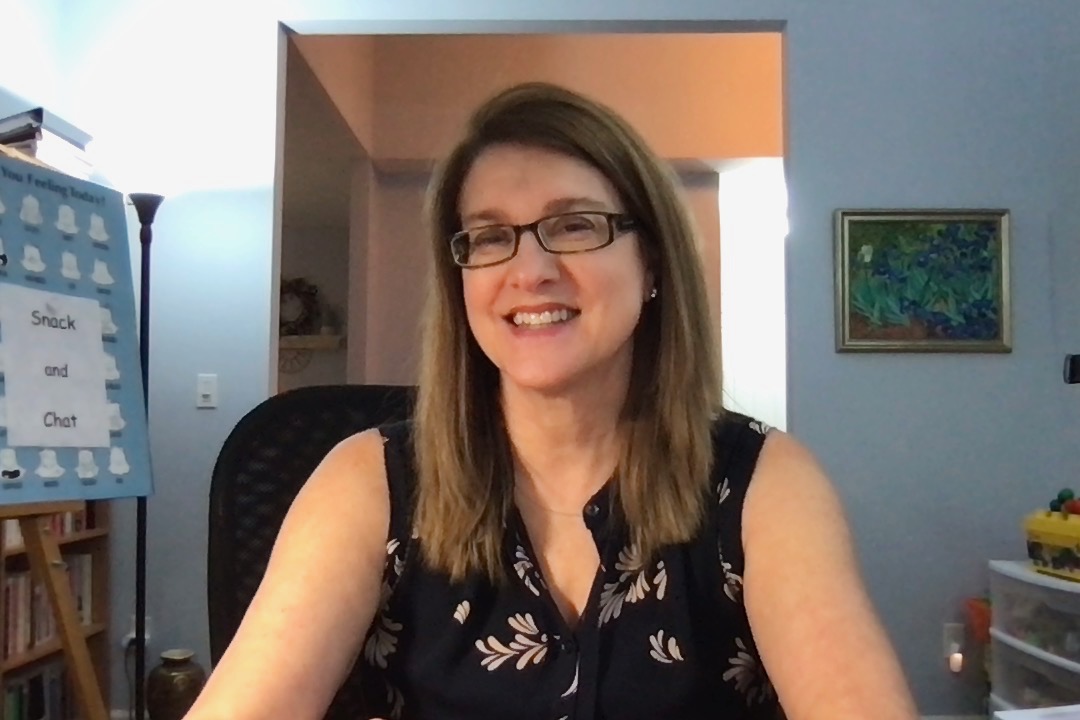
I am a Licensed Clinical Social Worker (LCSW) with twenty-five years of experience. I work with individuals struggling with anxiety, depression, eating issues, addictions, victimization, trauma, and loss. I am psychoanalytically trained, and I also use cognitive behavioral approaches, such as identifying and correcting undermining thought patterns and behaviors, as well as skills training when appropriate. I believe that most difficulties are related to our unconscious thoughts, feelings, and experiences, and the unhealthy defenses we develop, usually in childhood, to protect ourselves from hurt. Once helpful, but now outdated, these defenses can prevent self-awareness and the constructive resolution of our problems. These blocks to awareness can contribute to symptoms such as low self-esteem, anxiety, depression, interpersonal problems, eating issues, addictive behaviors, and the like. Together, we can identify your defenses, explore your true feelings, and help you develop healthier coping skills and a greater sense of well-being. In addition to my clinical work and training, I have 20 years of social work experience with men, women, and children in the foster care and domestic violence shelter systems. I have developed and managed shelters for abused women and children, and I have provided crisis intervention, counseling, court advocacy, psychotherapy, and parenting skills training. I have facilitated groups for men who abuse their partners, and I coordinated a supervised visitation program for families involved in custody matters.
Do people tell you that you worry too much? Are you struggling with a difficult relationship? Do you have mornings when you just don't want to get out of bed? Or do you spend so much time caring for others that it feels impossible to find the time to take care of yourself? No matter what challenge you are facing, you are welcome here.
In-office sessions allow me to provide you both the highest level of support. I provide email support in-between sessions that really makes a difference for my clients that keep the focus on change. I have trained with some of the best in our field, Drs. John Gottman & Sue Johnson, innovators in research-based concepts that work, and well as Dr. Bill Doherty. The couples and co-parents that I work with are very capable in their own lives, so it's an honor when they contact me to work on things. In addition to being a Licensed Psychotherapist & Board Certified Life Coach, I have been a guest lecturer at local universities, as well as a presenter at The Connecticut Counseling Association and The Connecticut Council for Non-Adversarial Divorce. . Clients usually decide to come in because they need an objective person to assist them in getting unstuck & manifesting more of their goals. By valuing your time & working hard together, we will gently shift challenges that you are struggling with. I have over 25 years combined experience in psychotherapy, education and business to draw from. I believe in a high level of service & so my office is designed to relax and comfort my clients. I encourage you if you are wondering if I can be helpful to you, to contact me and we can explore possibilities.
Through the use of evidenced-based, client-centered therapies, I help people live with mental health issues and over time reimagine these divergences as features, not flaws. I specialize in the treatment of co-occurring mental health and substance use disorders. Please feel free to reach out any time. I look forward to connecting with you.
The therapists listed are members of GoodTherapy and pay us a membership fee which helps support our services. By using this site you signify your assent and agreement to our terms of service.
Find a Therapist in Colonie, NY
Find compassionate, ethical therapists in Colonie, NY through GoodTherapy's trusted directory. Since 2007, we've helped people like you connect with qualified mental health professionals who prioritize your wellbeing and growth. Our Colonie therapists offer evidence-based treatments for various concerns, including anxiety, depression, relationship challenges, and family conflicts.
In Colonie's dynamic community, our therapists understand the unique pressures of Northeast living, from managing seasonal changes to balancing work-life demands. Each licensed professional in our directory is committed to providing confidential, stigma-free support while adhering to the highest ethical standards.
Concerned about therapy costs? Many Colonie therapists offer flexible payment options, including sliding-scale fees, insurance coverage, and payment plans. We believe quality mental health care should be accessible to everyone. Browse our directory to find therapists who match your needs and budget.
Whether you're seeking individual counseling, couples therapy, or family support, GoodTherapy makes it easy to find the right mental health professional in Colonie. Our verified therapists offer various approaches, including Cognitive-Behavioral Therapy (CBT), Solution-Focused Therapy, and other evidence-based methods.
Explore our directory today to start your journey toward improved mental well-being with a trusted Colonie therapist.
Related Resources
Find Therapists in Nearby Cities
- Find a therapist in Jackson Heights
- Find a therapist in Brooklyn
- Find a therapist in Cold Spring Harbor
Frequently Asked Questions
How much does therapy typically cost in Colonie, NY?
Therapy costs in Colonie typically range from $80-$200 per session. Many therapists offer sliding-scale fees, accept insurance, or provide flexible payment plans to make treatment more accessible. We recommend discussing fees and payment options during your initial consultation.
What types of therapy are available in Colonie?
Colonie therapists offer various evidence-based approaches including Cognitive-Behavioral Therapy (CBT), Solution-Focused Therapy, Psychodynamic Therapy, couples counseling, family therapy, and trauma-informed care. Each approach can be tailored to your specific needs and goals.
How do I choose the right therapist in Colonie?
Consider factors like the therapist's specialties, treatment approaches, availability, and cost. GoodTherapy makes it easy to review therapist profiles, verify credentials, and learn about their experience. We recommend contacting several therapists to find the best fit for your needs.
Do Colonie therapists offer virtual sessions?
Yes, many Colonie therapists offer secure online therapy sessions, providing flexibility and convenience. Virtual therapy can be particularly helpful during harsh Northeast weather or for those with busy schedules.
What mental health issues do Colonie therapists commonly treat?
Colonie therapists treat a wide range of concerns including anxiety, depression, relationship issues, work-related stress, seasonal affective disorder, trauma, family conflicts, and life transitions. Many specialize in specific areas like couples therapy or child psychology.