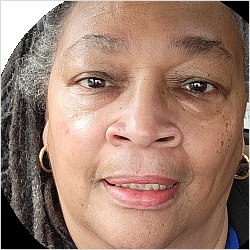
I create a laid-back, relaxed approach so that clients are comfortable and can be themselves in a trusting, confidential, and professional environment.
Find a Therapist near Takoma Park, MD
195 results
25 miles
Accepting new clients
More results
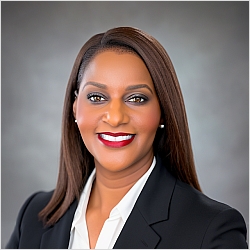
Clients see me as a therapeutic guide. I coach my clients on how to implement cognitive behavioral techniques in their day-to-day lives to help them create a new pattern of thinking. Helping clients explore their negative thoughts and how those thoughts create discouraging outcomes.
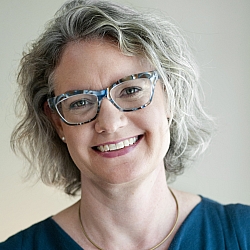
If we could think our way into the life we wanted, we would already be there. But healing and growth is not simply about thinking. It is about attending to our feelings, accepting ourselves where we are, and believing in possibilities. The Four Corners Counseling & Well-being way of therapy, practiced by the founder, Hetty Barnett, and all associates: For Thinking Women (and Men, too): Are you struggling to feel better about yourself and your life? If you are feeling stressed and overwhelmed, if your relationships are causing pain or confusion, we can help. We know from hard-earned experience that being an intelligent "over-functioner" does not mean we can easily soothe our emotional pain and create a balanced life. My associates and I can help you tap into your inner wisdom and strength to create the life you desire. For couples on the brink: At Four Corners Counseling & Well-being, we believe that couples deserve a safe space and a competent therapist to help them navigate their relationship, and move beyond problems to possibilities. This work is sacred, and couples who seek our help are doing so not only for themselves, but for the benefit of their children (if there are any), for their families, and for future generations. We have no pre-determined expectation of how a relationship will unfold. We do firmly believe that any work the members of a couple do to speak for their feelings (not from them) and listen to their partner from a grounded sense of self can reap many benefits in the future, no matter what the outcome. People can grow; people DO grow as they work with me. It takes a village to raise a relationship, and we want to be part of that village. Internal Family Systems (IFS) model of therapy: We are trained in IFS, the fastest growing therapy model today. As a clinical treatment, IFS has been rated effective for improving general functioning and well-being. In addition, it has been rated promising for improving phobia, panic, and generalized anxiety disorders; trauma resolution; physical health conditions; personal resilienceself-concept; and depression and depressive symptoms. Internal Family Systems can help clients learn ways to better relate to themselves, and move toward the 8 C’s of Self-Leadership: calmness, curiosity, clarity, compassion, confidence, creativity, courage, and connectedness.
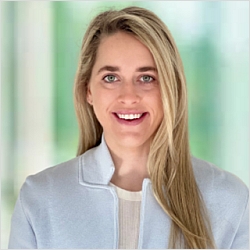
Hi, I’m glad you’re here. I’m an EMDR therapist who works with adults navigating anxiety, depression, life transitions, and trauma. Many of the people who come to see me are used to pushing through and handling things on their own, yet still feel stuck, overwhelmed, or disconnected inside. You may understand logically that your past is over, but your body and emotions haven’t caught up. Therapy can be a place where that finally starts to shift. EMDR (Eye Movement Desensitization and Reprocessing) helps your brain process experiences that feel “frozen” in the nervous system. Instead of just talking about what happened, we help your mind and body fully digest it so memories become less intense and less intrusive. You won’t be pushed to share everything at once, and you won’t have to relive experiences before you feel ready. We focus first on building coping skills and a sense of safety so you feel grounded and in control throughout the process. I see therapy as collaborative. I won’t sit silently and leave you guessing — I’ll guide you, check in often, and adjust the pace based on what you need. My approach is warm, steady, and practical. Along with EMDR, I help you understand patterns, manage difficult emotions, and develop tools you can use in everyday life, especially during periods of change or uncertainty. People often start therapy during transitions: relationship changes, career shifts, loss, identity development, or simply realizing the ways they’ve been coping are no longer working. You don’t have to be in crisis to begin. If something in your life feels heavy, confusing, or hard to carry alone, that is reason enough. My goal is not to “fix” you. It’s to help you feel safer in your own mind and body, reduce the impact of painful experiences, and create more space for calm, connection, and choice in your life. If you’re considering therapy, I’d be honored to work with you.
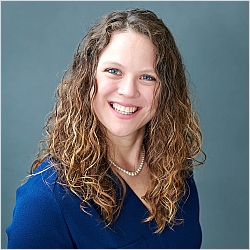
I am a Licensed Clinical Social Worker (LCSW) in Virginia. Born and raised in Iowa, I attended Iowa State University, graduating with a double major in Child, Adult, and Family Services and Spanish. I have traveled and lived in many places throughout the world, and have developed an appreciation for the differences we all have, but also the similarities that unite us. I received my master’s degree from Rutgers University. In my 18 years of work experience, I have worked supporting children, adolescents, and families. That experience includes working with trauma, depression, anxiety, school related anxiety and refusal, conflict between parents and children, involvement in the juvenile justice system, immigration stress and trauma, and crisis intervention. I have experience in child and adolescent therapy, family therapy, parenting, group therapy, and school-based mental health. I meet the child and family where they are on their journey and works collaboratively to develop realistic goals that will improve functioning in all environments. I utilize a strengths-based, solution-focused and family systems approach. I encourage children and families to share their culture and integrate the unique cultural experiences of families into treatment. I enjoy spending time outside, watching movies, reading books, and crocheting. I also enjoy various forms of exercise, like weightlifting and yoga. I enjoy watching (and sometimes playing) sports. I bring creativity and energy to my practice and am mindful and strategic about interventions used when working with children and families. Mental health is an important part of our being. Just like we eat food to feed our physical body, we must also get what we need to be mentally and emotionally resilient.

Wooni Kim is a board-certified Psychiatric-Mental Health Nurse Practitioner (PMHNP) with over 12 years of experience. She specializes in the evaluation, diagnosis, and treatment of mental health conditions, including depression, anxiety, attention-deficit hyperactivity (ADHD), obsessive-compulsive challenges (OCD), posttraumatic stress (PTSD), bipolar condition, and schizophrenia, among others. Wooni has worked in inpatient and outpatient psychiatry, hospice, and home health. She is devoted to evidence-based, holistic care through a compassionate, patient-centered approach.
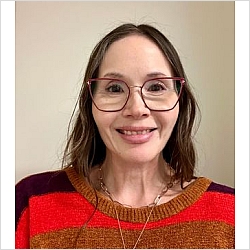
I specialize in the treatment of sexual issues such as pornography and sexual addiction, and treatment for pre- and post-adjudicated individuals with sexual behavior challenges. I provide individual, family, and group therapy, comprehensive psychosexual risk assessment for individuals charged with sexual offenses at the pre- and post-conviction stages, and expert testimony. Prior to creating my own practice, I was the executive director and co-owner of Freeland and Hildembrand Clinical and Forensic Associates, a community-based, full-service forensic mental health clinic that worked exclusively with adults and juveniles with sexual behavior issues. I offer relapse prevention and psychoeducational-based treatment utilizing a cognitive behavioral therapy (CBT) approach. My relapse prevention training is designed to assist clients in understanding their offense or sexual addiction cycle, triggers, and the steps they need to take to avoid acting out sexually. Therapy with me will be highly interactive, with a strong psychoeducational component aimed at helping clients better understand and take control of their sexual compulsions.
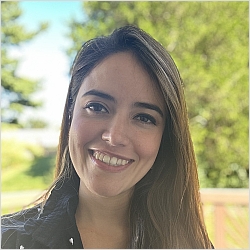
Therapy is a journey into a space where your feelings are welcomed and understood. Imagine a calm environment with soft light, warm air, and the gentle scent of lavender. This atmosphere provides comfort and ease, allowing you to settle more deeply into yourself. At the center is a mirror, not an ordinary mirror, but one that reflects your authentic self: vulnerable, radiant, and whole. In this supportive space, you are invited to recognize and accept all aspects of who you are, including your strengths, challenges, and areas of growth. Therapy becomes a process of healing and self-discovery, where you learn to embrace yourself with compassion and openness. With each passing moment, you feel yourself softening, embracing this mirror as it shows you who you truly are. And as you stand there, something shifts. You begin to uncover the pieces that make you whole, cherishing them, nurturing them, letting them grow. The journey of therapy is not just about healing; it is about discovering and embracing the profound beauty within you, piece by piece, moment by moment. In our first session, we will review essential consent forms and complete an intake questionnaire. This allows me to gather vital information about your unique experiences and needs, ensuring that our work together is tailored specifically to you. In subsequent sessions, we will collaboratively create a personalized plan aimed at helping you achieve your goals, fostering growth and healing every step of the way. You are not alone on this journey. I am here to support you in navigating the complexities of your life with compassion and understanding.
I help adults heal from complex trauma, PTSD, dissociation, anxiety, and the lasting effects of childhood trauma and adversity. Many of my clients feel overwhelmed by emotional reactivity, relationship difficulties, chronic shame, or a sense of being disconnected from themselves and others. Although they often appear to be coping on the outside, they feel stuck in survival mode internally. My approach is collaborative, trauma-informed, and paced to your individual needs. I believe healing happens in the context of safety, understanding, and self-compassion, not through forcing change before you are ready. Drawing from EMDR, Somatic Experiencing®, parts work, DBT skills, and mindfulness-based approaches, I help clients regulate their nervous system, develop greater emotional stability, deepen self-understanding, and move beyond survival toward a more connected and meaningful life.
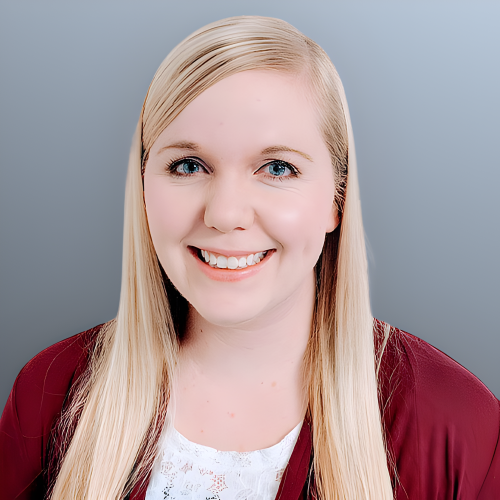
Kristi Gannon is a licensed clinical social worker (LCSW) who currently offers telehealth sessions in Virginia, specializing in offering treatment to adults and seniors who are faced with the negative effects of anxiety, depression, anger, relationship issues, attention-deficit hyperactivity (ADHD), poor coping skills, gender identity issues, stress, trauma, posttraumatic stress (PTSD), women's issues, and more.

From years of experience, I can help my clients see what they cannot see. Light bulbs go off and clients open up to new possibilities, self discovery, and hope. I use both short term and longer term psychotherapy in order to provide more choice for my clients. I see children and adults up to age 85. I do therapy with parents and children, adolescents, individuals with depression or anxiety, and especially people going through stressful transitions. I focus on good relationships within families and within individuals (ie. How we relate to ourselves). When someone comes to see me they can expect that I will listen deeply to what they say and feel, to what they want to work on, and then work together to find solutions. I currently offer telemental health services only. I prefer phone, but Zoom and Facetime are optional.
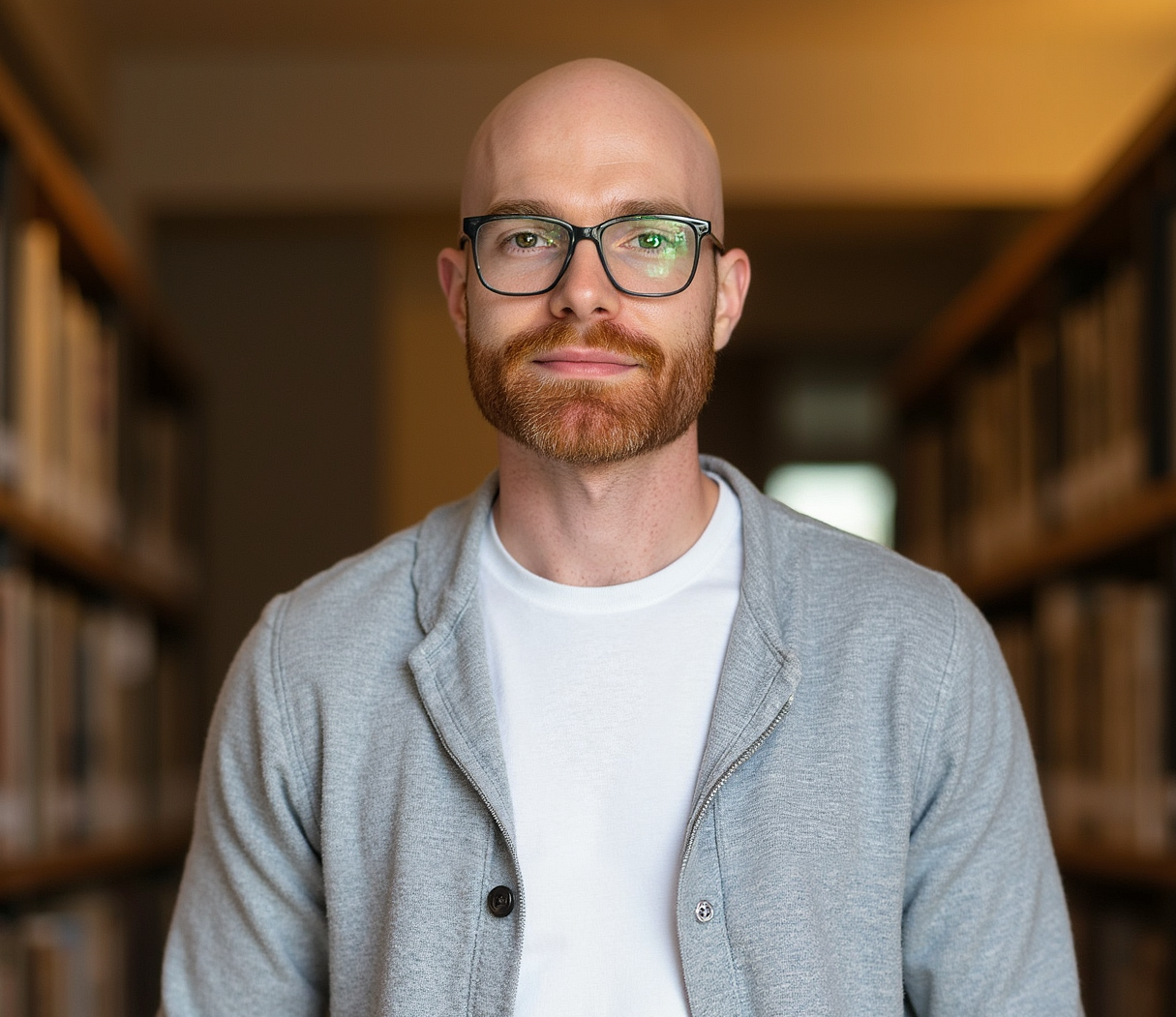
I’m a Psychologist who uses a contemporary psychoanalytic approach that looks beneath the surface to understand patterns, emotions, and the deeper story shaping your life. My style is warm, curious, and collaborative. I don’t just listen; I help you connect the dots. Together, we make meaning of your struggles, fostering lasting change, healing, and a more authentic way of living.
The therapists listed are members of GoodTherapy and pay us a membership fee which helps support our services. By using this site you signify your assent and agreement to our terms of service.
Find a Therapist in Takoma Park, MD
Living in Takoma Park offers a unique blend of suburban tranquility and urban accessibility, with tree-lined streets and a strong sense of community. However, residents navigating the demands of Washington D.C. area living often face significant stressors including lengthy commutes, high cost of living, and the fast-paced professional environment that characterizes the region.
Whether you're dealing with work-related stress from federal employment, managing family responsibilities, or addressing personal challenges, seeking mental health support demonstrates strength and self-awareness. The humid summers and cold winters in Maryland can also impact mood and energy levels, making professional support particularly valuable during seasonal transitions.
Since 2007, GoodTherapy has been dedicated to connecting people with ethical, compassionate therapists who understand the unique challenges of living in the greater Washington area. We believe all people are capable of change and deserve dignity and respect in their healing journey.
Mental Health Support in Takoma Park
Takoma Park residents commonly seek therapy for anxiety, depression, relationship challenges, work-life balance issues, and trauma recovery. The area's proximity to D.C. means many residents work in high-stress government positions or demanding private sector roles, contributing to burnout and anxiety disorders.
Local factors such as traffic congestion on major routes like the Capital Beltway, housing costs, and the pressure to maintain professional advancement in a competitive job market can significantly impact mental health. Many residents also navigate the challenges of raising families while managing dual careers in the metropolitan area.
Therapy Approaches Available in Takoma Park
Takoma Park therapists utilize several evidence-based approaches to address diverse mental health needs. These proven methodologies help residents develop coping strategies and achieve lasting positive change.
Cognitive Behavioral Therapy (CBT) helps identify and change negative thought patterns that contribute to anxiety and depression. This approach is particularly effective for professionals dealing with workplace stress and perfectionism common in the D.C. area.
Solution-Focused therapy emphasizes building on existing strengths and resources to create positive change quickly. This approach appeals to busy professionals who need practical strategies for immediate challenges.
Dialectical Behavior Therapy (DBT) teaches emotional regulation skills and mindfulness techniques, helping individuals manage intense emotions and improve relationships. This is especially valuable for those dealing with high-stress environments.
Psychodynamic therapy explores unconscious patterns and past experiences that influence current behavior, providing deeper insight into relationship patterns and personal challenges.
Interpersonal therapy focuses on improving communication skills and relationship dynamics, addressing the social connections that are crucial for mental health in a community-oriented area like Takoma Park.
Specialized Services
Many Takoma Park therapists offer specialized services including couples counseling for relationship challenges, family therapy for parenting concerns, and trauma-informed care for those dealing with past experiences or current stressors.
Finding Your Right Therapeutic Match
Our directory helps you find therapists who understand the specific challenges of living in the Washington metropolitan area. You can search by specialty, insurance accepted, and therapeutic approach to find someone who meets your unique needs.
What to Consider in Your Search
Consider factors such as location convenience for your commute, evening or weekend availability to accommodate work schedules, and whether the therapist has experience with issues common to federal employees or other area professionals. Many therapists also offer telehealth options, which can be particularly helpful given traffic patterns in the region.
Getting started involves browsing therapist profiles, reading about their approaches and specialties, and scheduling initial consultations to find the best fit for your needs and goals.
Making Therapy Affordable
Many Takoma Park therapists accept insurance plans common in the area, including federal employee health benefits. Others offer sliding scale fees based on income, making therapy accessible regardless of your financial situation.
Consider exploring free and affordable therapy options available in the greater Washington area, including community mental health centers and employee assistance programs offered by many area employers.
Expanding Your Search
If you're having difficulty finding the right therapist in Takoma Park, consider expanding your search to nearby communities. The interconnected nature of the Washington metro area means quality mental health professionals are accessible throughout the region.
Taking the First Step
Seeking therapy is a positive step toward improved mental health and overall well-being. The diverse, educated community of Takoma Park values personal growth and self-care, making it easier to prioritize your mental health needs.
Use our therapist search tool to explore qualified professionals in Takoma Park today. Learn more about how GoodTherapy works to connect you with ethical, compassionate therapists who can support your journey toward healing and growth.
Related Resources
Find Therapists in Nearby Cities
Frequently Asked Questions
How do I find a therapist near me in Takoma Park, MD?
Use GoodTherapy's directory to search for licensed therapists in Takoma Park. You can filter by specialty, insurance accepted, and therapeutic approach. Many therapists also serve nearby areas like Silver Spring and Bethesda, expanding your options.
What types of therapy are commonly available in Takoma Park?
Takoma Park therapists offer various evidence-based approaches including Cognitive Behavioral Therapy (CBT), Solution-Focused therapy, Dialectical Behavior Therapy (DBT), Psychodynamic therapy, and Interpersonal therapy. Many also specialize in couples counseling, family therapy, and trauma treatment.
How much does therapy cost in Takoma Park, MD?
Therapy costs vary based on the provider and your insurance coverage. Many Takoma Park therapists accept federal employee health benefits and other insurance plans. Some offer sliding scale fees based on income, and employee assistance programs may provide free sessions.
Can I find therapists who accept insurance in Takoma Park?
Yes, many Takoma Park therapists accept various insurance plans, including federal employee health benefits common in the D.C. area. Check individual therapist profiles for specific insurance information, or contact them directly to verify coverage.
What mental health issues do Takoma Park therapists commonly treat?
Takoma Park therapists frequently address anxiety, depression, work-related stress, relationship challenges, trauma recovery, and work-life balance issues. Many have experience with challenges specific to D.C. area professionals, including federal employees and those in high-stress careers.