
My communication style is calm and personable. I create a warm environment where clients can feel comfortable expressing themselves and feel supported and encouraged.
Find a Therapist in Ellicott City, MD
267 results
25 miles
Accepting new clients
More results
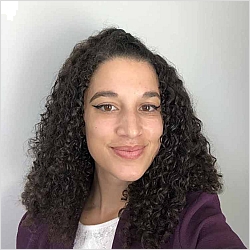
I strive to maintain a genuine, caring, and welcoming atmosphere for a strong and collaborative counseling relationship to flourish.
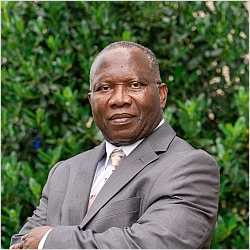
At Power Counseling PLLC, we are five different clinicians. However, we have one thing in common. We are all committed to satisfactorily resolve the issues that the client brings to the therapy room. We work with individuals, couples, families and groups, offering individual, couple, family and group therapy. Our primary therapy modality is cognitive-behavioral therapy, but we also use solution focused therapy a lot. We are located in Washington DC, but we are licensed to practice in Washington DC, Maryland and Virginia. Our director also offers clinical supervision for those who need it. Now, we offer only teletherapy. We believe that people can change, and that therapy is about assisting clients with what they need to change so that they can lead a healthy life and achieve their life’s goals. We assist our clients to attain self-exploration, resilience, empathy, and emotional empowerment. We firmly believe in the inherent inner powers of each individual to heal. We believe that everyone possesses the necessary internal resources to overcome emotional difficulty and flourish in life. This belief guides our approach to therapy. We strive to empower our clients, in a collaborative manner. Our goal is to provide a holistic, solution-focused, empathy-driven, and emotionally empowering therapy approach. That way, we support my clients to achieve the goals for which they seek therapy. We adopt an inherently collaborative approach. It’s like a partnership in which the client has a voice and can set the agenda for the sessions and take ownership of the outcome of our work together. We empower clients to make decisions about their care, with our guidance. The goal here is to work with the client to identify and implement effective solutions to the issues that they bring to the therapy room. As necessary, we educate and guide our clients to use internal and external resources available to them to heal. We work to empower clients to make decisions and take actions that align with their values and aspirations.

A Better Tomorrow Counseling Services provides outpatient therapy for individuals, families, couples and children. We provide a wide variety of therapeutic techniques to help you reach your goals. We employ a client-centered approach and believe clients guide the process of therapy. A Better Tomorrow Counseling Services currently has 23 licensed therapists on staff to assist you in reaching your goals. A Better Tomorrow Counseling Services utilizes a wide spectrum of traditional and holistic therapeutic techniques. Some therapeutic techniques employed by staff are Eye Movement and Desensitization Reprocessing (EMDR), Emotional Freedom Techniques (EFT), Cognitive Behavioral Therapy (CBT), Hypnotherapy, Dialectical Behavior Therapy (DBT), Applied Behavioral Analysis (ABA) and Parent Child Interaction therapy (PCIT). All therapists employed are licensed and Master’s level. Daytime and evening appointments are available and most insurance plans are accepted. For more information or to schedule an appointment in our office please call (856) 266-4983. All calls are returned daily.

Where ever you are in your process with therapy, I am happy to meet you where you are at. If you are feeling down with low energy and motivation, or racing thoughts with difficulty sleeping or communicating, or even trying to work through a past that you can't seem to shake, we can work together to build skills, reframe your perspective, and heal unhelpful beliefs and patterns. I use an authentic approach and will challenge you to take steps to create the changes you are hoping for.
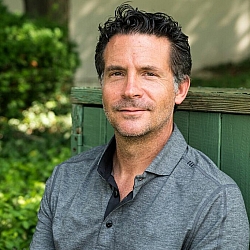
My goal is to provide counseling, psychotherapy and treatment for individuals, couples and families struggling with a variety of psychological and mental health issues including stress, relationships, marital problems, depression, anxiety, drug and alcohol, eating disorders, learning disability attention problems etc... As the Coordinator of Campus Alcohol and Substance Awareness at Temple University and as the past Assistant Director of Student Health and Counseling at The University of the Sciences in Philadelphia I have a lot of experience working with clients facing all the above issues and more. I believe that counseling is a collaborative process where clients sort out their thoughts and feelings in order to get a better understanding of who they are. My approach is eclectic or integrative but I use many psychodynamic and cognitive-behavioral approaches in my work. I trust that clients know deep down what should be talked about in therapy and that they mostly need help knowing how to access these thoughts and feelings in order to realize what it is they want and need from others and their lives. I am very open to sharing my personal thoughts and experiences as a way of helping others. I find that it often helps patients to know that their therapist is a human being too and much can be learned from the relationship of therapy. Many clients come to a therapists office because they struggling in their relationships. Paying attention to how your relationship develops with your therapist can help you understand how the really important relationships in your life outside of the therapeutic relationship work.

Are you feeling overwhelmed to the point that is effecting your focus or ability to sleep at night? Do you find your self feeling sad or not feeling anything at all and you can't see to enjoy even your favorite activities and interests? I am a licensed professional counselor who has been helping people experience breakthough in their minds and emotions for over 6 years. I have a fiery passion for helping people gain insight into their patterns of behavior, including linking their past to their present. I have a compassionate, client-led approach to therapy, tailoring the work that I do to each individual client. I start by completing a comprehensive intake assessment where I screen each person who comes to see me for various mental health conditions. I always provide information along the way and share with clients what I observe and any diagnoses that I assess them with. Then I work with the person to develop a comprehensive treatment plan to identify the goals and objectives of therapy within the first month of counseling. Within the working process, I combine compassionate, empathetic listening with teaching practice skills to provide an avenue for making change possible.
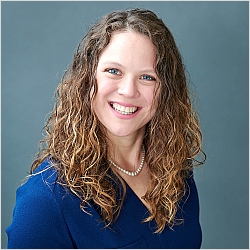
I am a Licensed Clinical Social Worker (LCSW) in Virginia. Born and raised in Iowa, I attended Iowa State University, graduating with a double major in Child, Adult, and Family Services and Spanish. I have traveled and lived in many places throughout the world, and have developed an appreciation for the differences we all have, but also the similarities that unite us. I received my master’s degree from Rutgers University. In my 18 years of work experience, I have worked supporting children, adolescents, and families. That experience includes working with trauma, depression, anxiety, school related anxiety and refusal, conflict between parents and children, involvement in the juvenile justice system, immigration stress and trauma, and crisis intervention. I have experience in child and adolescent therapy, family therapy, parenting, group therapy, and school-based mental health. I meet the child and family where they are on their journey and works collaboratively to develop realistic goals that will improve functioning in all environments. I utilize a strengths-based, solution-focused and family systems approach. I encourage children and families to share their culture and integrate the unique cultural experiences of families into treatment. I enjoy spending time outside, watching movies, reading books, and crocheting. I also enjoy various forms of exercise, like weightlifting and yoga. I enjoy watching (and sometimes playing) sports. I bring creativity and energy to my practice and am mindful and strategic about interventions used when working with children and families. Mental health is an important part of our being. Just like we eat food to feed our physical body, we must also get what we need to be mentally and emotionally resilient.
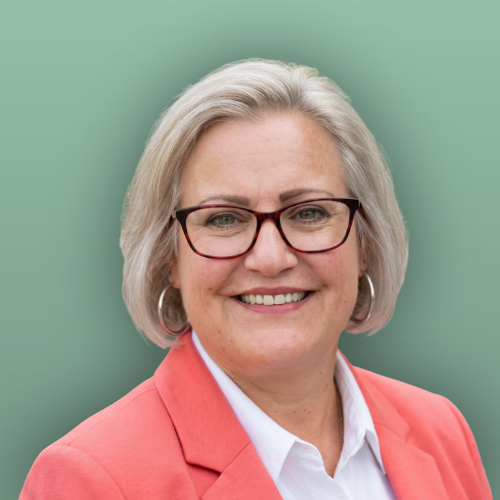
Dawn Hartman is a board-certified Psychiatric Mental Health Nurse Practitioner (PMHNP) with over 20 years of nursing experience, including supporting people in crisis. She specializes in working with older adolescents, adults, and seniors who are experiencing symptoms such as anxiety, depression, panic, obsessive-compulsive challenges (OCD), and posttraumatic stress (PTSD), along with other mood- and personality-related concerns.

The two of you planned a wonderful life together, but now you're wondering what happened. You feel disconnected. You know that you love one another, but your efforts to connect feel dismissed and misunderstood. You would like to show your care and appreciation without feeling rejected. You just want to communicate your needs without causing a fight. Being vulnerable can feel risky. How do you share your thoughts, fears, and joys in ways that honor your relationship? I offer a place to build a stronger relationship bridge that supports the two of you and your future together. As a Licensed Marriage and Family Therapist (LMFT), the relationship is with my client. I work with couples of all ages and stages, online or in person, and I offer couples therapy in a way that helps you care for and love each other, communicate well, and build a place where every aspect of you, mind, body, heart, and soul, can be enriched by this new way of being together.
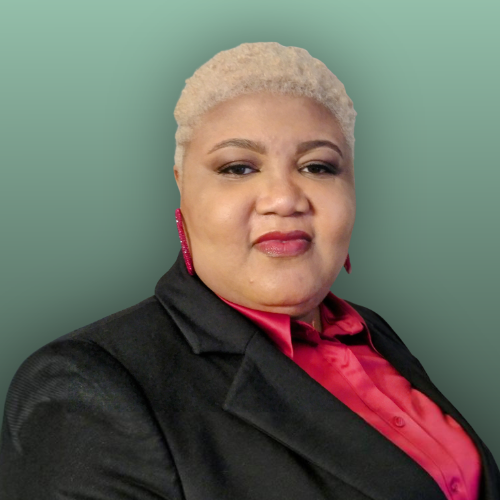
I am a Psychiatric-Mental Health Nurse Practitioner (Psychiatric Mental Health Nurse Practitioner (PMHNP)-BC) with 15 years of experience providing evidence-based mental health care through telehealth. I work with children, adolescents, and adults navigating anxiety, depression, trauma, mood-related challenges, life transitions, and emotional regulation concerns. I support individuals and families seeking greater clarity, balance, and coping skills to improve daily functioning at home, school, work, and in relationships.
I assist clients that have endured trauma and stress. Are you looking to find relief through compassionate and effective treatment? If you are interested in finding relief from conditions that have affected your mood, your relationships, your work, andor your habits in a negative way, call or email me now. Together, we can walk the path of recovery together until you have reached your imagined destination. Let's work on overcoming intimate partner violence, anger, toxicity, infidelity, addiction, self-hatred, codependency, shame, isolation, fear, neediness, grief, etc... ENOUGH IS ENOUGH!
The therapists listed are members of GoodTherapy and pay us a membership fee which helps support our services. By using this site you signify your assent and agreement to our terms of service.
Find a Therapist in Ellicott City with GoodTherapy
It’s normal to experience mental health issues and relationship problems. Talking to a licensed therapist can help. Therapy can teach you more about yourself and your mental health concerns in a healing way. Many therapies are evidence-based and have been proven effective.
Since 2007, GoodTherapy has helped people like you connect with ethical, compassionate counselors and therapists. The therapists listed above, who practice therapy in Ellicott City, are trained to protect client confidentiality and privacy. In keeping with our high membership standards, these mental health professionals are also committed to eliminating the stigma that keeps many people from seeking help.
Beliefs about how much therapy costs may deter some people from finding a therapist. It’s a good idea to contact therapists you’re interested in and ask about insurance, sliding-scale fees, payment plans, and other options to stay within your budget.
Rest assured there are qualified therapists in Ellicott City who can treat a variety of concerns, including family conflict, relationship issues, anxiety, or depression. With our directory, the right therapist is easy to find.
List Your Practice on GoodTherapy
Are you a therapist or mental health professional looking for new ways to get referrals and market your practice in Ellicott City? Keeping up to date with professional requirements and increasing your online presence are just two of the many benefits of joining GoodTherapy. Start connecting with clients and earning online continuing education credits today!
About Ellicott City
Ellicott City is an unincorporated community in Howard County, Maryland. It covers 30 square miles. European settlement of the area began in 1766 when James Hood built the city’s first mill. Ellicott City was designated a national historic district in 1976.
Ellicott City has 71,000 inhabitants. Eighty-nine percent of people in the community are United States citizens (compared to 93% nationwide). Roughly 4,000 military veterans live in the community.
The racial composition of Ellicott city is 58% white, 26% Asian, 9% black, and 3% Hispanic. Foreign-born people make up 25% of the population. Twenty-nine percent of residents have a native language that is not English. Ellicott City is home to 4,400 Korean speakers and 2,400 Chinese speakers.
People in Ellicott City earn a mean annual wage of $50,400. The median household income is $121,000. Sixty-six percent of adults age 25 or older have a bachelor’s degree. Roughly 4% of Ellicott City residents live in poverty.
Mental Health in Ellicott City
Ellicott City has a history of flooding. The most recent flood occurring on May 27, 2018, when water levels reached the second floor of many buildings. Many residents and businesses were still recovering from a 2016 flood when the storm came. Mental health experts believe floods in the community may have had an adverse psychological impact on residents.
People in Ellicott City report feeling more stressed, fatigued, and depressed since the floods in 2016 and 2018. Mental health professionals with training in disaster psychology believe some residents may also experience anxiety and posttraumatic stress.
References:
- Ellicott City, Maryland. (n.d.). Retrieved from http://www.city-data.com/city/Ellicott-City-Maryland.html
- Ellicott City, MD. (n.d.). Data USA. Retrieved from https://datausa.io/profile/geo/ellicott-city-md
- Historic context of the Ellicott City flood. (2016, August 4). Retrieved from http://www.preservationmaryland.org/historic-context-ellicott-city-flood
- Mongilio, H. (2018, June 7). The psychological toll of Ellicott City’s flooding. Environmental Health News. Retrieved from http://www.ehn.org/mental-health-impact-of-ellicot-city-floods-2575729082.html
- Overview of Ellicott City, Maryland. (n.d.). Retrieved from https://statisticalatlas.com/place/Maryland/Ellicott-City/Overview
- QuickFacts: Ellicott City CDP, Maryland. (n.d.). United States Census Bureau. Retrieved from https://www.census.gov/quickfacts/fact/table/ellicottcitycdpmaryland/PST045216