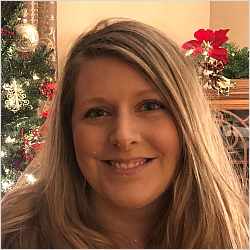
I like to create an easy-going space for my clients. Therapy can look however you need it to. No judgment.
Find a Therapist in Washington, DC
214 results
25 miles
Accepting new clients
More results

Elizabeth Scott Savill, LPC: Prior to obtaining my LPC, I graduated with a BS in Psychology from Virginia Tech in 2003 and an MS in Counseling from Longwood University in 2007. Life includes trials and tribulations that can leave you feeling unraveled. I am here to advocate for and guide you throughout your therapeutic journey to restore balance, discover or reconnect with your authentic self, improve your relationships, and live your best life. I am an empathetic but goal-oriented therapist that values your individuality and unique circumstances. Utilizing a variety of individually matched and eclectic therapeutic approaches helps me provide you with the most effective treatment techniques tailored to your specific needs and desired outcomes, including frequently implemented: Eclectic, CBT, mindfulness-based, expressive arts, ACT, attachment-based, strength-based, positive psychology, person-centered, DBT, play, grief, Gottman, motivational interviewing, interpersonal, multicultural, somatic, psychodynamic, REBT, positive psychology, reality, and solution-focused therapies. I typically work with adults, teens, and children (age 8+), specializing in anxiety, depression, social, academic, employment, relationship, grief, identity, self-esteem, phase of life, family, trauma, behavior-related, anger management, attention-deficit, comorbid, and mood concerns. I provide a relaxed, safe, confidential, and judgment-free telehealth space to facilitate growth from the comfort of your own home or at your convenience. If you require a therapist comparable to an automated help desk assistant, please swipe left.

Are you uncertain about your relationship? Perhaps trust has been broken, feelings have shifted, or another connection is calling your attention. These doubts can feel overwhelming, isolating, and confusing. Take a step today—explore your feelings, clarify your values, and navigate your decision-making process. Begin your path to insight, peace, and understanding. You don’t have to face this alone.

I believe in meeting each client where they are. There is not one way to help someone resolve a problem in their life. I believe in helping my clients find the right path that works for them and following along beside them to provide wisdom in their lives to take the next steps and make better choices. A mental health professional should go above and beyond for their clients and I believe in this whole heartedly. My motto is "get me in your life and out of your life quickly so that you can live happy!"
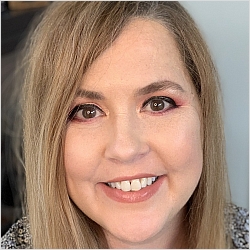
I have over 20 years of experience as a therapist, and I want to get to know you as a whole person and in the context of your relationships, your interests, how you make a living, and your beliefs. For couples, this also applies, as well as my POV on seeing the relationship as the client and taking a non-blaming approach. I use a combination of listening, support, validation, education, teaching skills, and providing eye movement desensitization and reprocessing (EMDR), and all of these can be dialed up or back based on what you need and prefer. My style is open and direct, and you can ask me about any part of the process.

From my perspective life is about learning and growing. We have continual opportunities to learn and grow. Sometimes this means accepting ourselves and our situation with more realistic expectations- grieving or forgiving ourselves or others. Sometimes this means making a conscious choice about how we want to live differently and having the courage to make the first steps in that direction. As my mentor therapist used to say---- a therapist's role is to comfort the discomforted and discomfort the comfortable- we need both at different times. My role is to help guide you and walk with you in your journey. Thank you for the privilege and honor of walking with you and helping you navigate life in more balanced and authentic ways!

If you’re here, something likely feels off. Maybe you’re exhausted from holding things together, stuck in the same arguments, or feeling disconnected from yourself or the people you love. You might not know exactly what needs to change, but you know something does. I work with individuals and couples who want more than surface-level coping. My approach is honest, steady, and compassionate. Together, we slow things down enough to understand what’s really happening beneath the surface. We look at patterns that keep you stuck, how they formed, and how to respond differently moving forward. Therapy with me is collaborative and active. I’ll listen carefully, ask direct questions when needed, and offer tools that fit your goals and values. I draw from relational and trauma-informed approaches, always shaping the work to you, not forcing you into a formula. You don’t need to have it all figured out to begin. We’ll take this one step at a time, building clarity, trust, and a stronger sense of connection along the way.
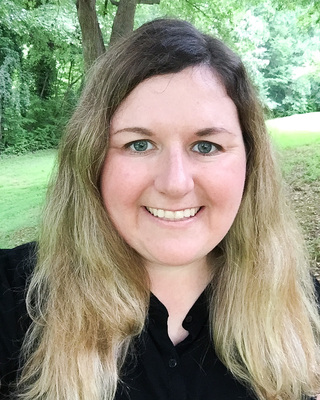
I serve individual adults in Virginia and the District of Columbia through telehealth. I am neurodiversity affirming, LGBTQIA+-affirming, and work with folks from a variety of cultural, racial, and religious identities. My philosophy is that my clients are the experts on their own lives, and I am here to collaborate on what will work best. My primary modality is eye movement desensitization and reprocessing (EMDR) therapy. EMDR is highly effective for chronic illness support and medical trauma, sexual trauma, healing from ongoing abuse and neglect, caregiver burnout, anxiety conditions, depression, low self-worth, eating issues, body image concerns, and more. I have advanced EMDR training for chronic illnesses such as pediatric autoimmune neuropsychiatric disorders associated with streptococcal infections (PANDAS), pediatric acute-onset neuropsychiatric syndrome (PANS), Long COVID, mast cell activation syndrome (MCAS), postural orthostatic tachycardia syndrome (POTS), Ehlers-Danlos syndromes (EDS), mold illness, autoimmune conditions, etc. I also have advanced EMDR training in working with dissociation that frequently accompanies trauma and sometimes shows up during the EMDR process. Many of my clients have tried other types of therapy. They've learned helpful skills and schema shifts, but find that they are still being activated or triggered in a way that feels out of their control. EMDR can get at stuck beliefs and trauma in a different type of way. It's time to start feeling better!
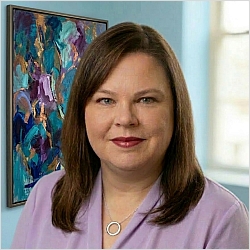
I believe that the best way to help you is to listen to the changes that you would like to make, and develop a treatment plan specific to your concerns and your personality. In many cases, no one therapeutic approach fits every one or every issue, so my goal is to make a you feel comfortable and understand more about your personal journey. The decision to pursue therapy can be difficult for many people, but it indicates that you want to change or improve certain aspects of your life, creating stronger relationships, a higher level of self-confidence, more focus and direction and many other areas for improvement.
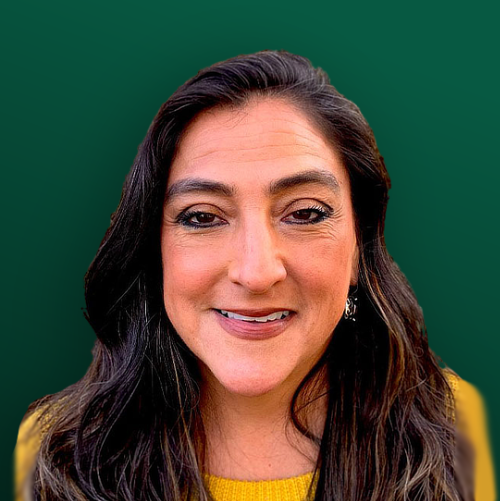
Ann “Lisa” Peralta is a Licensed Professional Counselor (LPC) in Virginia with over 34 years of experience providing clinical assessment and therapeutic care to adults seeking help with a variety of issues. These issues include substance use challenges, stress, depression, and anxiety, to name a few.

My approach is integrative, intersectional, developmental, and contextual with a basic belief in the value of connection and the power of possibility. My work pulls from principles of Intersectionality and Liberation Practices, Attachment and Relational Science, Differentiation as a Developmental process in relationships, Contextual and Systems Theories, and the essential journey of Trauma Integration across the lifespan. I understand that we are heavily shaped by our relationships, family experiences, and positionality in the social world with regard to race, culture, gender identity, sexuality, etc. My practice is relationship and sexual intimacy focused, and I've deepened my lens to include Level 1 & 2 training in the Gottman Method; Advanced training in the Developmental Model of Couples Therapy, in addition to past experience with PACT & Emotionally Focused Couples Therapy. I only work with couples or relationship structures at this time and I offer in person; telehealth; and a hybrid option. I also offer mini intensives (4 hour sessions), which compress the therapeutic work into a shorter period, offering a powerful and potentially transformative approach for clients seeking to revitalize their relationships, providing a focused and immersive environment for rapid change and deeper understanding. Because I see relationship clients from all across PA and DE, the mini intensive option works well for clients who really want an in person therapy experience, but can't make a weekly or even biweekly commute fit into their schedule.

I like to describe my therapeutic style as eclectic. I pull from many different modalities to find what works best for each individual client. I believe that nothing in life is one size fits all and therapy is no different. Each individual needs something different when they engage in therapy and I strive to help my clients based on their individual needs. I like to take time to get to know my patients at to work collaboratively with them to create goals that make sense for their lives and needs. I primarily work with adolescents, teens, and young adults. I love working with these age groups because there is so much change happening during this time in someone's life. I am a fairly casual person and (when appropriate) like to use humor to connect and engage. I also am a bit of a nerd and have at least a basic to moderate understanding of many of the things that the younger generations enjoy (video games, TikTok, memes, movies, tv, etc.). I love to use this to connect with my clients and to allow them to feel seen.
The therapists listed are members of GoodTherapy and pay us a membership fee which helps support our services. By using this site you signify your assent and agreement to our terms of service.
Find a Therapist in Washington, D.C. with GoodTherapy
It’s normal to experience mental health issues and relationship problems. Talking to a licensed therapist can help. Therapy can teach you more about yourself and your mental health concerns in a healing way. Many therapies are evidence-based and have been proven effective.
Since 2007, GoodTherapy has helped people like you connect with ethical, compassionate counselors and therapists. The therapists listed above, who practice therapy in Washington, are trained to protect client confidentiality and privacy. In keeping with our high membership standards, these mental health professionals are also committed to eliminating the stigma that keeps many people from seeking help.
If you are looking for a specific type of therapist, you can search for marriage or couples counseling in Washington, D.C. or find a child psychologist or family therapist in D.C. You can also connect with D.C. therapists who specialize in treating anxiety or depression. In addition, some therapists provide group therapy, which is typically a therapist-led session with multiple people.
Beliefs about how much therapy costs may deter some people from finding a therapist. It’s a good idea to contact therapists you’re interested in and ask about insurance, sliding-scale fees, payment plans, and other options to stay within your budget.
Rest assured there are qualified therapists in Washington who can treat a variety of concerns, including family conflict, relationship issues, anxiety, or depression. With our directory, the right therapist is easy to find.
List Your Practice on GoodTherapy
Are you a therapist or mental health professional looking for new ways to get referrals and market your practice in Washington? Keeping up to date with professional requirements and increasing your online presence are just two of the many benefits of joining GoodTherapy. Start connecting with clients and earning online continuing education credits today!
Mental Health Statistics in Washington, D.C.
Washington, D.C., the nation’s capital, is the 20th most populous city in the U.S. and a model for the healing potential of therapy. The District of Columbia has slightly lower rates of serious mental illness among adults than the national average, according to data from the Substance Abuse and Mental Health Services Administration (SAMHSA). While most (58.4%) do not receive treatment, 72.5% of adults who do—and 64.1% in the 17-and-under group—report improved functioning.
Rates of alcohol abuse and dependency among people ages 12 and up are higher in D.C. than nationally. About 55,000 D.C.-area residents in this group reported abusing or being dependent on alcohol in a 2013-14 SAMHSA survey.
According to SAMHSA, use of alcohol and illicit drugs decreased among youth ages 12-17 from 2010 to 2014. However, the percentage of youth in that same age bracket who perceived “no great risk” from using these substances increased. Although depression rates among youth are rising, the District, at 8.7%, remains well below the national average of 11%. Only 37% of adolescents receive treatment for the condition.
Self-reporting of attempted suicide by D.C. students has consistently been double the national average of 6.3%.
With nearly 3% of D.C. residents (and 1% of youth) testing positive for HIV, there is considerable need for education and mental health support on the topic.
References:
- Behavioral Health Barometer: District of Columbia [PDF]. (2015). Retrieved from https://www.samhsa.gov/data/sites/default/files/2015_District-of-Columbia_BHBarometer.pdf
- Department of Behavioral Health. (n.d.). Retrieved from https://dbh.dc.gov/
- District of Columbia Community Health Needs Assessment, Volume 1 [PDF]. (2013). Retrieved from https://doh.dc.gov/sites/default/files/dc/sites/doh/page_content/attachments/2nd%20Draft%20CHNA%20(v4%202)%2006%2004%202013%20-%20Vol%201.pdf
- QuickFacts: District of Columbia. (2018). Retrieved from https://www.census.gov/quickfacts/fact/table/dc,US/PST045217