
Positive/Warm/Empowering
Find a Therapist in Golden, CO
133 results
25 miles
Accepting new clients
More results
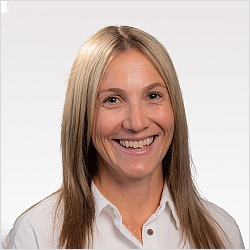
My Name is Ros Wilson and I am a Licensed Clinical Social Worker. I am originally from the UK where I worked with children and young adults in the foster care system who had experienced complex trauma, alongside supporting their carers. I know live in Colorado Springs and practice as a clinical social worker. I am experienced in working with children, families and adults and have specialist experience in working within the areas of foster care, adoption, trauma and loss as well as anxiety and depression. I also work with individuals and couples experiencing fertility issues. I like to get alongside my clients and building rapport with open communication, which is key to my work. I like to create a welcoming, judgement free environment so that my clients feel confident to express their feelings in a safe and calm environment. I will bring humor, compassion and positivity to my sessions.
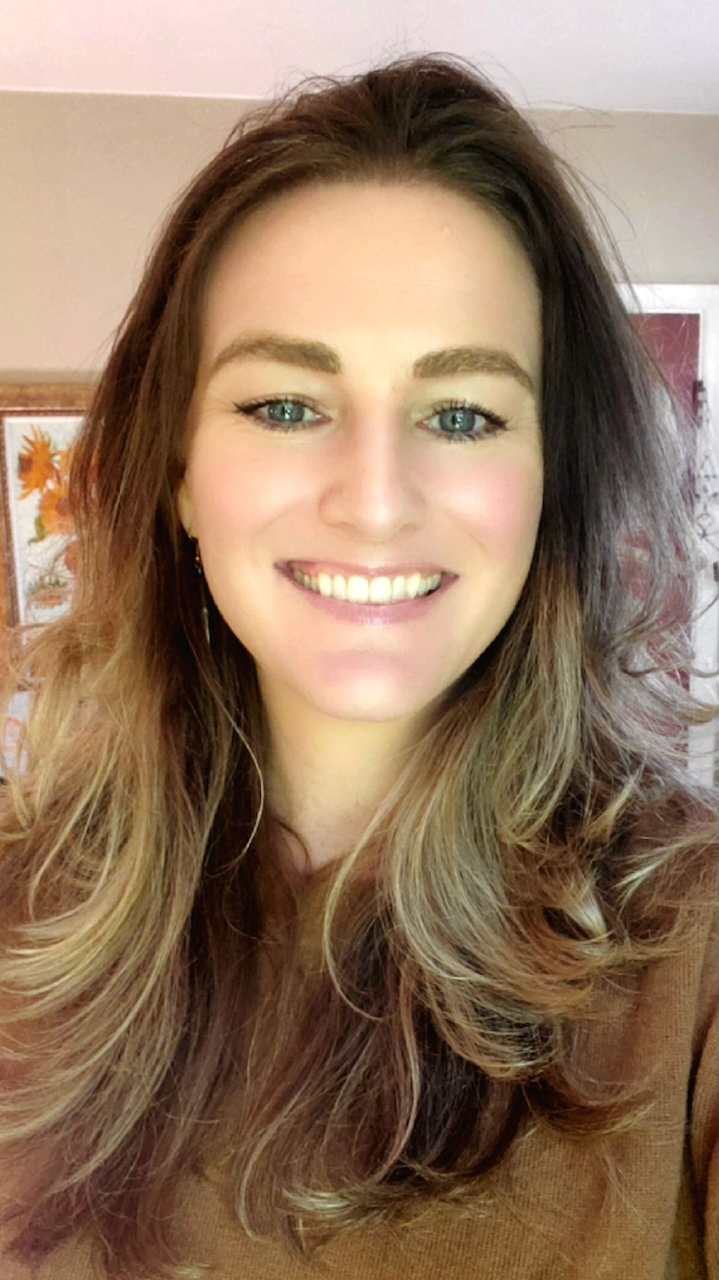
As a high-functioning neurodivergent adult, you have mastered the art of masking, but it's costing you everything, leaving you completely burned out with nothing left for yourself at the end of the day. As an AuDHD adult myself, I know firsthand the exhaustion that comes from trying to fit into spaces that weren't designed for our brains; of melting down at the end of the day because you have nothing left to give and feeling ashamed of not being able to keep up with neurotypical peers. If this sounds familiar, I want to hear from you. I help neurodivergent adults recognize subtle signs of neurodivergent burnout; build better tools and skills that protect your physical and mental wellbeing, lessen sensory overwhelm, and find peace and quiet in your mind and body. One of the most important things to understand about neurodivergent burnout is that it generally isn't resolved by getting better at managing your time, becoming more disciplined, or learning to tolerate more discomfort. These are the things neurotypical people tell us to do and when we inevitably fail, we feel even worse, and the burnout continues. ND burnout is fundamentally about reducing the chronic mismatch between what a neurodivergent person's nervous system and brain need and what their environment, responsibilities, and expectations demand. One of the first things I do with clients is help them understand the interconnectedness of their experience in order to see the full clear picture of where, how, why, when, and with whom burnout is showing up. With my help, you will learn to reduce the demands that are consuming disproportionate energy and learn to identify the social expectations, masking, sensory input, task-switching, decision fatigue, and executive-function demands that contribute to your exhaustion. Together we'll determine what can be eliminated, reduced, delegated, or accommodated. I do this with proven therapeutic modalities like DBT, CBT, Narrative Therapy, and Somatic Experiencing. Second, we'll address sensory and physiological needs. We'll work with ways to reduce sensory overwhelm, build in genuine opportunities for rest and solitude, and create environments where you don't have to constantly monitor yourself or respond to others. Third, reduce masking and the pressure to perform neurotypicality. Practice communicating more directly, allowing yourself to stim, requesting accommodations, and spending time with people around whom you don't have to constantly edit yourself. Fourth, rebuild executive functioning through external support rather than more self-discipline. Simplify routines, reduce decisions, use reminders, automate repetitive tasks, and break responsibilities into manageable steps without creating additional demands. Fifth, address the emotional consequences of chronic overwhelm. Explore the shame, internalized ableism, perfectionism, and negative beliefs that can develop from years of struggling to meet expectations that don't accommodate your neurotype. Finally, change the conditions that contributed to burnout in the first place. Rest alone isn't enough if you return to the same unsustainable expectations, environments, and demands that depleted you. Interoceptive rest and understanding interoceptive cues provides the final piece of the puzzle.

As a Jungian Psychotherapist, I respect your courage in exploring the possibility of therapy that goes deeper. For over 20 years I've worked in-depth with clients, offering solid clinical guidance and soul-centered emotional support that is helpful in working through and integrating painful or traumatic experiences as well as emotionally-grounding and spiritually-centering to help you feel more connected, healing and whole — when you're otherwise feeling overwhelmed, anxious, stressed out, stuck, suffering, exhausted, lost, depressed or grieving, and can’t seem to find your way through, you don't have to go through it alone. Providing attuned, soulful expertise in Jungian therapy and Jungian analysis to help heal and transform what's difficult into hope, meaning & purpose, I specialize in guiding you to find and integrate your authentic self, to explore Shadow work & cultivate meaningful personal & professional relationships aligned with who you truly are, and what you’re here for. When you're ready, please email me with your questions or to set up your Free Initial Consult. Please share what brings you to reach out for therapy at this time as well as the city and state you live in, your age and occupation. My approach to working with adults like you includes: Jungian Psychotherapy Depth psychotherapy that is soul-centered and grounded in decades of clinical expertise and emotional attunement to what matters to you. Shadow work — to uncover and engage the unconscious drivers of your thoughts, feelings, choices and unlock where you are stuck. Cultivating and sustaining conscious relationships — personally and professionally. Treatment for PTSD-like symptoms -- such as depression, anxiety, exhaustion, mood swings, difficulty sleeping, changes in appetite, nightmares and sometimes flashbacks or suicidal thoughts. Recovery from Narcissistic Abuse and Emotional Abuse Soul Work to help you locate, liberate and integrate your authentic way being, relating, connecting and working. Jungian Dream work and Interpretation
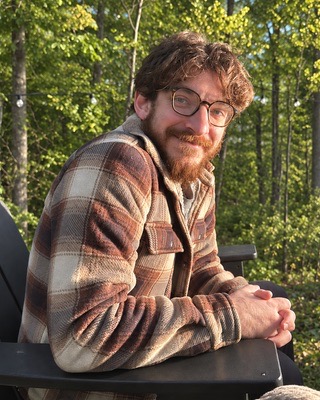
You ask, "Are we okay?" because you want reassurance. Your partner goes quiet, worried that anything they say will make things worse. You both end up feeling further apart. We can slow those moments down together. My work is rooted in psychodynamic therapy and attachment. We explore how earlier relationships shape what you expect now, the feelings you learned to keep out of view, and the ways you protect yourself almost before you notice. A part of you may long for closeness while another braces for rejection. Parts work gives us a way to listen to both with curiosity. As these feelings come up in our conversations, I'll help you make room for them and find words for what you need. With couples, I prioritize Emotionally Focused Therapy (EFT). I'll help you understand the cycle between you and the vulnerable feelings underneath it. We might pause an argument to explore what each of you is afraid will happen, then find a way to share that feeling and respond to one another. I'll support you through these moments so you can begin to experience a different kind of conversation together. I occasionally use Gottman techniques for a specific conflict or conversation. I'll share what I'm noticing, explain why it seems important, and check whether it fits your experience. You can tell me when I've missed something. There's room for laughter, uncertainty, and taking your time. Whether you're hoping to feel closer to someone, speak up for yourself, or make a difficult choice, what matters to you guides our work. Start with a free 20-minute phone consultation. Tell me a little about what's been hard, ask your questions, and get a feel for what it's like to talk with me.
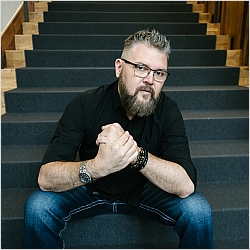
Has someone in your life told you that drinking or drugs are a problem for you? They're wrong! Your use is not the problem, it's a solution! Substances help us cope with the slings and arrows of life. Drinking is merely a symptom of something deeper with which you’re struggling. We need to get down to the causes and conditions of your substance use. My name is Adam, I’m in long-term recovery and I would like to give you something that was given to me. If you’re sick and tired of being sick and tired, please call me. Let’s see if we’re a good fit for each other. My approach to therapy is simple but not easy, we are going to do some work. First, are you ready to be completely honest with yourself? If you can say “yes” then you may be ready to get clean and sober. If you’re not quite ready to give up alcohol, we can also look at harm reduction in your drinking, there is a solution and there is hope. Would you like to work with a guy that has been where you've been? Maybe you feel it’s too late? Maybe you feel you’ve already lost people? There is hope, countless people recover from drugs and alcohol every day, why not you? Let’s talk, call me right now.t

You’ve been holding your breath for a long time. The triggering texts, unpredictable co-parenting, accusations, sudden shifts in tone—each one hits your nervous system like a shock. You’re exhausted from trying to function while managing someone else’s chaos, and you can’t remember the last time you felt steady, safe, or like yourself. Even around supportive people, you still feel alone in what you’re carrying. I help people overwhelmed by high-conflict divorce, narcissistic abuse, infidelity trauma, and chronic anxiety feel grounded and supported again. Many of my clients also struggle with stress-related eating concerns—restricting, overeating, bingeing, or losing appetite—because survival mode affects both body and mind. You won’t need to educate me about these patterns; I understand the psychological whiplash and how these experiences erode your sense of self. My style is warm, direct, and steady. Together, we slow things down so your body can come out of constant alert mode. We make sense of emotional patterns, interrupt anxiety loops, and build practical tools that help you feel calmer, clearer, and more in control. I use evidence-based, trauma-informed approaches—including cognitive behavioral therapy (CBT), interpersonal work, and somatic strategies—tailored to your nervous system, your history, and your strengths. You deserve a life that isn’t ruled by fear, manipulation, or chronic self-doubt. You deserve relationships where you don’t have to shrink, explain, or walk on eggshells. Healing is possible, even if it feels far away right now. When you’re ready to feel stronger, steadier, and more like yourself again, I offer a free 20-minute consultation to help you explore your next steps.

If you're reading this, you're seeking help for yourself or a loved one. Welcome, and I hope I can be of service. I work with complex trauma, dissociation, anxiety, depression, addiction, spiritual emergence and emergency, life transitions, and couples' issues. I think about my clients as collaborators in their healing. We work together, alongside the compassionate intelligence of life, to help you address your suffering and become more aligned with your innate wholeness. I'm passionate about somatic psychology, parts work, relational healing, and any form of spirituality that enlivens your life. I know that talk therapy has its limits, which is why I also work experientially. Healing and awakening are organic life processes. Just like a seed, they simply need the right conditions to sprout, grow, and blossom. I offer free 30-minute consultations so we can clarify what brings you to therapy and how I can help. If price is an issue, don't hesitate to reach out, as I take multiple insurance plans and provide a sliding scale for those who can't afford my fee. None of us should have to walk our healing and awakening paths alone. Let's journey together.

High-performing people who focus on precision, analysis, and outcomes frequently experience anxiety, emotional strain, and relational issues. Leaders in high-pressure fields, where logic and performance are prized, often neglect the importance of developing emotional bandwidth. I work with individuals and couples who recognize the importance of “soft issues” for successful outcomes. Our sessions result in new approaches to difficult relationships, clarifying values and purpose, and lowering anxiety levels, allowing for greater intimacy.
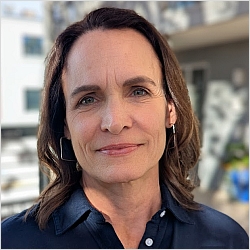
I believe in helping you develop practical skills to use in real life, so you feel more confidence and ease in day-to-day interactions. Insight is valuable, but there's more to therapy than understanding your past and yourself. In developing skills like self-compassion, you can learn to be kinder to yourself when things don't go perfectly, which can reduce anxiety. In learning how to self-regulate, you can be more authentic and assertive in your communication with others, which can lead to less people-pleasing, healthier boundaries, or greater fulfillment in relationships. These are just a few of the skills that I help clients develop in therapy, in both individual and couple work. If you're motivated to make real change, contact me for a free initial phone consultation. Or visit my website for more details about my therapy practice.
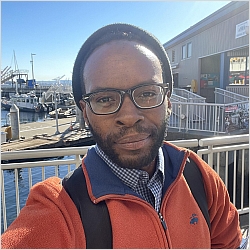
Hello! Therapist for those seeking mental health treatment with anxiety, trauma, depression, substance abuse, relationship Issues, gender and racial identity, and the typical and not so typical life issues that we all face along the way. You will receive genuine empathy and emotional support, as well as experienced counseling over a wide array of issues life might throw. I believe we all have the ability to grow and change, and those abilities look different in all of us on an individual level; I specialize in cooperating with you in your journey in unlocking your own inner strength and using it towards mental wellness.

Hi, I’m Jessica! My name is Jessica Vaught. I am a Licensed Professional Counselor (LPC). I work with children, adolescents, and adults. I specialize in depression, anxiety, stress, and behavioral problems using Patient-Centered Therapy, Cognitive Behavioral therapy, and Solution Focused Therapy. My communication style is an open and honest one. I want my clients to feel comfortable when speaking to me. I want them to feel safe and heard. Most of all, I want them to know that therapy is a place where they can speak freely without fear of judgment.
The therapists listed are members of GoodTherapy and pay us a membership fee which helps support our services. By using this site you signify your assent and agreement to our terms of service.
Find a Therapist in Golden, CO
Living in Golden offers many advantages, from the stunning Rocky Mountain backdrop to the vibrant outdoor culture that defines this historic Colorado city. However, the unique challenges of mountain living—including seasonal weather changes, altitude adjustments, and the pressures of balancing work with outdoor recreation—can impact mental health in ways specific to this region.
Whether you're a longtime Golden resident dealing with seasonal affective disorder during harsh winter months, a newcomer adjusting to high-altitude living, or someone navigating the stresses of Colorado's competitive job market, professional mental health support can make a significant difference in your well-being.
Since 2007, GoodTherapy has been dedicated to connecting people with ethical, compassionate therapists who understand that all individuals are capable of change and deserve dignity and respect. Our mission is to break down barriers and build bridges to accessible mental healthcare, helping you find the right therapist based on your specific needs and preferences.
Mental Health Support in Golden
Golden residents often seek therapy for anxiety, depression, relationship challenges, and work-related stress. The city's proximity to Denver creates unique pressures, as many residents commute to the metro area while maintaining Golden's small-town lifestyle, leading to concerns about work-life balance and community connection.
The local climate and lifestyle factors in Golden can impact mental health in distinct ways. Long winter months with heavy snowfall may contribute to seasonal depression, while the tourism industry and outdoor recreation economy create seasonal employment stress for many residents. Additionally, the area's rapid growth and changing demographics can lead to adjustment challenges for both longtime residents and newcomers.
Therapy Approaches Available in Golden
Golden therapists use several proven approaches to address the diverse mental health needs of mountain community residents. These evidence-based treatments are tailored to help individuals navigate both universal human challenges and location-specific stressors.
Cognitive Behavioral Therapy (CBT) helps identify and change negative thought patterns, particularly effective for managing anxiety related to altitude changes, seasonal depression, and work stress common in Golden's economy. This approach provides practical tools for handling daily challenges.
Solution-Focused therapy emphasizes building on existing strengths and resources, helping Golden residents leverage the community's outdoor recreation opportunities and tight-knit social networks as part of their healing process.
Dialectical Behavior Therapy (DBT) teaches emotional regulation skills that can be especially valuable for managing the isolation that sometimes comes with mountain living and the intense seasonal changes characteristic of the Colorado Front Range.
Psychodynamic therapy explores unconscious patterns and past experiences that may influence current relationships and life choices, while Interpersonal therapy focuses on improving communication and relationship skills within Golden's close-knit community environment.
Specialized Services
Many Golden therapists offer specialized services addressing trauma therapy for those affected by natural disasters or outdoor recreation accidents, substance use counseling relevant to Colorado's changing cannabis laws, and family therapy that considers the unique pressures of raising children in a rapidly growing mountain community.
Finding Your Right Therapeutic Match
Our directory makes it easy to find therapists in Golden who understand the specific challenges of mountain community living. You can search by specialty, insurance accepted, and treatment approach to find someone who aligns with your needs and preferences.
What to Consider in Your Search
When selecting a therapist in Golden, consider factors like their experience with altitude-related mood changes, understanding of seasonal affective disorder, and familiarity with the outdoor recreation culture that defines much of Golden's identity. Many local therapists incorporate nature-based therapeutic approaches that take advantage of Golden's beautiful natural setting.
Getting started is straightforward through our comprehensive therapy exploration resources, which help you understand different therapeutic approaches and what might work best for your situation.
Making Therapy Affordable
Cost concerns shouldn't prevent you from accessing mental health support in Golden. Many local therapists offer sliding-scale fees, payment plans, and accept various insurance options. It's worth contacting therapists directly to discuss financial arrangements that work within your budget.
Additionally, Jefferson County provides various mental health programs and resources that can supplement private therapy, including specialized programs for veterans—important given that roughly 1,000 military veterans call Golden home. The benefits of therapy extend far beyond the initial investment, providing tools and insights that enhance your quality of life long-term.
Expanding Your Search
If you're having difficulty finding the right fit in Golden, consider expanding your search to nearby communities. The Front Range offers excellent therapeutic resources, and many therapists serve multiple communities along the Denver metro corridor.
Taking the First Step
Seeking therapy demonstrates strength and self-awareness, not weakness. Golden's outdoor-oriented, health-conscious community increasingly recognizes mental health as an essential component of overall wellness, just like physical fitness and nutrition.
Ready to begin your journey toward better mental health? Start your search today and discover how the right therapeutic relationship can help you thrive in Golden's unique mountain environment. Our directory makes it easy to find qualified, ethical therapists who understand your community and are committed to supporting your growth and healing.
Related Resources
Find Therapists in Nearby Cities
Frequently Asked Questions
How do I find a therapist near me in Golden, CO?
Use GoodTherapy's directory to search for licensed therapists in Golden. You can filter by specialty, insurance accepted, and treatment approach. Many Golden therapists understand the unique challenges of mountain living, including seasonal affective disorder and altitude-related mood changes.
What types of therapy are offered in Golden, CO?
Golden therapists offer various evidence-based approaches including Cognitive Behavioral Therapy (CBT), Solution-Focused therapy, Dialectical Behavior Therapy (DBT), Psychodynamic therapy, and Interpersonal therapy. Many also provide specialized services for trauma, substance use, and family therapy tailored to mountain community living.
How much does therapy cost in Golden, CO?
Therapy costs in Golden vary by provider and treatment type. Many therapists offer sliding-scale fees, payment plans, and accept insurance. Contact therapists directly to discuss financial arrangements. Jefferson County also provides various mental health programs that may supplement private therapy options.
Can I find therapists who accept insurance in Golden, CO?
Yes, many Golden therapists accept various insurance plans. Use our directory filters to find providers who accept your specific insurance. It's recommended to verify coverage details directly with both your insurance company and the therapist's office before scheduling.
What mental health issues do therapists in Golden, CO commonly treat?
Golden therapists commonly address anxiety, depression, seasonal affective disorder, work-related stress, relationship challenges, and adjustment issues related to mountain living. Many also specialize in trauma therapy, substance use counseling, and family therapy specific to the challenges of raising children in a rapidly growing mountain community.