
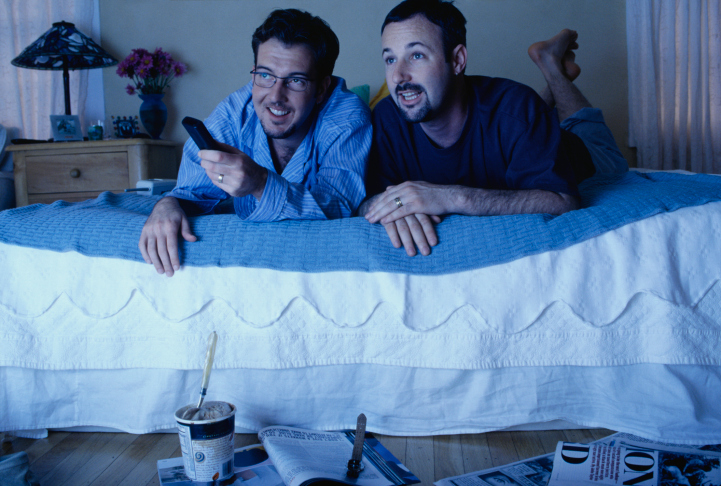
Movie therapy, also known as cinema therapy or film therapy, is an evidence-based therapeutic approach that uses carefully selected films to facilitate emotional healing, self-reflection, and psychological growth. Film therapy, the therapeutic use of movies in psychological therapies, is a growing area of interest to therapists and researchers. I define film therapy as watching or discussing movies or television shows as part of a therapeutic process. This innovative intervention combines the power of storytelling with clinical expertise to help individuals, couples, and families address mental health concerns and improve their overall well-being.
Recent research has demonstrated the effectiveness of movie therapy across diverse populations and settings. The benefits identified include emotional processing, greater ease of dialogue, increased empathy, interpersonal learning, new perspectives, and learning skills. As mental health professionals increasingly recognize the therapeutic value of films, movie therapy has emerged as a versatile tool that can be integrated into various therapeutic modalities and used to address a wide range of psychological issues.
Table of Contents
- What Is Movie Therapy?
- The Science Behind Movie Therapy
- How Movie Therapy Works: The MOVIE Model
- Benefits of Movie Therapy
- Applications for Specific Mental Health Conditions
- Movie Therapy for Couples and Families
- Who Provides Movie Therapy?
- Considerations and Best Practices
- Frequently Asked Questions
- How Therapy Can Help
- Find a Therapist
What Is Movie Therapy?
Movie therapy is a form of expressive therapy that incorporates films into the therapeutic process to promote insight, emotional processing, and behavioral change. Film or cinema therapy describes a process where movie-watching is employed as a therapeutic intervention. It sits within a long therapeutic tradition of working with imagery, symbol, metaphor, and story. Movies offer living stories and metaphors that can be seen, heard, and experienced.
The therapeutic use of films builds upon several psychological principles:
- Narrative therapy: Films provide alternative narratives that can help clients reframe their own life stories
- Observational learning: Viewers can learn new coping strategies by observing characters navigate challenges
- Emotional catharsis: Movies can evoke deep emotions in a safe, controlled environment
- Metaphorical processing: Symbolic elements in films can facilitate discussion of difficult topics
Under the rubric of cinema therapy, or movie therapy, research has been undertaken for some time to test the effect of films in different therapeutic settings and with different patient groups. This approach has evolved significantly since its formal introduction in the 1990s, with contemporary practitioners developing structured models for implementation.
The Science Behind Movie Therapy
Recent neuroscience research has revealed how films engage multiple brain systems simultaneously, making them powerful therapeutic tools. Adept at evoking emotions, movies can facilitate emotional processing, engaging the viewer via story, drama, image, and music. This can make movies a powerful route into therapeutic exploration.
Neurological Mechanisms
Films activate several key brain regions:
- Mirror neuron system: Enables viewers to empathize with characters and learn through observation
- Limbic system: Processes emotional content and facilitates emotional release
- Prefrontal cortex: Engages in reflection, meaning-making, and perspective-taking
- Default mode network: Activates during self-referential processing and introspection
Evidence Base
Multiple systematic reviews and meta-analyses have demonstrated the effectiveness of movie therapy:
Risk of bias in the included studies was assessed and a multilevel meta-analysis was performed, containing 30 controlled studies, 144 effect sizes, and 1,567 participants. The results showed an overall medium effect of drama-based therapies on mental health outcomes.
Research on film therapy shows a range of benefits. Movie therapy reduced parent–adolescent conflict in school-based counselling and facilitated catharsis, increased empathy, ease of dialogue, and interpersonal learning. Group cinema therapy reduced anxiety and made participation in therapy more appealing. Film therapy helped young people diagnosed with autistic spectrum condition to identify positive strengths and build resilience, while participants found using movies enjoyable.
How Movie Therapy Works: The MOVIE Model
One of the most comprehensive frameworks for implementing movie therapy is the MOVIE model, developed by Hamilton (2024). This evidence-based approach provides a structured method for integrating films into therapeutic practice.
The MOVIE Model Components:
The MOVIE model presented in Figure 1 begins with mindful engagement with the movie, encompassing Clyman's (2013) suggested awareness of thoughts and feelings while viewing. The model extends this to include noticing somatic (bodily) sensations that may be associated with emotional affect states (Gendlin, 2003) and awareness of thoughts, feelings, and somatic experience during therapeutic discussion of the movie.
M - Mindful Viewing
- Clients are guided to watch films with intentional awareness
- Notice thoughts, feelings, and bodily sensations during viewing
- Practice present-moment awareness while engaging with the story
O - Observe
- Identify personal reactions to characters and situations
- Notice which scenes evoke strong emotional responses
- Track patterns in emotional and cognitive responses
V - Voice Following the model's reflective steps, clients mindfully observe and voice their emotional and psychological responses to movie-watching
- Express feelings and thoughts about the film in therapy
- Share personal connections to the story
- Articulate insights gained from viewing
I - Identify Identify how the imagery, characters, themes, and story symbolise personal experience
- Connect film elements to personal experiences
- Recognize metaphors relevant to current challenges
- Identify coping strategies used by characters
E - Explore And consider any new possibilities that emerged for their own lives
- Discuss new perspectives gained from the film
- Explore alternative ways of thinking or behaving
- Consider how insights can be applied to real-life situations
Benefits of Movie Therapy
Research has identified numerous therapeutic benefits of incorporating films into mental health treatment:
Emotional Benefits
- Enhanced emotional processing: As a creative form of psychotherapy, drama appears to assist individuals in the COVID-19 pandemic and post-pandemic period in altering crisis conditions and challenging negative perspectives. Drama-based intervention is presented as an option for addressing mental health issues in clinical and general populations by utilising various multidisciplinary sources, such as psychodrama and role playing. Drama-based intervention is a creative form of psychotherapy that promotes psychological growth and transformation through the systematic and intentional use of drama and theatre techniques.
- Increased emotional vocabulary: Films help clients identify and name complex emotions
- Safe emotional release: Provides controlled environment for cathartic experiences
- Reduced emotional avoidance: Indirect exploration through characters reduces defensiveness
Cognitive Benefits
- Perspective-taking: Viewing diverse characters enhances cognitive flexibility
- Problem-solving skills: Observing characters navigate challenges provides new strategies
- Increased self-awareness: Recognizing personal patterns through character identification
- Cognitive restructuring: Cognitive behavioural counselling-based film therapy helped to improve communication skills
Social Benefits
- Improved communication: Talking about movie characters helped psychiatric patients to express thoughts and feelings
- Enhanced empathy: Understanding diverse perspectives through character experiences
- Stronger therapeutic alliance: Shared film experiences deepen client-therapist connection
- Reduced isolation: Recognizing universal themes in human experience
Behavioral Benefits
- Motivation for change: Inspirational narratives encourage personal growth
- Skill acquisition: Learning new behaviors through observational modeling
- Increased treatment engagement: Participants found using movies enjoyable
- Homework compliance: Film-watching assignments are often more appealing than traditional exercises
Applications for Specific Mental Health Conditions
Movie therapy has shown effectiveness across various mental health conditions:
Depression
Cinematherapy is an innovative therapeutic approach that leverages the emotional and psychological impact of films to aid in the treatment of depression. Films addressing themes of hope, resilience, and recovery can:
- Provide models of successful coping
- Reduce feelings of isolation
- Inspire motivation for treatment
- Facilitate discussion of difficult emotions
Anxiety Disorders
Group cinema therapy reduced anxiety and made participation in therapy more appealing. Specific applications include:
- Social anxiety: Films depicting successful social interactions
- Generalized anxiety: Movies demonstrating relaxation and mindfulness
- Phobias: Gradual exposure through film content
- Panic disorder: Characters modeling coping strategies
Post-Traumatic Stress Disorder (PTSD)
Recent research has shown promising results for film-based interventions in trauma treatment:
Results suggest that interactive audio-visual art therapy and music therapy is an effective intervention strategy for reducing the PTSD of school adolescents that have experienced kidnapping in Nigeria.
Film therapy for PTSD can:
- Provide safe distance for processing traumatic memories
- Demonstrate post-traumatic growth
- Normalize trauma responses
- Build hope for recovery
Autism Spectrum Disorder (ASD)
This technique is typically used with individuals affected by Autism Spectrum Disorder (ASD) and related social difficulties, but it can also be used to treat different kinds of pathologies, such as phobias. Cinematherapy and video modeling have been applied in several pathologies, such as Anorexia, anxiety, and ASD. Studies were mainly focused on behavioral and psychological difficulties in Autism Spectrum Disorders and Schizophrenia.
Benefits for individuals with ASD include:
- Social skill development: This study is intended to determine, from a systematic review, the importance and effectiveness of different interventions aimed at improving social skills in people with autism spectrum disorder (ASD) through theatrical techniques. The results indicate an improvement in socioemotional functioning, self-esteem, emotion management, empathy and listening, communication, and social interaction, adaptive skills
- Emotional recognition: Learning to identify emotions through character expressions
- Perspective-taking: Understanding different viewpoints through storylines
- Communication enhancement: Discussing films provides structured conversation topics
Substance Use Disorders
Films depicting recovery journeys can:
- Provide hope and inspiration
- Demonstrate coping strategies
- Address ambivalence about change
- Support relapse prevention
Movie Therapy for Couples and Families
Movie therapy has shown particular effectiveness in relationship counseling:
Couples Therapy Applications
Effectiveness of cognitive behavioral counselling-based film therapy on the communication skills of females with low sexual desire. Movies as a therapeutic technique in school-based counseling groups to reduce parent-adolescent conflict. Journal of Counseling & Development, 97(3), 306–316.
Research has demonstrated that couples who engage in movie therapy experience:
- Improved communication patterns
- Enhanced emotional intimacy
- Reduced conflict frequency
- Greater relationship satisfaction
The Process for Couples
1. Joint viewing: Partners watch selected films together
2. Structured discussion: Therapist-guided conversations about film themes
3. Personal application: Relating movie content to relationship dynamics
4. Skill practice: Implementing communication techniques observed in films
Family Therapy Integration
Therapists may show a movie for group discussion, or suggest watching a particular movie between appointments, to talk about next time, or clients may suggest a movie they relate to.
Movie therapy in family settings can:
- Create shared experiences across generations
- Facilitate difficult conversations
- Model healthy family dynamics
- Address intergenerational patterns
Who Provides Movie Therapy?
Movie therapy is utilized by mental health professionals across various disciplines:
Professional Integration
Film or cinema therapy is a highly accessible and relatable method for many diverse groups. Practitioners include:
- Clinical psychologists: Integrate films into evidence-based treatments
- Marriage and family therapists: Use movies to explore relationship dynamics
- Licensed clinical social workers: Apply film therapy in diverse settings
- Licensed professional counselors: Incorporate movies into individual and group work
- Psychiatrists: Use films as adjunct to medication management
- Art therapists: Combine film with other creative modalities
Training and Competence
While formal certification in movie therapy is not required, effective practitioners typically have:
- Strong knowledge of film analysis and interpretation
- Understanding of how to match films to client needs
- Skills in facilitating meaningful discussions
- Awareness of cultural considerations in film selection
- Training in trauma-informed care when using potentially triggering content
Settings Where Movie Therapy Is Used
- Private practice offices
- Community mental health centers
- Hospitals and residential treatment facilities
- Schools and universities
- Substance abuse treatment programs
- Veterans' services
- Employee assistance programs
Considerations and Best Practices
Film Selection Guidelines
Choosing appropriate films is crucial for therapeutic success:
1. Client readiness: Assess emotional capacity for film content
2. Cultural relevance: While movies may feature stereotyped representations of mental health, gender, race, class, disability, sexuality, and other issues, they can provide insight or prove educational. Cinema therapy can be useful as a cross-cultural medium that can "transcend all barriers and differences" if therapists develop skills in "culture-informed" interventions
3. Therapeutic goals: Match film themes to treatment objectives
4. Trigger warnings: Screen for potentially distressing content
5. Age appropriateness: Consider developmental factors
Ethical Considerations
- Informed consent: Explain the use of films in treatment
- Boundaries: Maintain professional boundaries when discussing film content
- Copyright: Use films legally and ethically
- Diversity: Ensure representation of diverse perspectives
- Client autonomy: Respect client preferences and comfort levels
Potential Limitations
While movie therapy offers many benefits, practitioners should be aware of potential challenges:
- Accessibility: Not all clients have access to streaming services or devices
- Time constraints: Film viewing requires time outside of sessions
- Cognitive capacity: Some clients may struggle with abstract thinking required for metaphorical processing
- Cultural barriers: Film references may not translate across all cultures
- Over-reliance: Should complement, not replace, other therapeutic interventions
Maximizing Effectiveness
To optimize movie therapy outcomes:
1. Prepare clients: Provide viewing guides with reflection questions
2. Create safety: Establish ground rules for emotional processing
3. Follow up thoroughly: Dedicate sufficient time to post-viewing discussion
4. Document insights: Encourage journaling about film experiences
5. Connect to goals: Explicitly link film themes to treatment objectives
Frequently Asked Questions
Q: Is movie therapy effective for all age groups? A: Movie therapy can be adapted for various age groups, from children to older adults. Film therapy helped young people diagnosed with autistic spectrum condition to identify positive strengths and build resilience, while participants found using movies enjoyable. The key is selecting age-appropriate films and adjusting discussion approaches to match developmental levels.
Q: How is movie therapy different from just watching movies for entertainment? A: Movie therapy involves intentional selection of films based on therapeutic goals, guided viewing with specific attention to thoughts and feelings, and structured processing with a trained therapist. The MOVIE model presented in Figure 1 begins with mindful engagement with the movie, encompassing Clyman's (2013) suggested awareness of thoughts and feelings while viewing. The model extends this to include noticing somatic (bodily) sensations that may be associated with emotional affect states.
Q: Can movie therapy be done online or via teletherapy? A: Yes, movie therapy adapts well to online formats. Therapists can recommend films for clients to watch between virtual sessions and conduct processing discussions via video conferencing. Some practitioners use screen-sharing to watch clips together during online sessions.
Q: How many sessions of movie therapy are typically needed? A: The number of sessions varies based on individual needs and treatment goals. Lin et al. (2022) reported significant reductions in depression and improvements in cognitive function and QOL among dementia patients following a 12-week drama therapy program. Some clients benefit from occasional film integration, while others may engage in more structured programs lasting several weeks or months.
Q: Are there specific films that work best for movie therapy? A: Film selection is highly individualized based on client needs, cultural background, and therapeutic goals. Effective therapeutic films typically feature relatable characters, clear narrative arcs, and themes relevant to the client's concerns. Therapists develop curated lists of films for different issues and populations.
Q: Can movie therapy trigger negative emotions or retraumatization? A: While films can evoke strong emotions, trained therapists carefully screen content and prepare clients for potentially challenging material. The controlled therapeutic environment allows for safe processing of difficult emotions. Therapists should always assess client readiness and provide appropriate support.
How Therapy Can Help
Movie therapy offers a creative and engaging approach to mental health treatment that can enhance traditional therapeutic methods. By harnessing the power of storytelling and visual narrative, this intervention helps clients gain new perspectives, process emotions, and develop coping strategies in a way that feels accessible and meaningful.
The evidence supporting movie therapy continues to grow, with research demonstrating its effectiveness across diverse populations and mental health concerns. This paper discusses the benefits of film therapy and presents a method, the MOVIE model of film therapy, a widely applicable, trauma-informed framework for individual or group therapy, counsellor education, and self-help. The benefits identified include emotional processing, greater ease of dialogue, increased empathy, interpersonal learning, new perspectives, and learning skills.
Whether used as a primary intervention or integrated with other therapeutic approaches, movie therapy provides a versatile tool for promoting healing and growth. The combination of entertainment and therapeutic value makes it particularly appealing for clients who might otherwise be reluctant to engage in traditional talk therapy.
Find a Therapist
If you're interested in exploring movie therapy, consider reaching out to mental health professionals in your area who incorporate creative and expressive therapies into their practice. Look for therapists who:
- Have experience with integrative or creative therapy approaches
- Demonstrate cultural competence and sensitivity
- Show willingness to incorporate your interests into treatment
- Maintain appropriate training and licensure
You can search for qualified therapists through:
- The GoodTherapy directory
- Your insurance provider's mental health network
- Local mental health associations
- University counseling centers
- Community mental health clinics
When contacting potential therapists, ask about their experience with movie therapy or their openness to incorporating films into treatment. Many therapists who don't specifically advertise movie therapy may still be willing to integrate this approach based on client interest and clinical appropriateness.
Remember that the therapeutic relationship is the most important factor in successful treatment. Choose a therapist with whom you feel comfortable and who respects your preferences for how therapy is conducted.
References:
- American Psychological Association. (2023). Evidence-based practice in psychology: Film and media-based interventions. APA Clinical Practice Guidelines. https://www.apa.org/practice/guidelines
- Cuijpers, P., Miguel, C., Harrer, M., Plessen, C. Y., Ciharova, M., Ebert, D., & Karyotaki, E. (2024). Absolute and relative outcomes of psychotherapies for eight mental disorders: A systematic review and meta-analysis. World Psychiatry, 23(2), 267-275. https://doi.org/10.1002/wps.21203
- Dumtrache, S. D. (2014). The effects of a cinema-therapy group on diminishing anxiety in young people. Procedia-Social and Behavioral Sciences, 127, 717-721. https://doi.org/10.1016/j.sbspro.2014.03.342
- Dunham, S. M., & Dermer, S. B. (2020). Cinematherapy with African American couples. Journal of Clinical Psychology, 76(8), 1472-1482. https://doi.org/10.1002/jclp.22999
- Ewulu, I. J., Ukwueze, C. C., Oluchi, K. M. T., Eze, N. O., Ezeugwu, C. A., & Nnanyelugo, C. E. (2024). Effect of interactive media-based music and art therapies on reduction in PTSD symptoms in children and adult victims of abduction. Complementary Therapies in Clinical Practice, 57, 101890. https://doi.org/10.1016/j.ctcp.2024.101890
- Fischer-Grote, L., Fössing, V., Aigner, M., Fehrmann, E., & Boeckle, M. (2024). Effectiveness of online and remote interventions for mental health in children, adolescents, and young adults after the onset of the COVID-19 pandemic: Systematic review and meta-analysis. JMIR Mental Health, 11, e46637. https://doi.org/10.2196/46637
- Hamilton, J. (2024). Movies on the couch: The MOVIE model of film therapy. Counselling and Psychotherapy Research, 24(2), 385-389. https://doi.org/10.1002/capr.12658
- Iyendo, T. O., Uwajeh, P. C., Oseke, B. N., Dong, L., Adejumo, A., Umar, I., Apuke, O. D., & Gever, C. V. (2024). Effect of audio-visual-based art and music therapy in reducing adolescents post traumatic stress disorder. Journal of Adolescent Health, 74(2), 283-291. https://doi.org/10.1016/j.jadohealth.2023.08.056
- Marsico, G., Guidi, M., Giuliani, C., & Faggiano, F. (2022). Through the looking glass: A scoping review of cinema and video therapy. Frontiers in Psychology, 12, 732246. https://doi.org/10.3389/fpsyg.2021.732246
- Martí-Vilar, M., Fernández-Gómez, N., Hidalgo-Fuentes, S., González-Sala, F., Merino-Soto, C., & Toledano-Toledano, F. (2023). Theater-based interventions in social skills in mental health care and treatment for people with autism spectrum disorder: A systematic review. Sustainability, 15(23), 16480. https://doi.org/10.3390/su152316480
- National Institute of Mental Health. (2024). Strategic plan for research 2020-2024. NIMH. https://www.nimh.nih.gov/about/strategic-planning-reports
- National Library of Medicine. (2023). Guide to mental health motion pictures. U.S. National Library of Medicine. https://www.nlm.nih.gov/hmd/collections/films/mentalhealthguide/index.html
- O'Bryan, A. (2023). What is movie and cinema therapy & how does it work? PositivePsychology.com. https://positivepsychology.com/movie-cinema-therapy/
- Orkibi, H., Azoulay, B., Snir, S., & Regev, D. (2023). Effectiveness of drama-based therapies on mental health outcomes: A systematic review and meta-analysis of controlled studies. Psychology of Aesthetics, Creativity, and the Arts. https://doi.org/10.1037/aca0000420
- Poltrum, M. (2025). Cinema therapy––The film as a medicine: From the silent film era to the present day. European Psychiatry, 68(Suppl 1), S69. https://doi.org/10.1192/j.eurpsy.2025.207
- Saravanapperumal, K., & Ilamparithi, V. (2025). A study of how the protagonists of films suitable for cinema therapy sessions with students addresses his emotional or psychological issues: A case study of young Orion from the film Orion and the Dark. International Journal of Research and Scientific Innovation, 12(9). https://doi.org/10.51244/IJRSI.2025.120800285
- Substance Abuse and Mental Health Services Administration. (2024). National directory of mental health treatment facilities. SAMHSA. https://www.samhsa.gov/data/report/2024-national-directory-mental-health-treatment-facilities
- Tannous Haddad, L., & Shechtman, Z. (2019). Movies as a therapeutic technique in school-based counseling groups to reduce parent-adolescent conflict. Journal of Counseling & Development, 97(3), 306-316. https://doi.org/10.1002/jcad.12270
- Wang, Y., Zhang, L., & Chen, H. (2023). Effectiveness of drama-based intervention in improving mental health and well-being: A systematic review and meta-analysis during the COVID-19 pandemic and post-pandemic period. International Journal of Environmental Research and Public Health, 20(6), 5147. https://doi.org/10.3390/ijerph20065147
- World Health Organization. (2023). Arts and health: Supporting mental wellbeing through creative interventions. WHO Technical Report. https://www.who.int/publications/i/item/9789240073753
