
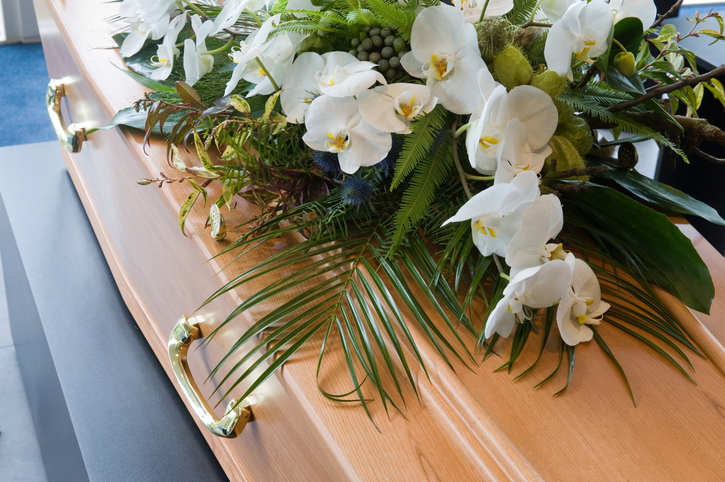
Grief is a natural and universal response to loss that affects millions of people each year. While most individuals will experience loss at some point in their lives, grief encompasses a complex range of emotions, thoughts, and behaviors that vary dramatically from person to person. This deeply personal experience depends on many factors, including an individual's background, beliefs, relationship to what was lost, and the cultural context in which they grieve.
Bereavement refers to the overarching experience of coping with loss and change after someone dies, while grief represents the emotional, psychological, and physical responses to any form of loss. Understanding these experiences—and knowing when professional support may be helpful—can make a significant difference in navigating one of life's most challenging experiences.
Table of Contents
- Understanding Grief: Types and Experiences
- The Grieving Process: Models and Recovery
- Prolonged Grief Disorder
- Physical Impacts: Broken Heart Syndrome
- Grief vs. Depression: Key Differences
- Cultural Perspectives on Grief
- Disenfranchised Grief
- Frequently Asked Questions
- How Therapy Can Help
Understanding Grief: Types and Experiences
The emotional, mental, and/or physical response to a loss, often due to death but also encompassing other life changes, grief manifests uniquely for each person. Grief is also a complex and deeply personal experience that can impact both mental and physical health—and nobody processes it in the same way.
Common Grief Reactions
Grief involves far more than sadness. People experiencing grief may encounter:
- Emotional responses: Deep sadness, anger, guilt, yearning, regret, relief, or numbness
- Cognitive changes: Confusion, difficulty concentrating, preoccupation with the deceased, or disbelief
- Physical symptoms: Fatigue, sleep disturbances, appetite changes, chest pain, or headaches
- Behavioral changes: Social withdrawal, restlessness, or searching for the deceased
A person in bereavement faces a period of grieving characterized by a range of emotional, mental, and physical reactions such as sadness, anger, confusion, and stress.
Grief Styles: Instrumental vs. Intuitive
People express and cope with grief in different ways, typically falling into two main styles:
Instrumental Grieving
- Focuses primarily on problem-solving tasks
- Involves controlling or minimizing emotional expression
- May include practical activities like organizing affairs or staying busy
Intuitive Grieving
- Based on heightened emotional experience
- Involves openly sharing feelings and exploring the lost relationship
- Includes reflecting on mortality and meaning
Most people display a blend of these styles, and neither approach is inherently better than the other. Grief is different for everyone—some even say as unique as a fingerprint—and there is no specific time frame for how long people grieve.
The Grieving Process: Models and Recovery
Contemporary Models of Grief
While older models like Elisabeth Kübler-Ross's five stages (denial, anger, bargaining, depression, acceptance) remain culturally influential, modern grief research emphasizes more flexible, non-linear approaches:
Dual Process Model (Stroebe & Schut, 1999)
In 1999, Margaret Stroebe and Henk Schut published the dual process model of coping with bereavement. In this model, the bereaved intermittently confronts and avoids the stressors of grieving. The stressors are divided into two categories: those oriented towards restoration, for example trying new things and adjusting to their changing reality, and those oriented towards their recent loss, such as the intrusion of grief into daily life or breaking relational bonds as a result of the loss. Attending to work in both categories can be burdensome, so oscillating between them, as well as doing the work in tolerable increments, is important.
This model recognizes that grieving involves moving back and forth between:
- Loss-oriented activities: Crying, yearning, dwelling on memories
- Restoration-oriented activities: Developing new routines, managing lifestyle changes, forming new connections
Meaning-Making Approach (Neimeyer)
Robert Neimeyer views grieving as a process of meaning-making. He has published many works ranging from the 1990s through 2024. His theory acknowledges that people co-construct their understanding of reality through a narrative of their own life stories, influenced by their beliefs and worldviews.
Recovery Timeline

Most individuals recover adequately within a year after the loss; however, some individuals experience an extension of the grieving process. This condition, identified as prolonged grief disorder, results from a failure to transition from acute to integrated grief. Symptoms of acute grief include sadness, tearfulness, and possibly insomnia, and typically require no treatment.
Recovery timelines vary significantly:
- Most people experience the most intense grief in the first 6 months
- Many find significant improvement by one year
- Grief often continues in waves, particularly around anniversaries and reminders
- Some individuals develop prolonged grief requiring professional support
Prolonged Grief Disorder
In 2022, the American Psychiatric Association added Prolonged Grief Disorder (PGD) to the DSM-5-TR after clearly distinguishing PGD as its own distinct diagnosis. Similarly, the World Health Organization included PGD in the ICD-11 in 2018.
Prevalence and Risk Factors
This condition is estimated to affect as many as 7% of bereaved individuals. However, according to the meta-analysis of Lundorff et al. (2017), a pooled prevalence rate of 9.8% (95% CI 6.8–14.0) was found in 14 studies across the world (pooled N = 8,035) among bereaved adults who experienced mostly nonviolent deaths of a loved one.
Based on 120 studies of 61,580 participants published between 1989 and 2023, 19 risk factors were included in the meta-analysis. For the adjusted associations, the strongest associations with PGS were pre-loss grief symptoms (ESr = 0.39, 95%CI[0.24-0.53]) and depression (ESr = 0.30, 95%CI[0.13-0.44]). Small, but statistically significant associations were observed for unexpected death, violent/unnatural death, low educational level, low income, female gender, anxious attachment style, and death of a child or partner.
Diagnostic Criteria
Prolonged grief disorder involves intense, painful emotions associated with a lack of adaptation to the loss of a loved one that persists for more than 1 year in adults and more than 6 months in adolescents or children.
Key symptoms include:
- Persistent yearning or longing for the deceased
- Intense emotional pain related to the death
- Preoccupation with thoughts or memories of the deceased
- Identity disruption (feeling part of oneself has died)
- Difficulty accepting the death
- Emotional numbness
- Difficulty moving forward in life
- Feeling life is meaningless
- Intense loneliness
Evidence-Based Treatment
In such cases, a PGD diagnosis holds great clinical relevance, supported by strong evidence from randomized controlled trials across the lifespan revealing that PGD responds well to targeted grief-specific psychotherapy. Prolonged Grief Disorder Therapy (PGDT), the most rigorously validated among them in three NIMH-funded clinical trials involving a combined 641 PGD participants aged 20−93, demonstrated over 70% effectiveness in resolving PGD symptoms compared to 44% for depression-specific interventions.
Recent research shows that several therapeutic approaches are effective:
- Cognitive Behavioral Therapy (CBT) emerged as the predominant and most effective approach, demonstrating versatility across individual, group, and internet-based formats. Innovations such as combining CBT with mindfulness, exposure therapy, or EMDR showed promise, particularly in addressing trauma-related grief.
- Compared with the waiting list, behavioral therapy (SMD=-1.05; 95%CI=-1.71, -0.38), third-wave cognitive behavior therapy (SMD=-1.00; 95%CI=-1.41, -0.58), family therapy (SMD=-0.87; 95%CI=-1.59, -0.16), psychodynamic therapy (SMD=-0.88; 95%CI=-1.67, -0.10) and cognitive therapy (SMD=-0.84; 95%CI=-1.57, -0.12) were statistically effective in reducing grief symptoms.
Physical Impacts: Broken Heart Syndrome
Broken heart syndrome (takotsubo cardiomyopathy) is a sudden weakness in your heart muscle. This happens right after a physically or emotionally stressful event. The condition is usually the result of severe emotional or physical stress, such as a sudden illness, the loss of a loved one, a serious accident, or a natural disaster such as an earthquake. That's why the condition is also called stress-induced cardiomyopathy or broken-heart syndrome.
Key Facts About Broken Heart Syndrome
Several mechanisms are hypothesized as possible etiologies of takotsubo cardiomyopathy, including sympathetic overdrive with increased catecholamines, coronary spasm, microvascular dysfunction, low estrogen levels, inflammation, or impaired myocardial fatty acid metabolism. Risk factors for the development of takotsubo cardiomyopathy include domestic abuse, death of relatives, natural calamities, accident or major trauma, arguments, financial or gambling loss, diagnosis of an acute medical illness, stimulant drugs such as cocaine or amphetamines, or even positive life events, the so-called 'happy heart syndrome.'
Important points about this condition:
- Most of the abnormalities in systolic function and ventricle wall movement seen in broken-heart syndrome clear up in one to four weeks. Most individuals who experience it recover fully within two months and are at low risk for it happening again. However, some people continue to have persistent signs consistent with heart failure. In rare cases, broken heart syndrome can be fatal.
- About 1 in 10 people who've had takotsubo syndrome develop it again after they've recovered.
- Women and older adults are at higher risk
- The good news is that it's a temporary condition that usually doesn't cause any permanent heart damage.
Grief vs. Depression: Key Differences
While grief and depression share some symptoms, they are distinct experiences:
Grief Characteristics:
- Triggered by a specific loss
- Sadness comes in waves, often mixed with positive memories
- Self-esteem typically remains intact
- Thoughts of death usually involve wanting to join the deceased
- Symptoms generally improve over time without treatment
Depression Characteristics:
- Can occur without a specific trigger
- Persistent, pervasive low mood
- Major depressive disorder (MDD) is characterized by an overall depressed mood, feelings of worthlessness, diminished interest in daily activities, fatigue, and recurrent thoughts of death
- Marked feelings of worthlessness and self-criticism
- May involve suicidal ideation unrelated to joining someone
- Often requires professional treatment
PGD can be particularly harmful to the individual as it is often comorbid with such disorders as depression and post-traumatic stress disorder (PTSD). For example, in their longitudinal study on bereaved individuals, Komischke-Konnerup et al. (2023) found that early severe symptoms of PGD were associated with the development of PTSD and depression. Nevertheless, while depressive disorders, PTSD, and PGD share similar symptoms, PGD possesses unique core symptoms (e.g., yearning and preoccupation with the deceased) and is distinguished as its own disorder.
Cultural Perspectives on Grief
Grief expressions and mourning rituals vary significantly across cultures, affecting:
Attitudes Toward Death
Western cultures often exhibit death-denying traits, viewing death as something to fight or resist. In contrast, many Eastern cultures characterize death as a natural part of life—more of a transition than an ending. Research indicates that people in death-accepting cultures tend to experience less anxiety around death.
Mourning Practices
Cultural differences in grief expression include:
- Duration of mourning: Some cultures encourage extended grieving periods, while others promote quicker "recovery"
- Emotional displays: Societies vary in what's considered appropriate emotional expression
- Remembrance practices: Some cultures maintain ongoing connections with the deceased, while others encourage severing ties
- Rituals and ceremonies: From elaborate multi-day funerals to simple memorial services
Clinical Implications
When supporting grieving individuals, it's essential to consider cultural context. Bereavement patterns typical in one culture may be stigmatized in another. Mental health professionals should remain culturally sensitive and avoid imposing dominant cultural norms on grieving individuals from diverse backgrounds.
Disenfranchised Grief
Disenfranchised grief can be defined as a loss that is not openly acknowledged or a mourning process not recognized socially after a loss. One can also self-disenfranchise by suppressing and not allowing oneself to grieve. Disenfranchised grief, as defined by Kenneth Doka (1989), is "grief that persons experience when they incur a loss that is not or cannot be openly acknowledged, publicly mourned, or socially supported."
Common Types of Disenfranchised Grief
1. Pet Loss: Often minimized with comments like "it was just an animal," yet research shows the mourning period for pets parallels that for human family members
2. Pregnancy Loss: Following perinatal loss, a type of ambiguous loss, bereaved couples struggle with and experience distress due to various forms of ambiguity. Moreover, the juxtaposition of their grief with society's minimization often disenfranchises them from traditional grieving processes.
3. Non-Traditional Relationships: Same-sex partners, ex-spouses, or close friends may receive less support than traditional family members
4. Ambiguous Losses: Losses from dementia, missing persons, or adoption where the person is alive but absent
5. Stigmatized Deaths: Deaths from suicide, overdose, or AIDS may carry social stigma that complicates grieving
6. Professional Grief: The COVID-19 pandemic further magnified these challenges, bringing professional grief into sharper focus. Healthcare workers (HCWs) across different professions and specialties experience professional grief that requires comprehensive examination to identify research gaps and provide educational, clinical, and policy recommendations.
Impact of Disenfranchisement
When grief is disenfranchised:
- Individuals may struggle to accept their own feelings
- Shame and secrecy can intensify grief symptoms
- Lack of social support can delay recovery
- People may feel isolated and misunderstood
- Access to bereavement resources may be limited
Frequently Asked Questions
How long does grief typically last?
For most, grief lessens over time. For others, however, grief can be a profoundly consuming experience that completely changes their ability to continue life as it was before. Grief is not a linear experience, but rather a response that alternates in intensity and form based on many factors. Most people find the most intense symptoms improve within 6-12 months, though grief often continues in waves throughout life, especially around significant dates.
What's the difference between normal grief and prolonged grief disorder?
Normal grief gradually improves over time and allows for moments of joy and functioning. Prolonged grief disorder involves persistent, intense symptoms lasting over 12 months in adults (6 months in children) that significantly impair daily functioning and quality of life.
Can grief really cause physical symptoms?
Yes. Grief can manifest physically through fatigue, sleep problems, appetite changes, headaches, and chest pain. In extreme cases, intense emotional stress can even trigger takotsubo cardiomyopathy (broken heart syndrome), though most people recover fully.
Is it normal to feel relief after someone dies?
Absolutely. Mixed emotions are common in grief. You might feel relief that someone is no longer suffering, alongside sadness about their death. These contradictory feelings are a normal part of the grieving process.
How do I know if I need professional help for grief?
Consider seeking help if grief symptoms persist intensely for over a year, significantly interfere with daily functioning, include thoughts of self-harm, or if you're struggling with complicated feelings like extreme guilt or anger.
What helps people cope with grief?
▶Join a professional or peer grief support group ▶Write in a journal ▶Express yourself through art ▶Reflect on faith, religious, spiritual, and/or other personal beliefs ▶Meditate or pray ▶Find ways to honor the memory of the one who has died ▶Eat healthy foods and/or exercise ▶Spend time in nature ▶Participate in a healthy hobby
How Therapy Can Help
Professional support can be invaluable for navigating grief, whether it follows expected patterns or becomes prolonged and complicated. Therapy provides a safe space to process emotions without judgment and develop healthy coping strategies.
Evidence-Based Approaches
Research demonstrates that several therapeutic approaches effectively address grief:
- Cognitive Behavioral Therapy (CBT): Helps identify and modify unhelpful thought patterns while developing coping skills
- Prolonged Grief Disorder Therapy: Specifically designed for complicated grief with proven effectiveness
- Mindfulness-Based Approaches: Support present-moment awareness and emotional regulation
- Group Therapy: Provides peer support and reduces isolation
When to Seek Help
Consider reaching out to a mental health professional if you experience:
- Persistent, intense grief lasting over a year
- Difficulty functioning in daily life
- Thoughts of self-harm or joining the deceased
- Inability to accept the reality of the loss
- Extreme avoidance of reminders
- Loss of meaning or purpose in life
Finding Support Through GoodTherapy
If you're struggling with grief, you don't have to face it alone. Whether you're dealing with recent loss, prolonged grief, or supporting someone through bereavement, professional help is available. Use our therapist directory to find a qualified grief counselor near you.
Remember: Seeking help is a sign of strength, not weakness. Every loss is significant, and your grief deserves acknowledgment and support.
References:
- Breen, L. J., Greene, D., Rees, C. S., Black, A., Cawthorne, M., & Egan, S. J. (2023). A co-designed systematic review and meta-analysis of the efficacy of grief interventions for anxiety and depression in young people. Journal of Affective Disorders, 335, 289-297. https://doi.org/10.1016/j.jad.2023.05.032
- Buur, C., Zachariae, R., Komischke-Konnerup, K. B., Marello, M. M., Schierff, L. H., & O'Connor, M. (2024). Risk factors for prolonged grief symptoms: A systematic review and meta-analysis. Clinical Psychology Review, 107, 102375. https://doi.org/10.1016/j.cpr.2023.102375
- Centers for Disease Control and Prevention (CDC). (2024). Grief, bereavement, and coping with loss. https://www.cdc.gov/mentalhealth/grief.htm
- Cesur-Soysal, G., & Arı, E. (2024). How we disenfranchise grief for self and other: An empirical study. OMEGA - Journal of Death and Dying, 89(3), 956-973. https://doi.org/10.1177/00302228221075203
- Cleveland Clinic. (2023). Broken heart syndrome. https://my.clevelandclinic.org/health/diseases/17857-broken-heart-syndrome
- Eisma, M. C. (2023). Prolonged grief disorder in ICD-11 and DSM-5-TR: Challenges and controversies. Australian and New Zealand Journal of Psychiatry, 57(7), 944-951. https://doi.org/10.1177/00048674231154206
- Goveas, J. S., & O'Connor, M. F. (2023). Prolonged grief disorder: Unveiling neurobiological mechanisms for a shared path forward. American Journal of Geriatric Psychiatry, 32(5), 535-538. https://doi.org/10.1016/j.jagp.2023.12.016
- Hao, F., Qiu, F., Liang, Z., & Li, P. (2024). Psychotherapies for prolonged grief disorder in adults: A systematic review and network meta-analysis. Asian Journal of Psychiatry, 99, 104133. https://doi.org/10.1016/j.ajp.2024.104133
- Harvard Health Publishing. (2023). Takotsubo cardiomyopathy (broken-heart syndrome). Harvard Medical School. https://www.health.harvard.edu/heart-health/takotsubo-cardiomyopathy-broken-heart-syndrome
- Hilberdink, C. E., Ghainder, K., Dubanchet, A., et al. (2023). Bereavement issues and prolonged grief disorder: A global perspective. Global Mental Health, 10, e32. https://doi.org/10.1017/gmh.2023.28
- Khalid, N., Shams, P., Shlofmitz, E., & Chhabra, L. (2023). Takotsubo cardiomyopathy. In: StatPearls. StatPearls Publishing. https://www.ncbi.nlm.nih.gov/books/NBK430798/
- Komischke-Konnerup, K. B., O'Connor, M., Hoijtink, H., et al. (2025). Cognitive-behavioral therapy for complicated grief reactions: Treatment protocol and preliminary findings from a naturalistic setting. Cognitive and Behavioral Practice, 32(1), 29-43. https://doi.org/10.1016/j.cbpra.2023.08.002
- Lang, P., White, L. H., Merriman, J. D., et al. (2024). Perinatal loss and parental grief: The challenge of ambiguity and disenfranchised grief. Journal of Loss and Trauma, 29(3), 412-428. https://doi.org/10.1080/15325024.2023.2272841
- LaPlante, C. D., Hardt, M. M., Maciejewski, P. K., & Prigerson, H. G. (2024). State of the science: Psychotherapeutic interventions for prolonged grief disorder. Behavior Therapy, 55(6), 1303-1315. https://doi.org/10.1016/j.beth.2024.04.003
- Lenferink, L. I. M., Boelen, P. A., Smid, G. E., & Paap, M. C. S. (2023). The Traumatic Grief Inventory-Clinician Administered: A psychometric evaluation of a new interview for ICD-11 and DSM-5-TR prolonged grief disorder severity and probable caseness. Journal of Affective Disorders, 330, 188-197. https://doi.org/10.1016/j.jad.2023.03.006
- National Institute of Mental Health (NIMH). (2025). Prolonged grief disorder. https://www.nimh.nih.gov/health/topics/prolonged-grief-disorder
- O'Malley, P. G., Simon, N. M., & Shear, M. K. (2024). Prolonged grief disorder. New England Journal of Medicine, 391(13), 1227-1236. https://doi.org/10.1056/NEJMcp2309996
- Phillips, C., et al. (2024). Hidden in plain sight: A scoping review of professional grief in healthcare and charting a path for change. Journal of Healthcare Quality, 46(3), 152-168. https://doi.org/10.1097/JHQ.0000000000000401
- Pleshka, A., Crawford, S., Wellsby, M., et al. (2025). Treatments for prolonged grief disorder: A systematic review and network meta-analysis. OMEGA - Journal of Death and Dying, 91(4), 1205-1232. https://doi.org/10.1177/00302228251364716
- Prigerson, H. G., Kakarala, S., Gang, J., & Maciejewski, P. K. (2021). History and status of prolonged grief disorder as a psychiatric diagnosis. Annual Review of Clinical Psychology, 17, 109-126. https://doi.org/10.1146/annurev-clinpsy-081219-092711
- Prigerson, H. G., Singer, J., & Killikelly, C. (2023). Prolonged grief disorder: Addressing misconceptions with evidence. American Journal of Geriatric Psychiatry, 31(10), 833-844. https://doi.org/10.1016/j.jagp.2023.10.020
- Schoo, C., Azhar, Y., Mughal, S., et al. (2025). Grief and prolonged grief disorder. In: StatPearls. StatPearls Publishing. https://www.ncbi.nlm.nih.gov/books/NBK507832/
- Shear, M. K., Reynolds, C. F. 3rd, Simon, N. M., et al. (2023). Prolonged grief therapy: State of the art and future directions. JAMA Psychiatry, 80(7), 685-694. https://doi.org/10.1001/jamapsychiatry.2023.0801
- Stroebe, M., & Schut, H. (1999). The dual process model of coping with bereavement: Rationale and description. Death Studies, 23(3), 197-224. https://doi.org/10.1080/074811899201046
- Substance Abuse and Mental Health Services Administration (SAMHSA). (2024). Coping with bereavement and grief. https://www.samhsa.gov/communities/coping-bereavement-grief
- World Health Organization. (2022). ICD-11 for mortality and morbidity statistics: 6B42 Prolonged grief disorder. https://icd.who.int/browse11/l-m/en#/http://id.who.int/icd/entity/1183832314

