Self-Compassion and Psychological Well-Being
Presented by Kristin Neff, PhD on 12-02-2011 at 9 a.m. Pacific to 10:30 a.m. Pacific (1:30 p.m. Eastern)

What is the key to psychological health? For years it was believed to be self-esteem. However, research psychologists have highlighted several downsides to the endless pursuit of self-esteem, including constant social comparisons, ego defensiveness, narcissism, and the instability and contingency of self-worth. As suggested by research, self-compassion is a healthier way of relating to oneself. Self-compassion offers all the same benefits as self-esteem, without the same downsides. It requires that people treat themselves with kindness, just as they would treat a good friend whom they cared about. Rather than people continually judging and evaluating themselves, self-compassion involves having people generate kindness toward themselves as imperfect humans and learn to be present with the inevitable struggles of life with greater ease. Self-compassion motivates people to make desired changes in their lives because they care for themselves and want to lessen their suffering, not because they are inadequate or worthless.
In this web conference, Dr. Kristin Neff will present research and theory on self-compassion, which has been strongly associated with positive states such as life satisfaction and happiness and negatively associated with maladaptive states such as depression and anxiety. Dr. Neff will explain the differences between self-compassion and self-esteem, self-pity, and self-indulgence. She will also discuss the ways in which self-compassion is more effective and powerful as a motivational tool than self-criticism. The efficacy of Mindful Self-Compassion, a program developed recently by Dr. Neff and her colleague Chris Germer, will be demonstrated by data from a randomized controlled trial. Ample time for questions and answers will be provided throughout this live event for participants to chime in and interact. In addition, a few simple tools will be highlighted for people--people in therapy and clinicians alike--to respond in kind, compassionate ways when experiencing painful emotions. It is normal for people to want to avoid pain, however, letting pain in--and responding compassionately to one’s own imperfections without harsh self-condemnation--is essential for living happier and more fulfilling lives.
This introductory web conference is designed to help clinicians:
- Identify the three key components of self-compassion;
- Explain the difference between self-compassion and self-esteem;
- List strategies to motivate oneself with kindness rather than self-criticism;
- Describe key research that supports the benefits of self-compassion.
If you have any questions about this web conference or would like more information, please contact us here.
Event Reviews from Members
This is information I can use in my practice AND in my life - thank you. - Tammy Fletcher, MA, MFT
Continuing Education (CE) Information
1.5 CE credits will be provided by GoodTherapy.org for attending this web conference in its entirety.
GoodTherapy.org is also an Approved Education Provider by NAADAC, The Association for Addiction Professionals (provider #135463). Of the eight counselor skill groups ascribed to by NAADAC, this course is classified within counseling services.
GoodTherapy.org is an NBCC-Approved Continuing Education Provider (ACEPTM) and may offer NBCC-approved clock hours for events that meet NBCC requirements.
GoodTherapy.org is approved by the American Psychological Association to sponsor continuing education for psychologists. GoodTherapy.org maintains responsibility for this program and its content.
GoodTherapy.org, SW CPE is recognized by the New York State Education Department's State Board for Social Work as an approved provider of continuing education for licensed social workers #0395.
To receive CE credit hours for an archived event, you will need to complete a survey as well as a 12 or 15-question exam, verifying that you listened to or watched the event in its entirety. Archived CE events generally are considered "homestudy" by licensing boards.
Registration Information
Premium and Pro Membership with GoodTherapy includes access to this web conference at no additional cost, as well as other member benefits such as a profile listing in GoodTherapy's Therapist Directory. Not yet a member? Sign up for a Premium or Pro Membership, here.
Just want CE credits? Sign up for a monthly or annual CE Subscription with GoodTherapy to get unlimited access to our CE Program, including this event, other live CE web conferences, and hundreds of hours of homestudy courses.
Mental health professionals who are not members can access the homestudy recording for $15.50. Sign up here to purchase this CE course and earn a CE certificate.
If the event is canceled by GoodTherapy, registrants who purchased the event will be notified and the charge for the event will be refunded
If you have any questions or would like information regarding disability accommodations, please contact us.
Meet the Presenter
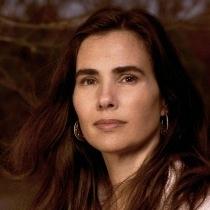
Kristin Neff, PhD
In 1997, Kristin Neff, PhD, earned her doctorate in Human Development from the University of California. Currently, Dr. Neff is an Associate Professor of Human Development and Culture at the University of Texas in Austin, TX. A pioneer in the field of self-compassion research, Dr. Neff conducted the first empirical studies on self-compassion over ten years ago. In addition to writing academic articles and book chapters on self-compassion, she authored Self-Compassion (William Morrow, 2011). Dr. Neff’s work has been featured extensively in the media, including CBS News, The New York Times, MSNBC, Fitness Magazine, Spirituality and Health Magazine, National Public Radio, Reader’s Digest, and GoodTherapy.org. In collaboration with Dr. Chris Germer, Dr. Neff has developed an eight-week training program called Mindful Self-Compassion, and she offers workshops on self-compassion throughout the world.
More information about self-compassion—including guided meditations, videos, research articles, exercises, and a way to test your personal self-compassion level—is available at www.self-compassion.org. Kristin is also featured in The Horse Boy, an award-winning documentary and bestselling book chronicling her family’s journey to the reaches of Mongolia where together they trekked on horseback to find healing for her son, who has autism.
Continuing Education Provider Approvals
 GoodTherapy.org is Approved by the American Psychological Association to sponsor continuing education for psychologists. GoodTherapy.org maintains responsibility for this program and its content.
 GoodTherapy.org has been approved by NBCC as an Approved Continuing Education Provider, ACEP No. 6380. Programs that do not qualify for NBCC credit are clearly identified. GoodTherapy.org is solely responsible for all aspects of the programs.
- GoodTherapy.org, LLC is recognized by the New York State Education Department's State Board for Social Work as an approved provider of continuing education for licensed social workers #SW-0395.
- GoodTherapy.org, LLC is recognized by the New York State Education Department's State Board for Mental Health Practitioners as an approved provider of continuing education for licensed marriage and family therapists #MFT-0022 and for licensed mental health counselors #MHC-0031.