
My communication style is calm, direct, motivational, encouraging, personable, and non-judgmental. Clients feel comfortable, relaxed, and safe when talking with me about any challenges they have faced/are facing.
Find a Therapist in Ashburn, VA
208 results
25 miles
Accepting new clients
More results

Creating a relaxed, safe, and supportive environment is a fundamental aspect of my therapeutic practice. I aim to help clients feel comfortable and secure. By building rapport and providing active listening I strive to ensure that each client feels heard, respected, and valued. This supportive atmosphere is important to assist clients with developing coping strategies, building resilience, and navigating challenges.

Do you have the same fights? Does anything ever get resolved? Do you long for a simpler time when things were better between you and your partner? Do you talk only about logistics and the kids? Are you roommates and want to be lovers? Do you feel alone even though you are surrounded? Are you stuck in your relationship? I understand. I've helped numerous couples learn new skills, develop a better process for resolving differences and navigating life so that .... at minimum, you like each other at the end of the day. In my work, I include individual and couples therapy and add group therapy when the time is right. With this 360-degree view of each individual in the couple, the patient is able to see their self-defeating patterns and practice new skills in couples and groups to become a better partner. I also work with individuals in their work roles in a similar fashion.

I believe that our most important periods of growth come out of our most painful moments and circumstances. I have chosen this profession because I believe in the power of working though pain to a better end. I consider it a privilege and an honor to participate in your journey to wellness. I work to create a safe, non-judgmental space for you to explore, in-depth, the reasons for unwanted emotions or circumstances, allowing you to overcome your challenges and to be able to better cope. I am truly a generalist, trained to help with a wide range of concerns. However, I do have a few particular specialties. I specialize in the treatment of anxiety, depression, trauma, and disordered eating. I also specialize in couples therapy and in the treatment of children and adolescents. I am a certified Gottman couples therapist, and I use Play Therapy techniques when treating children. I am also trained in Cognitive-Behavioral Therapy (CBT), Family Systems, Psychodynamic Treatment, and Trauma-Focused CBT. Please reach out to see if I might be the right therapist for you or your loved one.

I believe the therapeutic relationship itself is a healing experience. During sessions, we are able to process your thoughts, emotions, and lived truth in context with your current life. We work together, with you in charge of the pace and direction that we go in. I offer you a mirror to see your life from different perspectives, as we so often get stuck in one thought pattern. I believe you have deep wisdom within you; my job is to help you connect to your inner self so that you can gain insight that allows you to live your best life.
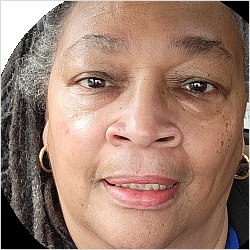
I create a laid-back, relaxed approach so that clients are comfortable and can be themselves in a trusting, confidential, and professional environment.

Dr. Kaveh is the owner and director of Washington Psychological Wellness, a boutique-style mental health practice located in Montgomery County, Maryland. Washington Psychological Wellness is passionate about helping people live the lives they have envisioned by bringing values of honesty, kindness, humor and compassion to the practice. Therapy can inspire change, create greater self-awareness and improve one's life and relationships. Our clinicians provide a comfortable and collaborative environment in which you can take risks and explore different ways of thinking, feeling and being. Our aim is to help you gain clarity about the underlying causes of problems, provide strategies to help you cope and empower you to trust your inner voice and live each day authentically. Our clinicians see individuals for a range of issues including anxiety, depression, unsatisfying relationships, LGBTQ issues, overwhelming emotions, self-esteem, academic challenges, family discord, lack of motivation as well as workplace challenges. We also specialize in conducting individually tailored psychological assessments, evaluations and reports. We believe in the uniqueness of each individual. Together, we will draw on integrative and holistic therapy approaches to find the best solutions to meet your goals. In your sessions, we will address daily obstacles, unconscious emotional challenges and learn to confront our negative thoughts. We are also proud to provide HIPAA-compliant telehealth (online) therapy. We are currently accepting new clients. Feel free to contact us for a complimentary phone consultation!

David Jun Selleh, MA, NCC, LCPC, LPC, is an integrative psychotherapist specializing in treatment-resistant depression, complex trauma, anxiety, and relationship issues. Trained in Accelerated Experiential Dynamic Psychotherapy (AEDP), Internal Family Systems (IFS), and trauma-focused Gestalt Therapy, David is curious, direct, and relational. He strategically facilitates parts-work, somatic processing, mindfulness, dream-work, and other interventions. He incorporates Acceptance and Commitment Therapy (ACT), Flash (FT), Polyvagal Theory, Ketamine-Assisted Therapy (KAP), Psychedelic Integration (PHRI), and more. David is a Licensed Clinical Professional Counselor (LCPC) in Maryland, and a Licensed Professional Counselor (LPC) in Washington D.C., holding a Master of Arts degree in Clinical Mental Health Counseling from Indiana University of Pennsylvania. David completed two-year training in Gestalt Therapy with the Gestalt Institute of Pittsburgh, and focused on working with trauma with the Gestalt Centre of UK. He earned a Ketamine-Assisted Psychotherapy Advanced Certificate with Fluence, and completed the Accelerated Experiential Dynamic Psychotherapy Immersion with the AEDP Institute. He is also continually advancing his skills through ongoing education, consultation, and his own personal work. David helps people connect with their inner healing wisdom and return to wholeness, naturally discovering new and meaningful choices in the process. Clients often report improvements to emotional regulation, and feeling more “complete” early on. Growth continues insights are translated into new habits and daily behavior change. David has helped many improve depression, attachment trauma, anxiety, relationships, climate and political distress, family-of-origin issues, addiction, shame, anger, self-esteem, transitional challenges, and other concerns. Please call or email to schedule a consultation.
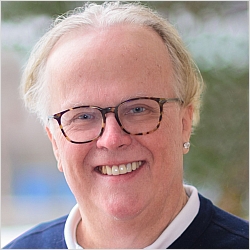
My 25+ years of experience has taught me the importance of making the time to listen and understand before I start making suggestions. This involves understanding each person's life story, administering assessment tools, reviewing relevant records, and interviewing other people that my client and I agree should be involved. I believe strongly in evaluating strengths as well as pain, with my feedback emphasizing the former. I also believe in letting my clients know about what research-based treatments are available to them so that we can collaborate in experiencing transformative change ASAP. I believe in setting life-altering goals before beginning, and checking on progress as we go. My intention is to promote healing, wellness, and happiness as thoroughly and as effectively as possible. With child and teen clients, I use a variety of methods to make each person comfortable (e.g., I use magic to connect with kids and teens, referring to myself as a wizard).

I believe every individual has their own strength and weaknesses. It is my hope to provide a safe and secure environment in which people can explore their emotions and reach their personal goals to find happiness. In my experience having safe and secure connection with the therapist allows individuals to truly work on their inner feelings and achieve progress.

If you’re living with the aftereffects of trauma, chronic stress, or anxiety, you may feel constantly on guard, numb, or disconnected from yourself and your relationships. I provide trauma-informed online therapy for adults in California and Virginia. I’m an acceptance and commitment therapy (ACT)-forward psychologist: we build psychological flexibility—making room for difficult thoughts and feelings while taking values-based action. We go at your pace; you’ll never be pushed to disclose before you’re ready. My approach blends acceptance and commitment therapy (ACT) with cognitive behavioral therapy (CBT), cognitive processing therapy (CPT), prolonged exposure (PE), dialectical behavior therapy (DBT)-informed skills, mindfulness, and attachment-focused strategies. Together, we map patterns that keep symptoms going, strengthen boundaries, regulate the nervous system, and practice real-life communication skills so change holds outside session. I often support privacy-sensitive clients (federal security-clearance and tech government professionals), veterans, first responders, immigrants and refugees, and LGBTQ+ clients. Care is confidential and self-pay, with superbills available.

From years of experience, I can help my clients see what they cannot see. Light bulbs go off and clients open up to new possibilities, self discovery, and hope. I use both short term and longer term psychotherapy in order to provide more choice for my clients. I see children and adults up to age 85. I do therapy with parents and children, adolescents, individuals with depression or anxiety, and especially people going through stressful transitions. I focus on good relationships within families and within individuals (ie. How we relate to ourselves). When someone comes to see me they can expect that I will listen deeply to what they say and feel, to what they want to work on, and then work together to find solutions. I currently offer telemental health services only. I prefer phone, but Zoom and Facetime are optional.
The therapists listed are members of GoodTherapy and pay us a membership fee which helps support our services. By using this site you signify your assent and agreement to our terms of service.
Find a Therapist in Ashburn, VA
Living in Ashburn offers many advantages, from its proximity to Washington D.C. to its thriving tech corridor and family-friendly communities. However, the fast-paced lifestyle that comes with Northern Virginia's competitive job market and high cost of living can create unique mental health challenges.
Whether you're navigating career pressures in the Dulles Technology Corridor, managing family stress, or dealing with the demands of commuting to D.C., seeking professional support is a sign of strength and self-awareness.
Since 2007, GoodTherapy has been dedicated to connecting people with ethical, compassionate therapists who understand that all individuals are capable of change and deserve dignity and respect. Our mission is to break down barriers and build bridges to accessible mental health care.
Mental Health Support in Ashburn
Ashburn residents often seek therapy for anxiety, depression, relationship challenges, work-life balance issues, and trauma recovery. The pressures of living in one of Virginia's most affluent communities, combined with long commutes and demanding careers, can contribute to stress and burnout.
The region's hot, humid summers and mild winters generally support year-round outdoor activities that benefit mental health. However, seasonal changes and hurricane season concerns from June to November can still impact mood and anxiety levels for some residents.
Local therapists understand the unique stressors facing Ashburn families, from managing dual careers to supporting children in competitive academic environments. Many professionals in the area also work with individuals adjusting to relocations, as Ashburn's growing tech industry attracts newcomers from across the country.
Therapy Approaches Available in Ashburn
Ashburn therapists utilize several evidence-based approaches to support your mental health journey. Understanding different therapy types can help you find the approach that resonates with your needs and preferences.
Cognitive Behavioral Therapy (CBT) helps identify and change negative thought patterns that contribute to anxiety and depression. This structured approach is particularly effective for busy professionals who appreciate goal-oriented treatment.
Solution-Focused therapy emphasizes building on your existing strengths and resources to create positive change quickly. This approach appeals to many Ashburn residents who prefer practical, results-oriented strategies.
Dialectical Behavior Therapy (DBT) teaches valuable skills for managing intense emotions and improving relationships. This approach is especially helpful for individuals dealing with stress from high-pressure work environments.
Psychodynamic therapy explores unconscious patterns and past experiences that influence current behavior. This deeper approach can be transformative for those seeking long-term personal growth.
Interpersonal therapy focuses on improving communication and relationship skills, which is valuable in both personal and professional contexts common in Ashburn's collaborative work culture.
Specialized Services
Many Ashburn therapists offer specialized services including couples counseling for busy dual-career families, family therapy to navigate parenting challenges, and trauma therapy for those dealing with past experiences or recent life changes.
Finding Your Right Therapeutic Match
GoodTherapy helps you find the right therapist based on your specific needs, preferences, and circumstances. Our comprehensive directory allows you to search by location, specialty, insurance accepted, and therapeutic approach.
What to Consider in Your Search
Consider factors like scheduling flexibility for your work commitments, location convenience for your commute, and whether you prefer in-person or virtual sessions. Many Ashburn therapists offer evening and weekend appointments to accommodate demanding professional schedules.
Think about whether you'd benefit from a therapist who understands the unique pressures of the D.C. metro area, including career transitions, relocation stress, and the challenges of maintaining work-life balance in a high-achieving community.
Making Therapy Affordable
While Ashburn's median household income is higher than many areas, therapy costs can still be a concern. Many local therapists accept insurance, offer sliding scale fees, or provide payment plans to make mental health care accessible.
Don't let cost concerns prevent you from seeking support. Contact therapists directly to discuss your budget and explore options. Many practitioners are committed to making their services available to those who need them, regardless of financial circumstances.
Expanding Your Search
If you're having difficulty finding the right fit in Ashburn, consider expanding your search to nearby communities. The greater Northern Virginia area offers many qualified mental health professionals within a reasonable driving distance.
Taking the First Step
Seeking therapy demonstrates courage and commitment to your well-being. Whether you're dealing with immediate challenges or seeking personal growth, professional support can provide valuable tools and insights.
The benefits of therapy extend beyond symptom relief to include improved relationships, better stress management, and enhanced overall life satisfaction. Take the first step toward positive change by exploring our directory of qualified therapists in Ashburn today.
Related Resources
Find Therapists in Nearby Cities
Frequently Asked Questions
How do I find a therapist near me in Ashburn, VA?
Use GoodTherapy's directory to search for licensed therapists in Ashburn by specialty, insurance accepted, and treatment approach. You can filter results based on your specific needs and preferences, including scheduling availability and location convenience.
What types of therapy are offered in Ashburn, VA?
Ashburn therapists offer various evidence-based approaches including Cognitive Behavioral Therapy (CBT), Solution-Focused therapy, Dialectical Behavior Therapy (DBT), Psychodynamic therapy, and Interpersonal therapy. Many also provide specialized services like couples counseling, family therapy, and trauma treatment.
How much does therapy cost in Ashburn, VA?
Therapy costs in Ashburn vary depending on the provider and services offered. Many therapists accept insurance, offer sliding scale fees, or provide payment plans. Contact therapists directly to discuss pricing options and find affordable mental health care that fits your budget.
Can I find therapists who accept insurance in Ashburn, VA?
Yes, many therapists in Ashburn accept various insurance plans. When searching our directory, you can filter results by insurance accepted to find providers covered by your plan. Always verify coverage details directly with both your insurance company and the therapist's office.
What mental health issues do therapists in Ashburn commonly treat?
Ashburn therapists commonly treat anxiety, depression, relationship challenges, work-life balance issues, trauma recovery, family conflicts, and stress management. Many also specialize in issues specific to the Northern Virginia area, such as career transitions and relocation adjustment.