
I try and create a very warm and welcoming environment so my clients can feel comfortable and express themselves. I believe clients like my welcoming nature and ability to understand their feelings and empathize with them.
Find a Therapist in Ashburn, VA
210 results
25 miles
Accepting new clients
More results

I believe that I am a good balance of validating and nonjudgmental while also being challenging when needed.
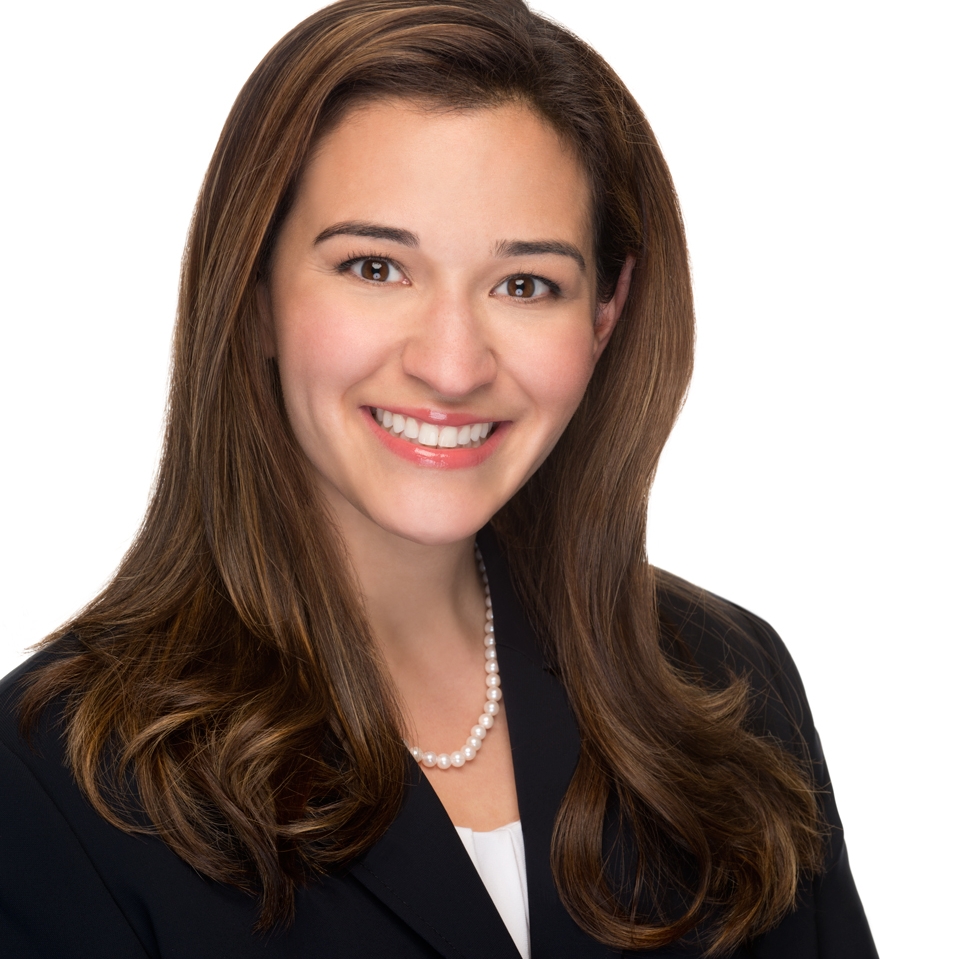
Stressed? Overwhelmed? Struggling with making life decisions? Congratulations! You've taken the first step towards seeking change. Listening to intuition and addressing what distresses you is a sign of strength. Respect, empathy, support, active listening, collaboration and confidentiality are a top priority and values that guide my practice. I welcome the opportunity to work with you to uncover your inner strengths and live your life reaching towards your fullest potential. Self-discovery and awareness occur in the context of a working therapeutic relationship; reasons why I feel the fit between therapist and patient is so important. I encourage you to follow your inner voice about what feels right when searching for a therapist. Each patient and couple is unique and therefore I use an individually tailored eclectic and flexible approach integrating techniques from various modalities depending on patients' needs. I encourage individuals and couples to be active participants in their treatment enabling them to explore previously undiscovered aspects of themselves. Within the context of the therapeutic relationship, patients can explore patterns of behavior related to beliefs, attitudes and past experiences. I would be happy to speak with you during a complimentary phone consultation. I warmly welcome your call or email.

I am a Licensed Professional Counselor (LPC) in Pennsylvania and a grief specialist who understands what it’s like to experience loss because I’ve had many losses, too. I can help you feel less alone, confused, and helpless. I am a faith-based counselor who uses a variety of approaches so you feel heard, understood, and supported. You will leave my sessions with helpful coping tools to help you navigate grief and loss.

I work with clients experiencing a broad range of concerns, including depression, anxiety, trauma related difficulties, and substance use issues. First and foremost, I believe that you are the most expert person about you. My role is to help you create a plan to reach your goals. I am integrative in my approach, drawing from several evidence-based modalities depending on individual needs and goals. I also believe that there can be therapeutic value in humor during the hard work of therapy. You can visit my website to learn more by clicking on the link.

People enter therapy for many different reasons, but often underneath those reasons is a sense of being stuck in a physical, mental, or emotional place they don't want to be in. For relationships, people often feel stuck in negative patterns of interacting with each other or stuck in a place of pain which they blame on the other. I see myself as partnering with my clients to help them get unstuck and reach their goals for themselves or their relationships. I am active in the therapy session by helping people process more deeply what they are going through, offering new perspectives on the situation, and challenging patterns of thought or behavior that may be contributing to what's happening. I do not see people who come into therapy as sick or weak. I think it takes a lot of strength to reach out for help when times are tough. Therefore, I have respect for those who walk into my office, and I try to do everything I can to get them to where they want to be in life.

I began working in this field almost 30 years ago because I wanted to make a tangible difference in people's lives. Over the years, I have worked with countless individuals, couples, families, and groups to help them improve their quality of life. Through my experience, I have learned that: Although many may appear to be similar demographically in terms of age, race, gender, socioeconomic status, religion, etc., everyone brings hisher own individual histories to therapy -- histories that distinguish each client as a unique individual. As a result, I welcome all clients, and I recognize that each client will bring hisher own history and values to therapy. I commit to working within each individual's system of values as I try to help the individual draw from hisher history to improve hisher quality of life. My two primary metrics are: a) tangible improvements in an individual's life, and b) the individual's feelings and understanding regarding change and the process of change. Like physical therapists and coaches who are willing to challenge their athletes to perform at full potential, I am willing to challenge my clients to reach their full potential in life. But my guiding philosophy is: "challenge by choice" -- I will only as far and as fast as my clients are comfortable.
I believe that therapy is most helpful when it is an experience and not just talking about thoughts. As a relational psychodynamic therapist, I think there is a lot to be gained from having more insight and clarity into ourselves and the ways we function in the world and our relationships. As a somatically informed therapist, I think building awareness of our bodies and what they are telling us opens up even more avenues for healing, especially when insight doesn't feel like it is enough. I work holistically and from a trauma-informed lens to combine the two in a way that is uniquely right for you and your needs. To this end, I have completed foundational training in Sensorimotor Therapy for trauma, a somatic psychotherapy, as well as a three-year training in Intensive Short-Term Dynamic Psychotherapy, a modality which combines psychoanalytic insight and depth with a focus on our bodies and emotions. The style of therapy I practice is active and collaborative, focusing not only on intellectual insight but also on helping you to have a new, meaningful experience. I believe a good therapy relationship, like any good relationship, allows us to feel seen, heard, and compassionately challenged to grow and create the change we want in our lives.

You know something needs to change, but you are not sure where to start. The anxiety has become a daily weight. The trauma you thought time would heal still surfaces in ways you did not expect, in your relationships, your sleep, your ability to feel like yourself. The strategies you have relied on, staying busy, pushing through, trying to manage it alone, are running out of steam. And the idea of sitting in a therapist's office rehashing the same surface-level conversations does not exactly inspire confidence. I get it. That is exactly why I built my practice the way I did. I am Dr. Ashvind Adkins Singh, a licensed clinical psychologist with over 15 years of experience and doctoral training in both neuropsychology and psychopharmacology. What that means in plain terms: I understand how your brain, your nervous system, and your life history all interact to create the patterns that keep you stuck. I do not just help you "cope." I help you understand the machinery behind your distress so you can actually change it. My clinical work sits at the intersection of three areas that most therapists treat separately: evidence-based psychotherapy, mindfulness practices backed by decades of my own published research, and deep experiential work that goes beyond traditional talk therapy. I developed the THRIVE Model, a structured treatment framework for trauma recovery that helps clients move from surviving to genuinely thriving. It is built on clinical science, grounded in how the brain actually processes and stores traumatic experience, and designed to create lasting change rather than temporary relief. Many of my clients come to me because they want therapy that goes deeper than coping strategies. They are people who are ready to actually understand what is driving their anxiety, their trauma responses, or their sense of being stuck, and they want a therapist who can explain the "why" behind what they are experiencing. I bring the rigor of a researcher (77+ peer-reviewed publications), the perspective of an international advisor, and the presence of a clinician who has worked in settings ranging from state hospitals to private practice. For clients interested in psychedelic-assisted approaches, I also offer specialized integration support informed by both clinical training and published research. I specialize in anxiety, trauma and PTSD, depression, and the kind of emotional exhaustion that builds up when life demands more than your current tools can handle. My approach draws from cognitive-behavioral methods, mindfulness-based interventions, neuropsychological assessment, and integrative frameworks. I also offer services via telehealth across 27+ states through PSYPACT, in addition to in-person sessions in California and Virginia. My clients often tell me that working together feels different from past therapy. It is direct, collaborative, and grounded in science without feeling cold or clinical. I take the time to understand not just what you are feeling but why your brain is producing those feelings, and then we work together to shift the underlying patterns. If you are ready for therapy that actually matches the way you think, I would welcome the chance to talk. Reach out today to schedule a consultation.
Our world continues to change, with its weight sometimes growing overwhelming and crushing. You are not alone. Together we’ll explore your feelings & thoughts while comprehending patterns in your history and life experience that have shaped you up to this moment. We’ll find a new space that feels more authentic, free, and connected through this work. We’ll manage and reduce your feelings of anxiety, depression, and other distressing thoughts. It is never too late to take control and redefine yourself in a controlled, safe, and open place. Whether this is your first time or you've decided to return to therapy, this is a strong data-backed investment into yourself and your future. You’ve already taken the first step by searching for a therapist. While reaching out to me can be difficult and anxiety-provoking, it can also empower, potentially defining the next chapter of your life. After advanced psychoanalysis training in NYC, I moved to Washington, DC, where I've lived and worked for over eight years with a broad and diverse variety of patients just like you. Together we'll create a space in which you’re fully heard and seen, where we start the process of uncovering exactly how you show up in your life. Thank you for taking the time.
My approach to therapy is largely cognitivebehavioral, with a strong emphasis on acceptance and commitment therapy (ACT) techniques, specifically learning to be mindful- noticing and accept your thoughts, feelings and physical sensations- while committing to behavior that is consistent with your own values. My experiences both in and out of the work setting are fairly broad so I feel I can address most issues clients present with. My style is engaging and supportive. I view our relationship as a partnership. I will spend the majority of our first sessions together listening to get to know you better. I believe that everything in our lives is interrelated, so at times I may let our focus move to whatever is particularly troubling to you that day. At other times, I may focus you back on the current problem we are trying to solve. I am married with two children and have had two career changes. I have experienced a wide variety of life stressors and have sought help when needed. I believe that these experiences have provided me with empathy, perspective and coping skills that I can use to help you.

Working from a trauma-informed, non-pathologizing, strengths-based, systems model of care, I work to help you better understand the impact of trauma on mental health and relationships. I specialize in the treatment of trauma across a full spectrum of conditions, including the use of dissociation, addictions, self-harm, and eating disorder behaviors, as well as challenged family systems, mood disorders, and maternalparental mental health issues. I have many years of advanced trainings and experience to help clients in therapy make and maintain positive changes, find needed resources, and work from personal strengths. You can learn much more about my style of care by reading the articles on our website blog - I have been writing those for 5+ years.
The therapists listed are members of GoodTherapy and pay us a membership fee which helps support our services. By using this site you signify your assent and agreement to our terms of service.
Find a Therapist in Ashburn, VA
Living in Ashburn offers many advantages, from its proximity to Washington D.C. to its thriving tech corridor and family-friendly communities. However, the fast-paced lifestyle that comes with Northern Virginia's competitive job market and high cost of living can create unique mental health challenges.
Whether you're navigating career pressures in the Dulles Technology Corridor, managing family stress, or dealing with the demands of commuting to D.C., seeking professional support is a sign of strength and self-awareness.
Since 2007, GoodTherapy has been dedicated to connecting people with ethical, compassionate therapists who understand that all individuals are capable of change and deserve dignity and respect. Our mission is to break down barriers and build bridges to accessible mental health care.
Mental Health Support in Ashburn
Ashburn residents often seek therapy for anxiety, depression, relationship challenges, work-life balance issues, and trauma recovery. The pressures of living in one of Virginia's most affluent communities, combined with long commutes and demanding careers, can contribute to stress and burnout.
The region's hot, humid summers and mild winters generally support year-round outdoor activities that benefit mental health. However, seasonal changes and hurricane season concerns from June to November can still impact mood and anxiety levels for some residents.
Local therapists understand the unique stressors facing Ashburn families, from managing dual careers to supporting children in competitive academic environments. Many professionals in the area also work with individuals adjusting to relocations, as Ashburn's growing tech industry attracts newcomers from across the country.
Therapy Approaches Available in Ashburn
Ashburn therapists utilize several evidence-based approaches to support your mental health journey. Understanding different therapy types can help you find the approach that resonates with your needs and preferences.
Cognitive Behavioral Therapy (CBT) helps identify and change negative thought patterns that contribute to anxiety and depression. This structured approach is particularly effective for busy professionals who appreciate goal-oriented treatment.
Solution-Focused therapy emphasizes building on your existing strengths and resources to create positive change quickly. This approach appeals to many Ashburn residents who prefer practical, results-oriented strategies.
Dialectical Behavior Therapy (DBT) teaches valuable skills for managing intense emotions and improving relationships. This approach is especially helpful for individuals dealing with stress from high-pressure work environments.
Psychodynamic therapy explores unconscious patterns and past experiences that influence current behavior. This deeper approach can be transformative for those seeking long-term personal growth.
Interpersonal therapy focuses on improving communication and relationship skills, which is valuable in both personal and professional contexts common in Ashburn's collaborative work culture.
Specialized Services
Many Ashburn therapists offer specialized services including couples counseling for busy dual-career families, family therapy to navigate parenting challenges, and trauma therapy for those dealing with past experiences or recent life changes.
Finding Your Right Therapeutic Match
GoodTherapy helps you find the right therapist based on your specific needs, preferences, and circumstances. Our comprehensive directory allows you to search by location, specialty, insurance accepted, and therapeutic approach.
What to Consider in Your Search
Consider factors like scheduling flexibility for your work commitments, location convenience for your commute, and whether you prefer in-person or virtual sessions. Many Ashburn therapists offer evening and weekend appointments to accommodate demanding professional schedules.
Think about whether you'd benefit from a therapist who understands the unique pressures of the D.C. metro area, including career transitions, relocation stress, and the challenges of maintaining work-life balance in a high-achieving community.
Making Therapy Affordable
While Ashburn's median household income is higher than many areas, therapy costs can still be a concern. Many local therapists accept insurance, offer sliding scale fees, or provide payment plans to make mental health care accessible.
Don't let cost concerns prevent you from seeking support. Contact therapists directly to discuss your budget and explore options. Many practitioners are committed to making their services available to those who need them, regardless of financial circumstances.
Expanding Your Search
If you're having difficulty finding the right fit in Ashburn, consider expanding your search to nearby communities. The greater Northern Virginia area offers many qualified mental health professionals within a reasonable driving distance.
Taking the First Step
Seeking therapy demonstrates courage and commitment to your well-being. Whether you're dealing with immediate challenges or seeking personal growth, professional support can provide valuable tools and insights.
The benefits of therapy extend beyond symptom relief to include improved relationships, better stress management, and enhanced overall life satisfaction. Take the first step toward positive change by exploring our directory of qualified therapists in Ashburn today.
Related Resources
Find Therapists in Nearby Cities
Frequently Asked Questions
How do I find a therapist near me in Ashburn, VA?
Use GoodTherapy's directory to search for licensed therapists in Ashburn by specialty, insurance accepted, and treatment approach. You can filter results based on your specific needs and preferences, including scheduling availability and location convenience.
What types of therapy are offered in Ashburn, VA?
Ashburn therapists offer various evidence-based approaches including Cognitive Behavioral Therapy (CBT), Solution-Focused therapy, Dialectical Behavior Therapy (DBT), Psychodynamic therapy, and Interpersonal therapy. Many also provide specialized services like couples counseling, family therapy, and trauma treatment.
How much does therapy cost in Ashburn, VA?
Therapy costs in Ashburn vary depending on the provider and services offered. Many therapists accept insurance, offer sliding scale fees, or provide payment plans. Contact therapists directly to discuss pricing options and find affordable mental health care that fits your budget.
Can I find therapists who accept insurance in Ashburn, VA?
Yes, many therapists in Ashburn accept various insurance plans. When searching our directory, you can filter results by insurance accepted to find providers covered by your plan. Always verify coverage details directly with both your insurance company and the therapist's office.
What mental health issues do therapists in Ashburn commonly treat?
Ashburn therapists commonly treat anxiety, depression, relationship challenges, work-life balance issues, trauma recovery, family conflicts, and stress management. Many also specialize in issues specific to the Northern Virginia area, such as career transitions and relocation adjustment.