
Sessions are your time to focus on yourself. My goal is to create a supportive, compassionate environment where you feel comfortable to address your needs.
Find a Therapist in Aurora, CO
132 results
25 miles
Accepting new clients
More results
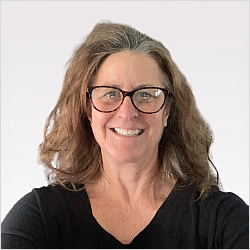
My clients are the drivers of their therapy and I encourage them to use the time and space as they need. I provide prompts and thought-provoking questions when the client feels they are "stuck" and encourage self-growth.
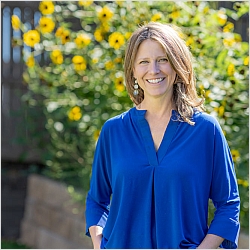
Are you struggling to rebuild trust after an affair? If you are the one who strayed, you may be feeling overwhelmed and may be experiencing a great fear that there is nothing you can do to save your marriage. If you have been betrayed, you may feel that everything you thought was true about your life and your history together is gone. You both may be wondering if there is hope. Maybe you have been working very hard to rebuild but find the pain and fear too overwhelming. Are you deeply worried about these things? If so, I'd like to help. It is important to know you are not alone. Most people who have been betrayed feel rage, have nightmares and panic attacks, and find themselves spending hour upon hour trying to piece together what was happening and when. Most people who have strayed from their vows feel helplessness along with terrible sense of responsibility and work doggedly to earn back trust. Many people work hard trying to rebuild their marriage but find themselves bumping into dead end after dead end. There are reasons for this. I'm here to help you navigate the path forward. With affair recovery therapy, I can assist you and your spouse in turning things around. There are no easy answers, but you can learn and master the principles that can guide you toward healing and ultimately toward a life of meaning and happiness. In addition to private affair recovery therapy I also offer individual counseling and group counseling. A new group is currently forming for women who have experienced betrayal. Group size: 5-8 women Group start date: September 2026

I aim to understand and to treat the whole person. I don't like to boil a client down to a diagnosis. Helping with symptom management by teaching skills and techniques is a priority, but I don't like to stop there. It is my goal to help clients discover why the symptoms exist in the first place and to achieve deeper levels of change through therapy.

I am a Licensed Marriage and Family Therapist and practice owner at Heart Space Counseling Center for Individuals, Couples, and Families. I specialize in marriage and couple therapy and individual therapy, working with posttraumatic stress (PTSD) and mood conditions resulting from relationship wounds, childhood, and early life trauma. Through my doctoral studies and 10+ years of experience in the field, I have developed a "get down to business" approach based on the most effective therapies, allowing my clients to feel and see results quickly, while experiencing personal and relational healing that is both thorough and transformative.

You may understand your patterns and still feel them affecting your body, relationships, and daily life. I work with adults experiencing trauma and posttraumatic stress (PTSD), anxiety, depression, grief, negative self-talk, self-sabotaging patterns, life transitions, spiritual emergency, or existential concerns. My approach brings together somatic therapy, eye movement desensitization and reprocessing (EMDR), parts work, mindfulness, attachment-focused therapy, and transpersonal psychology. We pay attention to your thoughts, emotions, physical sensations, and protective responses. Instead of pushing past what your nervous system can manage, we work at a pace that supports regulation, helps you process painful experiences, and gives you more choice in how you respond. I welcome people from many identities, spiritual traditions, and relationship structures. My practice is LGBTQ+ affirming, sex-positive, kink-aware, and supportive of polyamorous and ethically non-monogamous clients. I offer individual trauma therapy and online therapy for adults located in Colorado. A free consultation is available to help us determine whether working together feels like a good fit.

I am an experienced, compassionate practitioner specializing in Jungian-based psychotherapy and mindfulness. I offer support for anxiety, depression, trauma, and life’s challenges. Together, we’ll work to deepen your understanding of your experiences, so you can cultivate inner peace, strength, and lasting resilience.
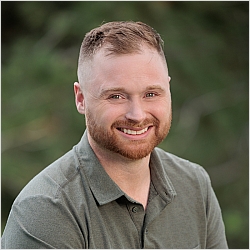
If you’re feeling spread thin by the demands of your career, relationships, and the weight of daily life, you don't have to navigate it alone. I help people move past the exhaustion of 'firefighting' their problems to create meaningful, sustainable change. We will work together to understand your specific challenges and build a clear, results-oriented plan to get you back on track. My approach is practical, direct, and results-oriented. I combine cognitive behavioral therapy (CBT), acceptance and commitment therapy (ACT), and concrete anger and stress management strategies. We won't just sit around talking about your problems. We will actively deconstruct the patterns that are keeping you stuck. Together, we’ll build a reliable toolkit of coping skills to manage emotional overwhelm, break destructive habits, and restore your clarity. You already possess the inherent capacity to change your circumstances. My role is to provide the objective, nonjudgmental accountability you need to leverage those strengths, set firm boundaries, and take measurable action toward a better quality of life.
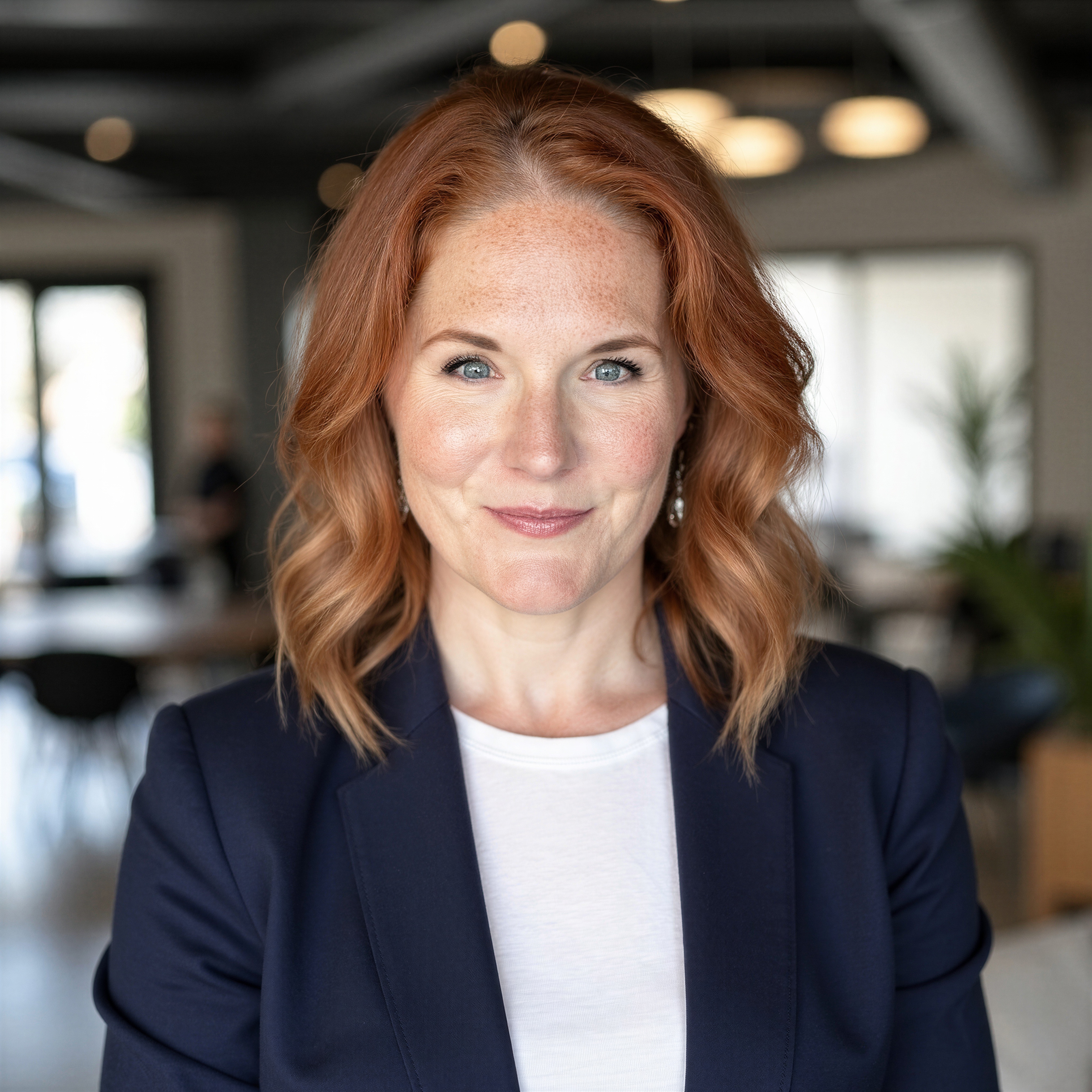
Depression and anxiety have become some of the most significant mental health concerns facing high-functioning women today, in part because achievement can often hide emotional distress rather than prevent it. Many women are navigating demanding careers, relationships, parenting, caregiving, financial responsibilities, and the expectation that they should manage all of these roles successfully while appearing confident and capable. The result can be a quiet form of exhaustion in which a woman continues meeting deadlines, caring for others, and accomplishing her goals while privately experiencing chronic worry, self-doubt, emotional fatigue, or a persistent sense that she is never doing enough. For many, anxiety becomes intertwined with perfectionism and the fear of falling behind, while depression can emerge when the constant effort to meet expectations leaves little room for rest, connection, or a genuine sense of fulfillment. What makes these struggles particularly significant is that they are often overlooked precisely because the woman appears to be functioning well. Beneath the accomplishments, however, there may be a profound need to slow down, reconnect with herself, establish healthier boundaries, and recognize that being capable does not mean she has to carry everything alone. My philosophy in working with high-functioning women experiencing anxiety, depression, and chronic stress is rooted in partnership, compassion, and the belief that therapy should be a place where you can finally take a breath and reconnect with yourself. Together, we can explore the places in your life where you may have become disconnected from your own needs while constantly showing up for everyone and everything around you. Rather than simply asking you to manage your stress better, I want to help you understand what your mind and body may be asking for and identify meaningful, realistic ways to begin showing up for yourself again. Therapy becomes a space to slow down, reconnect with what matters to you, create healthier boundaries, and find relief from the feeling that you always have to hold everything together. My goal is not to change who you are, but to help you feel more like yourself again.

When the storms come, many of us get rocked by our belief that we have more control than is actually possible. Do not try to control the storm. Instead, learn how to manage your thoughts and emotions more effectively! Time does not heal all wounds. I believe it is more aptly put to say, time heals all wounds. . .for those that work at it. I like to cultivate a counseling atmosphere that is straightforward, respectful, and direct. At the same time, I believe that judgment doesn’t belong in a counseling environment. I am ready to come up alongside you and get to work! I believe that I bring a unique energy and passion into my counseling sessions, and I look forward to helping you regain control!

Cindy Navarrete is committed to creating a warm, supportive space for healing and growth. With a touch of humor and a deeply empathetic approach, Cindy tailors her work to each person’s unique journey, using a strengths-based, person-centered approach that empowers individuals to discover and build upon their inner resilience. Recognizing that life can be unpredictable at any stage, Cindy believes in offering a nurturing environment where clients of all backgrounds can create pathways to lasting change and connection. With over a decade of experience supporting adolescents, adults, couples, and families, Cindy has extensive expertise in working with adults, teens, caregivers, and individuals with cognitive or intellectual disabilities, including autism spectrum disorders. She brings a wealth of knowledge and compassion to each session, blending clinical skill with genuine care to foster meaningful, lasting connections. Cindy holds a Master of Social Work with an emphasis in Mental Health and Trauma from the University of Denver, as well as a Bachelor of Arts in Psychology with a minor in Ethnic Studies from the University of Colorado at Boulder. She draws on a range of therapeutic techniques to suit each client’s needs, including Cognitive-Behavioral Therapy (CBT), Existential Psychology, Exposure Therapy, Person-Centered Therapy, Trauma-Informed Care, Rational Emotive Behavior Therapy (REBT), Solution-Focused Brief Therapy (SFBT), and Strengths-Based Therapy.

Are you struggling with panic attacks? Intrusive thoughts that get stuck in your head? Are you feeling more stressed in relationships, work or school? Are you someone that has always been a worrier and would like to change? I can help! Anxiety and OCD Unstuck Therapy specializes in research backed treatment for anxiety, obsessive-compulsive disorder (OCD) and related disorders for children (8+), teens and adults. I am a Licensed Clinical Social Worker and a certified Cognitive Behavioral Therapist. CBT is a researched backed treatment that is effective for anxiety, OCD and depression. CBT is a goal based therapy that takes a hands-on approach, involves problem solving and learning specific techniques to help you manage and reduce your struggles. I believe that each person is unique. Counseling strategies must be collaborative and focused on the person's individual needs, style and goals. Finding a therapist that is a good fit can be challenging, please visit my website to schedule a free 15 phone consultation to see if I am a good fit for what you are looking for.
The therapists listed are members of GoodTherapy and pay us a membership fee which helps support our services. By using this site you signify your assent and agreement to our terms of service.
Find a Therapist in Aurora, CO
Living in Aurora offers many advantages, from its diverse communities to proximity to Denver's opportunities. However, the fast-paced growth and changing demographics can create unique stressors for residents navigating work, family, and personal challenges.
Whether you're dealing with anxiety, depression, relationship concerns, or life transitions, seeking professional support is a sign of strength. Aurora's altitude and seasonal weather patterns can also impact mood and energy levels, making mental health support particularly valuable.
Since 2007, GoodTherapy has been dedicated to connecting people with ethical, compassionate therapists who prioritize your dignity and respect. We believe all people are capable of change and deserve accessible mental healthcare.
Mental Health Support in Aurora
Aurora residents often seek therapy for anxiety, depression, relationship issues, family conflict, and adjustment challenges. The city's rapid growth and diverse population create both opportunities and stressors that can impact mental wellness.
Local factors like altitude adjustment, seasonal weather changes, and the pressures of urban living in the Denver metro area can influence mental health. Many Aurora residents also navigate cultural transitions, language barriers, or military-related concerns given the significant veteran population.
Therapy Approaches Available in Aurora
Aurora therapists use several proven approaches to help individuals, couples, and families. Different therapy types can address various mental health concerns effectively.
Cognitive Behavioral Therapy (CBT) helps identify and change negative thought patterns that contribute to anxiety and depression. This evidence-based approach is particularly effective for managing stress related to work, relationships, and life changes.
Solution-Focused therapy emphasizes building on your existing strengths and resources to create positive change. This approach works well for individuals facing specific challenges or seeking personal growth.
Psychodynamic therapy explores unconscious patterns and past experiences that influence current behavior. This deeper approach can be valuable for understanding relationship patterns and personal development.
Specialized Services
Many Aurora therapists offer specialized services including trauma therapy, couples counseling, family therapy, and support for military families. EMDR therapy is available for trauma processing, while DBT helps with emotional regulation skills.
Finding Your Right Therapeutic Match
Our directory helps you find professional support based on your specific needs, preferences, and location within Aurora. You can search by specialty, insurance accepted, and therapy approach.
What to Consider in Your Search
Consider factors like location convenience, whether you prefer in-person or online sessions, and specific areas of expertise. Many Aurora therapists offer flexible scheduling to accommodate work and family commitments.
Language preferences are also important - Aurora's diverse community is served by therapists who speak Spanish, Vietnamese, and other languages, ensuring culturally competent care.
Making Therapy Affordable
Many Aurora therapists accept insurance and offer sliding-scale fees to make therapy accessible. Don't let cost concerns prevent you from seeking support - contact therapists directly to discuss payment options and insurance coverage.
Some therapists offer payment plans, reduced-fee sessions, or can help you maximize insurance benefits. Understanding therapy fundamentals can help you make informed decisions about your investment in mental health.
Expanding Your Search
If you need more options or specialized services, consider expanding your search to nearby communities. The Denver metro area offers extensive mental health resources within a reasonable commute from Aurora.
Taking the First Step
Reaching out for therapy support demonstrates courage and self-awareness. Aurora's mental health professionals are trained to provide compassionate, non-judgmental care that respects your unique background and experiences.
Start by browsing therapist profiles in our directory, reading about their approaches and specialties. Many offer brief consultations to help you determine if they're a good fit. Explore therapy options to find the support that's right for you in Aurora today.
Related Resources
- Different therapy types
- Find professional support
- Understanding therapy fundamentals
- Explore therapy options
Find Therapists in Nearby Cities
Frequently Asked Questions
How do I find a therapist near me in Aurora, CO?
Use our therapist directory to search by location, specialty, and insurance accepted. You can filter results to find Aurora therapists who meet your specific needs, including language preferences and therapy approaches.
What types of therapy are offered in Aurora, CO?
Aurora therapists offer various approaches including Cognitive Behavioral Therapy (CBT), Solution-Focused therapy, Psychodynamic therapy, EMDR for trauma, DBT for emotional regulation, and specialized services for couples, families, and military members.
How much does therapy cost in Aurora, CO?
Therapy costs vary based on the therapist's credentials and session type. Many Aurora therapists accept insurance, offer sliding-scale fees, and provide payment plans. Contact therapists directly to discuss affordable options that fit your budget.
Can I find therapists who accept insurance in Aurora, CO?
Yes, many Aurora therapists accept various insurance plans including major providers. Use our directory filters to find therapists who accept your specific insurance, and always verify coverage details directly with the therapist's office.
What mental health issues do therapists in Aurora commonly treat?
Aurora therapists commonly treat anxiety, depression, relationship issues, family conflict, trauma, adjustment disorders, and stress-related concerns. Many also specialize in cultural transitions, military-related issues, and altitude-related mood changes.