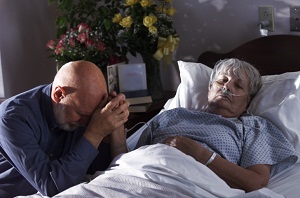
 As I sat to write my end-of-the-year complementary and alternative medicine blog post, I questioned the wisdom of discussing prayer for healing, as prayer remains one of the most hotly debated CAM therapies. For many people, prayer is a meaningful part of their daily lives; for others, it may be engaged in more out of duty than beliefs. And for some, prayer is simply a practice in which other people engage.
Regardless, according to a large-scale survey by the National Institutes of Health, approximately 43% of Americans say they pray to improve their health, and about 24% indicated asking others to pray on their behalf. In the scientific community, however, the topic of prayer can be as polarizing as many of the other issues and events that marked 2012.
What’s the Evidence?
The research evidence for whether intercessory prayer (prayer on behalf of another for the purpose of healing) can improve mood, heal wounds, or enhance other health-related outcomes has been subject to much scrutiny and harsh debate. The quality of the research has been variable, as have the results. There are also many who believe it is inappropriate to test whether prayer can affect change. Yet prayer for healing, specifically, remains one of the most commonly used CAM “techniques.”
Several prayer studies have found positive effects, whereas others have found prayer to make no difference with regard to health (or even be associated with slightly poorer outcomes). Many have pointed out, not incorrectly, the tendency for the prayer research to create more questions than it answers. Researchers in both the “pro” and “against” camps regarding prayer agree that one challenge in evaluating this type of intervention is that it is not possible to completely rule out whether those in the control or “no prayer” group have in fact also received prayers from loved ones or clergy during the study period. If those in the “no-intervention” group are prayed for, and prayer does have an effect, theoretically this would make it difficult or impossible to tell the difference between one group and another. Thus, even if prayer for others could help them heal, we would be unlikely to detect this effect in a research situation described above.
Of course, no study can answer whether there is, in fact, a God or other divine organizing principle; if He or She answers study-related or other prayers; or whether religious affiliation of the one praying has any impact on the outcome.
Why Pray, Then?
The question of whether prayer should be studied, or if it has any efficacy as a tool for healing, will not be answered here. Regardless of the scientific evidence available, people who pray will likely continue to do so for themselves and others. Prayer brings millions of people comfort, and helps them feel connected to others as well as to something greater than themselves. Thus, given the time of year, and especially in light of the events of recent months, it seems relevant and important to mention it here.
As someone who has engaged in research, I know that my questions may never be adequately answered by the data, and yet, as a human being, I admit that when I or someone I care about has been ill or experienced significant difficulty, I have very much appreciated and at times solicited prayers, healing intentions, and “good vibes.” Over the years, I have also worked with many medically ill children and adults, and I can say that prayer is very common in the hospital setting and elsewhere, even when it is not obvious.
Perhaps there is a difference between private prayer for oneself, a loved one, or for one’s community, as compared to prayer for a stranger identified only by a study ID number, at least with regard to the meaning it has for us. Although I am not a religious person, on occasion I have prayed for my clients, although I have never prayed with any of them. At these times, when I have prayed for or hoped on someone’s behalf, or tried to visualize a positive outcome, I have often felt a sense of connection with something greater than myself—whether this is evidence of the divine or simply a sense of knowing I am part of a caring community, or a benefit I receive simply from striving to do good in some way, I cannot say for certain. And at those times, I am not really sure that finding “proof” matters all that much anyway.
Whatever your beliefs, my wish for us all in the coming year is to treat each other with respect, kindness, and compassion. If you do pray, among other things, pray for peace.
Goodwill to all!
References:
- Davis, J. L. (2006). Can prayer heal? http://www.webmd.com/balance/features/can-prayer-heal
- Mind and body: Do music, imagery, touch, or prayer improve cardiac care? (2006). Harvard Men’s Health Watch; 11, 6-7. http://www.health.harvard.edu/newsletters/Harvard_Mens_Health_Watch/2006/December/Mind_and_body_Do_music_imagery_touch_or_prayer_improve_cardiac_care
- More than one-third of U.S. adults use complementary and alternative medicine, according to new government survey(2004). http://nccam.nih.gov/news/2004/052704.htm
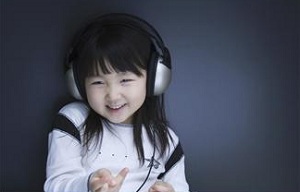 Binaural beat technology (BBT) was discovered in the early 1800s and first described in the popular literature in the early 1970s. In the last four decades, binaural beat audio programs have been touted as tools for reducing stress, improving sleep, enhancing concentration, and even fostering altered states of consciousness. In the ‘70s and ‘80s, BBT audiotapes were primarily found in more esoteric venues, such as New Age bookstores, health food emporia, and retreat centers dedicated to consciousness exploration. One such center, the Monroe Institute in Virginia, is well known for their use of Hemi-Sync recordings, which feature BBT.
Today, BBT has become more commonplace, as one can download MP3s and smartphone applications in a matter of moments. Although the prevalence and popularity of such products has waxed and waned, several studies examining the potential usefulness off BBT have been conducted with a variety of populations.
What is BBT?
The term “binaural beat” refers to the brain’s tendency to hear the difference between two similar tones that are played in opposite ears as one new tone. Our ears hear tones in terms of hertz (Hz), or cycles (the number of times a wave repeats itself) per second. Beats played at frequencies that are characteristic of brain wave frequencies are both audible and thought to facilitate alterations in our predominant brain-wave state.
Types of Brain Waves and Their Associated States
At any given time, our predominant brain wave may be in the frequency associated with deep sleep or deep trance (delta; 1-4 Hz), meditation (theta; 4-8 Hz), relaxed awareness or daydreaming, (alpha; 8-12 Hz), a state of relaxed focus (low-beta, or sensorimotor rhythm [SMR]; 12-15 Hz), alert mental activity/concentration (mid-beta; ~15-18 Hz), anxiety (high-beta; >18 Hz), or high-level information processing (gamma; >30 Hz). Gamma brain-wave states appear to be the least well researched. There is no “best” state to be in; however, at different times we will understandably want to be able to shift into one that is appropriate to the task at hand, whether sleeping, working on a project, or relaxing.
What Type of BBT for Which Conditions?
It has been hypothesized that a number of conditions, including chronic stress, chronic and postoperative pain, migraines and other headaches, problems with attention/concentration or learning, and insomnia, to name a few, reflect an imbalance or irregularity in brain-wave states. The deliberate use of BBT to change the predominant brain-wave state is referred to as brain-wave entrainment (BWE). BWE is not limited to BBT, but discussion of other methods is outside the scope of this article. However, a 2008 review of the BWE literature found that delta stimulation was associated with improvement in migraines and other headaches and reduction in short-term stress. A single session of alpha stimulation was associated with stress reduction in some settings, but not for those undergoing root canal. Alpha stimulation was also linked to pain relief. Beta improved attention, reduced short-term stress, alleviated headaches, reduced behavioral problems, and improved performance on measures of overall intelligence. An alpha-beta protocol improved verbal skills performance and attention, and a beta-gamma protocol showed improved arithmetic skills in children who had learning disabilities or attention-deficit hyperactivity. Most of these studies examined photic stimulation (presented via flashing lights) or combined photic and BBT entrainment rather than BBT alone. Thus, it is difficult to draw a definitive conclusion about the specific utility of BBT from this review.
BBT as a Potential Tool for Reducing Anxiety and Pain
The results of a small pilot study published in 2007 found that listening to an hour-long program emphasizing delta BBT for 60 days was associated with a decrease in self-reported trait anxiety and an increase in quality of life among eight healthy adults. The level of dopamine (an excitatory neurotransmitter) was also decreased significantly and may be related to the decrease in trait anxiety scores. Interestingly, the team assessed changes in the level of growth hormone because the BBT’s producer claimed that listening would increase these levels. Growth hormone decreases with age, and thus, an increase would be considered a potentially beneficial outcome; yet, listening to this BBT program was associated with a significant decrease in growth hormone. Both the reasons for this result and it’s implications are unclear.
Perhaps two of the more intriguing studies about BBT were the following trials with patients undergoing surgery. The first is a 2005 double-blind, randomized controlled trial in which 108 patients undergoing general anesthesia for elective surgeries received either a BBT plus music audio, the same music without BBT, or no intervention other than standard care for a 30-minute period prior to their operations. The BBT audio featured a progressively slowing beat that ended with 10 minutes of delta. No adverse events were noted, and although initial state anxiety scores were higher in the BBT group (prior to the intervention), the most significant decrease in anxiety was also in the BBT group—even after adjusting for the fact that participants in this group on average had higher initial anxiety. Listening to music alone was also associated with a significant decrease in anxiety, but this decrease was of a lesser magnitude than that of the BBT group. This study showed that an inexpensive, one-time intervention of short duration was beneficial despite the stress characteristic of undergoing surgery.
The other study was a randomized controlled trial of 60 patients about to have surgery with general anesthesia. Twenty patients were assigned to each of three conditions: a Hemi-Sync BBT program, listening to the music of their choosing, or listening to a blank audiocassette for 30 minutes prior to surgery. None of the participants was offered any sedative premedication. Stereo headsets from all groups of participants were removed before the patients entered the operating room but were replaced and the respective audio programs restarted after the induction of anesthesia. Headsets were discontinued at the conclusion of surgery. The researchers found that using the Hemi-Sync programs resulted in significantly less intraoperative use of fentanyl (a very potent, synthetic opiate pain medication), lower self-reported pain scores several hours after the surgery, and being discharged from the hospital sooner. Unfortunately, the specific frequency of BBT was not described in this article.
Anecdotally, several months ago I went for my first-ever root canal and noticed considerable anxiety at the thought of having a very sensitive tooth drilled (even with anesthetic). On the way to the endodontist’s office, I listened to both a guided imagery program designed specifically for medical procedures in which one must remain awake (available via HealthJourneys.com) and also to a free delta BBT program (Napuru) I’d downloaded for my iPhone. The delta tones were played against a backdrop of ocean waves. My subjective experience was that the BBT and imagery, combined with mindfulness practice before and during the root canal, reduced my anxiety significantly and enabled me to get through what seemed like an eternity of loud drilling. I cannot say what the most “active” ingredient in this integrative approach was; however, the point is that this nondrug, inexpensive, easy-to-use adjunct was effective for me.
BBT has been around for decades and is now readily and inexpensively available. There are some data to suggest that it may be helpful for relieving anxiety in general and in the context of a stressful event. There is also some evidence that BBT or other methods of brainwave entrainment may help with pain, concentration, headaches, and other issues, and serious risks or side effects have not been reported. The current research does not definitively answer the question of whether there would be a dose-response effect or a benefit from listening to BBT more regularly versus listening once; however, this seems plausible. More research needs to be done to better elucidate whether BBT could be used as an independent therapeutic tool, however. Additionally, assuming BBT is effective, one should not drive or perform tasks requiring sharp focus when listening to delta, theta, or alpha tones, as these may induce a very relaxed state.
For More Information:
- Dabu-Bondoc, S., Vadivelu, N., Benson, J., Perret, D., Kain, Z. N. (2010). Hemispheric Synchronized sounds and perioperative analgesic requirements. Anethesia & Analgesia, 110(1), 208-210.
- Huang, T. L., Charyton, C. (2008). A comprehensive review of the psychological effects of brainwave entrainment. Alternative Therapies in Health and Medicine, 14(5), 38-50.
- Padmanabhan, R., Hildreth, A. J., Laws, D. (2005). A prospective, randomised, controlled study examining binaural beat audio and pre-operative anxiety in patients undergoing general anesthesia for day case surgery. Anesthesia, 60, 874-877.
- Wahbeh, H., Calabrese, C., Zwickey, H. (2007). Binaural beat technology in humans: A pilot study to assess psychologic and physiologic effects. The Journal of Alternative and Complementary Medicine, 13(1), 25-32.
Related articles:
6 CAM Tools for Achieving Better Health, Emotional Balance, and Contentment
Biofeedback for Treatment of Migraines and Stress
10 Complementary Therapies That Can Help Children
 I am frequently asked what the best complementary or alternative therapies for kids are. This is a broad and potentially complex question, with appropriate courses of treatment depending on both on the child’s struggles and the balance of safety and efficacy of the therapy being considered. Eventually, many parents eventually find a complementary or alternative medicine (CAM) therapy that feels right for their child.
The most recent data from the National Center for Complementary and Alternative Medicine (NCCAM) found that 12% of the 9,000 children surveyed in 2007 had used some form of CAM during the previous year. CAM use typically ranges from providing remedies in lieu of medical treatments—such as using a homeopathic flu remedy instead of a prescription—to using CAM in conjunction with conventional remedies. The latter can be as simple as giving a child a zinc lozenge or tea with honey in addition to the antibiotics a doctor prescribes when a child has a sore throat or throat infection. Another example is when a child has been diagnosed with attention deficit hyperactivity disorder (ADHD), and his or her parents employ dietary changes even if the child is also receiving medication or psychotherapy. CAM therapies are often used to help children manage symptoms of chronic pain conditions or notable anxiety, ideally in combination with psychotherapy (and appropriate medical care, if this is indicated).
Remembering Developmental Differences
A point NCCAM emphasizes is that children are not merely smaller versions of adults. Similarly, more studies have been conducted regarding the effects of many CAM therapies on adults, although there is a growing body of research on CAM with children. Thus, what may be considered an appropriate CAM therapy or dose of therapy for an adult is not necessarily what we can recommend for a child.
That being said, there are a number of treatments that are considered generally safe for children, particularly when provided or informed by appropriately trained professionals. My favorites are listed here. I chose to emphasize non-oral intake therapies, although at times these may also be appropriate.
- Guided imagery or self-hypnosis can be helpful for managing mood symptoms, pain and itching, sleep difficulties, and nausea.
- Mindfulness or other types of meditation can aid in improving mood, pain, itching, sleep, nausea, and concentration.
- Aromatherapy can help reduce anxiety and enhance feelings of calm, especially when paired with other therapies, including cognitive behavioral therapy, meditation, imagery/hypnosis, or massage.
- Movement therapies, such as yoga, dance therapy, or tai chi can increase a child’s feelings of mastery, discharge excess physical tension, provide focus, and improve mood.
- Massage decreases muscle tension or soreness and increases relaxation.
- Energy therapies, such as Reiki or therapeutic touch, may help increase calmness and decrease stress. These may also help with some physical discomforts.
- Art therapy can help children cope with change, shed light on emotions and concerns that they may have trouble verbalizing, and reinforce healing images created during guided imagery and hypnosis.
- Homeopathy is gently calming and is reported to help with fears, anxiety, and tantrums. There is less data on this therapy, but it is generally considered to be safe.
- Diluted ginger tea can help with upset stomach/nausea.
- Dietary changes, which may include eliminating processed foods, caffeine, or sugar and emphasizing whole grains, fruits, vegetables, legumes, and healthy sources of protein, are health-supportive overall, and some parents report improved mood, sleep, and concentration when processed foods are limited or eliminated.
One common theme that runs through most of the therapies listed above is that they help children to feel calmer. Some of the approaches provide children with tools to help them directly impact how they feel via what they do (movement therapies, imagery/hypnosis, meditation, art), which enhances children’s feelings of mastery and control. All of these approaches require at least initial participation and monitoring from parents—a key ingredient in helping children to feel safe, loved, and supported.
As always, it is essential to keep healthcare providers in the loop when using CAM therapies with children, particularly with those who have a medical or psychological illness.
Modeling Emotional Intelligence
Finally, if I were to add a number 11 to the list, it would be to emphasize that children pick up on and are undoubtedly affected by their parents’ moods. It is essential for parents dealing with anxiety, depression, or other psychological challenges to obtain appropriate treatment. Doing so helps parents feel better, enhances their ability to cope with the many demands of parenting, and teaches children about the value of self-care. Furthermore, emotionally healthy parents tend to parent more effectively, which also reduces children’s feelings of anxiety and depression.
Resources:
- National Center for Complementary and Alternative Medicine: CAM Use and Children
- Columbia University’s Integrative Therapies Program for Children with Cancer: A leading program that emphasizes both research and clinical practice. Their website contains a wealth of information about a variety of therapies, as well as helpful links.
- This article details an integrative (CAM) treatment of pediatric pain and itch (pruritus) with a seven year-old girl:
- Stein, T. R., Sonty, N., and Saroyan, J. M. (2012). “Scratching” beneath the surface: An integrative psychosocial approach to pediatric pruritus and pain. Child Clinical Psychology and Psychiatry, 17(1), 33-47.