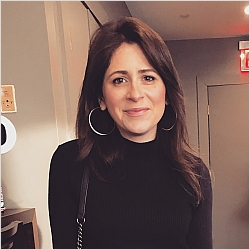
My approach in therapy is collaborative, supportive, and goal oriented.
Find a Therapist in Staten Island, NY
525 results
25 miles
Accepting new clients
More results
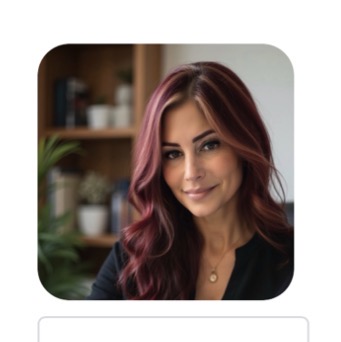
My passion is to provide support and guidance therapeutically and through coaching to help you meet your personal life goals. This can be accomplished by enhancing feelings of positive self-worth, emotional and mental stability, easing transitions, assists in building coping skills within a safe and confidential environment. Now, in our changing world .. offering HIPAA secure Telemental Health to all of NYS. All you need is a cell or computer. The needs of my clientele remain my highest priority. Coaching AbramskyInspireAmindCoach.com Therapy. InspireAmind.net
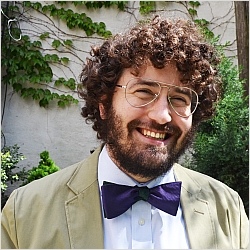
I am excited to start each session with my clients, picking up from our conversation last week, or exploring something new. Therapy is easier, and frankly more fun, when therapeutic work doesn't feel like a chore. I work with individuals, couples, and families to explore new perspectives and practice new solutions. I primarily use systemic therapies, which help us understand issues within different contexts, like family, work, or culture. By understanding your daily life, and your systems, we can explore how to evolve smaller solutions so they feel achievable. Each time we talk, we build upon our therapy goals, moving with life. Communication is everything in couples therapy. Combining our goals, or empathizing with past injuries, requires finding new ways to talk, and listen. Often the beginning of couples work requires building trust to believe and understand one another. I utilize Gottman Method and emotion-focused work to help couples to connect to shared goals and to each other. For individuals, I commonly work with mood conditions (anxiety, depression, etc.), as well as exploring familial or social relationships. Solution-focused work helps with managing symptoms and finding smaller achievements that build into bigger change over time. It's then important to evolve those solutions in natural systems, like family or work contexts.

Hello! My name is Cindy. I am a Licensed Mental Health Counselor (Licensed Mental Health Counselor (LMHC)-D) and Licensed Professional Counselor (LPC), providing virtual therapy to clients in New York, Florida, Connecticut, and Pennsylvania. My specialties include anxiety, depression, posttraumatic stress (PTSD), bipolar diagnoses, and concerns related to lesbian, gay, bisexual, transgender, queer or questioning, intersex, and asexual (LGBTQIA+) identities. I earned my bachelor's degree in psychology from Mansfield University and my master's degree in clinical mental health counseling from Walden University. Since graduating, I have worked in a variety of settings, including community mental health, case management with individuals with disabilities, inpatient psychiatry, and virtual mental health treatment. I believe that every person has the ability to make positive changes for themselves. However, sometimes they just need a little help, and that's where I come in! I am familiar with cognitive behavioral therapy (CBT), person-centered interventions, and brief solution-focused interventions. You can be assured that I will provide a warm, nonjudgmental, and open-minded approach when we meet. My goal is for you to feel as comfortable as possible! I look forward to meeting with you!
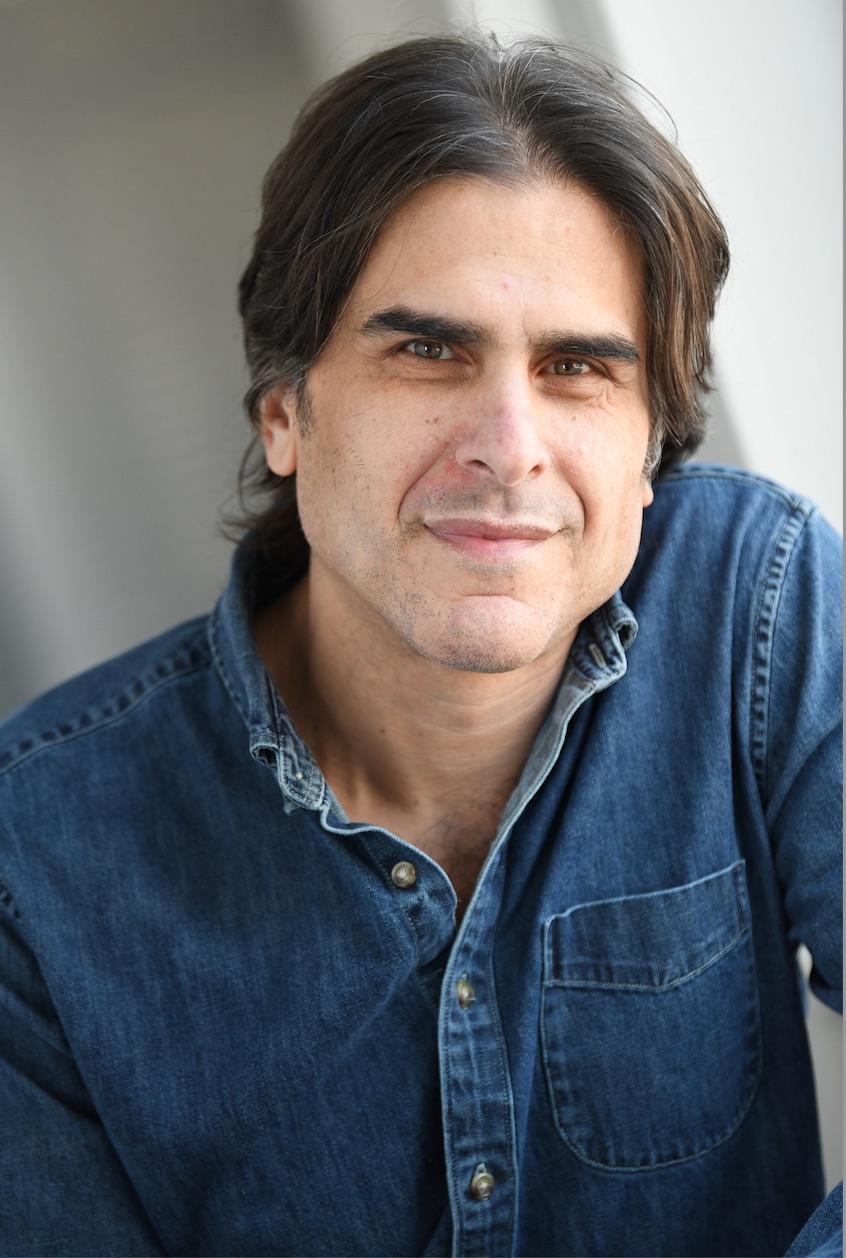
I’m a clinical psychologist in New York City, trained at Harvard Medical School and the Ferkauf Graduate School of Psychology. I work with high-striving, curious professionals who struggle with anxiety, anger, obsessive compulsion (OCD), perfectionism, and the pressures that often come with achievement. Much of my work is with executives, founders, and C-suite leaders navigating burnout, high-stakes decisions, and the emotional costs of sustained performance. Many of my clients function seamlessly on the outside while feeling caught in overthinking, self-criticism, irritability, or relationship friction, or in a persistent sense that they should be doing (or feeling) better. I’m the author of Perfectionism: A Guide for Mental Health Professionals, and as an assistant professor at Albert Einstein College of Medicine, I’ve taught psychotherapy techniques, abnormal psychology, and group therapy. My approach integrates cognitive-behavioral therapy, mindfulness, and psychodynamic therapy, so the work is both practical and exploratory. You’ll learn concrete strategies to reduce rumination, anxiety, and emotional reactivity in real time. Alongside that, we’ll look at why certain situations feel so charged, why familiar cycles repeat, and what internal expectations shape your life and relationships. At times I bring books, essays, or film into our work. People often recognize themselves in a character or story before they’ve found the words to describe their own experience, and those moments can open up new ways of thinking about identity, relationships, and internal conflict. I primarily work via telehealth and offer limited in-person sessions in New York City. I’m licensed through PSYPACT, which allows me to see clients by telehealth in 43 states. If any of this sounds familiar, I’d be glad to talk. I offer an initial phone consultation to get a sense of what you’re looking for and whether we’re a good fit.
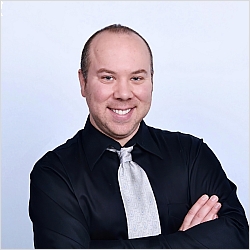
My holistic approach involves caring for the "whole person", considering the psychological, physical, cultural, and spiritual aspects of the individual. Your input is valuable. Whether it involves medication management, supportive therapy, or psychotherapy, we'll work together to determine the best course of treatment for you.
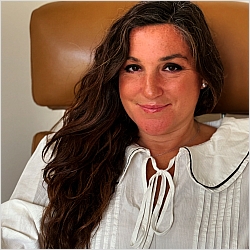
Dr. Spada is a gestalt psychotherapist catering to New Jersey where she runs her own practice. She is uncompromising in her dedication to the well-being of her clients. Her practice philosophy is to provide holistic and evidence-based care that is respectful of the concerns, values, and aspirations of her clients. She believes in empowering her clients to achieve their greatest potential. A well-trained professional, Dr. Spada earned her master's degree in social work from the State University of New York, Stony Brook. She also holds a Ph.D. in social work from Adelphi University. Dr. Spada's sound clinical knowledge and passion towards her work are commendable and make her a valued asset in her practice. She has an individualized approach to patient care and carefully considers all aspects of her patient’s physical and mental health in the interest of properly treating them. Dr. Spada has a passion for creative and deep-reaching individual and couples therapy and does her best to motivate people to live their best lives.
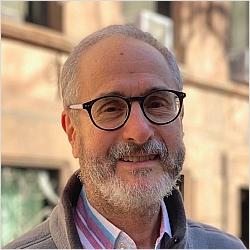
Safety and trust are the cornerstones of psychotherapy. Helping people to live richer, fuller and more satisfying lives can occur when you feel safe, never judged and accepted for both who and how you are. Together we will work on the issues that you wish to focus on, and you can live a fuller, richer life, in all dimension - personal, professional, relational.
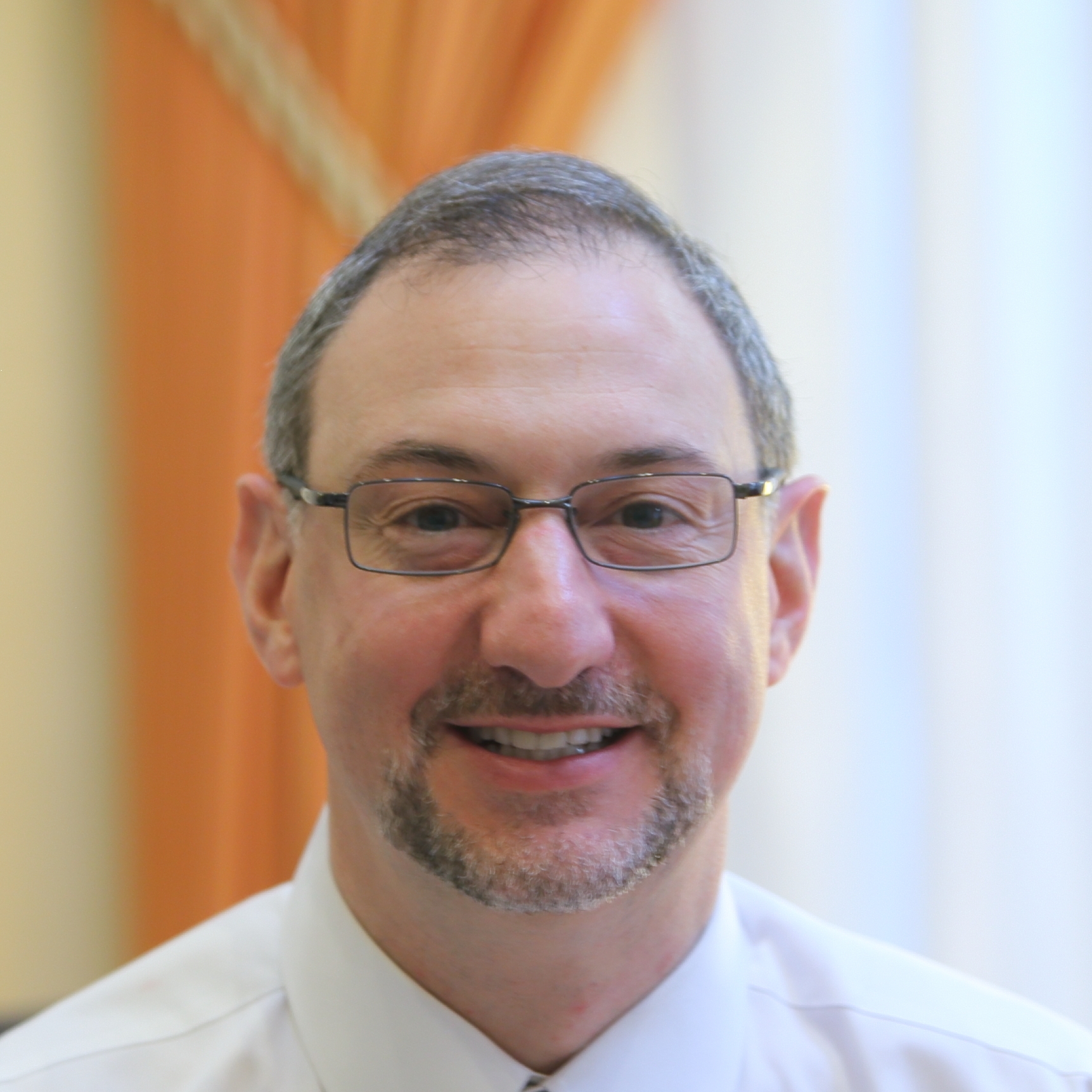
My approach to helping is collaborative. I hope that you and I can work as a team to explore your thoughts, feelings, behaviors, relationships, and family history. I want us to understand your needs, triggers, strengths, and coping strategies. I not only want to understand your past, but see how you manage your daily life and reach future goals. I am an interactive therapist. I want you to feel heard, understood, and respected. Therapy is not easy and we will have to face your struggles. Therefore I want you to feel safe and comfortable. I work with honesty and transparency. We will evaluate your progress to make sure that you are working in the direction of your goals and my approach fits you. I believe therapy works best if it's consistent and weekly. With effort and determination you are likely to see positive results.
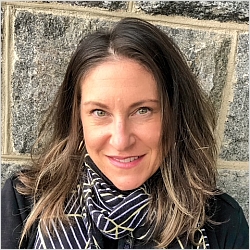
I am a psychodynamic therapist specializing in trauma-informed and mindfulness-based care, offering therapy for posttraumatic stress and the everyday challenges of being human. I have spent more than twenty years supporting people through these experiences. Over time, I have seen how transformative it can be when someone gains the courage to understand themselves with deeper insight, understanding, and self-compassion. That is the heart of my work. My approach is trauma-informed and grounded in mindfulness with a psychodynamic foundation. I help people build awareness, emotional regulation, and a sense of internal safety. I don’t push for quick fixes. I create space to explore what’s happening beneath the surface. My background includes many years in private practice, clinical supervision, and work as a mindfulness educator, all of which shape the steady, thoughtful presence I bring to therapy. I believe the therapeutic relationship is one of the most powerful parts of healing. Feeling genuinely seen and understood can open doors that may have been closed for a long time. I work collaboratively, at your pace and with deep respect for your lived experience. If you are looking for a therapist who brings warmth, depth, and a mindful, relational approach, I would be honored to connect and learn more about what you are hoping for in this next chapter.

I am a Licensed Clinical Social Worker (LCSW), and I have been practicing for many years. My specialties include marriage and individual counseling. Among my areas of expertise, depression, anxiety, posttraumatic stress (PTSD), and “parts work,” in which we work to understand and modify emotional connections, are most common in my practice. I also enjoy working with people navigating life transitions. I am kind and compassionate, with many years of experience and training in mental health, and I am dedicated to helping you.
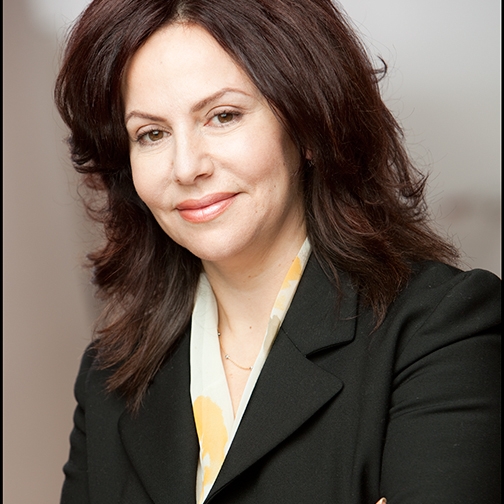
I have been practicing psychotherapy with individuals and couples in New York City for over 20 years. I view all personal and interpersonal pain as a result of unresolved trauma, be it attachment trauma or trauma due to life shattering incidents, like accidents or natural disasters. I often use EMDR with my individual clients, a therapy which is very effective in clearing trauma and neutralizing triggers which lead to depression, anxiety, low self esteem, performance anxiety and interpersonal difficulties. In my work with couples I use EFT (Emotionally Focused Couples Therapy) a therapy which exemines emotions which guide all interactions and diferent attachment styles. I believe that effective therapy brings about growth and change and it occurs in the atmosphere of safety, trust, connection and collaboration. Safety is my first priority, the sessions are confidential and trust is the basis upon which a thrapeutic relationship is built. My reputation is that I am straight forward without being harsh and give a lot of feedback in the sessions. I work dilligently to find root causes of the problems that bring people to therapy. I appreciate that starting therapy can be both empowering and frightening. Therefore, it is the client, who sets the pace as we begin. We work as a team to try to gain historical perspective to current difficulties, insight into current issues, confront obstacles and develop coping skills, which will lead to necessary steps, strategies and changes.
The therapists listed are members of GoodTherapy and pay us a membership fee which helps support our services. By using this site you signify your assent and agreement to our terms of service.
Find a Therapist in Staten Island with GoodTherapy
It’s normal to experience mental health issues and relationship problems. Talking to a licensed therapist can help. Therapy can teach you more about yourself and your mental health concerns in a healing way. Many therapies are evidence-based and have been proven effective.
Since 2007, GoodTherapy has helped people like you connect with ethical, compassionate counselors and therapists. The therapists listed above, who practice therapy in Staten Island, are trained to protect client confidentiality and privacy. In keeping with our high membership standards, these mental health professionals are also committed to eliminating the stigma that keeps many people from seeking help.
Beliefs about how much therapy costs may deter some people from finding a therapist. It’s a good idea to contact therapists you’re interested in and ask about insurance, sliding-scale fees, payment plans, and other options to stay within your budget.
Rest assured there are qualified therapists in Staten Island who can treat a variety of concerns, including family conflict, relationship issues, anxiety, or depression. With our directory, the right therapist is easy to find.
List Your Practice on GoodTherapy
Are you a therapist or mental health professional looking for new ways to get referrals and market your practice in Staten Island? Keeping up to date with professional requirements and increasing your online presence are just two of the many benefits of joining GoodTherapy. Start connecting with clients and earning online continuing education credits today!
About Staten Island
Staten Island is one of five administrative units or boroughs of New York City. Along with a few smaller islands, it forms Richmond County. Staten Island has 35 miles of waterfront. The island has a land area of 58 square miles.
Staten Island has 479,000 inhabitants. Among these residents, 17,600 are military veterans. The median age in the borough is 40 years old.
The ethnic composition of Staten Island is 62% white, 18% Hispanic, 10% black, and 8% Asian. Foreign-born people make up 22% of the population. Thirty-one percent of people in Staten Island speak a foreign language at home. Staten Island has 46,400 Spanish speakers, 15,400 Russian speakers, and 11,500 Chinese speakers.
Staten Island residents make an average annual wage of $32,700. The median household income is $74,000. Sixty-nine percent of families in Staten Island own their home. Over 13% of residents live below the poverty line.
Mental Health in Staten Island
Substance abuse is a major issue in Staten Island. In 2016, 116 residents died from drug overdose. In 2017, there were 29 suspected cases of drug overdose in a 24-day period. Local health care teams saved over 128 lives in 2017 using the overdose reversal drug naloxone. have saved many lives using the overdose reversal drug naloxone.
Mental health issues impact thousands of people in Staten Island. On average, Staten Island has more mental health cases than other parts of the city. As of 2016, Staten Island’s North Shore has a rate of 956 psychiatric hospitalizations per 100,000 residents. New York City’s average is much lower at 684 hospitalizations per 100,000 people.
References:
- Richmond County (Staten Island Borough), New York. (n.d.). United States Census Bureau. Retrieved from https://www.census.gov/quickfacts/fact/table/richmondcountystatenislandboroughnewyork/PST045217
- Richmond County, NY. (n.d.). Data USA. Retrieved from https://datausa.io/profile/geo/richmond-county-ny
- Staten Island. (n.d.). Encyclopedia Britannica. Retrieved from https://www.britannica.com/place/Staten-Island
- Staten Island’s mental health: 16 troubling trends. (2017, October 19). Retrieved from http://www.silive.com/news/2017/10/staten_islands_mental_health.html
- 29 overdoses in 24 days on Staten Island, D.A. reports. (2017, August 10). Retrieved from http://www.silive.com/news/2017/08/da_29_overdoses_in_24_days_on.html