
I love to ask questions instead of giving advice. And I believe that trust and safety are at the heart of counseling relationships. I have been told that my clients feel more confident and hopeful after working through their life challenges with me.
Find a Therapist in Frederick, MD
201 results
25 miles
Accepting new clients
More results
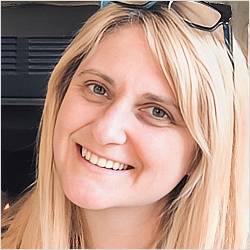
I like our sessions to feel more like you are talking to a friend. I do my best to create a safe, comfortable, nonjudgemental environment. I like to approach clients' symptoms with curiosity as we explore and learn more about the client, together.
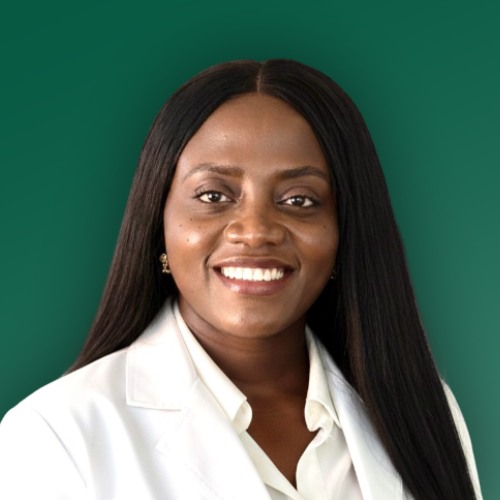
As a board-certified Psychiatric-Mental Health Nurse Practitioner (PMHNP) with eight years of nursing experience across multiple specialties, I bring a broad clinical perspective to mental health care across the lifespan. I specialize in treating anxiety, depression, trauma-related challenges, mood-related conditions, burnout, and difficult life transitions. My approach is compassionate, holistic, and rooted in evidence-based practice, combining psychiatric evaluation, medication management, and supportive therapy to treat the whole person, not just symptoms. I partner with each client to build personalized treatment plans centered on resilience.
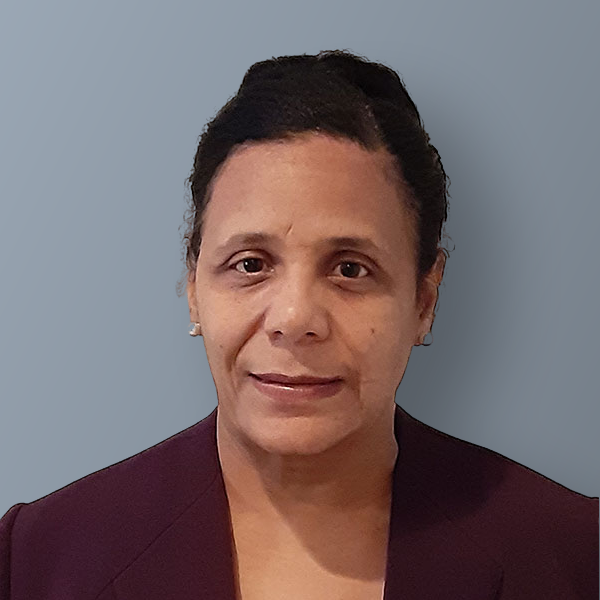
Lydia Sharp is a Board-Certified Psychiatric Mental Health Nurse Practitioner (PMHNP-BC) from Virginia, with five years of experience assisting children, adolescents, and adults with issues such as anxiety, depression, attention-deficit hyperactivity (ADHD), mood-related challenges, anger problems, and other complex psychiatric conditions.

At A Balanced Perspective LLC, we believe healing happens through consistent, ethical, and compassionate care. We serve adolescents, teens, youth, and adults through virtual and in-person services, offering integrated behavioral health and substance use disorder treatment grounded in trauma-informed practice. As a CARF-accredited provider, our work reflects established standards of quality, safety, and accountability. We support individuals experiencing anxiety, depression, trauma, substance use challenges, major life transitions, as well as other behavioral health concerns. Additionally, we support those who are highly capable, driven, and accustomed to putting others first. Our clinicians understand that people are shaped not only by symptoms, but by systems, families, communities, responsibilities, and lived experiences. By integrating community-based care with clinical treatment, we help clients move toward sustainable healing and improved functioning. Reaching out for support can feel daunting. Our role is to provide a steady, respectful space where change can unfold at a pace that feels manageable and supported.

I take a holistic approach that incorporates mind, body, and spirit. I believe it's important to integrate life meaning into counseling. I respect all faith backgrounds (including none), work within personal belief frameworks, and have appreciation for alternative paths as well as mainstream religions. I'll work with you to set goals and the proper pacing of therapy. Therapy is a collaboration, as ultimately the power to change rests within you. I emphasize unconditional positive regard, respect, a safe and caring therapeutic relationship, individual strengths, and taking control over choices.

Our approach is first and foremost to offer acceptance and understanding. Our clinicians have a variety of theoretical orientations and approaches, including cognitive-behavioral therapy, play therapy, attachment-based therapy, emotion-focused therapy, and interpersonal therapy. All of us have training and experience with a family systems approach to therapy and are able to integrate this into our work.

You've spent years being the person everyone else counts on — the one who holds it together, figures it out, and keeps going even when you're running on empty. You're not failing. You're burned out. Hey there, I'm Chris. I work with high-functioning adults who are tired of white-knuckling their way through life. The ones who tried therapy before and left with a worksheet instead of actual change. The ones who are self-aware enough to know exactly what's wrong but can't seem to stop doing it anyway. My approach isn't textbook. I don't do the head-nodding, "how-does-that-make-you-feel" thing. I notice what you're doing in the room and I say something about it. We get into the patterns — the overgiving, the resentment you've been swallowing, the version of yourself you keep promising you'll get back. You've been holding it together long enough. Let's talk.
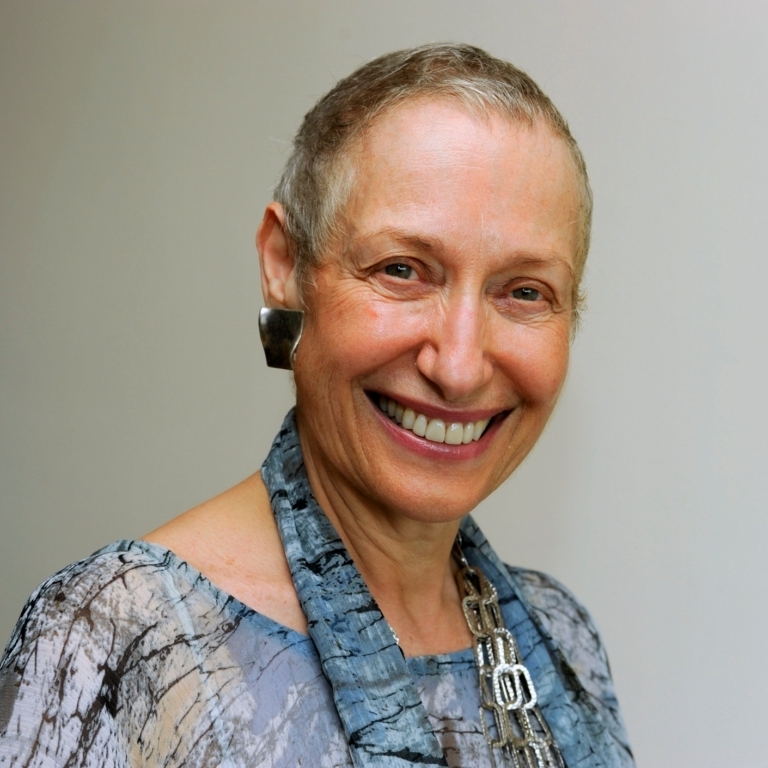
I am an internationally-known couples therapist, workshop presenter, and clinical trainer. In 2010, I founded the Tikkun Learning Center, an educational institution through which I train, supervise, and consult therapists in Encounter-centered Couples Therapy (EcCT). EcCT is an extremely effective method with proven success in teaching couples who to re-create the magic of connection. EcCT is an integrative approach inspired by the philosophy of Martin Buber, as well as a variety of relational methodologies including Imago Relationship Therapy, Appreciative Inquiry, Re-evaluation Counseling, and Relational Neuro-biology. I have developed a unique, customized, transformational two-day private session for one couple. You will receive my full attention, expertise and mastery, and I will introduce you to the groundbreaking and pragmatic principle of the three invisible connectors: "the Space, the Bridge, and the Encounter."
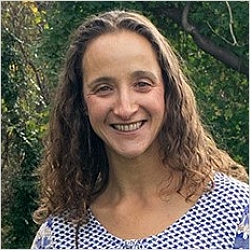
I provide individual therapy (in person andor virtually) for late adolescents and adults in the greater Washington, DC area and I am PsyPact licensed so can see people in participating PsyPact states. I also provide comprehensive ADHD assessments. I have a particular passion for working with young adults who are figuring out and navigating their next "chapter" of life. I aim to help individuals capitalize on their strengths and work with their limitations, change their responses to interpersonal problems, and help them form new and improved healthy relationships and ways of relating to their world that does not repeat previously unhealthy patterns. By bringing support, encouragement, humor, and a nonjudgmental perspective to our work together, I meet clients where they are, whether they have been to therapy before or are exploring therapy for the first time. Knowing how important the therapy relationship is, my primary goal is to make my clients feel heard, understood, and hopeful. I adapt my approach and style, as needed, to work with my clients' unique needs. I am always happy to jump on the phone for a brief consultation to determine if we may be a good fit to work together.
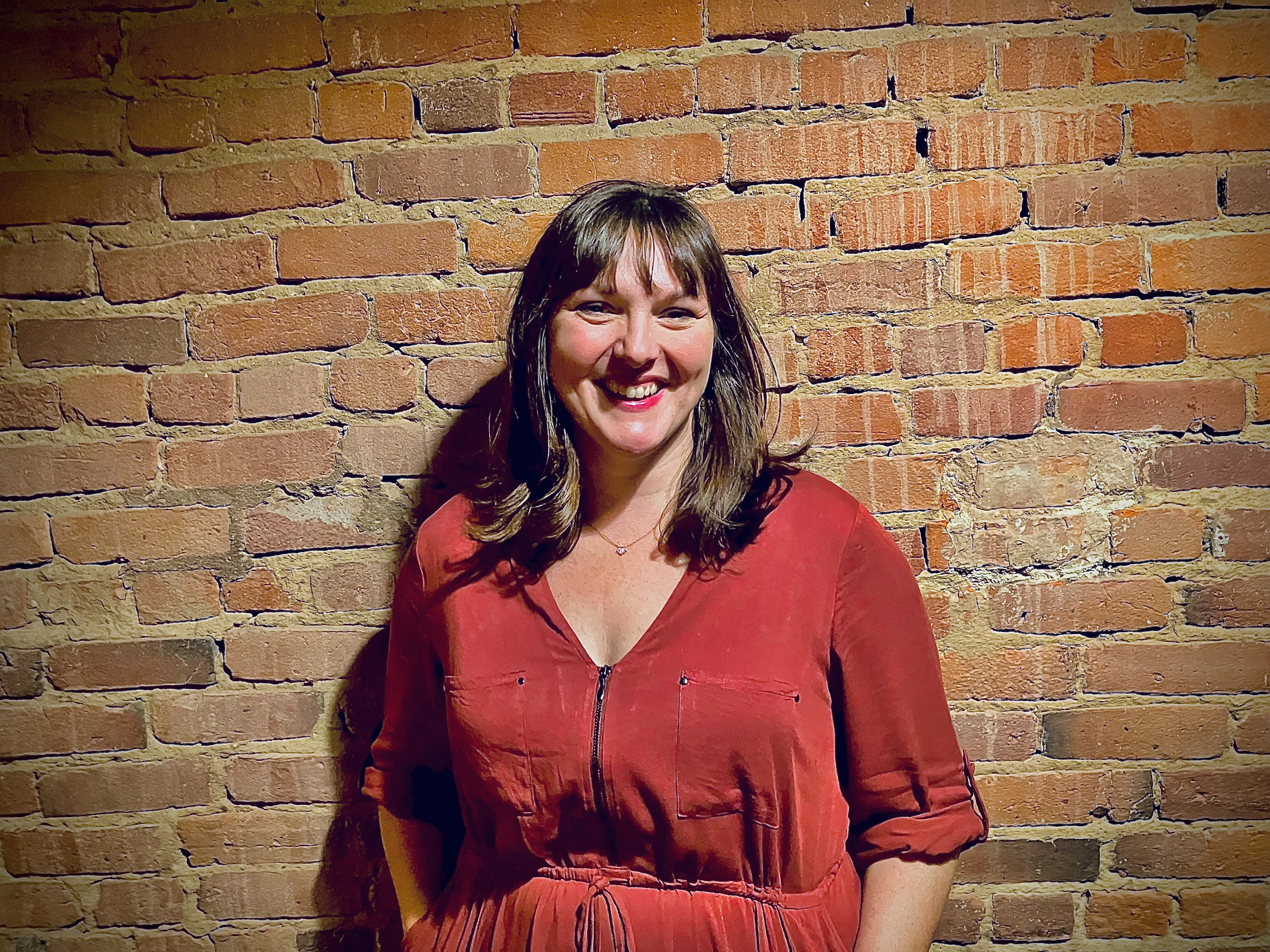
Therapy with me is a place to slow things down, make sense of what’s been happening for you, and feel less alone with experiences that can be hard to put into words. We’ll work with your whole story, including your thoughts, feelings, food and body experiences, relationships, and coping patterns, without rushing you to “figure it all out” at the beginning. In the first sessions, we’ll get to know what brings you in right now and what you’ve learned to manage over time. You don’t need to have a perfect understanding of the problem. We can begin with what you notice: the patterns that repeat, the moments that feel confusing or painful, and the feelings that come up when you try to change. As we continue, we’ll build an approach that feels collaborative and grounded. That may include: exploring how symptoms and coping strategies developed, even if unintentionally noticing recurring relationship patterns, including how you connect, protect yourself, and ask for what you need understanding how anxiety, depression, eating-related thoughts and behaviors, obsessive-compulsive traits (obsessive-compulsive challenges (OCD)), trauma responses, and chronic illness can interact making room for insight, so change becomes more than willpower; it becomes understanding plus new choices Throughout, I aim to help you feel emotionally held and respected. We’ll move at a pace that matches your needs, especially when eating issues, trauma, or chronic illness have taught your body to expect stress.
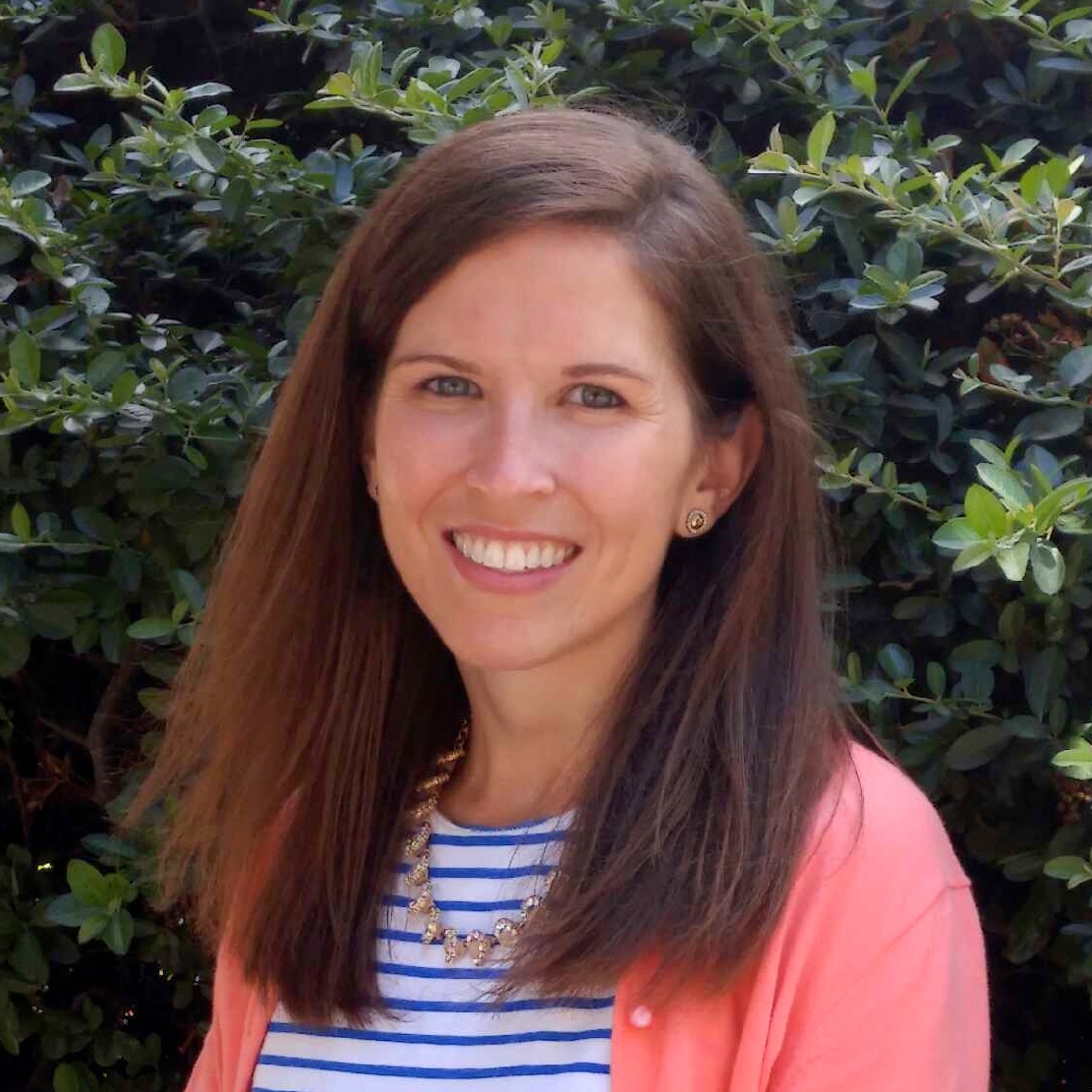
From a space of non-judgment and sensitivity, I believe it is my job to provide a supportive environment for us to explore patterns that contribute to the pain and challenges of your everyday life. I aim to bring light to different ways of being, so you can experience less pain, more satisfaction, and a better quality of life. We all get stuck at some point in our lives. It is my job to be present in those "stuck" moments so that we may collaborate in discovering the origins of the pain while identifying a path to well-being that fits for you.
The therapists listed are members of GoodTherapy and pay us a membership fee which helps support our services. By using this site you signify your assent and agreement to our terms of service.
Find a Therapist in Frederick, MD
Living in Frederick offers many advantages, from its rich historical heritage to its proximity to both Baltimore and Washington, D.C. However, the demands of modern life in this growing Maryland city can create unique stressors that impact mental health and well-being.
Whether you're navigating work-life balance in Frederick's diverse economy, managing family relationships, or dealing with seasonal changes that affect mood, professional support can make a meaningful difference. Frederick residents commonly seek therapy for anxiety, depression, relationship challenges, and trauma recovery.
Since 2007, GoodTherapy has been dedicated to connecting people with ethical, compassionate therapists who prioritize client confidentiality and work to eliminate the stigma surrounding mental health care. Our mission is to break down barriers and build bridges to accessible mental healthcare.
Mental Health Support in Frederick
Frederick residents often seek therapy for anxiety and stress related to commuting to nearby metropolitan areas, work pressures, and maintaining relationships in a fast-paced environment. The region's distinct seasons, including cold winters and humid summers, can also impact mood and energy levels throughout the year.
Local mental health concerns in Frederick County include addressing opioid addiction recovery, supporting families affected by substance abuse, and helping individuals cope with economic pressures. Many therapists in the area specialize in trauma recovery, addiction counseling, and family therapy to address these community-specific needs.
Therapy Approaches Available in Frederick
Frederick therapists utilize several proven approaches to help clients achieve their mental health goals. These evidence-based methods are tailored to meet individual needs and preferences.
Cognitive Behavioral Therapy (CBT) helps identify and change negative thought patterns that contribute to anxiety and depression. This structured approach is particularly effective for managing work-related stress and relationship challenges common among Frederick residents.
Solution-Focused therapy emphasizes building on existing strengths and resources to create positive change quickly. This approach works well for individuals dealing with specific life transitions or goal-oriented challenges.
Psychodynamic therapy explores unconscious patterns and past experiences that influence current behavior. This deeper approach can be valuable for addressing long-standing relationship patterns or trauma recovery.
Dialectical Behavior Therapy (DBT) teaches practical skills for managing intense emotions and improving relationships. Many Frederick therapists use DBT techniques to help clients develop healthier coping strategies.
Specialized Services
Many Frederick therapists offer specialized services including couples counseling, family therapy, addiction recovery support, and trauma treatment. Some practitioners provide services in multiple languages to serve Frederick's diverse population, including Spanish and French speakers.
Finding Your Right Therapeutic Match
GoodTherapy's directory makes it easy to find therapists in Frederick who match your specific needs and preferences. You can search by specialty, insurance accepted, therapy approach, and other important factors that matter to your mental health journey.
What to Consider in Your Search
When selecting a therapist in Frederick, consider factors such as location convenience, evening or weekend availability to accommodate work schedules, and specialization in your specific concerns. Many therapists offer both in-person sessions and online therapy options for added flexibility.
Take time to review therapist profiles and consider scheduling initial consultations to ensure a good therapeutic fit. The right therapeutic relationship is essential for successful outcomes.
Making Therapy Affordable
Many Frederick therapists accept insurance plans and offer sliding-scale fees based on income. Don't let concerns about cost prevent you from seeking support – contact therapists directly to discuss affordable therapy options including payment plans and reduced-fee services.
Community mental health centers and training programs in the Frederick area may also provide low-cost counseling services. Many therapists are committed to making mental healthcare accessible to all community members regardless of financial circumstances.
Expanding Your Search
If you need additional options or specialized services not available locally, consider exploring therapists in nearby communities. The greater Baltimore-Washington metropolitan area offers extensive mental health resources within a reasonable commuting distance from Frederick.
Taking the First Step
Seeking therapy demonstrates strength and self-awareness. Whether you're dealing with immediate challenges or working toward long-term personal growth, professional support can provide valuable tools and insights for creating positive change in your life.
Ready to begin your search? Learn how GoodTherapy works to connect you with ethical, qualified therapists in Frederick who can support your mental health journey. Start exploring different therapy approaches today and take the first step toward improved well-being.
Related Resources
- Online therapy options
- Affordable therapy options
- Learn how GoodTherapy works
- Different therapy approaches
Find Therapists in Nearby Cities
Frequently Asked Questions
How do I find a therapist near me in Frederick, MD?
Use GoodTherapy's directory to search for licensed therapists in Frederick. You can filter by specialty, insurance accepted, therapy approach, and location to find the right match for your needs.
What types of therapy are offered in Frederick, MD?
Frederick therapists offer various evidence-based approaches including Cognitive Behavioral Therapy (CBT), Solution-Focused therapy, Psychodynamic therapy, Dialectical Behavior Therapy (DBT), and specialized services like couples counseling and trauma treatment.
How much does therapy cost in Frederick, MD?
Therapy costs in Frederick vary depending on the therapist and services provided. Many therapists accept insurance, offer sliding-scale fees, and provide payment plans to make therapy more affordable. Contact therapists directly to discuss pricing options.
Can I find therapists who accept insurance in Frederick, MD?
Yes, many therapists in Frederick accept various insurance plans. Use our directory filters to find therapists who accept your specific insurance, or contact therapists directly to verify coverage and discuss payment options.
What mental health issues do therapists in Frederick commonly treat?
Frederick therapists commonly treat anxiety, depression, relationship challenges, work-related stress, trauma recovery, addiction issues, and family conflicts. Many also specialize in seasonal affective disorder and life transitions.