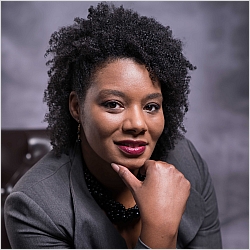
Khalilah is known for a warm, relaxed, and comfortable approach to counseling. Khalilah's approach involves genuine caring, acceptance, and non-judgment. Khalilah also works with clients from a strengths-based, positive, and affirming perspective.
Find a Therapist in Edgewater, MD
221 results
25 miles
Accepting new clients
More results
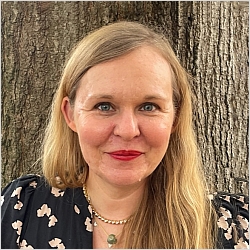
I strive to provide clear, supportive, and direct communication throughout the therapeutic process. I view the therapeutic relationship as a collaborative partnership, where we balance space for emotional exploration with practical strategies aimed at improving your symptoms and overall well-being.
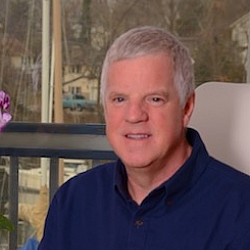
I specialize in treating anxieties, and feelings of being overwhelmed and stressed in ‘normal’ people like yourself. My practical approaches focus on implementing paths forward for specific problems, as well as addressing generalized angst and emotional distress for which solutions seem elusive. We’ll not just manage symptoms – we’ll challenge assumptions and self-judgments to break old patterns you’ve operated on (perhaps for years), because of past trauma or other experiences. We’ll build new ways of thinking, behaving and responding to your past, present and future challenges. Please call! THERAPY FOCUS On the outside, clients like yourself are stable, purposeful, successful and content. But they quickly express that inside they’re struggling; overwhelmed with feelings of anxiety, stress, frustration and even sadness. Often, there are marital and relationship conflicts. Clients feel stuck in seemingly inescapable patterns, or have specific problems that seem intractable. Then, more issues: job dissatisfaction, marital conflicts (even divorce), or parental child or adolescent challenges – a ‘Polycrisis Syndrome‘. Often clients feel estranged from themselves and family, with goals that seem ambiguous or appear unachievable. Clients want to be heard, validated and acknowledged. I’ll listen. We’ll work together to change that and restore your self-confidence, direction and a strong sense of satisfaction. I offer effective help with problem-solving, marital conflict resolution and reconnection to yourself. I’m a classic psychotherapist, not some A.I.- or minimally experienced internet-social media advisor. My non-judgmental approach balances the need to validate your experiences with the urgency to address and resolve your challenges.
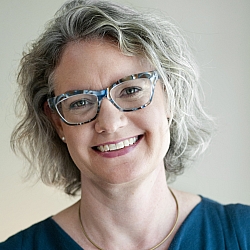
If we could think our way into the life we wanted, we would already be there. But healing and growth is not simply about thinking. It is about attending to our feelings, accepting ourselves where we are, and believing in possibilities. The Four Corners Counseling & Well-being way of therapy, practiced by the founder, Hetty Barnett, and all associates: For Thinking Women (and Men, too): Are you struggling to feel better about yourself and your life? If you are feeling stressed and overwhelmed, if your relationships are causing pain or confusion, we can help. We know from hard-earned experience that being an intelligent "over-functioner" does not mean we can easily soothe our emotional pain and create a balanced life. My associates and I can help you tap into your inner wisdom and strength to create the life you desire. For couples on the brink: At Four Corners Counseling & Well-being, we believe that couples deserve a safe space and a competent therapist to help them navigate their relationship, and move beyond problems to possibilities. This work is sacred, and couples who seek our help are doing so not only for themselves, but for the benefit of their children (if there are any), for their families, and for future generations. We have no pre-determined expectation of how a relationship will unfold. We do firmly believe that any work the members of a couple do to speak for their feelings (not from them) and listen to their partner from a grounded sense of self can reap many benefits in the future, no matter what the outcome. People can grow; people DO grow as they work with me. It takes a village to raise a relationship, and we want to be part of that village. Internal Family Systems (IFS) model of therapy: We are trained in IFS, the fastest growing therapy model today. As a clinical treatment, IFS has been rated effective for improving general functioning and well-being. In addition, it has been rated promising for improving phobia, panic, and generalized anxiety disorders; trauma resolution; physical health conditions; personal resilienceself-concept; and depression and depressive symptoms. Internal Family Systems can help clients learn ways to better relate to themselves, and move toward the 8 C’s of Self-Leadership: calmness, curiosity, clarity, compassion, confidence, creativity, courage, and connectedness.
Debbie Riley
Licensed Clinical Marriage and Family Therapist
Burtonsville, MD 20866
Annandale, VA 22003
Center for Adoption Support and Education (C.A.S.E.) offers specialized adoption-competent in-person and teletherapy. Whether receiving individual andor family therapy, our therapists will include the family dynamic as a whole during the treatment plan. C.A.S.E. therapists are trained under the nationally accredited the Training for Adoption Competency (TAC) program and have the specialized skills, insight, and experience needed to address issues and use various treatment types depending on the needs of your child, teen or family receiving care.

I like to describe my therapeutic style as eclectic. I pull from many different modalities to find what works best for each individual client. I believe that nothing in life is one size fits all and therapy is no different. Each individual needs something different when they engage in therapy and I strive to help my clients based on their individual needs. I like to take time to get to know my patients at to work collaboratively with them to create goals that make sense for their lives and needs. I primarily work with adolescents, teens, and young adults. I love working with these age groups because there is so much change happening during this time in someone's life. I am a fairly casual person and (when appropriate) like to use humor to connect and engage. I also am a bit of a nerd and have at least a basic to moderate understanding of many of the things that the younger generations enjoy (video games, TikTok, memes, movies, tv, etc.). I love to use this to connect with my clients and to allow them to feel seen.

At A Balanced Perspective LLC, we believe healing happens through consistent, ethical, and compassionate care. We serve adolescents, teens, youth, and adults through virtual and in-person services, offering integrated behavioral health and substance use disorder treatment grounded in trauma-informed practice. As a CARF-accredited provider, our work reflects established standards of quality, safety, and accountability. We support individuals experiencing anxiety, depression, trauma, substance use challenges, major life transitions, as well as other behavioral health concerns. Additionally, we support those who are highly capable, driven, and accustomed to putting others first. Our clinicians understand that people are shaped not only by symptoms, but by systems, families, communities, responsibilities, and lived experiences. By integrating community-based care with clinical treatment, we help clients move toward sustainable healing and improved functioning. Reaching out for support can feel daunting. Our role is to provide a steady, respectful space where change can unfold at a pace that feels manageable and supported.

Whether you are feeling stretched thin by daily stress, navigating a major life transition, or stuck in the same relationship argument on repeat, you shouldn't have to figure it out alone. Many of the people I work with still care deeply and carry heavy responsibilities—they just feel trapped in a loop they can't break by themselves. I provide a direct, judgment-free space where you can put the armor down and trade walking on eggshells for honest connection. In our work together, we replace "Guess Culture"—where you hint, overthink, or build quiet resentment—with "Ask Culture," where stating your needs, desires, and boundaries directly feels safe and natural. Using a structured, action-oriented roadmap grounded in the Gottman Method, Cognitive Behavioral Therapy (CBT), Attachment-Based work, and Intercultural Communication, I help both individuals and couples quiet anxious overthinking, rebuild trust, and leave with practical tools that actually stick between sessions.
It is my highest responsibility to provide a safe environment that induces my client's trust and alliance. I am on my client's journey without being judgmental. Each client is unique and each client well-being is of the uttermost importance. My client's needs and desires are highly considered. The therapy I provide allows my clients to address their concerns, fears, and issues. I assist my clients in finding ways to better communicate and to resolve issues without engaging in conflict. My client's who seek relationship counseling engage in a process that requires their active participation so that they are able to utilize coping skills, techniques, and mechanisms they can use outside of counseling. My office enables my clients to experience an environment that is safe, tranquil and serene. Clients are able to learn more about themselves, their partners, and their families.
You may be used to showing up for everyone else while feeling overwhelmed, disconnected, or unsure of what you need. I offer a space where you can speak openly, feel heard, and begin making sense of what you are experiencing. My approach is warm, collaborative, and practical. I work with adolescents and adults navigating anxiety, depression, trauma, attention-deficit hyperactivity (ADHD), grief, relationship challenges, and life transitions. I have a particular interest in supporting women of color as they work through burnout, family expectations, identity, and the pressure to remain strong. Together, we will explore how your experiences, thoughts, and relationships influence your daily life. I draw from cognitive behavioral therapy (CBT), acceptance and commitment therapy (ACT), mindfulness, and emotional regulation skills, tailoring our work to your goals and needs. We may focus on strengthening boundaries, improving communication, understanding emotional patterns, or finding manageable ways to cope. I value your perspective and welcome honest feedback about what is helping and what needs to change. You do not need to have everything figured out before starting therapy. We can begin with what feels most important to you and move at a pace that supports both trust and growth.
Many people come to therapy because they are tired of surviving. They may be struggling with the effects of trauma, grief and loss, relationship challenges, anxiety, depression, or life transitions that have left them feeling disconnected from themselves and others. I believe our struggles make more sense when they are understood within the context of our life experiences, relationships, and the environments that shaped us. The ways we learn to trust, protect ourselves, connect with others, and understand our worth are often influenced by experiences that occurred long before we recognized their impact. My approach is trauma-informed, attachment-based, and culturally responsive. I work with individuals, couples, and families to explore patterns that may no longer serve them, heal unresolved wounds, strengthen relationships, and build a greater sense of clarity, connection, and purpose. I integrate EMDR and other evidence-based approaches to help clients process difficult experiences while developing new ways of relating to themselves and others. Therapy is not about fixing what is broken. It is about understanding your story, recognizing your strengths, and creating space for healing, growth, and meaningful change.

Life has a way of throwing curve balls and the path becomes foggy and direction becomes less clear. Counseling can help provide clarity. I provide a holistic approach to counseling by combining expressive therapies with traditional cognitive-behavioral and psychodynamic approaches. Additionally, I value the role of spirituality in overall health and wellness. TELEHEALTH APPOINTMENTS.
The therapists listed are members of GoodTherapy and pay us a membership fee which helps support our services. By using this site you signify your assent and agreement to our terms of service.
Not finding the right therapist? Search for therapists in Annapolis, Crofton, or Severna Park to expand your search.
Find a Therapist in Edgewater, MD
Living in Edgewater offers the charm of waterfront communities along the Chesapeake Bay, but residents still face the universal challenges of modern life. Whether you're dealing with work stress from commuting to nearby Annapolis or Baltimore, relationship concerns, or seasonal mood changes during Maryland's humid summers and cold winters, professional support can make a meaningful difference.
Seeking therapy is a sign of strength and self-awareness. Mental health challenges affect people from all walks of life, and talking to a licensed therapist can provide valuable insights and coping strategies tailored to your unique situation.
Since 2007, GoodTherapy has been dedicated to connecting people with ethical, compassionate therapists who prioritize client confidentiality and work to eliminate the stigma surrounding mental health care. Our mission is to break down barriers, build bridges, and transform lives through accessible, ethical mental healthcare.
Mental Health Support in Edgewater
Edgewater residents often seek therapy for anxiety, depression, relationship challenges, work-life balance issues, and trauma recovery. The pressures of balancing career demands with family life in Maryland's competitive job market can contribute to stress and burnout, while the area's seasonal weather patterns may affect mood and energy levels.
Local factors such as the cost of living near the Chesapeake Bay area, commute times to major employment centers, and the unique stressors of waterfront living can all impact mental health. Therapists in Edgewater understand these regional considerations and can provide culturally competent care that addresses your specific circumstances.
Therapy Approaches Available in Edgewater
Edgewater therapists utilize several evidence-based approaches to help clients achieve their mental health goals. These proven methods have been shown effective in treating a wide range of concerns.
Cognitive Behavioral Therapy (CBT) helps identify and change negative thought patterns that contribute to anxiety, depression, and other challenges. This approach is particularly effective for managing work-related stress and relationship difficulties.
Solution-Focused therapy concentrates on building upon your existing strengths and resources to create positive change quickly and efficiently.
Dialectical Behavior Therapy (DBT) teaches practical skills for managing intense emotions, improving relationships, and developing distress tolerance.
Psychodynamic therapy explores unconscious patterns and past experiences that may be influencing current behaviors and relationships.
Interpersonal therapy focuses on improving communication skills and relationship dynamics to enhance overall well-being.
Specialized Services
Many Edgewater therapists offer specialized services including couples counseling, family therapy, trauma treatment, and support for specific populations such as teens, veterans, and LGBTQ+ individuals.
Finding Your Right Therapeutic Match
GoodTherapy's directory helps you find therapists in Edgewater based on your specific needs and preferences. You can search by specialty, therapy approach, insurance accepted, and other important factors to ensure the best possible fit.
What to Consider in Your Search
When choosing a therapist, consider factors such as their experience with your specific concerns, their therapeutic approach, location convenience, and whether they accept your insurance. Many therapists offer initial consultations to help determine if they're the right fit for you.
Getting started is as simple as browsing our directory of qualified professionals. Each therapist profile includes detailed information about their background, specialties, and approach to help you make an informed decision.
Making Therapy Affordable
Cost concerns shouldn't prevent you from accessing mental health support. Many Edgewater therapists accept insurance, offer sliding-scale fees based on income, or provide payment plans to make therapy more accessible.
Additionally, some community organizations and local resources may offer free or low-cost counseling options for residents who qualify.
Expanding Your Search
If you're having difficulty finding the right therapist in Edgewater, consider expanding your search to nearby communities. The greater Anne Arundel County area offers additional options while maintaining reasonable travel distances.
Taking the First Step
Remember that all people are capable of change and deserve dignity and respect in their mental health journey. Taking the step to find a therapist demonstrates courage and commitment to your well-being.
Start your search today using our comprehensive directory. Learn how GoodTherapy works to connect you with ethical, qualified therapists who can support your journey toward better mental health. Don't wait – the support you deserve is just a click away.
Related Resources
Find Therapists in Nearby Cities
Frequently Asked Questions
How do I find a therapist near me in Edgewater, MD?
Use GoodTherapy's directory to search for licensed therapists in Edgewater by specialty, insurance accepted, and therapy approach. You can filter results based on your specific needs and preferences to find the best match.
What types of therapy are offered in Edgewater, MD?
Edgewater therapists offer various evidence-based approaches including Cognitive Behavioral Therapy (CBT), Solution-Focused therapy, Dialectical Behavior Therapy (DBT), Psychodynamic therapy, and Interpersonal therapy, along with specialized services for couples, families, and trauma recovery.
How much does therapy cost in Edgewater, MD?
Therapy costs vary depending on the provider and services offered. Many Edgewater therapists accept insurance, offer sliding-scale fees based on income, or provide payment plans to make therapy more affordable. Contact therapists directly to discuss pricing options.
Can I find therapists who accept insurance in Edgewater, MD?
Yes, many therapists in Edgewater accept various insurance plans. You can filter your search in our directory by insurance provider to find therapists who accept your specific coverage.
What mental health issues do therapists in Edgewater, MD commonly treat?
Edgewater therapists commonly treat anxiety, depression, relationship challenges, work-life balance issues, trauma recovery, family conflicts, and seasonal mood changes. They understand local stressors and provide culturally competent care for the community.