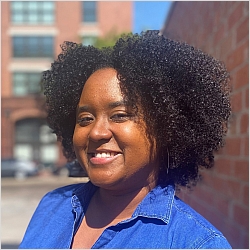
I create a comfortable and casual environment while we discuss some of the most challenging concerns you bring to therapy.
Find a Therapist in Baltimore, MD
309 results
25 miles
Accepting new clients
More results

My communication style is calm, accommodating, attentive, and personable. I want my clients to feel comfortable talking with me about whatever is on their minds. Throughout the years, my experience has taught me that most of us have thoughts, feelings, and experiences that are difficult to acknowledge even to ourselves. I pride myself on my ability to listen with compassion and acceptance.

I believe that the innate nature of human beings is to survive and be well, and that varying degrees of life experience and trauma create psychic structures that inhibit that natural process from occurring. My job is to help client's develop compassionate awareness for these structures that are no longer functional in their lives and help them to build tolerance for the underlying feelings being protected by these structures. And ultimately to help client's choose and develop healthier more functional thoughts, feelings and behaviors to expand their well being, life satisfaction and treat themselves with loving kindness.
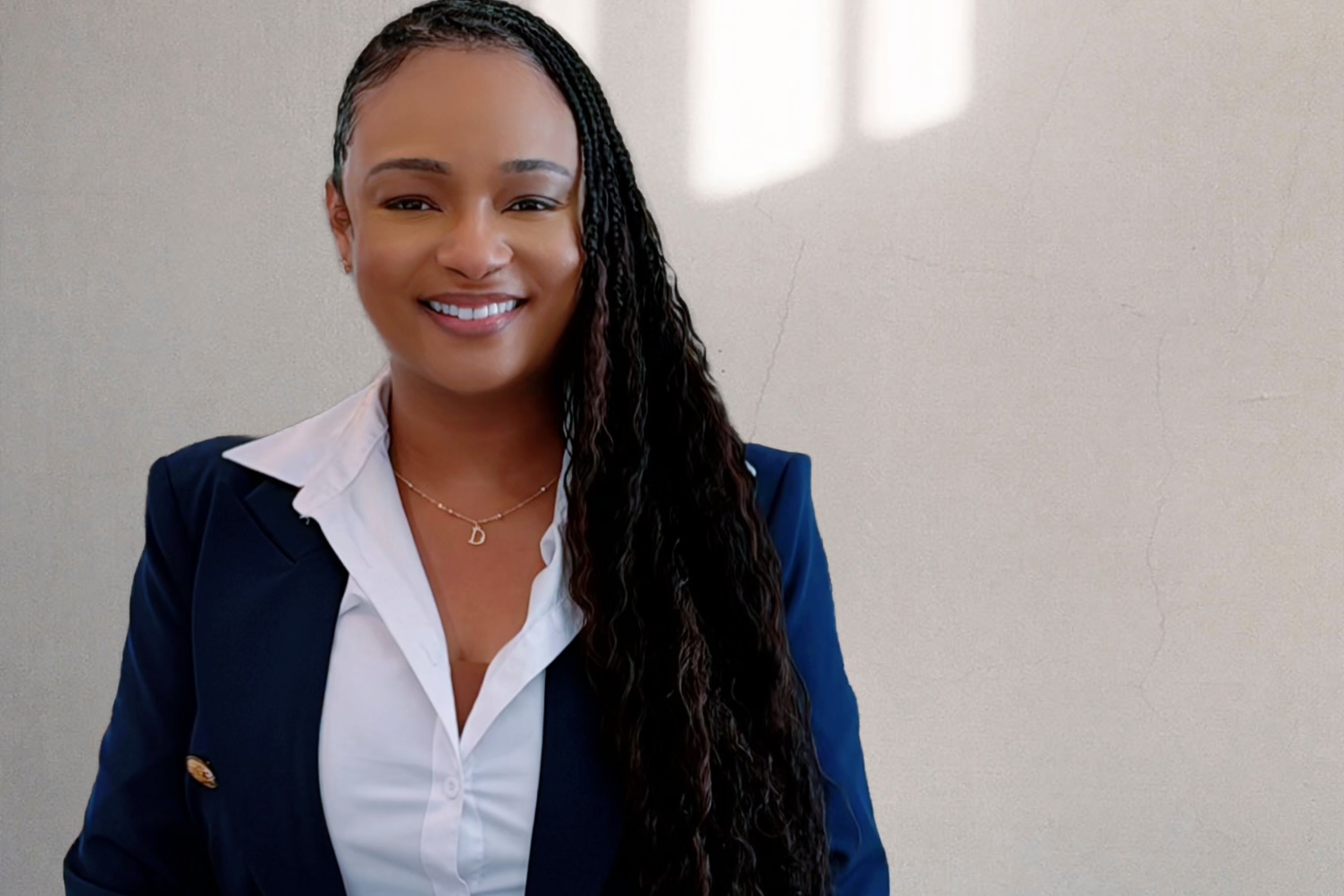
You may be used to showing up for everyone else while feeling overwhelmed, disconnected, or unsure of what you need. I offer a space where you can speak openly, feel heard, and begin making sense of what you are experiencing. My approach is warm, collaborative, and practical. I work with adolescents and adults navigating anxiety, depression, trauma, attention-deficit hyperactivity (ADHD), grief, relationship challenges, and life transitions. I have a particular interest in supporting women of color as they work through burnout, family expectations, identity, and the pressure to remain strong. Together, we will explore how your experiences, thoughts, and relationships influence your daily life. I draw from cognitive behavioral therapy (CBT), acceptance and commitment therapy (ACT), mindfulness, and emotional regulation skills, tailoring our work to your goals and needs. We may focus on strengthening boundaries, improving communication, understanding emotional patterns, or finding manageable ways to cope. I value your perspective and welcome honest feedback about what is helping and what needs to change. You do not need to have everything figured out before starting therapy. We can begin with what feels most important to you and move at a pace that supports both trust and growth.
Whether you are feeling stretched thin by daily stress, navigating a major life transition, or stuck in the same relationship argument on repeat, you shouldn't have to figure it out alone. Many of the people I work with still care deeply and carry heavy responsibilities—they just feel trapped in a loop they can't break by themselves. I provide a direct, judgment-free space where you can put the armor down and trade walking on eggshells for honest connection. In our work together, we replace "Guess Culture"—where you hint, overthink, or build quiet resentment—with "Ask Culture," where stating your needs, desires, and boundaries directly feels safe and natural. Using a structured, action-oriented roadmap grounded in the Gottman Method, Cognitive Behavioral Therapy (CBT), Attachment-Based work, and Intercultural Communication, I help both individuals and couples quiet anxious overthinking, rebuild trust, and leave with practical tools that actually stick between sessions.
Are you stuck in a painful relationship? Are you suffering from anxiety? Or do you feel your life isn't going the way you want it to? With cognitive behavorial therapy you can learn to have more meaningful relationships, manage anxiety and enjoy a more fullfillng life. I use a psychoeducational format in which I teach you skills to become your own best emotional coach. I will help you learn to understand and feel better about yourself, better about your life. With this self-awareness and skills developed in therapy you will be able to implement healthier behaviors and realize more positive ways of living.

I take a holistic approach that incorporates mind, body, and spirit. I believe it's important to integrate life meaning into counseling. I respect all faith backgrounds (including none), work within personal belief frameworks, and have appreciation for alternative paths as well as mainstream religions. I'll work with you to set goals and the proper pacing of therapy. Therapy is a collaboration, as ultimately the power to change rests within you. I emphasize unconditional positive regard, respect, a safe and caring therapeutic relationship, individual strengths, and taking control over choices.
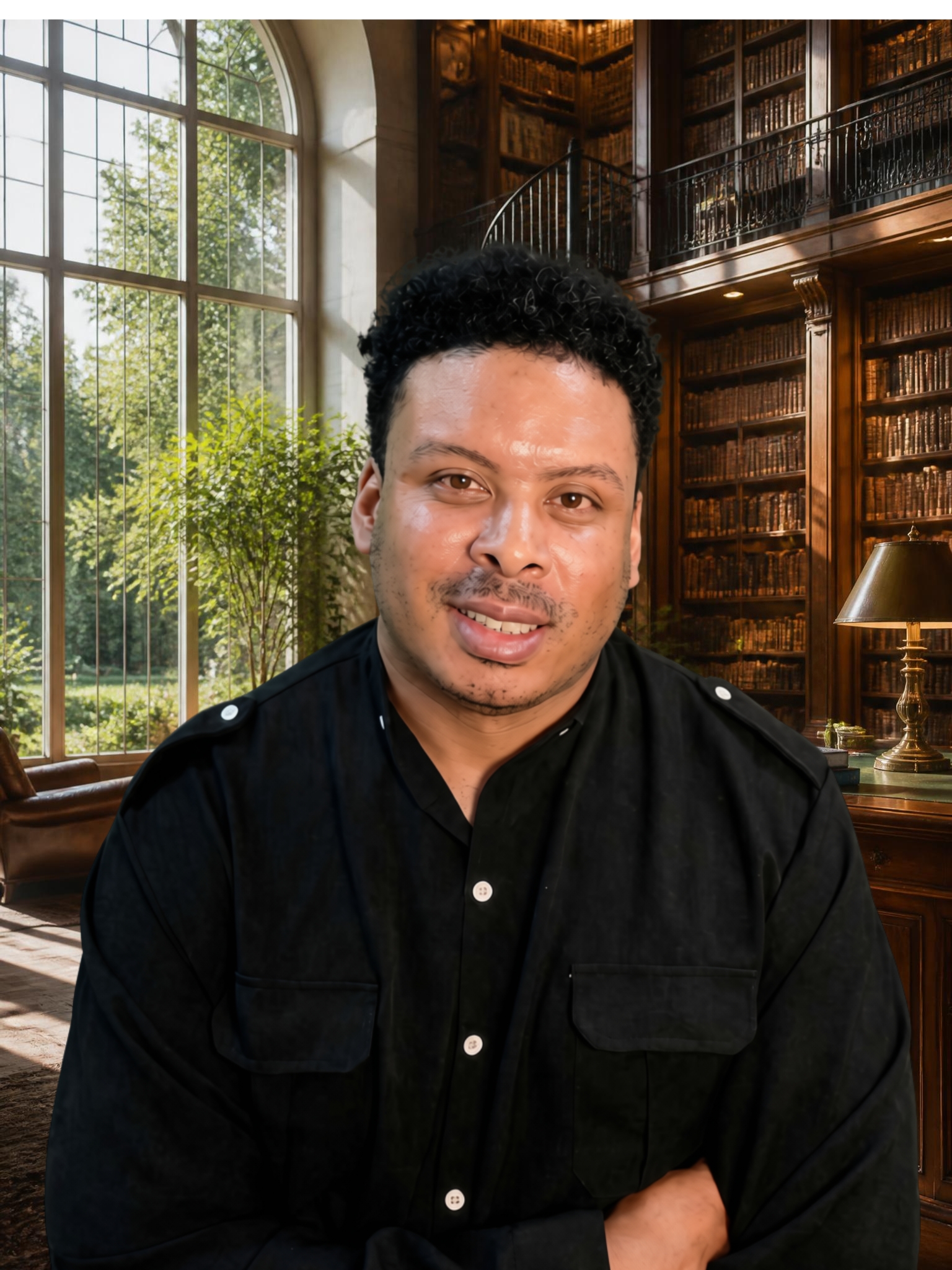
Tired of feeling like life is writing you instead of the other way around? If your mind, body, and emotions feel out of sync, you don’t have to navigate it alone. I take a comprehensive, strengths-based approach; weaving together environment, physical health, nutrition, movement, and integrative therapeutic approaches to help you rewrite your story. As a virtual-only practice, we leverage interactive tools, apps, metrics, and handouts to measure your progress and keep you supported between sessions. Together, we’ll build practical skills for lasting balance. You are the author of your life let’s find your footing, one step at a time

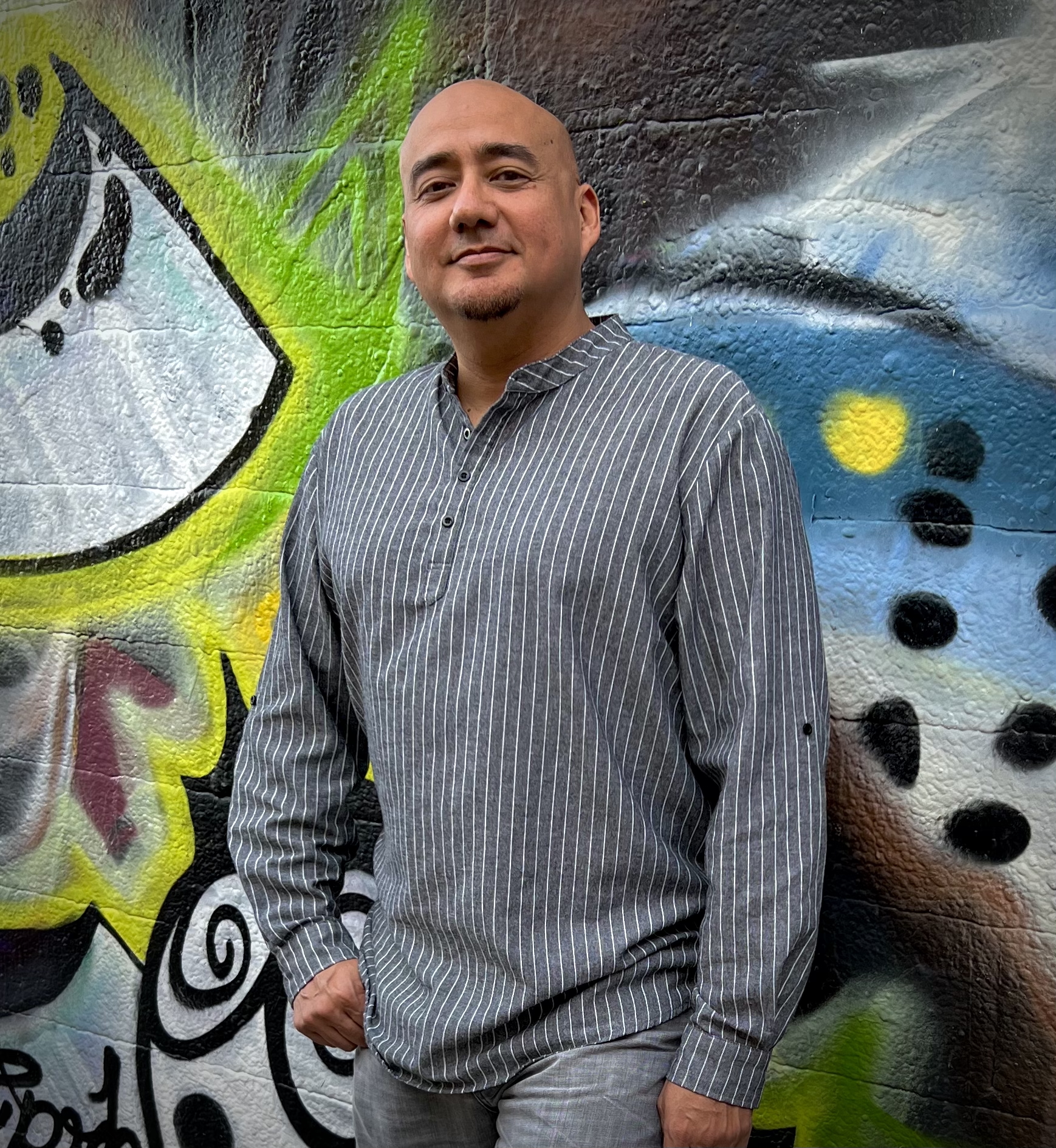
David Jun Selleh, MA, NCC, LCPC, LPC, is an integrative psychotherapist specializing in treatment-resistant depression, complex trauma, anxiety, and relationship issues. Trained in Accelerated Experiential Dynamic Psychotherapy (AEDP), Internal Family Systems (IFS), and trauma-focused Gestalt Therapy, David is curious, direct, and relational. He strategically facilitates parts-work, somatic processing, mindfulness, dream-work, and other interventions. He incorporates Acceptance and Commitment Therapy (ACT), Flash (FT), Polyvagal Theory, Ketamine-Assisted Therapy (KAP), Psychedelic Integration (PHRI), and more. David is a Licensed Clinical Professional Counselor (LCPC) in Maryland, and a Licensed Professional Counselor (LPC) in Washington D.C., holding a Master of Arts degree in Clinical Mental Health Counseling from Indiana University of Pennsylvania. David completed two-year training in Gestalt Therapy with the Gestalt Institute of Pittsburgh, and focused on working with trauma with the Gestalt Centre of UK. He earned a Ketamine-Assisted Psychotherapy Advanced Certificate with Fluence, and completed the Accelerated Experiential Dynamic Psychotherapy Immersion with the AEDP Institute. He is also continually advancing his skills through ongoing education, consultation, and his own personal work. David helps people connect with their inner healing wisdom and return to wholeness, naturally discovering new and meaningful choices in the process. Clients often report improvements to emotional regulation, and feeling more “complete” early on. Growth continues insights are translated into new habits and daily behavior change. David has helped many improve depression, attachment trauma, anxiety, relationships, climate and political distress, family-of-origin issues, addiction, shame, anger, self-esteem, transitional challenges, and other concerns. Please call or email to schedule a consultation.

I like to describe my therapeutic style as eclectic. I pull from many different modalities to find what works best for each individual client. I believe that nothing in life is one size fits all and therapy is no different. Each individual needs something different when they engage in therapy and I strive to help my clients based on their individual needs. I like to take time to get to know my patients at to work collaboratively with them to create goals that make sense for their lives and needs. I primarily work with adolescents, teens, and young adults. I love working with these age groups because there is so much change happening during this time in someone's life. I am a fairly casual person and (when appropriate) like to use humor to connect and engage. I also am a bit of a nerd and have at least a basic to moderate understanding of many of the things that the younger generations enjoy (video games, TikTok, memes, movies, tv, etc.). I love to use this to connect with my clients and to allow them to feel seen.
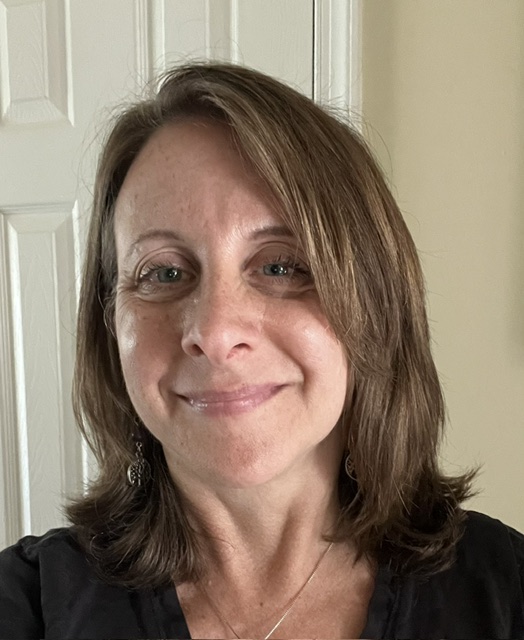
Typically I work with clients who have unresolved trauma and is still stuck in problematic behavioral patterns. They have often done some "talk therapy" in the past but didn’t really find it that helpful. I use more experiential methods to help you make lasting changes that improve your quality of life, not just provide stabilization. I’ve found that talk therapy can be one of the slowest ways to do therapy, and that if you ignore sensory input from the body, then you’re only doing therapy from the neck up. Whether you’re facing new challenges or struggling with ongoing circumstances, you may be feeling overwhelmed, hopeless, helpless, or anxious. You may also have slipped back into unhealthy patterns of behavior that you worked hard to change. I take a collaborative approach to therapy, and I’ll tell you up front that I don’t have a crystal ball or magic wand! I believe that we each have a unique journey, and while I do have education and training as a Licensed Clinical Social Worker (LCSW) in Maryland, I haven’t lived your life, and I’m not an expert on YOU.
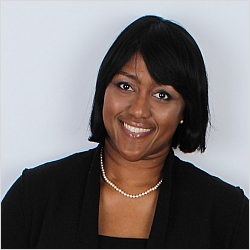
Many people come to therapy because they are tired of surviving. They may be struggling with the effects of trauma, grief and loss, relationship challenges, anxiety, depression, or life transitions that have left them feeling disconnected from themselves and others. I believe our struggles make more sense when they are understood within the context of our life experiences, relationships, and the environments that shaped us. The ways we learn to trust, protect ourselves, connect with others, and understand our worth are often influenced by experiences that occurred long before we recognized their impact. My approach is trauma-informed, attachment-based, and culturally responsive. I work with individuals, couples, and families to explore patterns that may no longer serve them, heal unresolved wounds, strengthen relationships, and build a greater sense of clarity, connection, and purpose. I integrate EMDR and other evidence-based approaches to help clients process difficult experiences while developing new ways of relating to themselves and others. Therapy is not about fixing what is broken. It is about understanding your story, recognizing your strengths, and creating space for healing, growth, and meaningful change.
The therapists listed are members of GoodTherapy and pay us a membership fee which helps support our services. By using this site you signify your assent and agreement to our terms of service.
Not finding the right therapist? Search for therapists in Parkville, Towson, or Pikesville to expand your search.
Find a Therapist in Baltimore, MD
Living in Baltimore offers rich cultural experiences, from the historic Inner Harbor to vibrant neighborhoods like Federal Hill and Canton. However, navigating city life's demands—whether it's commuting through downtown traffic, managing work-life balance, or dealing with the pressures of urban living—can impact your mental health and relationships.
Baltimore residents often seek support for anxiety, depression, relationship challenges, work-related stress, and trauma recovery. The city's humid summers and cold winters can also affect mood and energy levels, making professional support particularly valuable during seasonal transitions.
Since 2007, GoodTherapy has been dedicated to connecting people with ethical, compassionate therapists who understand that all individuals are capable of change and deserve dignity and respect. Our mission is to break down barriers and build bridges to accessible mental healthcare.
Mental Health Support in Baltimore
Baltimore residents commonly seek therapy for anxiety, depression, relationship issues, work-life balance challenges, and trauma recovery. The fast-paced urban environment, combined with economic pressures and social stressors, can contribute to mental health concerns that benefit from professional support.
Local factors like seasonal weather changes, commute stress, and the demands of city living can impact mental wellness. Many Baltimore residents find that therapy provides essential tools for managing these challenges while building resilience and improving overall quality of life.
Therapy Approaches Available in Baltimore
Baltimore therapists utilize several evidence-based approaches tailored to individual needs and preferences. Different types of therapy offer various pathways to healing and growth.
Cognitive Behavioral Therapy (CBT) helps identify and change negative thought patterns that contribute to anxiety and depression. This approach is particularly effective for professionals dealing with work-related stress and perfectionism common in Baltimore's competitive job market.
Solution-Focused therapy emphasizes building on existing strengths and resources to create positive change quickly. This approach resonates with many Baltimore residents who value practical, goal-oriented solutions.
Psychodynamic therapy explores unconscious patterns and past experiences that influence current relationships and behaviors. This deeper approach can be especially helpful for addressing long-standing patterns or complex trauma.
Dialectical Behavior Therapy (DBT) teaches emotional regulation skills and distress tolerance techniques, while Interpersonal therapy focuses on improving relationship patterns and communication skills.
Specialized Services
Many Baltimore therapists offer specialized services including couples counseling, family therapy, child psychology, and group therapy sessions. Some practitioners also provide culturally sensitive care for Baltimore's diverse population, including Spanish-speaking therapists and those experienced with various cultural backgrounds.
Finding Your Right Therapeutic Match
Our directory approach helps you find therapists based on your specific needs, location preferences, and therapeutic goals. Whether you're in downtown Baltimore, the suburbs, or surrounding neighborhoods, you can locate qualified professionals nearby.
What to Consider in Your Search
Consider factors like therapeutic approach, specializations, location convenience, and therapy delivery methods including in-person and online options. Many Baltimore therapists offer flexible scheduling to accommodate busy work schedules and family commitments.
Getting started involves browsing therapist profiles, reading about their approaches and specialties, then reaching out to those who seem like a good fit. Most therapists offer brief consultations to help determine if their services align with your needs.
Making Therapy Affordable
Cost concerns shouldn't prevent you from accessing mental health support. Many Baltimore therapists accept insurance, offer sliding-scale fees based on income, or provide payment plans to make therapy more accessible. Free and affordable therapy options are available throughout the Baltimore area.
Community mental health centers, university training clinics, and nonprofit organizations also provide cost-effective therapy options. Some employers offer Employee Assistance Programs (EAPs) that include free counseling sessions for workers and their families.
Expanding Your Search
If you're having difficulty finding the right therapist in Baltimore, consider expanding your search to nearby communities. The greater Baltimore area offers additional qualified professionals who may be easily accessible by car or public transportation.
Taking the First Step
Seeking therapy demonstrates strength and self-awareness. Whether you're dealing with immediate concerns or working toward long-term personal growth, professional support can provide valuable tools and insights for navigating life's challenges.
Find help connecting with the right therapeutic support today. Browse our directory of qualified Baltimore therapists and take the first step toward improved mental health and wellbeing.
Related Resources
- Different types of therapy
- Our directory approach
- Therapy delivery methods
- Free and affordable therapy options
- Find help
Find Therapists in Nearby Cities
- Find a therapist in Lutherville Timonium
- Find a therapist in Severna Park
- Find a therapist in Annapolis
Frequently Asked Questions
How do I find a therapist near me in Baltimore, MD?
Use our therapist directory to search for licensed professionals in Baltimore by specialty, location, insurance accepted, and therapeutic approach. You can filter results to find therapists in specific neighborhoods or those offering online sessions.
What types of therapy are offered in Baltimore?
Baltimore therapists offer various evidence-based approaches including Cognitive Behavioral Therapy (CBT), Solution-Focused therapy, Dialectical Behavior Therapy (DBT), Psychodynamic therapy, and Interpersonal therapy. Many also provide specialized services like couples counseling, family therapy, and trauma treatment.
How much does therapy cost in Baltimore?
Therapy costs in Baltimore vary depending on the therapist's experience, specialization, and session length. Many therapists accept insurance, offer sliding-scale fees, or provide payment plans. Community mental health centers and university clinics often provide more affordable options.
Can I find therapists who accept insurance in Baltimore?
Yes, many Baltimore therapists accept various insurance plans including major providers. When browsing therapist profiles, you can filter by insurance accepted or contact therapists directly to verify coverage and understand your benefits.
What mental health issues do therapists in Baltimore commonly treat?
Baltimore therapists commonly treat anxiety, depression, relationship issues, work-related stress, trauma recovery, grief and loss, family conflicts, and substance use concerns. Many specialize in specific areas like couples counseling, child psychology, or treating particular conditions.