Kietha Adams, Licensed Marriage and Family Therapist
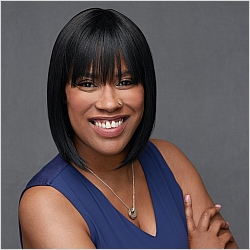
Kietha Adams, Licensed Marriage and Family Therapist
Verified
Telehealth Available
Professions: Marriage & Family Therapist, Sex Therapist
License Status: I'm a licensed professional.
Primary Credential: TX - Licensed Marriage and Family Therapist - 203591
Telephone: 254-406-1581
Billing and Insurance:
I am an in-network provider for:
- Aetna
- Optum/United Health Care
- Oxford (UnitedHealthcare)
- UnitedHealthcare
Session Fees: Individual Therapy $195
Couples Therapy $235
Sex Therapy $195 ~ Individual; $235 ~ Couple
Family Therapy $265
Group Therapy: Please Contact Us
Sliding Scale Available
Evening Availability


What's My Approach to Therapy?
If you and your partner feel stuck—arguing in circles, experiencing disconnection, or struggling with intimacy—you are not alone. Many couples enter therapy loving each other but unsure how to bridge the emotional or sexual distance that has developed between them. If something feels off in your relationship or sex life, seeking support makes perfect sense.
I’m Kietha Adams, MS, LMFT, a Relationship and Sex Specialist dedicated to helping couples and individuals strengthen their connection, communication, and intimacy. My approach is relational, sex-positive, and trauma-informed. I believe that challenges around sex and relationships are not signs of failure; rather, they present opportunities for deeper understanding and growth.
In therapy, I create a supportive and non-judgmental space where both partners feel heard and respected. We will take our time to explore the underlying patterns of conflict and discuss openly about desire, trust, boundaries, and emotional safety. I provide practical tools along with insights so that what we work on in sessions can lead to real change in your relationship.
You don’t need to have everything figured out to begin this journey. If you’re ready to move towards clearer communication, renewed intimacy, and a stronger sense of connection, I’m here to help.
My Practice & Services
Heart of Mind Therapy is a relationship-centered practice dedicated to supporting individuals, couples, and families in building healthier emotional and relational lives. My goal is to create a welcoming, comfortable space where clients feel safe exploring challenges related to relationships, intimacy, identity, and emotional well-being.
In addition to individual and couples therapy, my practice offers specialized support in areas including relationship and sex therapy, trauma recovery, anxiety and depression, emotional regulation, and family or parenting concerns. I also work with clients navigating life transitions, including separation or divorce, dating after long-term relationships, blended family adjustments, and rediscovering intimacy and self-connection.
Beyond traditional therapy sessions, Heart of Mind Therapy offers periodic therapy groups and workshops focused on relationship skills, communication, emotional intelligence, and empowerment. One example is BE HER'd Support Group for young ladies ages 14-17, a therapeutic group that helps teenage girls build confidence, emotional awareness, and healthy peer relationships.
My practice welcomes adults, couples, and adolescents, and strives to provide care that is inclusive, affirming, and culturally responsive. Services are available in person, with virtual sessions offered when appropriate to support accessibility and continuity of care.
Above all, Heart of Mind Therapy operates from the belief that healing and growth happen through connection. Whether clients come seeking relationship repair, personal growth, or support through difficult transitions, the practice is designed to meet people with compassion, respect, and practical guidance for meaningful change.
What I Love about Being a Psychotherapist
What I truly love most about being a psychotherapist is the privilege of walking alongside people and couples as they rediscover connection?emotionally, physically, and intimately. There?s something profoundly empowering about witnessing a couple move from frustration or distance back toward understanding and closeness. I?ve seen partners learn to speak honestly about their desires, rebuild trust after a disconnect, and create new patterns of emotional and physical intimacy that feel more authentic and safe. Those moments?when someone says, ?I finally feel understood? or ?I didn?t think we could get here??are deeply meaningful to me.
I?m especially passionate about sex therapy because our relationships with desire and intimacy are often wrapped in vulnerability, shame, or unanswered questions. I love helping people explore these areas with curiosity rather than fear, guiding them to understand how past experiences, stress, communication habits, and identity shape how we show up in the bedroom and in the heart of our partnerships. In my work with couples, I get to watch two people learn to communicate in ways that feel safe and honest, to slow down rather than react, and to find pleasure and connection again?not through pressure but through care, curiosity, and mutual respect. ?
Therapy is not just about solving problems?it?s about building resilience, strengthening bonds, and creating a space where real intimacy can grow. I feel honored to help clients navigate this work, and it?s the deep, human moments of understanding, connection, and healing that remind me why I became a therapist in the first place.
Why Going to Therapy Does Not Mean You are Weak or Flawed
Many people hesitate to start psychotherapy or couples therapy because they worry it means something is wrong with them or their relationship. Couples often think, ?We should be able to fix this ourselves,? or fear that seeking help means their relationship is failing. In reality, choosing therapy often indicates that you care deeply about your well-being and your relationship and want things to improve rather than continue feeling stuck.
Psychotherapy isn?t about labeling you or pointing out flaws?it?s about creating a space where you can slow down, understand what?s happening beneath stress or conflict, and learn healthier ways to communicate and connect. Couples therapy, in particular, helps partners move out of cycles of blame, defensiveness, or silence and toward understanding and teamwork.
Every relationship faces challenges, especially during life transitions, stress, parenting, career demands, or emotional strain. Seeking therapy means you?re ready to approach those challenges with support and intention rather than struggle alone. It?s not weakness?it?s a commitment to growth, healing, and creating a stronger foundation for your relationship and your life.
Reaching out for help is often one of the strongest and most hopeful steps a person or couple can take.
Image Gallery
Therapy Services & Specialties
Client Age Groups I Work With
- Adults
Groups I Work With
- I commonly help with: • Couples therapy for communication challenges, conflict, and emotional distance • Sex therapy, including low desire, mismatched libido, performance anxiety, erectile concerns, and intimacy after life transitions • Rebuilding trust, emotional safety, and connection after hurt or betrayal • Navigating changes in desire related to stress, parenthood, aging, or trauma • Exploring boundaries, identity, and intimacy in a sex-positive, shame-free way • Supporting individuals who want a healthier relationship with sex, their bodies, and their needs My therapy style is collaborative, relational, and trauma-informed. I balance insight with practical tools, helping you understand why patterns exist while also supporting you in creating change outside of session. I don’t take sides or rush the process—instead, I focus on helping you feel understood, grounded, and empowered to show up differently in your relationships.
Client Challenges & Concerns I Address
- Anxiety
- Communication Problems
- Depression
- Divorce / Divorce Adjustment
- Family Problems
- Infidelity / Affair Recovery
- LGBTQ+ (Lesbian, Gay, Bisexual, and Transgender) Issues
- Men's Issues
- Polyamory / Nonmonogamous Relationships
- Pre-Marital Counseling
- Relationships and Marriage
- Sexuality / Sex Therapy
- Women's Issues
Therapeutic Approaches & Evidence-Based Methods
- Acceptance and Commitment Therapy (ACT)
- Cognitive Behavioral Therapy (CBT)
- Collaborative Couple Therapy (CCT)
- Conflict Resolution Therapy
- Emotionally Focused Couples Therapy
- Gottman Method
- Internal Family Systems (IFS)
- Psychodynamic
- Relational Psychotherapy
See other therapists in Shenandoah, TX.