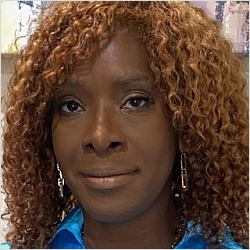
Karlene Francis, MA, Mental Health Counseling-Limited Permit
Brooklyn, New York
Verified
My Approach to Therapy
WHEN LIFE FEELS TOO HEAVY TO CARRY:
When anxiety, depression, anger, past trauma, or current conflicts in relationships start to feel like too much to carryor even if youre just beginning to notice that something feels offyoure taking the right step in finding a therapist. People reach out for therapy at all different moments, not only when life feels the heaviest. You might be tired from holding everything together, unsure how to start untangling what youre feeling, or simply wishing someone would finally listen without judgment.
A CALM SUPPORTIVE SPACE:
I offer a steady, caring space where you can slow down, breathe, and sort through whats going on inside you and in your relationships. My goal is to listen, help you understand your thoughts and emotions, work through painful or traumatic experiences, and take steps forward at a pace that feels safenot rushed or pressured.
We can't change the past, but we can change how it's affecting you now.
UNDERSTANDING YOUR THOUGHTS AND FEELINGS:
I'll help you to see how your thoughts, emotions, and actions connect. When you notice how certain thoughts trigger strong feelings or reactions, it becomes easier to break the patterns that fuel anxiety, depression, or anger. This kind of awareness helps you understand your life experiences in a new way and feel more in control of your life.
HOW WELL WORK TOGETHER:
My work is based on a person-centered approach, which means our relationship is one of the most important parts of the process. I want you to feel safe, respected, and truly listened to. You know your life better than anyone, and we work together at a pace that feels comfortable for you.
I use Cognitive Behavioral Therapy (CBT) to help you notice how your thoughts, feelings, and actions connect. When you learn to spot unhelpful thoughts, you can start changing them and feel less anxiety, sadness, or overwhelm.
I use Trauma-Focused CBT when past painful or traumatic experiences still affect how you feel or react today. We'll take things slowly and build skills that help you feel safer, calmer, and more in control as you work through what youve been carrying.
I also use Solution Focused Brief Therapy, which helps you notice your strengths, set clear goals, and take small steps forward. This approach keeps things hopeful and focused on whats possible right now.
All of these approaches work together to help you heal, understand yourself better, and growwhile honoring your voice, your pace, and your experiences.
If this is the moment youre reaching out for support, I'm here to walk with you.
My Practice & Services
I offer both online and inperson sessions. Evening and weekend appointments are generally held online to provide more flexibility and accessibility
Psychoeducation is an important part of my work because it gives you simple language to understand what youre feeling and why you react the way you do. We'll talk about your emotions, your thoughts, and your behaviors in a way that makes sense, so you can see whats really going on inside you.
I also teach practical, researchbased skills you can use right awaysuch as grounding exercises to calm your body, ways to challenge unhelpful thoughts, and tools to communicate more clearly. We'll practice these skills together in session, so you feel confident using them in real life
Why Going to Therapy Does Not Mean You are Weak or Flawed
Choosing to go to therapy reflects courage, self-awareness, and a willingness to grow. Reaching out for support shows that you value your well-being and are taking an active step toward healing and change. Therapy is a space to learn, understand yourself more deeply, and build the tools you need to move forward.
Importance of the Client-Therapist Alliance
It?s important to feel a genuine connection with your therapist and to know you?ll be accepted as you are, without judgment. This work is a partnership, and we move through the process of change together. My role is to guide, support, and advocate for you as you work toward your goals.
When you feel safe, understood, and respected, it becomes easier to open up, explore difficult emotions, and practice new skills..
.
Expertise & Specialties
Age Groups I Work With
TeensAdultsElders
Groups I Work With
I work with adolescents and adults who are navigating anxiety, depression, stress, relationship challenges, and the impact of traumatic experiences. Many people come in feeling overwhelmed, caught in cycles of overthinking, or unsure how to process their emotions. I also support individuals from faith?based communities, parents and caregivers, and those in high?stress roles who need a supportive, nonjudgmental space to reconnect with themselves. I provide a space for you to feel understood, less alone, and supported as you move toward clarity, healing, and steadier path.
Therapy Services & Specialties
Concerns & Challenges Addressed
AbandonmentAbuse / Abuse Survivor IssuesAdjusting to Change / Life TransitionsAging and Geriatric IssuesAngerAnxietyAttachment IssuesBipolar
Therapeutic Approaches & Evidence-Based Methods
Cognitive Behavioral Therapy (CBT)Dialectical Behavioral Therapy (DBT)Gestalt TherapyPerson-Centered Therapy (Rogerian Therapy)Solution-Focused Brief Therapy (SFBT)Trauma-Focused Cognitive Behavioral Therapy (TF-CBT)
Industries & Communities
BIPOCEducationSelf-Employed and Freelance ProfessionalsUnion First