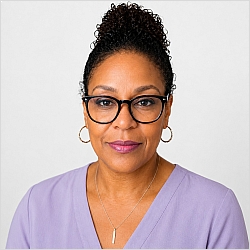
Hi, I’m Morgan! With compassionate, evidence-based care and a passion for helping others heal and grow, I offer a safe space to process your current challenges and experiences that may be contributing to your current symptoms.
Hi, I’m Morgan! With compassionate, evidence-based care and a passion for helping others heal and grow, I offer a safe space to process your current challenges and experiences that may be contributing to your current symptoms.
I believe growth is not always comfortable, and difficulty does not automatically mean something is wrong. In therapy, I help clients become curious about the patterns, fears, beliefs, and old roles that may be keeping them stuck. Sometimes the obstacle is not a sign to turn around—it is the place where the deeper work begins. We may explore the boundary you are afraid to set, the grief you have postponed, the truth you have softened, the relationship pattern that keeps repeating, or the part of you that still confuses familiarity with safety. I used to think of transformation as the butterfly—the beautiful ending, the freedom, the moment when everything finally makes sense. But transformation is often the part before that. It is the cocoon. It is the dark, uncomfortable, sometimes messy work of making sense of our fortunes and misfortunes, our desires and doubts, our losses, fears, and old ways of surviving. Real change may ask us to sit with discomfort before we feel relief. To grieve what we are leaving behind before we know what comes next. To question beliefs we have carried for years and recognize that what once protected us may now be limiting us. My approach is collaborative, reflective, and practical. I help clients understand where their patterns came from, what those patterns once protected them from, and whether they are still serving them now. The goal is not to force change or pretend healing is easy. It is to help you move through the uncomfortable places with greater awareness, self-trust, and intention—so you can become the person you are ready to become and build a life based on what you choose, rather than only on what you learned to survive.
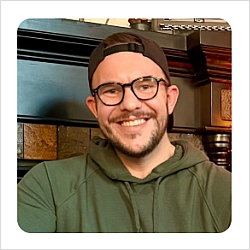
Hello! My name is Alex Fromosky, and I am a Licensed Clinical Social Worker (LCSW) in the state of New Jersey. I have a Bachelor’s in Sociology from Montclair State University and a Master of Social Work from the University of Central Florida. Throughout my time in the field, I have worked individually with clients addressing issues such as substance use and addiction, trauma and posttraumatic stress (PTSD), anxiety, depression, family and relationship issues, and all of the fun stuff in between! Mental health is already intimidating to discuss, and I pride myself on having a direct yet supportive approach when it comes to therapy. I like to bring my authentic self to sessions, and I hope you will, too. I also like to approach some of these harder issues in a fun, caring, and lighter way, so you can feel more comfortable exploring some of the things that have been hiding away for so long. I utilize skills from cognitive behavioral therapy (CBT), dialectical behavior therapy (DBT), motivational interviewing (MI), and eye movement desensitization and reprocessing (EMDR) in sessions, which allows for a well-rounded perspective.
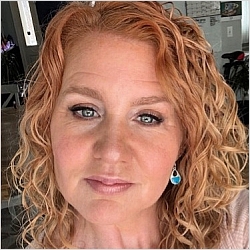
I specialize in helping couples who care deeply about their relationship but find themselves having the same fight over and over again. I’ll help you understand your cycle and find ways to get unstuck. Together, you can build a relationship that feels secure and safe. I use emotionally focused therapy (EFT), a well-researched, evidence-based approach to couples therapy that helps partners move from conflict and disconnection toward a stronger, more secure emotional bond. Rather than focusing only on surface-level communication skills, EFT looks at the deeper emotions and attachment needs that shape how couples interact. Many partners find themselves stuck in repetitive cycles, one pursuing and the other withdrawing, without fully understanding why those patterns keep happening. In EFT, we work together to slow down these moments and make sense of what’s happening beneath the surface. You’ll begin to understand your relationship patterns in a new way, recognizing how both partners are affected and how each of you is trying to cope. As those deeper emotions become clearer, sessions focus on helping you express them in ways that create connection rather than conflict. This process helps partners feel more seen, heard, and understood. Over time, couples can shift out of painful, reactive cycles and build a more secure, supportive relationship. EFT has been shown to be highly effective in helping couples strengthen trust, improve emotional intimacy, and create lasting change. The goal is not just to reduce conflict, but to help you feel more connected, safe, and supported in your relationship.
Briana Brogan is a Licensed Marriage and (Licensed Marriage and Family Therapist (LMFT)) with six years of experience in the counseling field. She has a passion for working with children, adolescents, young adults, and members of the LGBTQ+ community. She specializes in supporting people with a range of concerns, including trauma, anxiety, depression, attention-deficit hyperactivity (ADHD), and autism. She helps guide her clients in building stronger coping skills to manage life challenges and daily stressors.

My passion for helping others heal is rooted in empathy, compassion, and a thorough understanding of the complexity of trauma. I specialize in working with individuals and couples who have experienced the profound impact of complex PTSD, also known as developmental or relational trauma, on their emotional and psychological well-being and relationships. The effects of cPTSD can leave you feeling unsafe, disconnected, powerless, ashamed, defective, and overwhelmed. You may also find yourself engaging in self-abandoning behavior, experiencing emotional flashbacks, or struggling to overcome your harsh inner critic, toxic shame, and guilt. As your therapist, I strive to create a safe and supportive space for you to heal and grow. My approach is tailored to your unique needs, integrating evidence-based techniques such as Internal Family Systems (IFS), Emotionally Focused Therapy (EFT), and Somatic Experiencing (SE) to help you break free from the cycle of trauma and build the skills you need to thrive. Whether you are seeking individual or couples therapy, my ultimate goal is to empower you to reclaim your life, heal from the past, and create a fulfilling future where you can experience meaningful connections with yourself and others. Whether you're struggling to navigate the challenges of a relationship as a complex trauma survivor, or working to heal on your own, I'm here to support you every step of the way. I believe that healing from complex trauma is possible, no matter what you've been through. Together, we'll work to break free from the cycle of pain and create a fulfilling, meaningful life full of connection, joy, and authenticity. Whether you're struggling with patterns of self-sabotage, difficulty trusting others, or simply feeling stuck in your past experiences, I'm here to provide the support and resources you need to make real progress toward healing and growth.
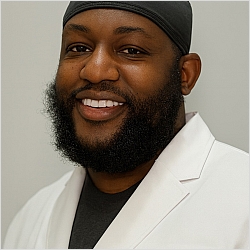
A strong approach to helping people with mental health challenges is patient-centered, collaborative, and holistic. The core idea is to treat the whole person, build trust, and match care to the person’s needs, goals, and preferences, rather than using a one-size-fits-all plan. Core principles Start with respect, empathy, and nonjudgmental listening. People with mental health conditions often do better when they feel heard and not stigmatized. Use a whole-person view that considers emotional, physical, social, and environmental factors, not just symptoms. Explain that there are multiple treatment options, and that a first-line approach may need adjustment over time. Involve the person in shared decision-making so the care plan reflects their values, goals, and comfort level. Practical care approach Assess symptoms, safety, functioning, and supports. Build rapport and ask open-ended questions. Provide education about the condition and treatment options. Collaborate on a realistic care plan. Encourage coping skills, self-management, and follow-up. Reassess regularly and adjust treatment when needed. Helpful support strategies Offer emotional support and practical help. Encourage healthy routines, coping skills, and treatment adherence. Normalize that recovery can take time, and that progress may be uneven. Connect people to community-based services, therapy, peer support, and other resources when appropriate.
I don’t use a “one size fits all” approach; What works for one person may not work for another. My style is integrative, blending approaches like cognitive behavioral therapy (CBT) and psychodynamic. At times, I may bring your attention to how your thoughts and emotions align with your body as a means to stay present and decrease anxiety. Building a therapeutic relationship can take some more time for one person than another. Therapy is not a race, but more so a journey. I encourage you to be patient with yourself. Together, we can work towards restoring and maintaining your emotional well-being.
It may be a little unorthodox to introduce my practice to you on a negative note. But the truth is that what brought me to Goodtherapy was..."not-good therapy"! My own, as patient. With an intelligent, highly trained practitioner, who knows how to practice good therapy...and didn't. This got me thinking: How is it that good therapists go...off track? Gold standard skills, compassion, caring, empathy...are, evidently, not enough. I believe I found the missing piece. To be a good therapist is to be humble. Humility in action is the foundation of safety and success in treatment. Humility keeps a therapist open, curious, and honest - and keeps this honesty respectful. It acknowledges your power as a patient - to really let me know how my words and actions affect you, knowing this helps me help you. Emotional pain is rooted in lived experience, and only new experience can touch it. Symptoms are distressing, but feeling trapped, alone, or unreachable within them is...unbearable. It's likely that the emotional events that caused your distress were experienced in this way: Alone and unbearable. Therapy is a healing conversation, and it heals by giving you a new experience, one that unfolds as you relate your experience to me, and I relate to you. So we undo your aloneness together; you'll find me respectfully wondering about little things I notice, moment to moment, as you tell your story - the glimpses of feeling that accompany your words - the music of your problem, so to speak. This is a gentle process, and very, very powerful. It orients you to yourself and your "problem" in a new way - with safety, sometimes surprising speed, and depth. Humility in action give me the power to heal, and is the basis of the two models I rely on to help others (Sue Johnson's EFT for couples and families, and Diana Fosha's AEDP for individuals. "Undoing aloneness" is a term of Dr. Fosha's). This site provides good information on both.

I believe a strong, trusting relationship with your therapist is the foundation for meaningful growth and change. In our work together, I meet you where you are, with empathy, compassion, and without judgment. My holistic approach focuses on your mind, body, and spirit, and I integrate both traditional and alternative therapies to support your overall well-being.
The therapists listed are members of GoodTherapy and pay us a membership fee which helps support our services. By using this site you signify your assent and agreement to our terms of service.
Living in Wayne offers the charm of suburban Philadelphia life with tree-lined streets and close-knit community connections. However, even in this picturesque Main Line setting, residents face unique mental health challenges from demanding careers, family pressures, and the fast pace of Northeast living.
Whether you're managing work stress from a Philadelphia commute, navigating relationship changes, or dealing with seasonal mood shifts during Pennsylvania's long winters, professional support can make a meaningful difference in your well-being.
Since 2007, GoodTherapy has been dedicated to connecting people with ethical, compassionate therapists who understand that all individuals are capable of change and deserve dignity and respect. Our mission is to break down barriers and build bridges to accessible mental healthcare.
Wayne residents commonly seek therapy for anxiety, depression, relationship challenges, work-life balance issues, and trauma recovery. The pressures of maintaining high professional standards while balancing family life in this affluent community can contribute to stress and burnout.
Local factors like seasonal weather changes, competitive academic environments, and the demands of Main Line social expectations can impact mental health. Many Wayne residents also face unique stressors related to career transitions, empty nest syndrome, and managing aging parents while raising their own families.
Wayne therapists utilize several evidence-based approaches to help clients achieve their mental health goals. Understanding different therapy types can help you find the right fit for your needs.
Cognitive Behavioral Therapy (CBT) helps identify and change negative thought patterns that contribute to anxiety and depression. This approach is particularly effective for managing work-related stress and perfectionist tendencies common in high-achieving communities.
Solution-Focused therapy concentrates on building solutions rather than dwelling on problems, making it ideal for busy professionals seeking practical strategies for immediate challenges.
Psychodynamic therapy explores unconscious patterns and past experiences that influence current relationships and behaviors, offering deeper insight for long-term personal growth.
Interpersonal therapy focuses on improving communication skills and relationship patterns, valuable for couples and families navigating life transitions together.
Many Wayne therapists offer specialized services including couples counseling, family therapy, trauma treatment, and support for life transitions. Some practitioners provide flexible scheduling to accommodate demanding work schedules common in the area.
GoodTherapy helps you find therapists based on your specific needs, preferences, and circumstances. Our directory allows you to search by specialty, insurance accepted, and treatment approach to find the best match for your situation.
Consider factors like location convenience for your commute, evening or weekend availability, and whether you prefer in-person or virtual sessions. Many Wayne residents appreciate therapists who understand the unique pressures of Main Line living and professional demands.
Getting started is straightforward with our user-friendly directory. You can get personalized help finding the right therapist based on your specific concerns and preferences.
While therapy costs may seem concerning, many Wayne therapists accept insurance, offer sliding-scale fees, or provide payment plans to make treatment accessible. Contact therapists directly to discuss financial options that work within your budget.
Remember that investing in your mental health can lead to significant positive outcomes in all areas of your life, from improved relationships to enhanced work performance and overall life satisfaction.
If you're having difficulty finding the right therapist in Wayne, consider expanding your search to nearby communities. Philadelphia offers a larger selection of specialists, while Haverford and other Main Line communities provide similar suburban settings with additional options.
Seeking therapy demonstrates strength and self-awareness, not weakness. Many Wayne residents have found that professional support helps them navigate life's challenges more effectively while maintaining the high standards they set for themselves.
Learn how GoodTherapy works to connect you with ethical, qualified therapists who can provide the support you need. Start your search today and take the first step toward improved mental health and well-being.
Use GoodTherapy's directory to search for licensed therapists in Wayne by specialty, insurance accepted, and treatment approach. You can filter results based on your specific needs and preferences to find the right match.
Wayne therapists offer various evidence-based approaches including Cognitive Behavioral Therapy (CBT), Solution-Focused therapy, Psychodynamic therapy, Interpersonal therapy, and DBT. Many also provide specialized services like couples counseling, family therapy, and trauma treatment.
Therapy costs vary depending on the provider and treatment type. Many Wayne therapists accept insurance, offer sliding-scale fees, or provide payment plans. Contact therapists directly to discuss financial options that work within your budget.
Yes, many therapists in Wayne accept various insurance plans. Use our directory filters to find providers who accept your specific insurance, or contact therapists directly to verify coverage and understand your benefits.
Wayne therapists commonly treat anxiety, depression, relationship challenges, work-life balance issues, trauma recovery, family conflicts, and life transitions. Many understand the unique pressures of Main Line living and professional demands.