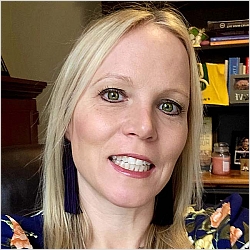
I like to create a safe and comfortable telehealth environment. In couple therapy, we will start by setting ground rules. In individual and couples work, you will not be judged but will be challenged at times.
Find a Therapist in Frederick, MD
201 results
25 miles
Accepting new clients
More results

Rachel Francis is a Licensed Clinical Social Worker (LCSW) with a Master’s in Social Work and four years of experience providing therapy in outpatient settings, both in person and via telehealth. Rachel has also worked with youth and families in home-based settings for two years. Her clinical focus includes anxiety, depression, self-harm, and support for the LGBTQ+ community.

Do you have the same fights? Does anything ever get resolved? Do you long for a simpler time when things were better between you and your partner? Do you talk only about logistics and the kids? Are you roommates and want to be lovers? Do you feel alone even though you are surrounded? Are you stuck in your relationship? I understand. I've helped numerous couples learn new skills, develop a better process for resolving differences and navigating life so that .... at minimum, you like each other at the end of the day. In my work, I include individual and couples therapy and add group therapy when the time is right. With this 360-degree view of each individual in the couple, the patient is able to see their self-defeating patterns and practice new skills in couples and groups to become a better partner. I also work with individuals in their work roles in a similar fashion.
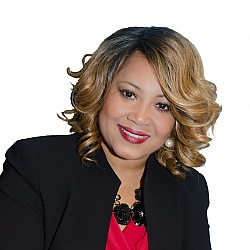
I began working in this field almost 30 years ago because I wanted to make a tangible difference in people's lives. Over the years, I have worked with countless individuals, couples, families, and groups to help them improve their quality of life. Through my experience, I have learned that: Although many may appear to be similar demographically in terms of age, race, gender, socioeconomic status, religion, etc., everyone brings hisher own individual histories to therapy -- histories that distinguish each client as a unique individual. As a result, I welcome all clients, and I recognize that each client will bring hisher own history and values to therapy. I commit to working within each individual's system of values as I try to help the individual draw from hisher history to improve hisher quality of life. My two primary metrics are: a) tangible improvements in an individual's life, and b) the individual's feelings and understanding regarding change and the process of change. Like physical therapists and coaches who are willing to challenge their athletes to perform at full potential, I am willing to challenge my clients to reach their full potential in life. But my guiding philosophy is: "challenge by choice" -- I will only as far and as fast as my clients are comfortable.

I help individuals with issues such as depression, anxiety, relationships challenges, childhood trauma, stress, and families navigating behavioral issues. I teach my clients communication skills that improve their relationships. Those skills boost my clients' power and voice, as well as their intimacy with their significant others. I rely on a number of approaches, including Gestalt, psychodynamic, cognitive-behavioral, somatic experiencing, and experiential dynamic psychotherapy. I help clients dealing with traumatic stress reduce panic, pain, numbness and hyper-arousal in response to life and relationships difficulties. I combine calming and relationship skills to help children, adolescents, and young adults reduce family discord and ADHD, and increase self-efficacy. I help my clients navigate their behaviors, emotions, cognition, and physiology. I help couples and individuals explore the ways that small changes in attitudes and stances can nurture new ways of feeling, thinking, and being in the world. I help my clients find new solutions so they can connect with a sense of joy and competence.

Do you get extra nervous around other people—especially new people or people that you do not know very well? Do you find yourself overthinking everything you say because you are worried about saying the "wrong thing"? Or after a conversation, you replay the entire conversation in your mind and get stuck on worrying that you embarrassed yourself? Perhaps there is a social activity that you would like to do, but you avoid it due to how anxious it makes you feel? Everyone can have experiences like these sometimes, but if you find that anxiety about interacting with other people is interfering with your life, then social anxiety may be the cause. If so, then I can help: I specialize in working with people who are struggling with social anxiety. First, we'll do a thorough assessment just to make sure that social anxiety is the best explanation for what you are experiencing. If it is, you will learn to identify and challenge the thoughts and beliefs that are feeding into your anxiety, reduce the power of your thoughts and feelings, gradually confront the very situations that are making you feel so anxious, and move toward your values. By doing this, you can start to feel better. While that does not always mean that your anxiety will completely go away, it means that the anxiety will likely be much more manageable—you will be able to do more of what is important to you and actually enjoy it. To help determine whether working together would be a good fit, the next step is to schedule a free, 15-minute phone consultation—no pressure, just a conversation. You can schedule online by going to my website, send me a message (best way to reach me), or give me a call. I will get back to you very quickly, usually within 24 hours!

The two of you planned a wonderful life together, but now you're wondering what happened. You feel disconnected. You know that you love one another, but your efforts to connect feel dismissed and misunderstood. You would like to show your care and appreciation without feeling rejected. You just want to communicate your needs without causing a fight. Being vulnerable can feel risky. How do you share your thoughts, fears, and joys in ways that honor your relationship? I offer a place to build a stronger relationship bridge that supports the two of you and your future together. As a Licensed Marriage and Family Therapist (LMFT), the relationship is with my client. I work with couples of all ages and stages, online or in person, and I offer couples therapy in a way that helps you care for and love each other, communicate well, and build a place where every aspect of you, mind, body, heart, and soul, can be enriched by this new way of being together.

I believe in the strength and resiliency of the human spirit and consider it an honor to work with people on a daily basis. My job is to create a safe and nurturing environment so that each individual feels comfortable and supported as they work on their personal goals. Everyone's goals are as different as the individuals themselves, and in order to honor that individuality, my approach is eclectic and personalized to each person. I always encourage and welcome feedback in order to continually ensure that the techniques being used are effective and keep progress moving in a positive direction.

I believe therapy works best when it feels like a safe and genuine conversation. My role is to listen closely, help you feel understood, and work with you to uncover patterns that may be holding you back. I draw on both psychotherapy and psychiatry, so we can address the whole picture—your thoughts, emotions, relationships, and, when helpful, medication support. I value collaboration and tailor treatment to each person’s unique story and goals. My hope is that our work together not only eases current struggles but also helps you grow in ways that feel meaningful and lasting.
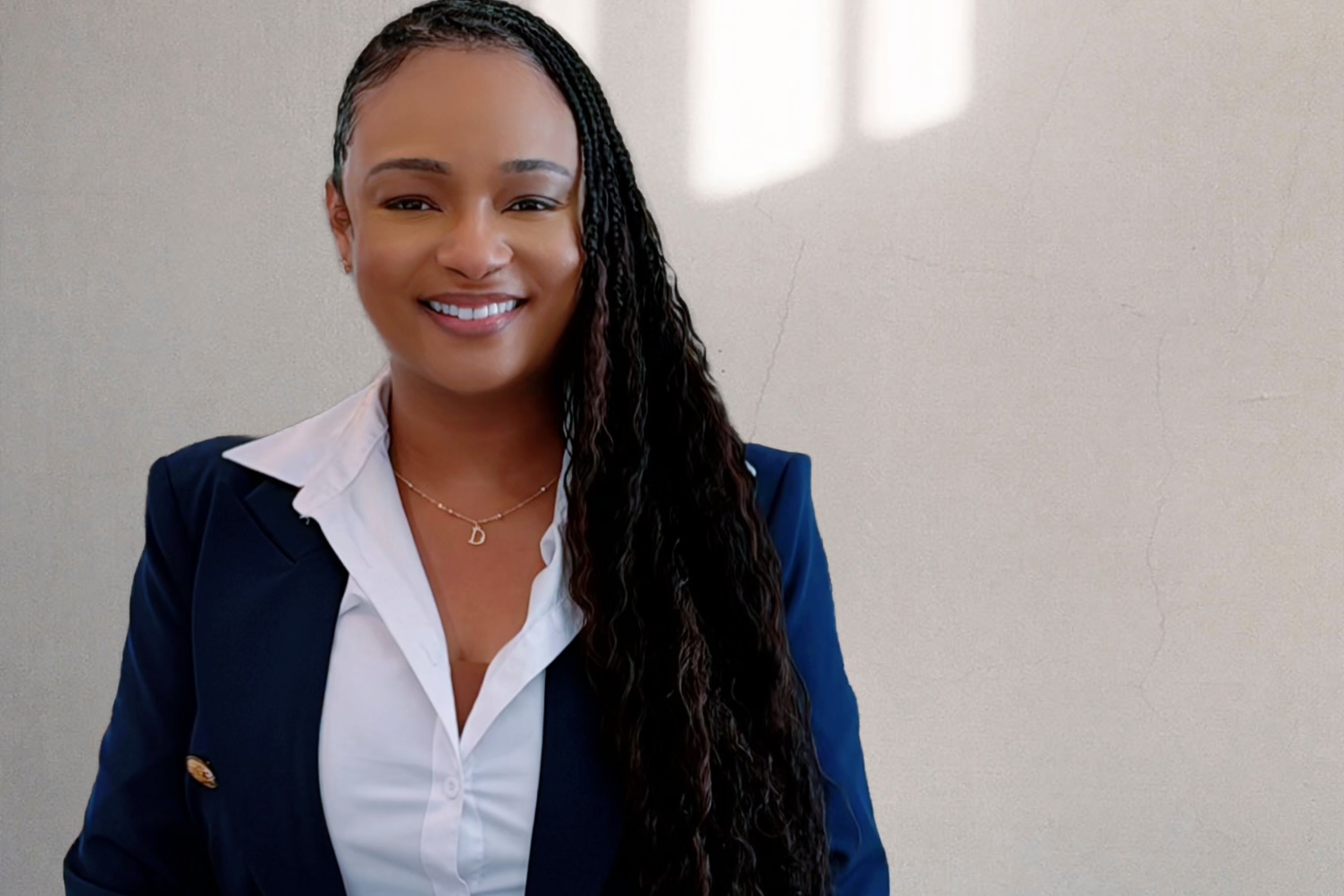
You may be used to showing up for everyone else while feeling overwhelmed, disconnected, or unsure of what you need. I offer a space where you can speak openly, feel heard, and begin making sense of what you are experiencing. My approach is warm, collaborative, and practical. I work with adolescents and adults navigating anxiety, depression, trauma, attention-deficit hyperactivity (ADHD), grief, relationship challenges, and life transitions. I have a particular interest in supporting women of color as they work through burnout, family expectations, identity, and the pressure to remain strong. Together, we will explore how your experiences, thoughts, and relationships influence your daily life. I draw from cognitive behavioral therapy (CBT), acceptance and commitment therapy (ACT), mindfulness, and emotional regulation skills, tailoring our work to your goals and needs. We may focus on strengthening boundaries, improving communication, understanding emotional patterns, or finding manageable ways to cope. I value your perspective and welcome honest feedback about what is helping and what needs to change. You do not need to have everything figured out before starting therapy. We can begin with what feels most important to you and move at a pace that supports both trust and growth.

Are you struggling to feel better about yourself and your life? We help you do that at my group practice: Four Corners Counseling & Well-Being. If you are feeling stressed and overwhelmed, or if your relationships are causing pain or confusion, we can help. We know that being an intelligent "over-functioner" does not mean it is easy to soothe emotional pain and create a balanced life. My associates and I can help you tap into your inner wisdom and strength to create the life you desire. Our practice is grounded in the Internal Family Systems (IFS) model of therapy: We are trained in IFS, the fastest growing therapy model today. As a clinical treatment, IFS has been rated effective for improving general functioning and well-being. In addition, it has been rated promising for improving phobia, panic, and generalized anxiety disorders; trauma resolution; physical health conditions; personal resilienceself-concept; and depression and depressive symptoms. Internal Family Systems can help clients learn ways to better relate to themselves, and move toward the 8 C’s of Self-Leadership: calmness, curiosity, clarity, compassion, confidence, creativity, courage, and connectedness. You CAN feel better and life the life you want to live! We can help you come home to yourself.

I have a deep regard and respect for a person who is on a healing journey. I look at each person individually. You come with your own unique life experiences and health goals. Through assessment and goal setting, we come up with your own unique treatment plan. My belief is we are total system and my approach is to support you in a Holistic matter; Body, Mind, and Spirit; using powerful tools, skill building, and compassion. My goal is to be a partner for you to achieve well-being.
The therapists listed are members of GoodTherapy and pay us a membership fee which helps support our services. By using this site you signify your assent and agreement to our terms of service.
Find a Therapist in Frederick, MD
Living in Frederick offers many advantages, from its rich historical heritage to its proximity to both Baltimore and Washington, D.C. However, the demands of modern life in this growing Maryland city can create unique stressors that impact mental health and well-being.
Whether you're navigating work-life balance in Frederick's diverse economy, managing family relationships, or dealing with seasonal changes that affect mood, professional support can make a meaningful difference. Frederick residents commonly seek therapy for anxiety, depression, relationship challenges, and trauma recovery.
Since 2007, GoodTherapy has been dedicated to connecting people with ethical, compassionate therapists who prioritize client confidentiality and work to eliminate the stigma surrounding mental health care. Our mission is to break down barriers and build bridges to accessible mental healthcare.
Mental Health Support in Frederick
Frederick residents often seek therapy for anxiety and stress related to commuting to nearby metropolitan areas, work pressures, and maintaining relationships in a fast-paced environment. The region's distinct seasons, including cold winters and humid summers, can also impact mood and energy levels throughout the year.
Local mental health concerns in Frederick County include addressing opioid addiction recovery, supporting families affected by substance abuse, and helping individuals cope with economic pressures. Many therapists in the area specialize in trauma recovery, addiction counseling, and family therapy to address these community-specific needs.
Therapy Approaches Available in Frederick
Frederick therapists utilize several proven approaches to help clients achieve their mental health goals. These evidence-based methods are tailored to meet individual needs and preferences.
Cognitive Behavioral Therapy (CBT) helps identify and change negative thought patterns that contribute to anxiety and depression. This structured approach is particularly effective for managing work-related stress and relationship challenges common among Frederick residents.
Solution-Focused therapy emphasizes building on existing strengths and resources to create positive change quickly. This approach works well for individuals dealing with specific life transitions or goal-oriented challenges.
Psychodynamic therapy explores unconscious patterns and past experiences that influence current behavior. This deeper approach can be valuable for addressing long-standing relationship patterns or trauma recovery.
Dialectical Behavior Therapy (DBT) teaches practical skills for managing intense emotions and improving relationships. Many Frederick therapists use DBT techniques to help clients develop healthier coping strategies.
Specialized Services
Many Frederick therapists offer specialized services including couples counseling, family therapy, addiction recovery support, and trauma treatment. Some practitioners provide services in multiple languages to serve Frederick's diverse population, including Spanish and French speakers.
Finding Your Right Therapeutic Match
GoodTherapy's directory makes it easy to find therapists in Frederick who match your specific needs and preferences. You can search by specialty, insurance accepted, therapy approach, and other important factors that matter to your mental health journey.
What to Consider in Your Search
When selecting a therapist in Frederick, consider factors such as location convenience, evening or weekend availability to accommodate work schedules, and specialization in your specific concerns. Many therapists offer both in-person sessions and online therapy options for added flexibility.
Take time to review therapist profiles and consider scheduling initial consultations to ensure a good therapeutic fit. The right therapeutic relationship is essential for successful outcomes.
Making Therapy Affordable
Many Frederick therapists accept insurance plans and offer sliding-scale fees based on income. Don't let concerns about cost prevent you from seeking support – contact therapists directly to discuss affordable therapy options including payment plans and reduced-fee services.
Community mental health centers and training programs in the Frederick area may also provide low-cost counseling services. Many therapists are committed to making mental healthcare accessible to all community members regardless of financial circumstances.
Expanding Your Search
If you need additional options or specialized services not available locally, consider exploring therapists in nearby communities. The greater Baltimore-Washington metropolitan area offers extensive mental health resources within a reasonable commuting distance from Frederick.
Taking the First Step
Seeking therapy demonstrates strength and self-awareness. Whether you're dealing with immediate challenges or working toward long-term personal growth, professional support can provide valuable tools and insights for creating positive change in your life.
Ready to begin your search? Learn how GoodTherapy works to connect you with ethical, qualified therapists in Frederick who can support your mental health journey. Start exploring different therapy approaches today and take the first step toward improved well-being.
Related Resources
- Online therapy options
- Affordable therapy options
- Learn how GoodTherapy works
- Different therapy approaches
Find Therapists in Nearby Cities
Frequently Asked Questions
How do I find a therapist near me in Frederick, MD?
Use GoodTherapy's directory to search for licensed therapists in Frederick. You can filter by specialty, insurance accepted, therapy approach, and location to find the right match for your needs.
What types of therapy are offered in Frederick, MD?
Frederick therapists offer various evidence-based approaches including Cognitive Behavioral Therapy (CBT), Solution-Focused therapy, Psychodynamic therapy, Dialectical Behavior Therapy (DBT), and specialized services like couples counseling and trauma treatment.
How much does therapy cost in Frederick, MD?
Therapy costs in Frederick vary depending on the therapist and services provided. Many therapists accept insurance, offer sliding-scale fees, and provide payment plans to make therapy more affordable. Contact therapists directly to discuss pricing options.
Can I find therapists who accept insurance in Frederick, MD?
Yes, many therapists in Frederick accept various insurance plans. Use our directory filters to find therapists who accept your specific insurance, or contact therapists directly to verify coverage and discuss payment options.
What mental health issues do therapists in Frederick commonly treat?
Frederick therapists commonly treat anxiety, depression, relationship challenges, work-related stress, trauma recovery, addiction issues, and family conflicts. Many also specialize in seasonal affective disorder and life transitions.