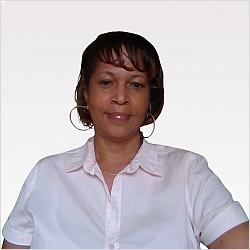
My communication style is without judgment. Meaning my clients can rest assured that they are in a non-judgmental, safe space where they can receive support and genuineness. I bring a wealth of knowledge and understanding to our sessions.
Find a Therapist in Beltsville, MD
194 results
25 miles
Accepting new clients
More results
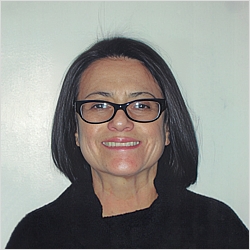
I create a non-judgmental environment and allow a safe space for the client to express their thoughts and feelings. I am a team player and comfortable with multi-disciplinary team.
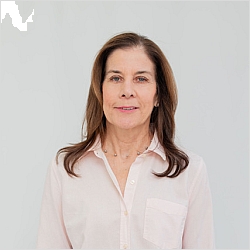
Are you stuck in a painful relationship? Are you suffering from anxiety? Or do you feel your life isn't going the way you want it to? With cognitive behavorial therapy you can learn to have more meaningful relationships, manage anxiety and enjoy a more fullfillng life. I use a psychoeducational format in which I teach you skills to become your own best emotional coach. I will help you learn to understand and feel better about yourself, better about your life. With this self-awareness and skills developed in therapy you will be able to implement healthier behaviors and realize more positive ways of living.

I believe therapy works best when it feels like a safe and genuine conversation. My role is to listen closely, help you feel understood, and work with you to uncover patterns that may be holding you back. I draw on both psychotherapy and psychiatry, so we can address the whole picture—your thoughts, emotions, relationships, and, when helpful, medication support. I value collaboration and tailor treatment to each person’s unique story and goals. My hope is that our work together not only eases current struggles but also helps you grow in ways that feel meaningful and lasting.
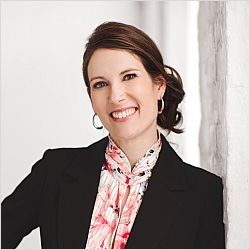
From my perspective life is about learning and growing. We have continual opportunities to learn and grow. Sometimes this means accepting ourselves and our situation with more realistic expectations- grieving or forgiving ourselves or others. Sometimes this means making a conscious choice about how we want to live differently and having the courage to make the first steps in that direction. As my mentor therapist used to say---- a therapist's role is to comfort the discomforted and discomfort the comfortable- we need both at different times. My role is to help guide you and walk with you in your journey. Thank you for the privilege and honor of walking with you and helping you navigate life in more balanced and authentic ways!
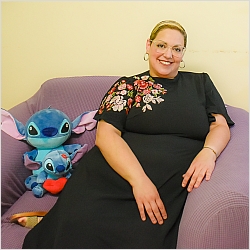
The two of you planned a wonderful life together, but now you're wondering what happened. You feel disconnected. You know that you love one another, but your efforts to connect feel dismissed and misunderstood. You would like to show your care and appreciation without feeling rejected. You just want to communicate your needs without causing a fight. Being vulnerable can feel risky. How do you share your thoughts, fears, and joys in ways that honor your relationship? I offer a place to build a stronger relationship bridge that supports the two of you and your future together. As a Licensed Marriage and Family Therapist (LMFT), the relationship is with my client. I work with couples of all ages and stages, online or in person, and I offer couples therapy in a way that helps you care for and love each other, communicate well, and build a place where every aspect of you, mind, body, heart, and soul, can be enriched by this new way of being together.
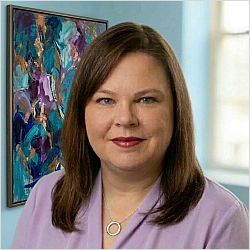
I believe that the best way to help you is to listen to the changes that you would like to make, and develop a treatment plan specific to your concerns and your personality. In many cases, no one therapeutic approach fits every one or every issue, so my goal is to make a you feel comfortable and understand more about your personal journey. The decision to pursue therapy can be difficult for many people, but it indicates that you want to change or improve certain aspects of your life, creating stronger relationships, a higher level of self-confidence, more focus and direction and many other areas for improvement.
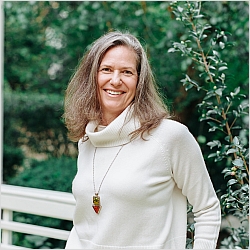
My approach to therapy is largely cognitivebehavioral, with a strong emphasis on acceptance and commitment therapy (ACT) techniques, specifically learning to be mindful- noticing and accept your thoughts, feelings and physical sensations- while committing to behavior that is consistent with your own values. My experiences both in and out of the work setting are fairly broad so I feel I can address most issues clients present with. My style is engaging and supportive. I view our relationship as a partnership. I will spend the majority of our first sessions together listening to get to know you better. I believe that everything in our lives is interrelated, so at times I may let our focus move to whatever is particularly troubling to you that day. At other times, I may focus you back on the current problem we are trying to solve. I am married with two children and have had two career changes. I have experienced a wide variety of life stressors and have sought help when needed. I believe that these experiences have provided me with empathy, perspective and coping skills that I can use to help you.
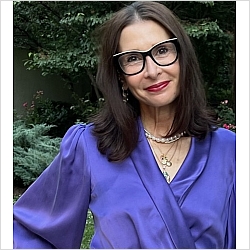
Offering therapy that is insight oriented as a first step to healing. A structure of non-judgement, consistency and a strong client-therapist relationship are important pieces. This relationship is used as a tool to help make sense of and improve various emotions, thoughts, behaviors and patterns that may have become disruptive or problematic. Through guided exploration, the goal is to understand their influence on the way in which we experience ourself in the world.

Hi there. Glad you stopped by! I really love the work that I do, and I’m very lucky to get to meet people in moments of vulnerability. Over the years, I’ve worked with people going through depression, anxiety, trauma, as well as grief and loss. My particular niche is working alongside men individually, who often carry a significant internal burden that they may rarely talk about, or even have words for. Therapy can provide a space to put some of that weight down, make sense of it, and learn how to express what is really going on beneath the surface. I also very much enjoy working with couples. Having myself been married since 2015, my own relationship has taught me a great deal about communication, vulnerability, conflict, and the work it takes to build a lasting relationship. Those experiences led me to embrace the Gottman Method, a therapeutic orientation that focuses heavily on intentionality.

Danielle Ginter is an Advanced Practice Registered Nurse (APRN) and a Psychiatric Mental Health Nurse Practitioner (PMHNP) in Virginia, with over 7 years of experience assisting adults who need help coping with anxiety, depression, insomnia, stress, trauma, and posttraumatic stress (PTSD).

My work combines my personal knowledge and experiences of the special challenges and gifts that define the creative experience with insight work and mindfulness-based psychotherapy. I've worked with writers, musicians, dancers, painters, computer programmers, tattoo artists, and more, to help them work through creative issues, relationship problems, anxiety, and many other concerns. In my experience, people who have spent their lives developing their creativity have a unique skillset which is often overlooked as a place from which to draw strength and guidance in building relationships, coping with stress, and making life decisions. I tend to focus on strengths: you might be surprised at what you already know. You can read more about my work with creative people at my external site, linked at left.
The therapists listed are members of GoodTherapy and pay us a membership fee which helps support our services. By using this site you signify your assent and agreement to our terms of service.
Find a Therapist in Beltsville with GoodTherapy
It’s normal to experience mental health issues and relationship problems. Talking to a licensed therapist can help. Therapy can teach you more about yourself and your mental health concerns in a healing way. Many therapies are evidence-based and have been proven effective.
Since 2007, GoodTherapy has helped people like you connect with ethical, compassionate counselors and therapists. The therapists listed above, who practice therapy in Beltsville, are trained to protect client confidentiality and privacy. In keeping with our high membership standards, these mental health professionals are also committed to eliminating the stigma that keeps many people from seeking help.
Beliefs about how much therapy costs may deter some people from finding a therapist. It’s a good idea to contact therapists you’re interested in and ask about insurance, sliding-scale fees, payment plans, and other options to stay within your budget.
Rest assured there are qualified therapists in Beltsville who can treat a variety of concerns, including family conflict, relationship issues, anxiety, or depression. With our directory, the right therapist is easy to find.
List Your Practice on GoodTherapy
Are you a therapist or mental health professional looking for new ways to get referrals and market your practice in Beltsville? Keeping up to date with professional requirements and increasing your online presence are just two of the many benefits of joining GoodTherapy. Start connecting with clients and earning online continuing education credits today!