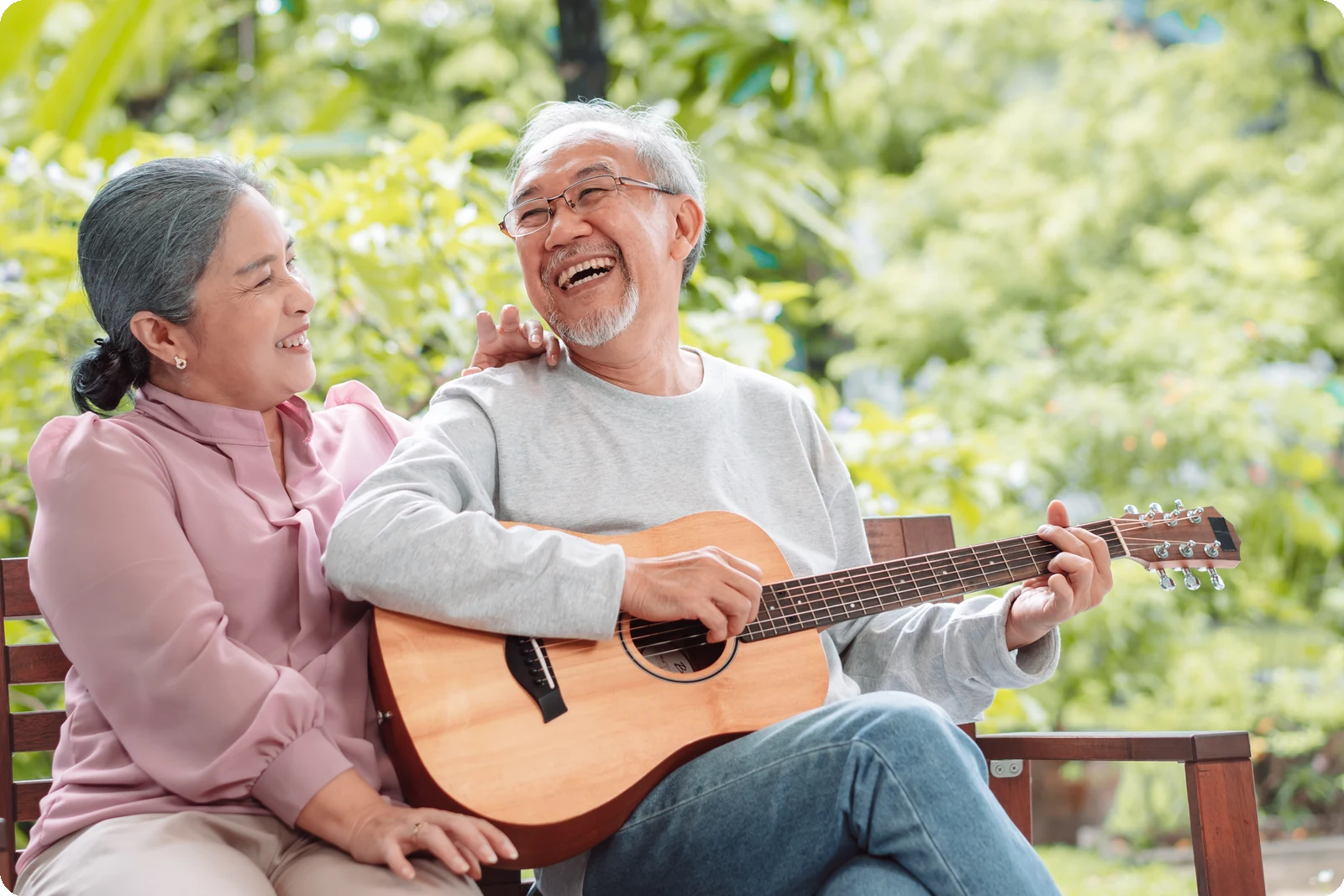
Senior years mental health often brings a need for tender compassion. As life experiences resurface in our thoughts, we can feel overwhelmed with love. We can also return to difficult feelings of pain, regret, longing, or forgiveness of self or others. These senior years can help us harmonize the life lived so far.
In this blog
Tender compassion in senior years
When the body and pace of life change
Tender Compassion in Senior Years Mental Health
Senior years can bring spiritual experiences that feel unfamiliar. Some people may feel the presence of the Divine in a new way. Some may sense that the past and future are still present, or that life has happened very quickly, like a shuffled deck containing a multitude of memories.
Having words for these experiences can help. For many people, tears, laughter, memory, prayer, and gratitude are not problems to erase. They can be gifts of life and invitations to understand what has mattered. At the same time, strong distress, depression, anxiety, grief, or isolation deserve care and support.
Key insight
More tears, more laughter, or more reflection may be signs that something inside is asking to be received with patience instead of rushed away.
Support can make that reflection safer and less lonely. Older adults who notice depression, anxiety, grief, or isolation can talk with trusted people, a therapist, or resources such as the National Institute of Mental Health page on older adults and mental health.
Need support with aging, grief, or life review?
A therapist can help you sort through memory, meaning, and changing needs with care. You can find a therapist through GoodTherapy.
When the Body and Pace of Life Change
Senior years also tend to bring practical changes. There may be more body concerns to address and more trips to medical practitioners, no matter how well someone has cared for the body. The ability to move as fast, handle as much outside stimulation, or complete the same number of daily tasks may be tempered.
Our bodies may ask for more detailed input: meditation, supplements when recommended by a qualified professional, new kinds of exercise, different foods, more rest, or different rhythms. Developing a very kind way of accepting ourselves is deeply valuable in this time of living.
Talking to ourselves in a positive way, embracing the experiences we are having as valid and valuable, and responding to new needs can be self-supporting. It may also leave ripples of peace for others. More time alone, naps, swims, meditations, forest walks, time with animals, putting hands in the earth, or anything else the body, mind, and soul ask for can become important.
A gentler rhythm
Notice the need -> name it kindly -> respond in one realistic way -> let the response be enough for today.
Energy that once went mostly to helping and supporting others may now be asked to return to the self. In that sense, we may become our own baby, child, and adolescent again. Humor, sweetness, tenderness, and deep patience can become friends. If those qualities are hard to access alone, receiving them from a practitioner, book, friend, or community can be beneficial.
If we were prone to push, we may need to rest instead. If we avoided life by putting things on hold, we may need to become more proactive. Dreamers may be forced to be more practical, and analytical people may be invited to dream more. Senior years mental health often asks for balance in new ways.
GoodTherapy has additional reflections on aging gracefully with wisdom, navigating life transitions, and practicing self-compassion.
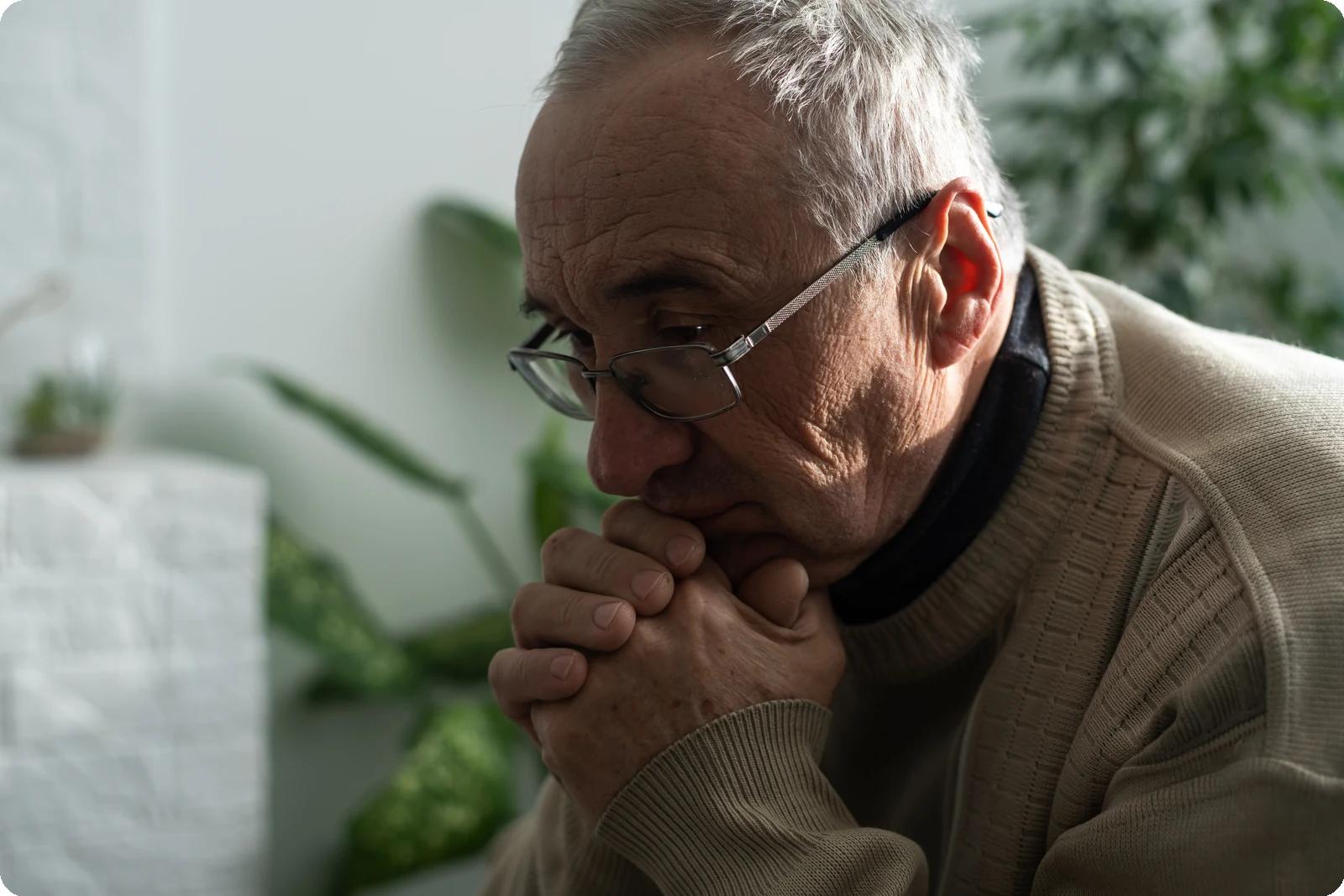
Gentle Questions for Senior Years Mental Health
Senior years mental health is not only about solving problems. It is also about asking questions that help the self feel accompanied. The questions below come closely from the author’s original reflection and are meant to be used slowly, one at a time.
Questions to ask yourself
| 01 | Can I be kinder to myself today? |
| 02 | Can I appreciate this moment now, with all its grace and challenges? |
| 03 | Can I be grateful to life in the face of disappointments, with a body and mind that do not work the way they used to? |
| 04 | What can I do to nourish wellness, strength, flexibility, and vitality? |
| 05 | After noting what needs healing, will I allow myself to dwell on what is good? |
| 06 | When overtaken by happy tears, good memories, and gratitude, can I let myself rejoice? |
| 07 | When past unhappy experiences feel strong, can I bless, forgive, and let be, even if I need to repeat the process many times? |
| 08 | What do I need now: to cuddle my cat or dog, put my hands in the earth, take a breath, pray, rest, or reach out? |
These questions are not a test. They are invitations. The aim is not forced positivity. It is to make room for tenderness, disappointment, joy, regret, gratitude, and care to sit at the same table.
If memories of loss feel especially strong, reading about supporting someone through grief may help name what is happening. For broader healthy aging information, MedlinePlus offers a healthy aging overview, and the American Psychological Association discusses social isolation as a mental health concern.
Honoring the Tasks of This Season
For people who use spiritual language, senior years can invite questions about incarnational worth: what we came to share, generate, serve, love, and experience. This reflection does not need to become judgment. Satisfaction with self and internal amends for regrets can both be wholesome parts of the life review process. We are an artwork and a play in motion.
Senior years are powerful. Some people are still working diligently. Some are caring for grandchildren, returning to hobbies, taking time to socialize, developing a new couple-ship or sharing a long-term one, pursuing travel, resting, grieving, or rejuvenating. All of this can filter through consciousness at once.
Ways to make the most of senior-year tasks
Receive thoughts, feelings, and memories with gratitude as a practice, not a perfected task.
Create new positive experiences in the now.
Share sacred feelings and thoughts with the closest people you trust.
Cherish and pray for those who have left the body.
Respectfully notice the new energies and ways younger generations are bringing in.
Honor animals, gardens, children, elders, adolescents, middle-aged adults, and the communities that shape your world.
Whether this is your senior-year time, or you are younger and already noticing some of these experiences, the central questions remain gentle ones. What is most important to you? What do you value? What did you come to share, generate, and experience?
Keeping gratitude first in the heart may benefit others. It may also benefit the self. In senior years mental health, gratitude does not erase hardship. It can become a companion that helps hardship be carried with more peace.
A gentle next step
If aging, grief, isolation, spiritual reflection, or changing identity feels difficult to hold alone, you can search for a therapist who supports older adults, life transitions, grief, or spiritual concerns.
Frequently Asked Questions
 |
About the Author Laurie Moore, Licensed Marriage and Family Therapist, PhDEMDR, Hypnotherapist, IFS, Somatic Therapist, Expressive Art Therapist Laurie Moore is a GoodTherapy member therapist in Santa Cruz, California, who works with grief, life transitions, trauma, relationship concerns, and people in healing professions. Her original reflection on navigating senior years centers compassion, spiritual experience, self-kindness, and honoring the many stages of life. |
 This blog is for all of you that have a complicated relationship with aging. As I type, I realize that statement is silly because we all do (right?)! None of us likes to come face to face with the reality that we’re slowing down. Whether it’s mental sharpness and memory, or physical strength and balance, aging gracefully with wisdom requires acknowledging these natural changes while discovering the profound gifts that come with each passing year.
Quick Insight: Research shows that maintaining positive perspectives on aging is associated with better cognitive function, increased longevity, and improved overall health outcomes.
It may mean dealing with disease or disability. After all, who wants to wake up with back pain or soreness in joints? None of us wants to take endless visits to doctors to deal with organs that worked just fine a few short years ago! It’s also difficult to give up meaningful activities because we can no longer physically or mentally enjoy them.
The Reality of Physical Changes: Accepting What We Cannot Control
So how are we to approach this inevitable truth in life? We all deal with aging gracefully with wisdom in one way or another, whether you’re in your 40’s or in your 80’s. My personal “go to” is complaining (to anyone who’ll listen) that I can’t run like I used to. I imagined being one of those older guys that runs ultramarathons all around the country. Apparently, my body didn’t agree with this plan. What have you had to give up?
According to research published in the Journal of Health and Social Behavior, life transitions, including aging, are associated with increased psychological distress, even when the changes themselves aren’t inherently negative. This means that even positive aspects of aging can feel uncomfortable at first.
The Unexpected Gifts of Aging Gracefully with Wisdom
Fortunately, getting older has its advantages as well. Aging is more than just physical change or the passage of time. As we age, we experience life. We can be more mindful of the positive changes that come along with aging gracefully with wisdom, the most obvious being that it beats the alternative (attempt at a little humor there)! Humor aside, consider these profound positives of aging:
1. Wisdom: The Pearl Beyond Price
With life experience comes wisdom. The National Institute on Aging research indicates that older adults often develop enhanced emotional regulation and improved decision-making capabilities. Maybe to be more present, maybe to prioritize or focus on important activities or relationships, or to appreciate small things.
As noted by Jean Shinoda Bolen in her work on aging and spirituality, wisdom represents the culmination of lived experience, bringing with it an inner directedness and self-acceptance that younger years simply cannot provide.
2. Let Go: Freedom from Others’ Opinions
We can let go of what others think. As a young person we spend so much time trying to impress everyone. With age, it’s nice to take this off our plate. Work from the MacArthur network emphasized factors that help people maintain good mental and physical functioning into old age.
Did You Know?
Studies show that individuals who embrace aging rather than fight it experience up to 7.5 years longer lifespan and significantly better quality of life. Acceptance, not denial, is the key to aging gracefully with wisdom.
3. Deeper Faith: Spiritual Growth and Discovery
Along with wisdom, perspective, and experience comes our desire to know “who” we are. We question and explore our “why” which leads down the road of spiritual discovery and deeper faith. Research published in the journal Psychology and Aging demonstrates that spirituality often increases with age and serves as a powerful protective factor for mental health.
According to a comprehensive study cited in AARP Magazine, 80% of adults report that spirituality became more important over the course of their lives. This isn’t about fear, it’s about finally having the time, perspective, and emotional maturity to explore life’s deepest questions.
4. More Freedom: Time Becomes Yours
We tend to have more freedom (time and hopefully finances) when we are older. The post-retirement years offer opportunities many younger people can only dream about: traveling, pursuing hobbies, volunteering, or simply enjoying unhurried mornings with a good book.
5. Less Responsibility: A Lighter Load
We also tend to have more time to do things we want to do, spend time with people we care about, volunteer, and enjoy the newfound wisdom. The demands of career-building and child-rearing have eased, creating space for activities that truly fulfill us.
6. Deeper Relationships: Quality Over Quantity
With age, we tend to have longer, deeper relationships. The Harvard Study of Adult Development, one of the longest-running studies on happiness, conclusively demonstrates that the quality of our relationships is the strongest predictor of life satisfaction and longevity. As we age, we naturally prune superficial connections and invest in relationships that truly matter.
Pro Tip: The “Blue Zones” Approach
Communities with the highest number of centenarians share common traits: strong social connections, regular physical activity, plant-based diets, and a sense of purpose. Embracing these principles supports aging gracefully with wisdom at any stage of life. Learn more at Blue Zones.
Overcoming the Challenges: When Aging Gracefully with Wisdom Feels Hard
Despite these advantages, aging can feel overwhelming at times. You might be dealing with chronic pain, mobility limitations, or cognitive changes that challenge your sense of self. According to Geriatric Mental Health Care expert Gary J. Kennedy, MD, “the continuance of wellbeing into late age depends on the life pattern of each person,” meaning that acceptance of aging, rather than fighting it, correlates with better outcomes.

The key is reframing our relationship with aging. Research from How We Die by Anne Karpf reveals that ageism itself creates self-fulfilling prophecies. In cultures where aging is respected and valued, older adults perform better on cognitive tests and report higher life satisfaction than in cultures that devalue age.
The Power of Prayer and Faith in Later Life
Most importantly, no matter how we feel, we can always pray. If you ever feel weak or find yourself struggling for purpose, reflect on James 5:13-18 and remember the power of prayer. Sometimes, quieting life allows us to do what matters most.
Prayer and spirituality serve as powerful coping mechanisms during life’s transitions. A 2010 pilot study on spirituality-based interventions for generalized anxiety disorder found significant reductions in both psychic and somatic symptoms.
According to the APA, approximately 49% of U.S. adults reported praying about health. While the scientific community debates the mechanisms, what’s clear is that for those with faith, prayer provides comfort, connection, and a sense of meaning that supports aging gracefully with wisdom.
You’re Never Too Old for Growth and Change
One of the most empowering truths about aging is that you’re never too old to benefit from personal growth, therapy, or self-discovery. Research consistently shows that older adults can and do change, often with greater success than younger individuals because they bring decades of self-knowledge to the process.
Until you take your last breath, you are capable of change. Cognitive, emotional, and behavioral shifts are all still within your grasp, maybe even more so than when you were younger.
Moving Forward: Practical Steps for Aging Gracefully with Wisdom
Here are evidence-based strategies to help you embrace aging with grace:
Stay Physically Active: Even gentle movement like walking, yoga, or swimming supports both physical and mental health. The CDC recommends 150 minutes of moderate activity weekly for older adults.
Nurture Relationships: Invest in meaningful connections. The Harvard Study of Adult Development proves that relationship quality matters more than any other factor for happiness and longevity.
Challenge Your Mind: Engage in mentally stimulating activities. Learn a new language, take up a musical instrument, or tackle crossword puzzles regularly.
Cultivate Spirituality: Whether through organized religion, meditation, nature connection, or prayer, nurturing your spiritual life provides meaning and resilience. Explore our resource on why we value religion more as we age.
Practice Gratitude: Research shows that gratitude practices reduce depression and increase life satisfaction at any age.
Seek Support When Needed: There’s no shame in asking for help, whether from healthcare providers, therapists, or community resources.
Conclusion: Embracing Your Journey of Aging Gracefully with Wisdom
Aging is not a problem to solve, it’s a journey to embrace. While the physical changes may challenge us, the gifts of wisdom, deeper faith, meaningful relationships, and hard-won perspective make life richer than ever before.
As you navigate this chapter of life, remember that you’re not alone. Millions of people are discovering that aging gracefully with wisdom isn’t about denying change, it’s about embracing the fullness of who you’ve become and who you’re still becoming.
Pray on, stay connected, and remember: every day is an opportunity to grow, love, and live with purpose.
Ready to Embrace Aging Gracefully with Wisdom?
You don’t have to navigate the challenges and opportunities of aging alone. Professional support can help you discover the profound gifts that come with life’s later chapters while developing coping strategies for physical and emotional challenges.