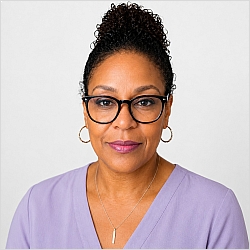
Rita LaBrew, License Marriage and Family Therapist

Rita LaBrew, License Marriage and Family Therapist

Manhattan, New York
VerifiedFeaturedTelehealth Available

Professions: Marriage & Family Therapist

Languages: English

Telephone: 814-884-3147

My Approach to Therapy

My philosophy is that therapy is an introduction to yourself. It is an invitation to become curious about who you were before life began reshaping, remolding, and programming you. That person is still there, waiting to be understood when you are ready to dig a little deeper. My clinical work is grounded in my graduate education in marriage and family therapy, along with ongoing training in trauma, attachment, and the ways early experiences shape adult life. I integrate psychodynamic therapy and psychoeducation to help clients better understand how past experiences, unconscious patterns, family-of-origin dynamics, and present challenges influence their emotions, relationships, and behavior. Drawing from my experience in foster care, child welfare, private practice, and telehealth, I offer a reflective space for adults and couples who want to explore anxiety, depression, trauma, relational patterns, sexual assaults, child abuse, and the parts of themselves they have had to silence or protect. My work is rooted in curiosity, insight, honesty, and compassion. I do not believe therapy is about becoming someone new as much as it is about returning to yourself with greater clarity.

My Practice & Services

My strengths include careful observation and deep listening, informed by years of clinical and personal experience. I use these skills to help clients identify patterns, gain self-understanding, and feel supported. I also provide psychoeducation and recommend relevant readings or resources to encourage reflection and growth between sessions.

My View on the Purpose of Psychotherapy

Not every story you've been told about yourself is true. Some were written by people who never really knew you, and others were written by the version of you that was simply trying to survive. I see psychotherapy as a space for truth, reflection, and deeper self-understanding. Many people come to therapy because something in their life feels painful, repetitive, or no longer fits who they are. While relief from emotional pain is important, I also believe therapy is an opportunity to question the narratives that have shaped us. Some of those narratives were created by parents, partners, communities, or society. Others were written by us as we tried to make sense of difficult experiences. Together, we explore which beliefs still serve you and which may no longer be true. Psychotherapy is not about fixing someone as though they are broken. It is about understanding how life experiences, unconscious patterns, and protective strategies have shaped the way you think, feel, and relate to others. Sometimes the very qualities that helped us survive become the obstacles that keep us from fully living. The purpose of therapy is to become curious, challenge old assumptions, and make room for a more honest understanding of yourself. My hope is that clients leave therapy not as different people, but as people who know themselves more deeply and are free to write a truer story moving forward.

How My Own Struggles Made Me a Better Therapist

My own life experience has deepened my respect for how layered emotional pain can be and how much courage it takes to seek help. It has taught me that healing is rarely quick or linear, and that meaningful change often begins with honesty, reflection, and compassion. That understanding helps me meet clients with steadiness, curiosity, and respect for the work therapy asks of them.

Expertise & Specialties

Age Groups I Work With

AdultsElders

Groups I Work With

Anxiety & Depression: Persistent worry, emotional heaviness, overthinking, or disconnection that may show up as restlessness, exhaustion, irritability, or trouble sleeping. Couples Therapy: A space to understand the patterns between you, strengthen communication, and build a more grounded connection. Trauma & Family-of-Origin Patterns:A space to understand how earlier experiences still echo through your emotions, identity, and relationships. Sexual Abuse Recovery: Compassionate support for processing the emotional, relational, and psychological impact of sexual abuse, with care for both the wounds and the resilience that followed. LGBTQ+ Clients: A welcoming, reflective space for LGBTQ+ adults exploring identity, relationships, belonging, or personal growth.

Concerns & Challenges Addressed

AnxietyDepressionLGBTQ+ (Lesbian, Gay, Bisexual, and Transgender) IssuesPosttraumatic Stress / TraumaRacismSexual Assault / Abuse

Therapeutic Approaches & Evidence-Based Methods

Cognitive Behavioral Therapy (CBT)Gottman MethodMotivational Interviewing PsychodynamicTrauma-Focused Cognitive Behavioral Therapy (TF-CBT)

Industries & Communities

BIPOCEducationFirst Responder/Medical ProfessionalsLGBTQ+Military/Law EnforcementUnion First

Location & Contact