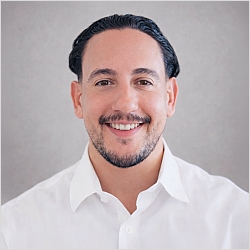
Michael Montero, Licensed Clinical Social Worker, Licensed Independent Clinical Social Worker
New York City, New York
VerifiedTelehealth Available
Professions: Counselor, Psychotherapist, Social Worker
Languages: English
Telephone: 929-556-4259
Website: Visit Website
My Approach to Therapy
If life feels overwhelming, you’re questioning aspects of your identity, or you’re ready to focus on your healing, therapy can offer a space to pause and reflect.
In our work together, I aim to create a supportive, nonjudgmental environment where you can explore your experiences, gain insight into recurring patterns, and consider new ways of understanding yourself and your relationships. We’ll also acknowledge how larger systems and everyday contexts influence how you move through the world.
Choosing a therapist is a personal and meaningful decision. If this approach feels aligned with what you’re looking for, I invite you to reach out to schedule a free 15-minute video consultation. I’d be glad to connect and see if we’re a good fit.
How My Own Struggles Made Me a Better Therapist
Growing up Puerto Rican and Queer in New York City, I learned early what it meant to occupy multiple worlds at once, and to feel like you fully belonged to none of them. I navigated the expectations of my culture and family while quietly holding a part of myself I did not yet have language for. I understood, long before I became a therapist, what it feels like to shrink yourself to fit a space that was not built with you in mind. That experience of living between cultures, between identities, between who I was and who I was expected to be is not something I left behind when I entered the therapy room. It is something I carry into it every single day, because I know it is something many of my clients are carrying too.
My path into this work was not a straight line, and I think that matters. Before becoming a clinician, I spent years working in advocacy and health policy, including serving as Director of Health Policy and Advocacy at the Latino Commission on AIDS. That work brought me into direct contact with the ways systemic failures whether its racism, homophobia, poverty, and inadequate access to care show up not as abstract policy problems but as real suffering in real bodies. I saw how communities I loved and belonged to were being failed by systems that were supposed to protect them. That radicalized me in the best possible way. It taught me that healing is not a politically neutral act, and that you cannot separate a person's mental health from the conditions in which they are living. I carry that truth into everything I do clinically.
I have also done my own work in therapy, in community, and in the ongoing, sometimes uncomfortable process of understanding myself. I know what it is like to sit with shame about parts of your identity that the world has told you are wrong, broken, or too much. I know what it is like to navigate grief, to question your own worth, to reach for connection, and pull back at the last moment because vulnerability felt too risky. Those experiences have not made me a perfect therapist. What they have made me is a more present one and someone who does not need you to explain why healing feels complicated, because I have lived some version of that complication myself. When I sit with a client who is learning to unmask, or grieving the family acceptance they deserved and never received, or trying to reconcile the person their culture expects them to be with the person they actually are, I am not approaching that from a clinical distance. I am approaching it with recognition.
That is ultimately what I want every person who works with me to feel. That they do not have to translate themselves for me. That their full identity, their full history, and their full complexity are not only welcome in this space but are exactly what this space was built for.
Expertise & Specialties
Age Groups I Work With
AdultsElders
Groups I Work With
Anxiety and depression
Relationship issues
LGBTQ+ identity
Racial and cultural identity
ADHD and autism
Sexual health
Ethical non-monogamy
Therapy Services & Specialties
Concerns & Challenges Addressed
AnxietyAutism SpectrumHIV / AIDSIdentity IssuesInattention, Impulsivity, and Hyperactivity (ADHD)LGBTQ+ (Lesbian, Gay, Bisexual, and Transgender) IssuesMen's IssuesPolyamory / Nonmonogamous Relationships
Therapeutic Approaches & Evidence-Based Methods
Cognitive Behavioral Therapy (CBT)Dialectical Behavioral Therapy (DBT)Motivational Interviewing Relational Psychotherapy
Industries & Communities
BIPOCLGBTQ+