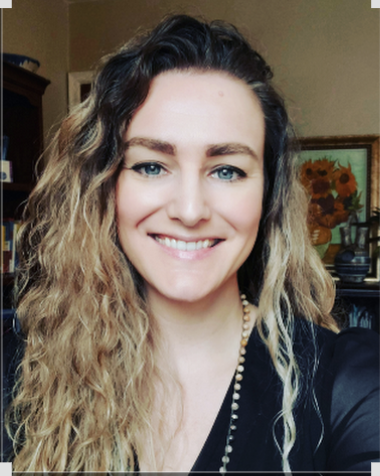
My Approach to Therapy
As a high-functioning neurodivergent adult, you have mastered the art of masking, but it's costing you everything, leaving you completely burned out with nothing left for yourself at the end of the day. As an AuDHD adult myself, I know firsthand the exhaustion that comes from trying to fit into spaces that weren't designed for our brains; of melting down at the end of the day because you have nothing left to give and feeling ashamed of not being able to keep up with neurotypical peers. If this sounds familiar, I want to hear from you. I help neurodivergent adults recognize subtle signs of neurodivergent burnout; build better tools and skills that protect your physical and mental wellbeing, lessen sensory overwhelm, and find peace and quiet in your mind and body.
One of the most important things to understand about neurodivergent burnout is that it generally isn't resolved by getting better at managing your time, becoming more disciplined, or learning to tolerate more discomfort. These are the things neurotypical people tell us to do and when we inevitably fail, we feel even worse, and the burnout continues. ND burnout is fundamentally about reducing the chronic mismatch between what a neurodivergent person's nervous system and brain need and what their environment, responsibilities, and expectations demand.
One of the first things I do with clients is help them understand the interconnectedness of their experience in order to see the full clear picture of where, how, why, when, and with whom burnout is showing up. With my help, you will learn to reduce the demands that are consuming disproportionate energy and learn to identify the social expectations, masking, sensory input, task-switching, decision fatigue, and executive-function demands that contribute to your exhaustion. Together we'll determine what can be eliminated, reduced, delegated, or accommodated. I do this with proven therapeutic modalities like DBT, CBT, Narrative Therapy, and Somatic Experiencing.
Second, we'll address sensory and physiological needs. We'll work with ways to reduce sensory overwhelm, build in genuine opportunities for rest and solitude, and create environments where you don't have to constantly monitor yourself or respond to others.
Third, reduce masking and the pressure to perform neurotypicality. Practice communicating more directly, allowing yourself to stim, requesting accommodations, and spending time with people around whom you don't have to constantly edit yourself.
Fourth, rebuild executive functioning through external support rather than more self-discipline. Simplify routines, reduce decisions, use reminders, automate repetitive tasks, and break responsibilities into manageable steps without creating additional demands.
Fifth, address the emotional consequences of chronic overwhelm. Explore the shame, internalized ableism, perfectionism, and negative beliefs that can develop from years of struggling to meet expectations that don't accommodate your neurotype.
Finally, change the conditions that contributed to burnout in the first place. Rest alone isn't enough if you return to the same unsustainable expectations, environments, and demands that depleted you.
My Practice & Services
neurodivergent burnout therapy, high-functioning autism burnout, ADHD burnout treatment, neurodiversity-affirming therapist, relational life therapy, couples therapy, couples counseling for neurodivergent adults, relationship therapy, adult autism therapy, adult ADHD specialist, twice-exceptional 2e adults, medical professional burnout, engineer burnout therapy, entrepreneur mental health, small business owner stress, high-achieving professional therapy, over-functioning cycle, practical coping skills for burnout, distress tolerance techniques, emotion regulation for adults, setting boundaries in relationships, nervous system regulation, skill-based therapy, mindfulness for stress management, telehealth for burnout, online therapy, neurodivergent therapist, LGBTQ+ neurodivergent therapy, queer affirming therapist, neurodivergent LGBTQ adults, LGBTQ burnout support.
Specific Issue(s) I'm Skilled at Helping With
Neurodivergence (ADHD, Autism, OCD), trauma (CPTSD, PTSD), couples counseling, religious abuse, burnout, chronic stress, interoceptive awareness, nervous system regulation, attachment theory, masking, emotion regulation, social anxiety, panic attacks, .