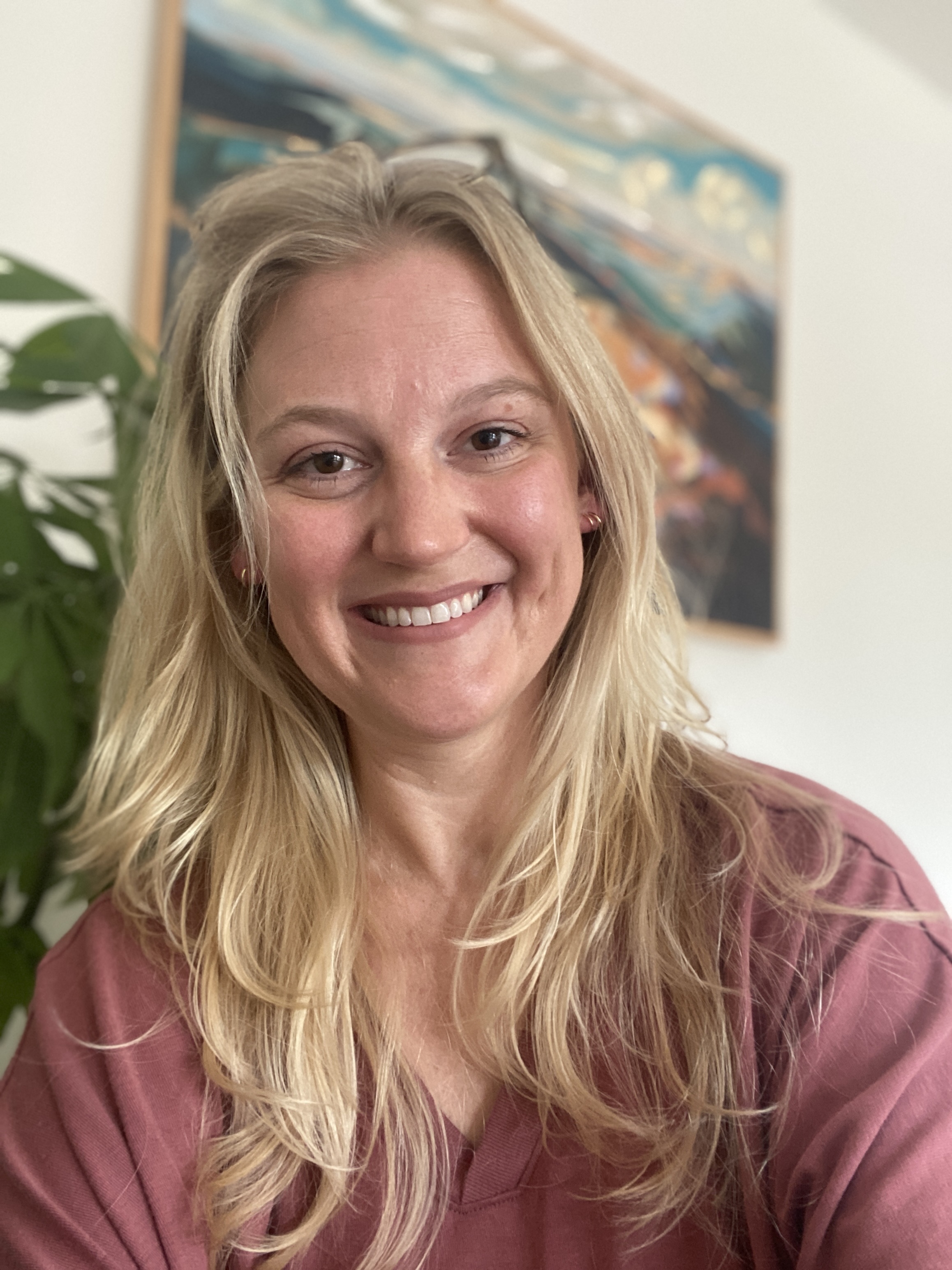
Kristina Young, LCMFT
Overland Park, Kansas
VerifiedTelehealth Available
Professions: Marriage & Family Therapist
Languages: English
Telephone: 417-281-0830
Website: Visit Website
My Approach to Therapy
As a licensed marriage and family therapist, I specialize in helping individuals across Kansas living with anxiety, OCD, panic, and trauma-related concerns by harnessing the power of evidence based intervention grounded in safe relationship. I think about how a person operates within a context and how their symptoms today, however problematic, may have served them in the past. I use Cognitive Behavioral Therapy, Exposure with Response Prevention, Acceptance and Commitment Therapy, Internal Family Systems, and other mindfulness-based techniques—modifying these approaches to suit your needs best. I work with young adults and adults via telehealth, with plans to offer an in-person office location in the future as my practice grows. I'm currently accepting new clients for telehealth sessions and am hopeful for the opportunity to support you.
My Practice & Services
I serve clients located anywhere in the state of Kansas via telehealth teletherapy.
You might want to reach out for a consultation with me if:
-You suspect you might have obsessive-compulsive disorder (OCD)
-You have an established OCD diagnosis and are looking for targeted treatment
-You are the family member or partner of a person with OCD looking to better support them
-You struggle with anxiety, panic, or specific fears phobias
-You suspect you might be living with symptoms of post-traumatic stress, such as: hypervigilence, intrusive thoughts memories, nightmares, high anxiety distress in response to certain cues or triggers, flashbacks, a tendency to avoid anything that evokes unwanted thought or feelings, persistent self-blame, detachment, or other negative feeling states, etc.
You don't have to live with these challenges alone. We have tools that can help!
FAQs
• Do you offer virtual sessions? Yes. While I do have plans to open a physical office as my practice grows, right now I offer virtual sessions exclusively.
• What happens in the first session? Ideally, we've already had a 15-30 minute consultation to confirm that I'm a good fit for you. The first session is about exploring what you hope to gain from therapy while also getting to know each other. I'll spend some time talking about practice policies as well as outlining my legal and ethical duties to you as part of the informed consent process, and I'll ask you to tell me what your hopes are for our time together. I'll begin asking more detailed questions about your current concerns, and by the end I'll propose some initial ideas about how we might approach your goals.
• How often do sessions typically occur? Typically, clients meet 1x week to begin, adding or tapering off session frequency as needed.
• How can someone know if you are the right fit? Increasing self-trust is often a fringe-benefit (or maybe primary benefit!) of therapy, and it begins in our first few sessions as you decide whether or not I'm the right fit for you. Only you can know if you feel safe and comfortable with someone. If it's not me, we'll work together to find someone else- ultimately, I just want you to get the support you need.
My Therapy Focus
For both personal and professional reasons, I am extraordinarily passionate about the treatment of obsessive-compulsive disorder (OCD). People with OCD tend to be deeply feeling, complex thinkers and "noticers" of that which is often missed by others. It is in accordance with that complexity and sensitivity that I utilize a combination of complimentary evidence-based practices (i.e., CBT, ERP, ACT) to support clients with OCD in achieving their therapy goals. What is somewhat unique about my approach is the way that I think and talk about OCD parts, which are often mislabeled as "monsters" or "bullies." In my personal and professional experience, I haven't found demonizing OCD symptoms to be particularly helpful. Instead, I support clients to befriend all parts of themselves, including OCD parts. Once their historical function is better understood, these OCD parts will often loosen their hold, allowing a client increased freedom and emotional agility.
My View on the Nature of 'Disorders'
I believe that, as Dr. Becky Kennedy says, "All symptoms in adulthood were once adaptations in childhood." I see a "disorder" as a constellation of symptoms that were once helpful but may have outlived their helpfulness as a person ages. If these symptoms or adaptations can be honored and understood, rather than pathologized, within the context of a safe relationship, they can be transformed.
Expertise & Specialties
Age Groups I Work With
AdultsElders
Groups I Work With
Individuals with suspected obsessive-compulsive disorder (OCD), young adults and adults with previously diagnosed OCD, adults experiencing anxiety and or depression, adults experiencing panic attacks or panic disorder, adults feeling limited by perfectionistic tendencies, adults living with specific fears or phobias, adults with childhood trauma, adults with post traumatic symptoms, individuals struggling to manage stress and or worry
Therapy Services & Specialties
Concerns & Challenges Addressed
AnxietyDepressionObsessions and Compulsions (OCD)PanicPerfectionismPhobiasPosttraumatic Stress / TraumaStress
Therapeutic Approaches & Evidence-Based Methods
Acceptance and Commitment Therapy (ACT)Cognitive Behavioral Therapy (CBT)Exposure TherapyInternal Family Systems (IFS)Mindfulness-Based Interventions