My Approach to Therapy
You're the one everyone leans on. You remember the birthdays, smooth over the tension, and say, "I'm fine," before anyone finishes asking. But inside, it's a different story. You replay conversations, looking for what you said wrong. You stay quiet about what you need because asking feels like too much. Somewhere along the way, being easy to love started to feel safer than being truly known.
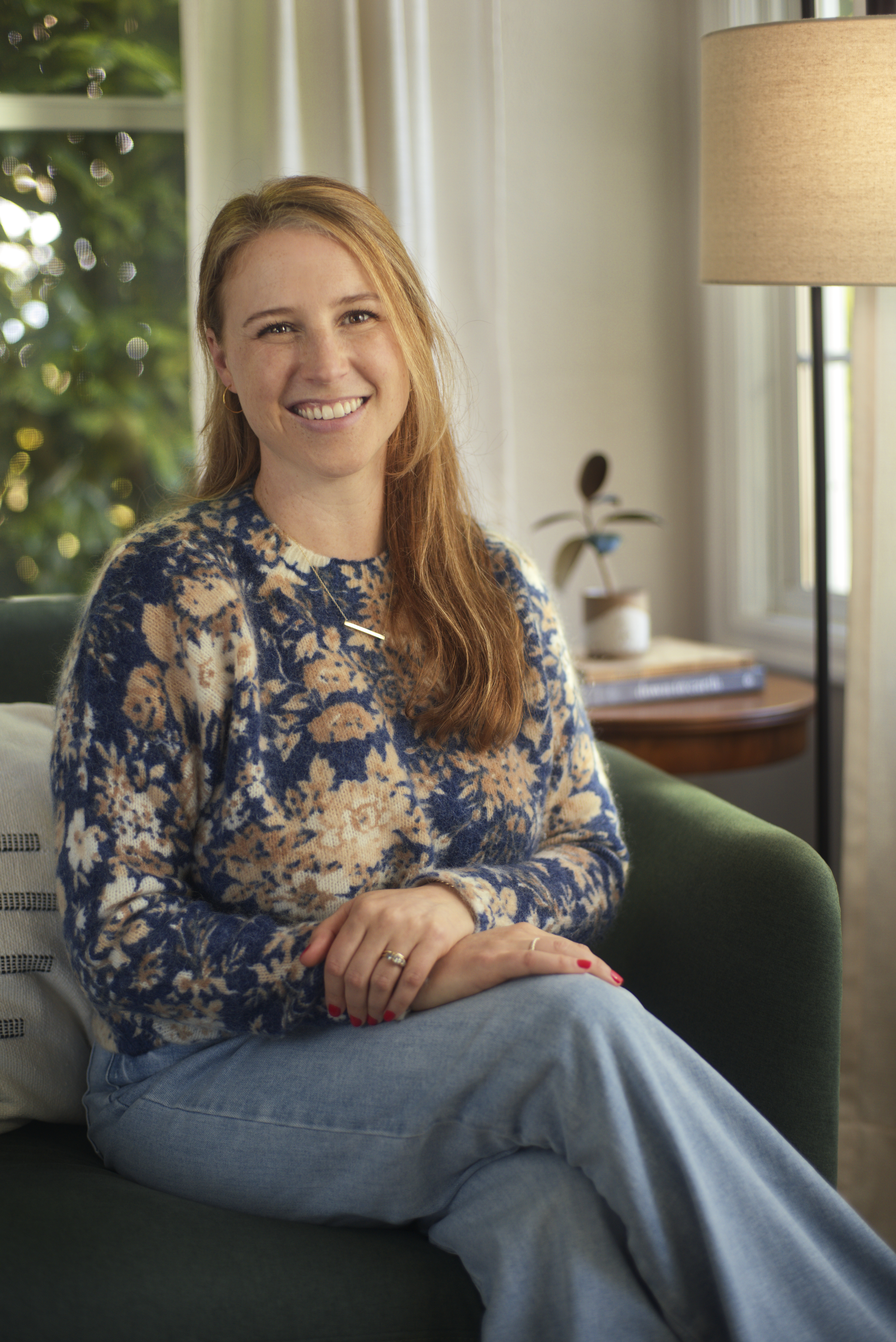
If that sounds familiar, you're in the right place. I'm Dr. Kayla Sykes, a licensed psychologist, and I work with women who are really good at taking care of everyone else, but terrible at letting anyone take care of them. Maybe it shows up as anxiety in your relationship, dread before a first date, or resentment you can't quite say out loud. Maybe it's burnout from a career, or a season of motherhood, that asks for everything you've got.
These patterns made sense once. Often, they were the smartest way to stay connected growing up. They just aren't serving you anymore.
In our work together, we'll get curious about where your people-pleasing and relationship anxiety come from. Then we'll practice something new: noticing what you feel, saying what you need, and tolerating the discomfort of being seen. My approach is attachment-based and relational. When you want something practical to take into your week, I draw on cognitive behavioral therapy (CBT) and compassion-focused tools. We can focus on what's happening in your relationship right now, or go deeper into the patterns that keep you from feeling truly seen and loved.
I bring warmth, compassion, and a good amount of humor to our sessions. I'll also gently point it out when you start people-pleasing me, because therapy is one place you don't have to perform.
I see clients throughout California by telehealth, so you can do this work from wherever you feel most at ease. If something feels off, you don't have to figure it out alone. Reach out for a free 15-minute consultation, and let's talk.
My Practice & Services
My practice is 100% online, so you can meet with me from home, your office, or even your parked car between meetings (it happens more than you'd think). I see adults anywhere in California through a secure, Health Insurance Portability and Accountability Act (HIPAA)-compliant video platform.
Sessions are $250. I'm an out-of-network provider, which means I don't bill insurance directly, but I provide a superbill each month that you can submit to your insurance for possible reimbursement. Many preferred provider organization (PPO) plans cover a portion of out-of-network therapy, and I'm happy to walk you through how to check your benefits.
Not sure if we're a good fit? I offer a free 15-minute phone consultation so you can ask questions, get a feel for how I work, and decide whether it feels right, with no pressure either way. (And if you're worried about taking up my time, you're not. That's what it's for.)
I'm a licensed psychologist in California (PSY32408) with a Psy.D. from Alliant International University and more than 10 years of experience working with women and young adults.
Specific Issue(s) I'm Skilled at Helping With
Relationship anxiety: constantly wondering if your partner is losing interest, overanalyzing texts, or needing reassurance that never quite sticks.
People-pleasing and boundaries: saying yes when you mean no, feeling guilty for having needs, and quietly building resentment.
Dating anxiety: dreading first dates, losing yourself early in relationships, or repeating the same painful pattern with different people.
Burnout in high-pressure careers: especially in tech, where overworking can look like success from the outside.
Motherhood and identity: postpartum anxiety, feeling like you've lost yourself, or noticing your child's behavior bringing up your own childhood.
Underneath all of these is usually the same thread: a deep fear that if you stop taking care of everyone, you won't be loved. That's what we work on.
On the Fence About Going to Therapy?
If you're the person everyone else comes to, reaching out for help yourself can feel strange, maybe even a little selfish. You might be telling yourself it's not "bad enough," that other people have it worse, or that you should be able to handle this on your own.
I hear that a lot, and I understand it. But you don't have to be in crisis to deserve support. Therapy can simply be a place where, for once, you don't have to hold it all together.
You don't need to know exactly what to say or have it all figured out. Just reach out, and we'll start from wherever you are.
What I Say to People Concerned about the Therapy Process
Many of the women I work with worry about therapy before they even start. What if I don't know what to say? What if I'm "too much"? What if my problems aren't serious enough? What if I end up just trying to be a good client?
If any of that sounds familiar, it makes complete sense. When you've spent years reading the room and keeping everyone comfortable, it's natural to bring that into therapy too.
Here's what I want you to know: there's no wrong way to do this. You don't need to come in with a plan or have your feelings neatly organized. You can be unsure, contradict yourself, or change your mind. If you ever feel frustrated with me or with how things are going, I genuinely want to hear it. Practicing that honesty with me is often part of the work.
My job isn't to judge you. It's to help you feel safe enough to show up as you are.
The Duration and Frequency of Therapy
I work with clients weekly, and that's intentional. When we meet every week, therapy becomes a place to actually go deeper, not just a check-in where we spend half the session catching up on what happened since last time. Weekly sessions let us pick up where we left off, notice patterns as they're happening in your life, and build on each conversation. In my experience, that consistency makes a real difference in how much people change and how lasting that change feels.
How long therapy lasts really depends on what you're hoping for. Some clients come in with a specific concern, like anxiety in a new relationship or a hard transition, and feel ready to wrap up within a few months. Others want to explore the deeper patterns behind their people-pleasing or relationship anxiety, and that work often unfolds over a longer stretch.
We'll check in regularly about how it's going and whether you're getting what you came for. You're always in charge of the pace, and you never need a "good enough" reason to slow down, take a break, or stop.