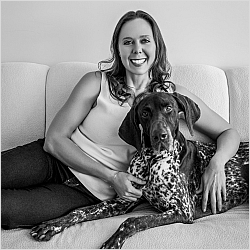
Jessica Hope, Licensed Master Social Worker
San Antonio, Texas
VerifiedTelehealth Available
Professions: Social Worker, Financial Therapist, Other
Languages: English
Telephone: 512-503-8199
Website: Visit Website
My Approach to Therapy
If you’re searching for a San Antonio therapist because you feel stuck, numb, overwhelmed, or “high-functioning but not okay,” you’re in the right place. You may be living with posttraumatic stress (PTSD) symptoms, depression, anxiety, panic, irritability, shutdown, sleep disruption, or relentless hypervigilance—especially if you’re a veteran, first responder, or high-responsibility professional. You might have tried therapy and medication and still feel labeled as treatment resistant. If that’s you, I help you build traction—safely, strategically, and with real-world outcomes.
I’m Jessica Hope, a 20-year U.S. Army veteran, licensed psychotherapist in San Antonio, Texas, and founder of Therapized AF. I’m a traditional, evidence-based therapist at my core, and I’m best known for helping clients find breakthrough moments through ketamine-assisted psychotherapy (KAP) in San Antonio and psychedelic integration. People come to me for posttraumatic stress (PTSD) therapy, trauma therapy, treatment-resistant depression support, and anxiety treatment when standard approaches haven’t worked.
What I help you solve (the real problems):
Posttraumatic stress (PTSD), complex posttraumatic stress (PTSD), combat stress, and moral injury
Depression, “flatness,” low motivation, and treatment-resistant depression
Anxiety, panic, intrusive thoughts, and chronic stress overload
Emotional numbing, anger, irritability, relationship shutdown, and disconnection
Suicidal ideation support, and safety-focused stabilization (when life feels unlivable)
High-performer burnout: “I’m doing everything, but I’m not okay”
What it’s like to work with me
You’ll get a direct, grounded, no-BS approach with warmth and clarity. We start by stabilizing your nervous system and your life: sleep, stress load, triggers, coping skills, and safety. Then we do deeper work that creates lasting change—trauma processing, meaning-making, identity repair, and integration that turns insight into daily functioning. If you’re exploring ketamine therapy in San Antonio for depression or posttraumatic stress (PTSD), we’ll talk through readiness, expectations, safety, and integration, so your progress holds.
Couples therapy in San Antonio (when trauma impacts the whole family)
Couples come to me for couples therapy and marriage counseling in San Antonio when posttraumatic stress (PTSD), depression, anxiety, or suicidal ideation is straining the relationship and family system. We focus on stabilization, communication repair, accountability, and rebuilding connection, while also getting clear and discerning about whether the relationship can heal, or if separation is the healthiest next step.
I offer therapy for teens, adults, and couples in San Antonio, TX, and Texas telehealth, with specialized support for veterans, first responders, and their families seeking high-integrity, results-driven care.
My Practice & Services
I run a small, clinician-led group practice built for people who carry a lot, perform at a high level, and are tired of “just coping.” Our team supports adults and couples—especially veterans, first responders, and other high-stress professionals—using grounded, evidence-based therapy with a direct, supportive style.
A core part of what I offer is Ketamine-Assisted Psychotherapy (KAP). KAP is structured and intentional here: we focus on preparation, a clear treatment plan, and integration work that helps you turn insights into real-world change. If you’re exploring ketamine because traditional therapy or medication hasn’t helped enough, we’ll help you evaluate fit, safety, readiness, and what a responsible course of care can look like.
I also provide psychedelic integration and education. That means we help clients make sense of past psychedelic experiences, support nervous system stabilization, strengthen insight and meaning-making, and build practical steps for ongoing growth—without hype, pressure, or judgment. Education may include risk awareness, contraindications, and how to build a safe, supportive plan for your mental health.
Beyond individual and couples work, our practice periodically offers groups, workshops, and intensive experiencesretreat-style containers depending on season and clinician availability. If you’re looking for a more immersive format—or you want community-based support alongside individual work—ask us what’s currently running and what’s coming up.
We prioritize clear communication, strong boundaries, and a high-quality clinical experience from first contact to follow-up. If you’re ready for care that’s both compassionate and no-nonsense, you’re in the right place.
The Duration and Frequency of Therapy
I don't believe there is one correct schedule for therapy. The classic once-a-week model works well for some people, but it's not the best fit for everyone, especially when things are urgent, high-stakes, or you're ready to make meaningful progress fast. When it's clinically appropriate, I'll recommend a more intensive, front-loaded approach at the start, then taper as you stabilize and gain traction.
I'm also known for processing and couples intensives sessions that are longer than one hour and designed to help you get out of the loop quicker than traditional weekly therapy. Intensives allow us to slow things down, get to the root faster, and build a clear plan you can actually follow between sessions.
For couples who are unsure whether to stay together or separate, I offer discernment counseling in extended sessions. This is a structured, no-pressure process that helps you get honest about what's working, what's not, and what each of you is willing to change, so you can make the next decision with clarity instead of chaos.
In addition, I offer ketamine-assisted psychotherapy sessions for couples (when appropriate and coordinated safely), paired with structured preparation and integration. This can be especially helpful when stress, trauma, depression, or disconnection has made it hard to access emotions, communicate clearly, or move forward together.
We'll choose the frequency and format that fits your goals, your nervous system, and your real life, not a one-size-fits-all template.
Expertise & Specialties
Age Groups I Work With
TeensAdultsElders
Therapy Services & Specialties
ConsultationCreative Arts TherapyFamily TherapyGroup TherapyIndividual Therapy & CounselingMarriage, Couples, or Relationship CounselingMediationPremarital Counseling
Concerns & Challenges Addressed
Addictions and CompulsionsAdjusting to Change / Life TransitionsAging and Geriatric IssuesDivorce / Divorce AdjustmentFamily ProblemsFirst RespondersInfidelity / Affair RecoveryMen's Issues
Therapeutic Approaches & Evidence-Based Methods
Acceptance and Commitment Therapy (ACT)Anger ManagementBreathworkCognitive Behavioral Therapy (CBT)Collaborative TherapyCreative Art TherapyCritical Incident Stress ManagementDialectical Behavioral Therapy (DBT)
Industries & Communities
BIPOCEducationEntertainment IndustryFirst Responder/Medical ProfessionalsLGBTQ+Military/Law EnforcementProfessional SportsSelf-Employed and Freelance Professionals