My Approach to Therapy
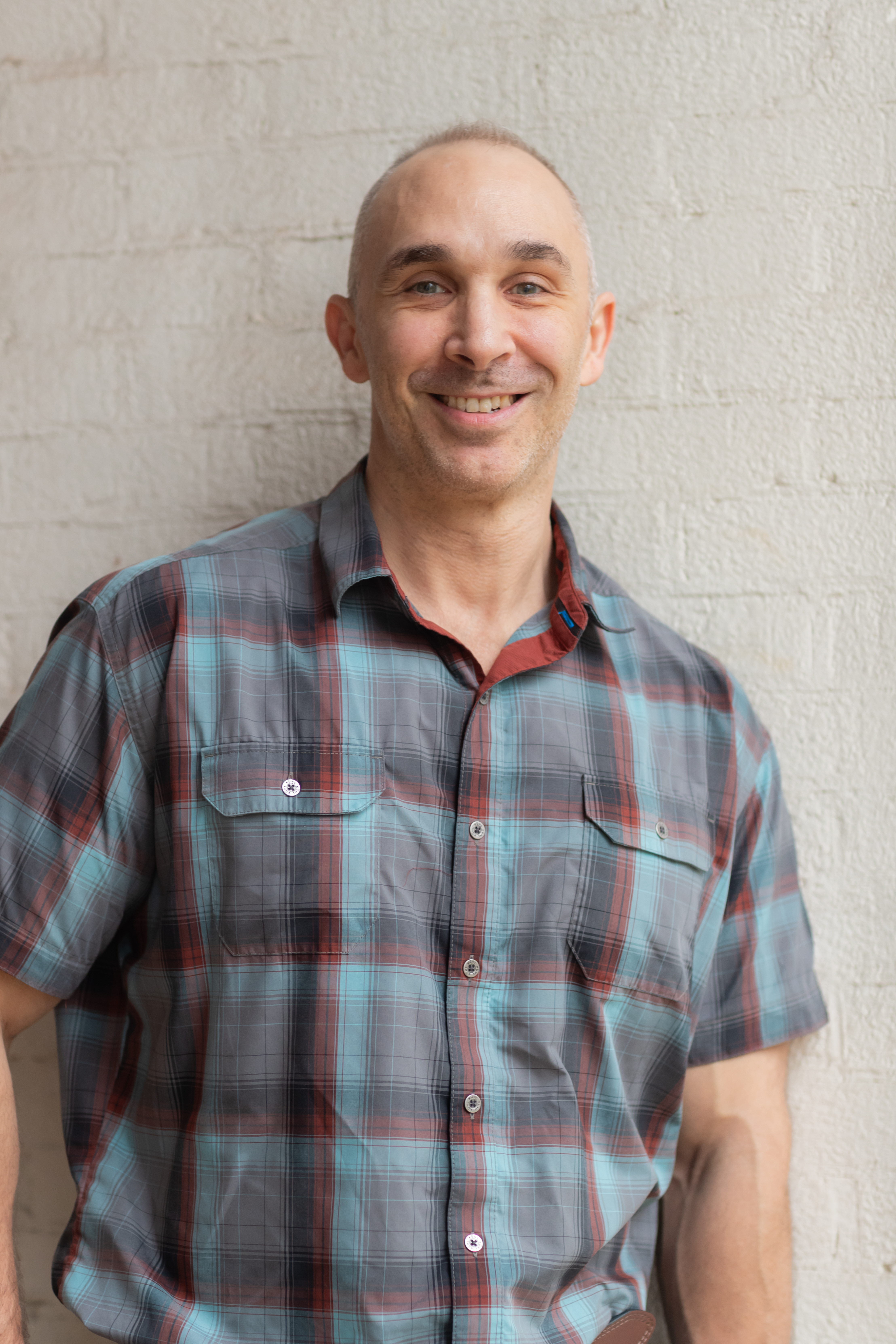
I'm a Licensed Resident Counselor in Virginia, dedicated to guiding individuals through significant life challenges and supporting meaningful personal growth. My approach is grounded in real-world experience and specialized training, so clients receive compassionate, effective, results-oriented care.
I'm especially passionate about serving veterans and first responders, recognizing the unique pressures and trauma exposure that can come with demanding roles. I also support people working through a wide range of common and complex concerns, including:
- Trauma and posttraumatic stress (PTSD): Using evidence-based techniques to process past events and restore emotional stability.
- Anxiety and depression: Building practical skills to manage symptoms and support lasting well-being.
- Relationship conflict and family dynamics: Improving communication, developing parenting strategies, and building healthier connections.
- Life transitions and personal growth: Navigating career changes, strengthening resilience, and finding work-life balance.
- Mood challenges: Support for bipolar-related concerns, self-harm, and suicidal thoughts in a safe, nonjudgmental space.
- Self-esteem and identity: Strengthening self-worth and fostering a clearer sense of self.
I use a dynamic, integrated style that balances actionable strategies with deeper emotional processing. My core modalities include:
- Acceptance and commitment therapy (ACT): Helping clients clarify their values and commit to behavior change, even in the presence of difficult thoughts and feelings.
- eye movement desensitization and reprocessing (EMDR): A specialized therapy for processing trauma and working through disturbing life experiences.
- Mindfulness: Integrating present-moment awareness to reduce stress and strengthen emotional control.
- Gottman Levels 1 and 2 (couples): Drawing from decades of research on what helps relationships work.
Before becoming a counselor, I spent 13 years in high-stakes environments, most notably serving as a Navy SEAL at SEAL Teams 4 and 6. That background gives me a grounded, empathetic understanding of mental toughness, leadership and team dynamics, and how people process and adapt after major life events.
I'm also a leadership coach and the author of *Navigating Chaos: How To Find Certainty In Uncertain Situations*. I hold a Master’s degree in Clinical Mental Health Counseling from Walden University and a second Master’s degree in Organizational Leadership from Norwich University.
My Practice & Services
The Counseling Center Group is a multi-state therapy practice offering evidence-based mental health care to individuals, couples, families, and groups, available both in-person and virtually across Maryland, Virginia, Washington D.C., New York, New Jersey, and Florida.
How It Works
New clients are matched with a therapist whose specialty fits their specific needs, rather than being assigned at random. Care is designed to be short-term and purposeful, with clear, structured steps toward measurable goals — the aim is not indefinite therapy, but building skills clients can carry forward independently once treatment ends.
Symptoms & Concerns Treated
The Counseling Center Group treats a broad range of concerns, including anxiety, depression, trauma, mood disorders, addiction, eating disorders, OCD, emotional dysregulation, relationship and family conflict, life transitions, social skills challenges, and suicidal or self-harm behaviors.
Modalities Used
Clinicians draw from a wide range of evidence-based modalities, including Dialectical Behavior Therapy (DBT) and its specialized tracks (for adolescents, children, substance use, eating disorders, and trauma), Cognitive Behavioral Therapy (CBT), EMDR, Accelerated Resolution Therapy (ART), Gottman Method Couples Therapy, Imago Relationship Therapy, Internal Family Systems, and several other specialized approaches such as PEERS for social skills and SPACE for childhood anxiety.
My View on the Purpose of Psychotherapy
Psychotherapy isn't fixing something broken. It's helping someone find their way back to who they already are.
Life adds layers to people — trauma, other people's expectations, roles we get cast into so early we forget we auditioned for them. Over time, the armor starts to feel like the person. The purpose of therapy is to help clear away what's covering the self that's still underneath, not to install something new.
That process runs on two things: awareness and willingness. Most clients already know what's wrong — the relationship isn't working, the pattern keeps repeating, the memory won't let go. Insight isn't always the missing piece. What's also missing sometimes is the will to act on what they already see. So therapy has to do more than produce understanding. It has to close the gap between knowing and doing.
I can't fully know what another person experiences. No one can. What I can offer is a guide's presence — asking better questions, reflecting what I notice, helping someone trust their own capacity to navigate ground they've actually walked before, even if it doesn't feel that way right now. That is the process of turning insight into action.
The real work isn't teaching people to perform better. It's helping them stop confusing constant motion with genuine growth, so they can act from clarity instead of avoidance — and become who they already are, instead of who they think they're supposed to be.