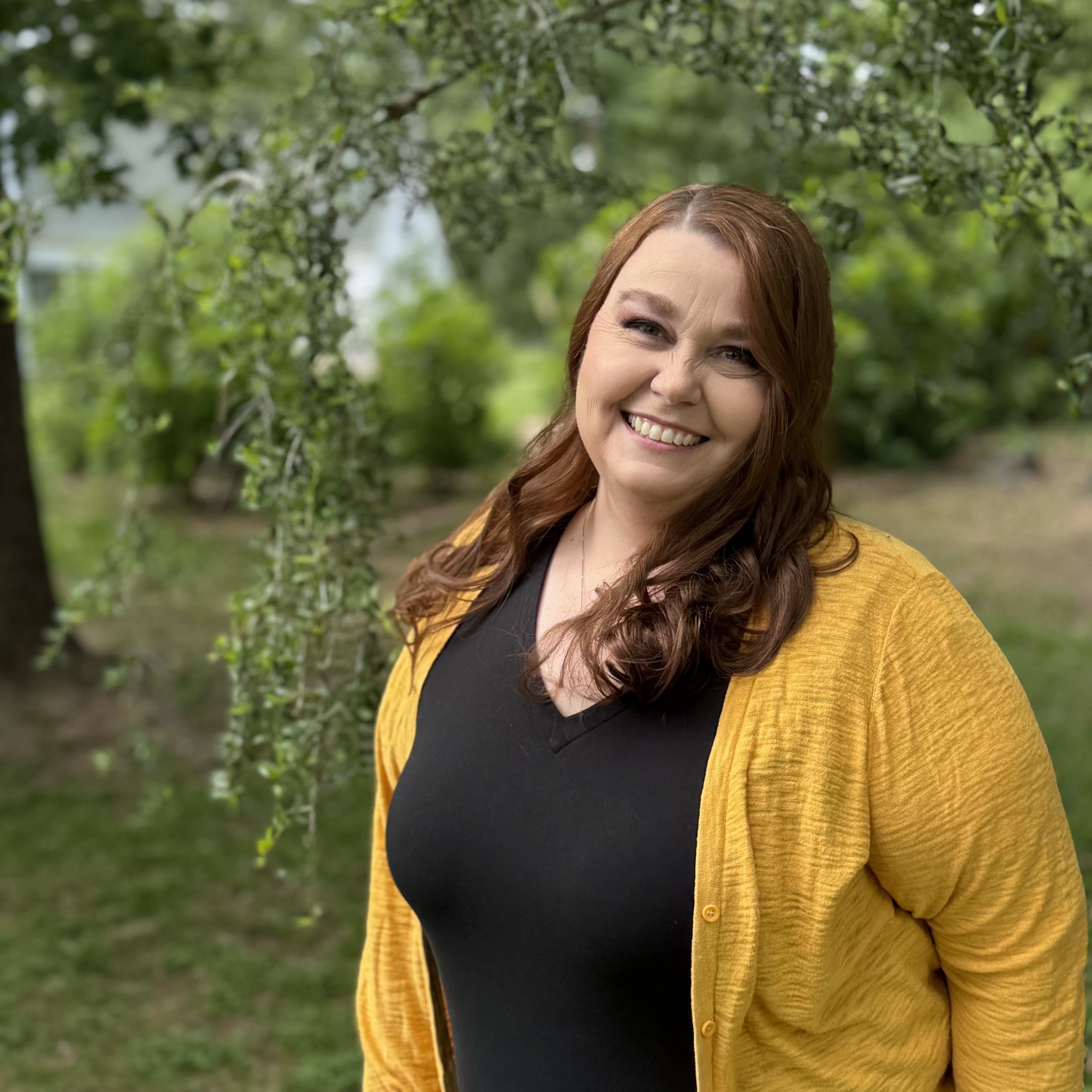
Crystalena Oberweiser, License Professional Counselor Associate
Professions: Counselor, Licensed Professional Counselor
Languages: English
Telephone: 620-557-0833
Website: Visit Website
My Approach to Therapy
On the Fence About Going to Therapy?
Expertise & Specialties
Age Groups I Work With
Groups I Work With
I come to this work with both clinical training and lived experience — I'm AuDHD myself, which means I've spent plenty of time on both sides of the "why does this feel harder for me than it looks for everyone else" conversation. So when a client tells me something isn't working, I'm not guessing. Who I work with: I see neurodivergent teens (10+), young adults, and adults — autistic, ADHD, AuDHD, or newly figuring out which of those fits. Many arrive burned out from years of masking, freshly disoriented by a late diagnosis, or carrying anxiety and depression that's been tangled up with their neurotype for so long it's hard to tell where one ends and the other begins. I also work with parents raising neurodivergent kids — the ones fluent in a language no one else in the house speaks, doing unpaid overtime as translators between their kid's brain and an environment that wasn't built for it.
Therapy Services & Specialties
Concerns & Challenges Addressed
Therapeutic Approaches & Evidence-Based Methods
Location & Contact
Follow on Social Media