
My approach in therapy is collaborative, supportive, and goal oriented.
Find a Therapist in Cherry Hill, NJ
459 results
25 miles
Accepting new clients
More results

As a Rapid Transformational Therapist , I'm passionate about helping individuals rewire their brains to project positive images and words. I believe in the power of beliefs—first you make your beliefs, and then your beliefs make you. My mission is to empower others to break free from limiting beliefs and unlock their true potential. I chose to become an RTT therapist because I find the approach both creative and innovative, and I'm excited to work with clients to help them improve their lives. I can help you identify and overcome negative thought patterns that may be holding you back. By becoming more attuned to your beliefs, you can create a brighter, more positive future for yourself. Let's work together to unleash the best version of you!

The longer I've worked in the mental health field, the more I've come to appreciate that many of the struggles that leave us feeling stuck, overwhelmed, or anxious are rooted in our very human desire for certainty, safety, and control. Our brains are wired to seek predictability. When life feels uncertain, painful, or outside of our control, it's natural to search for ways to regain a sense of security. Sometimes this shows up through perfectionism, overthinking, people-pleasing, rigidity, self-criticism, or trying to anticipate every possible outcome. While these strategies often develop for understandable reasons, and may have even helped us survive at one point, they can eventually become exhausting, isolating, and keep us from living fully in the present. At the foundation of my work is dialectical behavior therapy (DBT), not simply as a set of coping skills, but as a way of approaching life with greater mindfulness, flexibility, self-awareness, and acceptance. I am deeply passionate about teaching practical life skills that help people build emotional resilience while creating lives that feel meaningful and aligned with their values. At the same time, my work extends beyond skills alone. I view each person through a humanistic, trauma-informed, and existential lens, recognizing that our relationships, identities, lived experiences, and search for meaning all shape the ways we understand ourselves and navigate the world. My approach is collaborative, compassionate, and grounded in the belief that you are more than a diagnosis or a collection of symptoms. Together, we'll explore the patterns that no longer serve you, develop greater self-understanding, and build the confidence to respond to life's challenges with intention rather than fear. Whether we're practicing mindfulness, exploring the impact of past experiences, strengthening relationships, or learning to tolerate uncertainty, my goal is to help you loosen the grip of overcontrol, cultivate self-compassion, and create a life that feels authentic, connected, and fulfilling. Healing isn't about becoming a different person. It's about reconnecting with the person you've always been beneath the fear, self-doubt, and protective strategies that once kept you safe. If you're ready to begin that journey, I'd be honored to walk alongside you.

Samantha DeFelice is a Licensed Professional Counselor (LPC) with over 11 years of experience. She focuses on helping adolescents and adults achieve their goals. Samantha previously worked in community mental health, where she supported people through a wide range of mental health issues and other life challenges. Samantha specializes in anxiety, depression, self-esteem, and understanding core beliefs and how they impact the choices we make in life, and she is open to working with people facing all types of life challenges.

I believe therapy should empower individuals to help them take control and enhance their lives into happy, healthy and successful ones. However, each person has individual struggles and challenges so what this looks like varies from person to person. Providing a collaborative, holistic approach to the treatment for me includes an examination of many different life factors that contribute to emotional well-being. I have a strong cognitive behavioral background. Cognitive behavioral therapy is based on the idea that making changes in ones thoughts and behaviors can positively affect how you feel. This treatment modality has been shown to be very effective in treating trauma, anxiety, and depression among other emotional difficulties. Within this framework I may also include work in mindfulness, exposure, distress tolerance, emotion regulation, play therapy, and other possible techniques. If you would like to positively change your life I love to help.
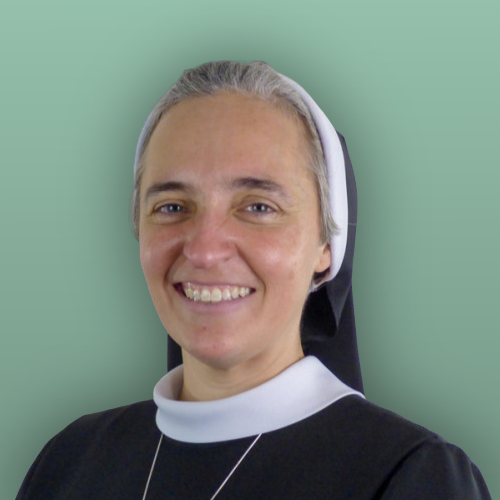
I am a Licensed Professional Counselor (LPC) with three years of experience. I earned my Master of Arts from Franciscan University of Steubenville, and I have specialized training in cognitive behavioral therapy (CBT), acceptance and commitment therapy (ACT), solution-focused brief therapy, person-centered therapy, and trauma-informed care. I typically work with clients experiencing anxiety, depression, stress, life transitions, relationship difficulties, low self-esteem, grief, and trauma. Whether you are navigating a specific crisis or pursuing personal growth, I strive to provide a supportive, nonjudgmental environment where you feel heard, empowered, and equipped to achieve your goals.

I am a Licensed Associate Counselor with a Master’s Degree in Mental Health Counseling from Rowan University. My bachelor’s degree in Psychology is from Penn State University. My experience in the mental health field includes crisis intervention and suicide prevention among a diverse population, including the LGBTQPIA+ community. I have worked with people with a variety of different struggles including anxiety, depression, eating disorders, relationship difficulties, job stress, self-harm, and grief. I work with clients who are ready to explore connections between their past and present and gain relief from symptoms of anxiety and depression. Additionally, I help to equip my clients with tools to help them better manage life's everyday stressors. Anxiety, depression, and general life stressors can make us feel like we are walking around with a heavy weight on our shoulders. I would welcome the opportunity to connect with you and help you to achieve a greater sense of peace.

Guilhem Combet is a master’s-level clinician working toward licensure as a Licensed Professional Counselor (LPC). He is deeply committed to working with adolescents and adults to help them address the unique challenges they face and discover new ways to navigate life’s stressors. He specializes in anxiety, depression, trauma, LGBTQIA+ issues, and self-esteem. Guilhem completed his Bachelor of Arts (BA) in Psychology at Franklin & Marshall College and his Master of Arts (MA) in Mental Health Counseling at New York University.

I provide a client-centric approach that leans into compassion so you can feel safe and secure. Through this space, we can get curious and explore areas where you feel stuck or wounded. From here, we can help you shift toward greater health and wellness. At its core, my work focuses on your relationships, including how they impact you and how you impact them. This helps us both widen our understanding and pinpoint areas of concern.

Sometimes life can feel overwhelming, and you are not sure where to turn. We all have times in our lives when we are struggling and need to know that help and support are there for us. Although it can be hard, reaching out and taking that first brave step will set you on your journey towards healing and happiness. I will help you to feel good about yourself and your life. Here you will find a place where you are always accepted.
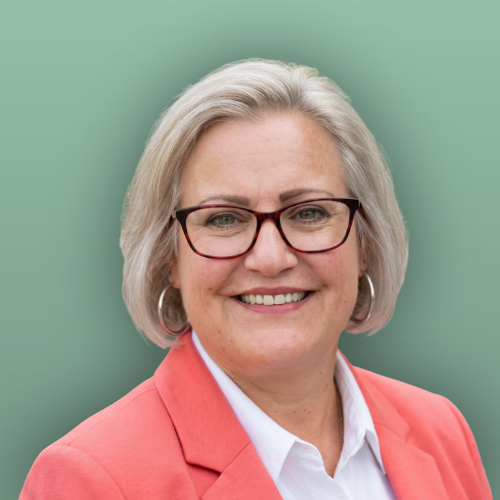
Dawn Hartman is a board-certified Psychiatric Mental Health Nurse Practitioner (PMHNP) with over 20 years of nursing experience, including supporting people in crisis. She specializes in working with older adolescents, adults, and seniors who are experiencing symptoms such as anxiety, depression, panic, obsessive-compulsive challenges (OCD), and posttraumatic stress (PTSD), along with other mood- and personality-related concerns.

Talking about sex and problematic sexual behaviors is often stigmatized by society, family or culture. My main goal is provide a safe place where one can openly discuss sexual concerns and we can work together to determine if they are problematic or to discuss the impact of another's sexual behaviors on you. Too often, it is assumed that therapy around sexual addiction or sexuality is about stopping one's sexual behavior. Here, we work to define your sexuality as an individual. Work may include trauma focused work in order to gain access to underlying concerns, or it may involve sex education to best claim your sexuality. Working with loved ones of sex addicts, including parents, often includes shame reduction and healthy boundary work. Whatever the work is, you are part of the treatment team and the most important part of guiding therapy.
The therapists listed are members of GoodTherapy and pay us a membership fee which helps support our services. By using this site you signify your assent and agreement to our terms of service.
Find a Therapist in Cherry Hill with GoodTherapy
It’s normal to experience mental health issues and relationship problems. Talking to a licensed therapist can help. Therapy can teach you more about yourself and your mental health concerns in a healing way. Many therapies are evidence-based and have been proven effective.
Since 2007, GoodTherapy has helped people like you connect with ethical, compassionate counselors and therapists. The therapists listed above, who practice therapy in Cherry Hill, are trained to protect client confidentiality and privacy. In keeping with our high membership standards, these mental health professionals are also committed to eliminating the stigma that keeps many people from seeking help.
Beliefs about how much therapy costs may deter some people from finding a therapist. It’s a good idea to contact therapists you’re interested in and ask about insurance, sliding-scale fees, payment plans, and other options to stay within your budget.
Rest assured there are qualified therapists in Cherry Hill who can treat a variety of concerns, including family conflict, relationship issues, anxiety, or depression. With our directory, the right therapist is easy to find.
List Your Practice on GoodTherapy
Are you a therapist or mental health professional looking for new ways to get referrals and market your practice in Cherry Hill? Keeping up to date with professional requirements and increasing your online presence are just two of the many benefits of joining GoodTherapy. Start connecting with clients and earning online continuing education credits today!
About Cherry Hill
Cherry Hill is a town in Camden County, New Jersey. It has a land area of 24 square miles. The area was originally inhabited by the Lenni-Lenape Native Americans. The town was incorporated in 1844. Originally called the Delaware Township, the town changed its name to Cherry Hill in 1961.
Cherry Hill has a population of 71,000 people. It is home to 3,600 military veterans. Among adults age 25 or older, 94% have a high school degree, and 55% have a bachelor’s degree.
The racial composition of Cherry Hill is 74% white, 13% Asian, 7% Hispanic or Latino, and 7% black. Foreign-born people account for 16% of the population. Twenty-two percent of residents have a native language other than English.
People in Cherry Hill earn an average annual wage of $45,500. The median household income is $94,100. The homeownership rate in Cherry Hill is 79%. Nearly 6% of residents live below the poverty line.
Mental Health in Cherry Hill
Opioid use is a major concern in Camden County. County officials have established the Office of Mental Health and Addiction to help curb the local opioid epidemic and offer improved mental health services to residents. Camden County’s Office of Mental Health and Addiction provides information and referrals for county residents who need treatment for addiction or mental health issues. The office also offers support to the families of individuals with mental health concerns or drug addiction.
Access to mental health care is limited in some areas of Camden County. In Cherry Hill, for instance, around 6% of residents do not have health insurance.
References:
- Freeholders create Office of Mental Health and Addiction (2017, May 23). Retrieved from http://www.camdencounty.com/freeholders-create-office-mental-health-addiction
- History. (n.d.). Retrieved from https://www.cherryhill-nj.com/DocumentCenter/View/499/History?bidId=
- History of Cherry Hill. (n.d.). Retrieved from https://www.cherryhill-nj.com/95/History-of-Cherry-Hill
- QuickFacts: Cherry Hill township, Camden County, New Jersey. (n.d.). United States Census Bureau. Retrieved from https://www.census.gov/quickfacts/fact/table/cherryhilltownshipcamdencountynewjersey/VET605216