


When something feels off with your child, it can be hard to know what to do — or even what questions to ask. We're here to help you understand what child therapy looks like, what it can help with, and how to find a therapist your child will actually feel comfortable with.
By the numbers:
1 in 5 children in the U.S. has a diagnosable mental health condition — most go untreated
50% of all mental health conditions begin by age 14 — early support makes a lasting difference
Children who receive therapy early show significantly better outcomes in school, relationships, and emotional wellbeing
What child therapy actually looks like
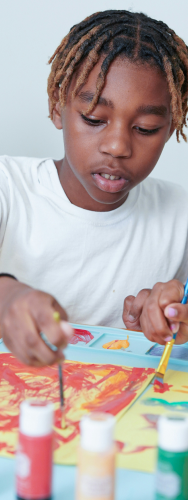
Child therapy isn't sitting in a room being asked "how does that make you feel?" — at least not for most kids. A good child therapist meets children where they are, often using play, art, storytelling, or movement to help kids express what they're experiencing in ways that feel natural to them.
The goal isn't to change who your child is. It's to give them tools to understand their own emotions, manage the hard ones, and feel more confident and secure in the world around them. Many kids come out of therapy with stronger friendships, better focus at school, and a much easier time at home.
Parents are almost always part of the process too. A therapist will usually keep you informed, involve you in sessions where helpful, and give you practical guidance for supporting your child between appointments.
"Child therapy is a safe and supportive space where children can explore their feelings, develop coping skills, and learn to navigate the challenges they face. It's not just for kids with serious mental health diagnoses — therapy can benefit children of all ages and backgrounds."
Amy Gibson, LCMHC — GoodTherapy contributorSigns your child might benefit from therapy
Every child has hard days. But some signs suggest your child could use more support than family and friends can offer on their own. Trust your instincts as a parent — you know your child best.
Persistent anxiety, worry, or fear that interferes with daily life
Withdrawal from friends, family, or activities they used to enjoy
Frequent emotional outbursts, aggression, or difficulty managing anger
Sudden changes in behavior, mood, sleep, or appetite
Struggles at school — with focus, behavior, or academic performance
Difficulty with friendships or social situations
Grief, trauma, or a major life change they're struggling to process
Signs of depression — low mood, hopelessness, or loss of interest in things they love
Concerns around ADHD, autism, or other developmental differences
Approaches that tend to work well for children
Child therapists are trained to adapt their approach to the age, personality, and specific needs of each child. Here are some of the most widely used methods.
Play therapy
For younger children especially, play is how they make sense of the world. Play therapy uses games, toys, art, and imagination to help children express what they can't yet put into words — and work through it safely.
Cognitive Behavioral Therapy (CBT)
Helps children identify unhelpful thought patterns and learn more balanced ways of thinking and responding. Particularly effective for anxiety, depression, and OCD in older children and adolescents.
Parent-Child Interaction Therapy (PCIT)
Involves both the child and parent working together in sessions. Builds a stronger relationship between parent and child while helping manage behavioral challenges. Research shows it can keep kids out of therapy for years afterward.
Family therapy
Brings the whole family into the room to improve communication, reduce conflict, and create a more supportive home environment. Often used alongside individual child therapy.
Trauma-focused CBT (TF-CBT)
A specialized approach for children who have experienced trauma. Combines cognitive behavioral techniques with trauma-sensitive care — one of the most researched and effective treatments for childhood trauma and PTSD.
Read more from our therapists
Guidance from licensed therapists who work with children and families every day. Take what's useful for where you are right now.
Amy Gibson, LCMHC — a clear, honest guide for parents wondering whether to take the next step
How to recognize warning signs, start conversations with your kids, and know when to get professional support
On recognizing the signs in adolescents and approaching the topic in a way that doesn't shut them down
What PCIT is, how it works, and why it's one of the most effective tools for young children and their parents
Your child deserves support. So do you.
Search thousands of verified, licensed child therapists and counselors — specialists in anxiety, ADHD, trauma, behavior, and more. Filter by location, insurance, and specialty. No cost to browse.
Find a child therapist near you