Learn about our editorial process
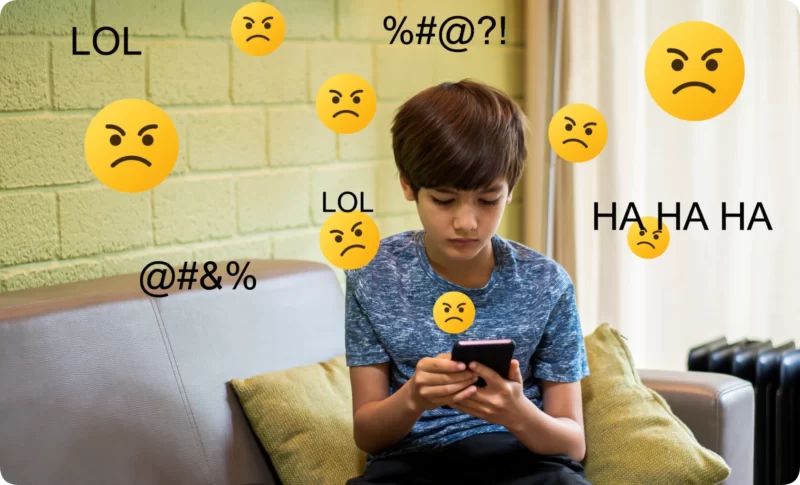
Parenting a teenager has never been easy. But today’s teens are navigating a world that looks very different from the one most parents grew up in, and their emotional experiences might be different than those raising them. Between 2016 and 2023, the prevalence of diagnosed mental or behavioral health conditions among adolescents increased 35%. Data from 2022–2023 shows that anxiety, behavior disorders, and depression are the most commonly diagnosed mental disorders in children, and many more have conditions that are undiagnosed.
35%
increase in diagnosed teen mental health conditions between 2016–2023
40%
of teens experience persistent feelings of sadness or hopelessness today
In This Article
Is It Normal Teen Behavior or Something More?
We’ve all heard the stereotypical joke about parents thinking their child’s unconventional or unusual behavior is “just a phase.” While this may be true sometimes, your child’s behavioral shifts might actually suggest something bigger is going on.
Mood swings in teenagers are normal and to be expected. Yet, persistent sadness that lasts for weeks or more may signal a more significant mental health issue. If your teen seems uninterested in activities they once loved, withdraws from friends or family, or frequently expresses feelings of hopelessness, they may be struggling with depression.
The key word here is persistent. A bad week after a breakup or a slump during exam season is different from a pattern that lingers, intensifies, or begins to interfere with daily life. Lack of awareness means some parents don’t recognize the signs of depression or anxiety in their teen. They might attribute changes in behavior to “just being a teenager” rather than symptoms of a treatable condition.
Knowing when to seek professional help for your teen is one of the most powerful acts of parenting you can do.
Read More
5 Warning Signs Your Teen May Benefit from Therapy
It can be difficult to know how to best support your child as a parent, but you don’t have to have all the answers. When it comes to looking out for your teenager’s mental well-being, these are five signs to watch for that could indicate your teenager needs more than your love and encouragement: they probably need professional support.
01Sign |
Persistent Sadness, Anxiety, or Emotional WithdrawalToday, 40% of teens experience persistent feelings of sadness or hopelessness. If your child seems consistently down, anxious, or emotionally shut off for an extended period of time, it’s worth paying attention. Signs of depression or anxiety in teenagers include a lack of energy, feeling unmotivated, poor concentration, or withdrawing from friends and family. If unaddressed, these emotional needs can negatively impact your teenager’s well-being and even safety. |
02Sign |
Sudden Changes in Behavior, Sleep, or Academic PerformanceIf you notice a distinct change in your teen’s behavior or mood that persists, it is a clear sign that it’s likely time for professional help. You might have noticed them withdrawing from friends and usual activities, experiencing a significant change in their level of motivation, being chronically or explosively angry, or experiencing a significant change in their eating habits or sleeping habits. When your teen’s performance in school suddenly drops without explanation, this could point toward underlying issues such as stress or depression. These shifts can be easy to dismiss, but they’re often the first signal a struggling teenager has to communicate that something is wrong. |
03Sign |
Social Isolation or Loss of Interest in Favorite ActivitiesIf your teenager has become increasingly isolated or withdrawn from friends and family, it could indicate deeper emotional issues. Pay attention if they’ve stopped reaching out to friends, dropped sports or hobbies they once loved, or seem to have retreated entirely into their room. They could show a lack of interest in activities they used to enjoy, like sports, clubs, or just hobbies. Any sudden changes in your child’s behavior could be a sign that something isn’t right. |
04Sign |
Physical Complaints Without a Medical CauseMental health doesn’t always announce itself with emotional language. Stomach aches, headaches, and complaints of pain are common ways for teenagers to express underlying experiences of mental health concerns. When there is no medical reason for these symptoms, it is important to think about what might be contributing to your teen’s complaints. If their pediatrician consistently assesses them but can’t identify what’s wrong, it may be time to look beneath the surface. |
05Sign |
Risky Behavior or Signs of Self-HarmSome individuals often use alcohol and drugs to cope with difficult feelings or circumstances, and your teenager could be abusing them without you knowing. Overusing these substances can signal deep emotional pain that needs to be addressed. If your teenager is hurting themself or abusing drugs or alcohol, this is a sign of significant emotional distress. Abusing substances often manifests alongside self-harm behaviors. In fact, self-harm can become habit-forming and escalate over time, and could become a safety risk to your child or others. If you notice these signs with your child, be sure to seek professional support right away. |
Addressing Stigma: Therapy Is Not a Last Resort
One of the biggest barriers to getting teens help is stigma — both theirs and ours. Your child may feel ashamed of the idea of seeing a therapist or worried about what their friends will think if they find out. Your child may think that seeing a therapist means they are “crazy” or that something is wrong with them.
As a parent, it helps to examine your own beliefs about mental health before starting this conversation. You might feel compelled to help your child “just push through” whatever they’re going through, but it’s important to let your child know that seeking professional help for what is happening in their internal world is just like going to the doctor if they aren’t feeling well. Therapy works the same way: if you are struggling and your usual coping mechanisms are no longer working, then you should reach out to a trained professional.
80% |
In 2023, nearly 80% of children between 12 and 17 years old who needed mental health treatment received it. If your teen sees a professional, they are far from alone. |

How to Start the Conversation Without Judgment
Parents sometimes approach the conversation from a solutions-mindset: “There is this problem, so let’s go to therapy to fix it.” However, this can make kids defensive and feel targeted. It’s important to talk about the therapist as an expert who teaches us how to process emotions, like communicating better, processing our feelings, or not getting so nervous before events. In other words, focus on how therapy can help them.
Here are a few gentle approaches you can try:
|
► |
Choose the right momentChoose a time when both you and your child are well rested and calm to bring up the topic of seeing a therapist. Avoid raising it mid-conflict or crisis. |
|
► |
Lead with love, not labelsFrame the conversation around what you’ve noticed, not what’s wrong. Try something like: “I’ve noticed you seem really tired lately, and I just want to make sure you have the right support.” |
|
► |
Give them agencyGive your teen choices whenever possible. You might let them help choose the therapist, decide between in-person or online sessions, or agree to try just one appointment. Even small choices send an important message: Your voice matters. |
|
► |
Address confidentiality concernsTalk to your teen about patient confidentiality to make them feel like they have control over their own privacy. A therapist may share generalities with parents, like it was a hard session or a good discussion, but they won’t get into specifics without your child’s permission. |
Remember: If the conversation doesn’t go as planned the first time, that’s okay. Keep the door open, and try again.
What to Look for in a Teen-Specialized Therapist
Not every therapist is the right fit for a teenager. Research confirms that teenagers are not really true children or grown adults: they represent a distinct psychological life stage with unique healthcare requirements. Adolescent brains experience rapid neural development and neurochemical changes that guide emotional, cognitive, and social shifts.
When searching for the right provider, look for professionals with these qualities:
|
✓ |
Adolescent specializationNot all therapists specialize in working with teenagers. Look for mental health professionals with relevant training and experience, such as licensed counselors, licensed marriage and family therapists, or clinical psychologists. Confirm that they have experience treating teens and addressing the specific challenges your child is facing. |
|
✓ |
A strong therapeutic relationshipThe quality of the therapeutic relationship is a primary factor in improving mental health outcomes for teens. Techniques like motivational interviewing and active listening were especially effective in building rapport and promoting treatment success. |
|
✓ |
A flexible, adaptive approachThe most skilled adolescent therapists have a diverse toolkit of methods they can draw from, adapting their approach to match each teen’s unique needs, interests, and developmental stage. They don’t force your child into their preferred method; they adapt their methods to fit your child. |
|
✓ |
Family involvementTeens need their own safe space to talk freely. But a therapist who has a family-centered approach will view the family as part of the therapeutic process and will engage parents in ways that are supportive, respectful, and open. |
Wondering where to get started? You can begin your search using GoodTherapy’s therapist directory, which allows you to filter by specialization, location, and age group.
Taking the First Step
Early intervention is key when it comes to addressing mental health issues in teenagers. The sooner your child receives professional help, the better their chances of developing effective coping strategies and building self-confidence.
Reaching out for help is one of the most loving things a parent can do, not a sign of failure. Getting help for your child is an act of compassion, and it will help your child improve their mental well-being and could even enhance your relationship with them as well.
Mental health matters for children, teens, and adults. If you’re not sure where to start, explore GoodTherapy’s resources on depression, anxiety, and other resources — or connect with GoodTherapy’s mental health professionals who truly understand this stage of life.
Find a Therapist Who Specializes in Teens
GoodTherapy’s directory lets you filter by age group, specialization, and location to find the right fit for your family.
Crisis Resources
If your teen is in immediate distress or experiencing a mental health emergency, please contact the 988 Suicide & Crisis Lifeline by calling or texting 988. Help is always available.
Resources
- American Hospital Association: Integrating Behavioral Health Into Pediatric Care: Hospital-Led Solutions to a Growing Crisis
- Centers for Disease Control and Prevention: Data Statistics on Children’s Mental Health
- Centers for Disease Control and Prevention: Adolescent and School Health: Mental Health
- Mayo Clinic: Teen Depression
- Mental Health America: Know the Signs: Recognizing Mental Health Concerns in Kids or Teens
- Mayo Clinic: Mental Illness
- National Library of Medicine: Adolescent Mental and Behavioral Health
- National Library of Medicine: The Therapeutic Alliance: The Fundamental Element of Psychotherapy