The Wound that Does Not Heal: Recognizing and Treating Complicated Grief
Presented by Phyllis Kosminsky, PhD, FT on 04-27-2012 at 9 a.m. Pacific to 10:30 a.m. Pacific (1:30 p.m. Eastern)

In recent years, our understanding of how people heal from the loss of a significant person in their lives has shifted away from stage-based models to a more nuanced, more individual view of how healing unfolds and what it means. This workshop focuses on what helping professionals need to know about our evolving understanding of grief, about the emergence of various categories of complicated or prolonged grief, and about how to help people who are grieving.
Many people who seek mental health services—and many who don’t—experience the ongoing effects of significant loss. Unrecognized and untreated grief is often at the heart of depression, low self-esteem, relationship conflicts, and a range of other problems. While most people experience sadness, anger, and other powerful emotions when they suffer a loss, a substantial percentage of people continue to experience functional impairment. While supportive services may be helpful to many grievers, for these individuals it may well be the difference between their withdrawing from life and gradually returning to it.
Phyllis’s approach is practical, relational, and resource-based. Her goal is to equip therapists—those whose work is largely involved with death and dying and those who deal with more general mental health concerns—to recognize and address the needs of people with intense, prolonged grief.
This introductory web conference is designed to help clinicians:
- Explain how complicated grief differs from normal grief in diagnostic terms;
- Recognize and describe the signs of complicated, prolonged grief in clients;
- Apply a resource-based strategy to help individuals adapt to loss.
If you have any questions about this Web Conference or would like more information, please contact us here.
Continuing Education (CE) Information
1.5 CE credits will be provided by GoodTherapy.org for attending this web conference in its entirety.
GoodTherapy.org is also an Approved Education Provider by NAADAC, The Association for Addiction Professionals (provider #135463). Of the eight counselor skill groups ascribed to by NAADAC, this course is classified within counseling services.
GoodTherapy.org is an NBCC-Approved Continuing Education Provider (ACEPTM) and may offer NBCC-approved clock hours for events that meet NBCC requirements.
GoodTherapy.org is approved by the American Psychological Association to sponsor continuing education for psychologists. GoodTherapy.org maintains responsibility for this program and its content.
GoodTherapy.org, SW CPE is recognized by the New York State Education Department's State Board for Social Work as an approved provider of continuing education for licensed social workers #0395.
To receive CE credit hours for an archived event, you will need to complete a survey as well as a 12 or 15-question exam, verifying that you listened to or watched the event in its entirety. Archived CE events generally are considered "homestudy" by licensing boards.
Registration Information
Premium and Pro Membership with GoodTherapy includes access to this web conference at no additional cost, as well as other member benefits such as a profile listing in GoodTherapy's Therapist Directory. Not yet a member? Sign up for a Premium or Pro Membership, here.
Just want CE credits? Sign up for a monthly or annual CE Subscription with GoodTherapy to get unlimited access to our CE Program, including this event, other live CE web conferences, and hundreds of hours of homestudy courses.
Mental health professionals who are not members can access the homestudy recording for $15.50. Sign up here to purchase this CE course and earn a CE certificate.
If the event is canceled by GoodTherapy, registrants who purchased the event will be notified and the charge for the event will be refunded
If you have any questions or would like information regarding disability accommodations, please contact us.
Meet the Presenter
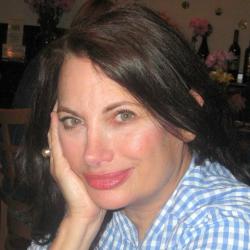
Phyllis Kosminsky, PhD, FT
Practitioner, instructor, and author Phyllis Kosminsky has over 15 years of specialized work with bereaved children, adults, and families. A dynamic workshop leader, Dr. Kosminsky has presented trainings throughout North America. In addition to her book, Getting Back to Life When Grief Won’t Heal, Dr. Kosminsky has published book chapters on bereavement in brain-injured individuals, adolescent bereavement, applications of EMDR in bereavement care, and other topics related to grief. She is a member of the board of the Association for Death Education and Counseling and a Fellow in Thanatology.
For more information about Dr. Kosminsky and her work, please visit her website.
Continuing Education Provider Approvals
 GoodTherapy.org is Approved by the American Psychological Association to sponsor continuing education for psychologists. GoodTherapy.org maintains responsibility for this program and its content.
 GoodTherapy.org has been approved by NBCC as an Approved Continuing Education Provider, ACEP No. 6380. Programs that do not qualify for NBCC credit are clearly identified. GoodTherapy.org is solely responsible for all aspects of the programs.
 This course has been approved by GoodTherapy.org, as a NAADAC Approved Education Provider, for educational credits. NAADAC Provider #135463. GoodTherapy.org is responsible for all aspects of their programming.
- GoodTherapy.org, LLC is recognized by the New York State Education Department's State Board for Social Work as an approved provider of continuing education for licensed social workers #SW-0395.
- GoodTherapy.org, LLC is recognized by the New York State Education Department's State Board for Mental Health Practitioners as an approved provider of continuing education for licensed marriage and family therapists #MFT-0022 and for licensed mental health counselors #MHC-0031.
Earn CE Credit Hours
Live and homestudy continuing education courses are included withPremium and Pro Membership!
Sign Up Here