-
 Identifying Patterns and How They Impact You
Patterns are repetitive behaviours, thoughts, or emotional reactions that develop over time and are often connected to underlying beliefs. Whether we realize it or not, patterns shape ... Read More
-
 Couples Therapy After 70: Love, Growth, and Repair
Couples therapy after 70 is not “too late” work. In my experience, it can be some of the most meaningful work we do. I was surprised when a longtime colleague once told me ... Read More
-
 Success and Fulfillment: Why High Achievers Can Still Feel Unfulfilled
Many people assume that success and fulfillment naturally arrive together. The idea is simple: if you work hard, reach your goals, and improve your life, you should feel satisfied. However, ... Read More
-
 How Your Feed Is Quietly Running Your Nervous System
Remember when we called it the information superhighway? That is what it was, back when the internet first showed up. The deal felt simple: you logged on, looked things up, learned something, ... Read More
-
 Caught in the Chronic Pain Cycle? How Therapy Can Help
A chronic pain cycle can begin when real physical pain interrupts daily life, then slowly shapes how a person thinks, feels, moves, rests, and connects with others. Pain rarely ... Read More
-
 Perfectionism: When High Standards Help and Hurt
Perfectionism can look like ambition, discipline, and drive. It can also feel like living under a never-ending report card, where every project, grade, performance review, relationship ... Read More
-
 Do You Feel Like a Fraud? Understanding Imposter Syndrome
Imposter syndrome can feel like standing outside a life that should belong to you, sensing that the version others see is only a careful performance. For some people, that feeling is not ... Read More
-
 What Suicidal Thoughts Are Really Trying to Tell You
Suicidal thoughts are often treated solely as symptoms to be eliminated or risks to be managed, yet this narrow focus can overlook their deeper meaning. Many people who experience suicidal ... Read More
-
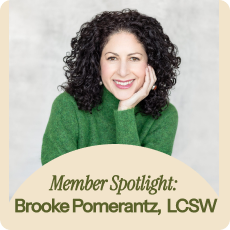 How to Find the Right Therapist: Brooke Pomerantz on Starting Therapy, Feeling Safe, and Finding the Right Fit
Starting therapy can feel hard to explain. Sometimes there is a clear reason. A loss. A breakup. Burnout. A period of anxiety that has become impossible to ignore. Other times, the feeling ... Read More
-
 High Functioning Anxiety: Why Anxiety Does Not Always Look Like Falling Apart
When people think of anxiety, they often picture some visible signs. They imagine panic, spiraling thoughts, avoidance, or moments when someone clearly looks overwhelmed. While anxiety ... Read More
-
 Gaslighting in Relationships: How It Works and Why Therapy Has to Change When It’s in the Room
“Gaslighting” has become a buzzword in popular culture, sometimes used to describe any disagreement or lie. But clinically, gaslighting in relationships points to something more specific: ... Read More
-
 Finding Closure: Powerful Truths About Moving On and Healing
I used to think that closure and healing were the same. I was wrong. Finding closure is not an easy thing to come by. Most of the time, finding closure is harder to attain than healing. ... Read More
Browse by Category
Browse by Category
Therapy News Headlines
-
Recovering from a Traumatic Birth
Dealing with the Trauma of Giving Birth For many new mothers, giving birth is one of the most exciting times in life. After all, you’re bringing ... Read More
-
Dr. Aaron T. Beck: The Father of Cognitive Behavioral Therapy
Dr. Aaron T. Beck: The Father of Cognitive Behavioral Therapy On Monday, Nov. 1, the world lost an incredible psychiatrist when Dr. Aaron T. Beck, ... Read More
-
5 Tips for Helping a Client When You’re Both Stuck
by Megan Paterson, Licensed Marriage and Family Therapist in Roseville, California 5 Tips for Helping a Client When You’re Both Stuck Ever had a client ... Read More
-
Business Formation for Therapy Practices
by Connor D. Jackson, JD Connor D. Jackson is a healthcare attorney based in Chicago who serves independent practices in several states. Visit his firm’s ... Read More
-
Putting Kids First: Choosing Marital Partnerships and Co-Parenting over Divorce
Putting Kids First: Choosing Martial Partnerships and Co-Parenting over Divorce As many couples find out the hard way, the spark that led to them falling ... Read More
Dear GoodTherapy.org
-
Help! My Therapist Ended Her Practice and I Don't Know What to Do
I had been seeing my therapist for 28 years. Around March, she was unwell. This was a rare occurrence in our time together. But her viral infection ... Read More
-
Help! I Have No One to Talk To
Ever since my dad died last year, I have had no one to talk to. And really, I had no one to talk to for the last three years of his life, ravaged ... Read More
-
I Don’t Want to See My Family Anymore
Dear GoodTherapy.org, I’m done with my family. With the exception of my brother-in-law, they ... Read More
-
How Do I Trust a Therapist If I Can't Trust Anyone?
Dear GoodTherapy.org, I grew up in a dysfunctional family. I know every family is a ... Read More
-
Help! I Want to Stop Competing with My Friend
My best friend and I have known each other since college. We started out as “enemies,” Read More