Insomnia


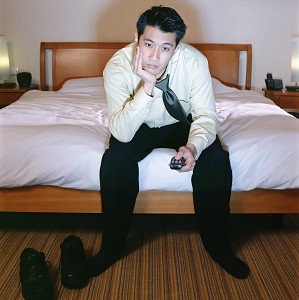
Insomnia is difficulty falling asleep or staying asleep, or a combination of both. Insomnia may be its own diagnosis or a symptom of another physical or mental health problem. Insomnia can be separated into two categories:
• Primary insomnia is when a person is having sleep difficulties that are not associated with any other health conditions. The root cause of primary insomnia can vary greatly and include anything from stress to trauma to family challenges.
• Secondary insomnia occurs when a person is having sleep difficulties as a result of another health condition, medicine, or substance.
The length of time and how often a person experiences insomnia can vary greatly. Insomnia can be classified as:
- Transient insomnia is insomnia that comes on suddenly and lasts for a week or less. People do not typically seek treatment for transient insomnia, but may have several episodes.
- Acute insomnia (short-term insomnia) is the inability to sleep well for a month or less, and is commonly caused by stress or lifestyle factors.
- Chronic insomnia (long-term insomnia) is ongoing insomnia that may get better for brief periods only to return.
What are the Symptoms of Insomnia?
The primary symptom of insomnia is difficulty sleeping, and may include symptoms such as:
- Difficulty falling asleep
- Difficulty staying asleep
- Disturbed sleep patterns such as the lack of REM sleep
- Difficulty concentrating during the day
- Extreme fatigue
Primary insomnia has also been known to cause heightened physiological, cognitive, or emotional arousal in combination with negative conditioning for sleep. If insomnia is causing distress because the person experiencing it cannot sleep, it can lead to a vicious cycle where the more a person tries to sleep, the more he or she will have difficulty trying to sleep.
What Causes Insomnia?
Insomnia can be caused by lifestyle factors such as stress, inappropriate sleeping conditions, relationship problems, diet, excessive caffeine intake, and substance abuse. Some prescription medications can also contribute to the development of insomnia. Health problems such as frequent urination, difficulty breathing, infection, endocrine system disorders, and Alzheimer’s disease can also cause or worsen insomnia. Insomnia is a symptom of several mental health conditions including depression, anxiety, and posttraumatic stress. For some people, insomnia is the symptom of an underlying illness that finally causes them to seek medical help.
Is There Treatment for Insomnia?
The treatment of insomnia varies greatly and depends primarily on its cause. Clinicians may suggest therapy or prescribe antidepressants or anti-anxiety medications for mental health conditions for which insomnia is a symptom. Insomnia caused by medical illness is typically treated secondarily to the underlying illness. Clinicians may also recommend lifestyle changes. When no cause of the insomnia can be found, clinicians may recommend a sleep study to determine if disordered sleep patterns might be contributing to symptoms. People in treatment for insomnia may be prescribed sleeping medication when no other cause of insomnia can be found.
Common treatments for insomnia include:
- Cognitive behavioral therapy (CBT): CBT is the front-line approach recommended by the American Association of Sleep Medicine. Some researchers suggest a combination of medication and CBT may be the best treatment for chronic insomnia.
- Relaxation training: Guided training to relax your mind and body can be effective for treating insomnia. This method works by reducing physical tension and inhibiting thoughts and/or arousal that prevent healthy sleep cycles.
- Stimulus control: As part of CBT, or as a singular focus, learning to control stimuli (e.g. lighting, using the bed only for sleep, and developing a normal sleep/wake pattern) that contribute to poor sleep has been shown to effectively treat insomnia.
- Sleep restriction therapy: This type of therapy is especially effective for those seeking to increase the amount of “good sleep” they get. Sleep restriction therapy limits the amount of time spent in bed to promote sleep efficiency.
- Over-the-counter sleep aids: Most sleep aids contain antihistamine. These may help you sleep better or fall asleep more quickly, but can also contribute to excessive daytime sleepiness. Additionally, use of over-the-counter sleeping pills for chronic insomnia is not recommended. The effectiveness of these sleep aids often dwindles over time, and regular use may lead to severe side effects.
- Prescription sleep medication: Using prescription medications to treat insomnia should always be supervised by a physician.
What if Insomnia is Left Untreated?
Untreated insomnia can lead to a wide range of health and other concerns including:
- Interpersonal, social, and occupational problems
- Increased daytime irritability
- Poor concentration or inattention, which can increase the probability of accidents
- Increasing functional impairment
- Low productivity
- Anxiety
- Depression
- Increased probability of developing heart conditions and severe health problems
Good Sleep Hygiene
“Sleep hygiene” refers to healthy practices that promote quality sleep and full alertness and cognitive functioning while awake. Here are some healthy sleep hygiene practices:
- Stick to a regular sleep schedule. Try to pay attention to your sleep schedule and refrain from letting it vary greatly. This includes maintaining a regular sleep schedule even on weekends. Even if you are retired or do not have a regular work schedule, this is a healthy practice to promote good sleeping habits.
- Limit daytime napping. In general, napping is not a bad thing. It can, however, affect your regular sleeping hours if you do not limit the amount of time you spend napping. In general, limit your snooze to about 30-45 minutes.
- Exercise regularly. Regular exercise can contribute to healthy, deep sleep. However, try to avoid strenuous workouts right before bedtime as this can actually hinder your ability to fall asleep.
- Avoid caffeine and stimulants 4-6 hours before bed. Do not drink alcohol, coffee, tea, or other beverages containing caffeine before bed. Additionally, try not to smoke before bedtime.
- Watch what you eat before bed. Diet can have a wide range of effects on sleep. Avoid large meals, spicy foods, and foods such as chocolate with caffeine in them.
- Use your bed for sleep. Do not use your bed to watch TV, listen to the radio, or read on a bright tablet or computer.
References:
- The American Academy of Sleep Medicine. (2008). Insomnia. Retrieved July 1, 2014, from http://www.aasmnet.org/resources/factsheets/insomnia.pdf
- American Psychological Association. APA Concise Dictionary of Psychology. Washington, DC: American Psychological Association, 2009. Print.
- Diagnostic and Statistical Manual of Mental Disorders: DSM-IV-TR. (4th ed.). (2000). Primary Sleep Disorders. Washington, DC: American Psychiatric Association.
- Mayo Clinic Staff. (2011, January 07). Insomnia. Mayo Clinic. Retrieved from http://www.mayoclinic.com/health/insomnia/DS00187/DSECTION=causes
- Morin, C. M., & Benca, R. (2012). Chronic insomnia. The Lancet, 379(9821), 1129-41. Retrieved from http://search.proquest.com/docview/959436604?accountid=1229
- Schutte-Rodin, S., Broch, L., Buysse, D., Dorsey, C., & Sateia, M. (2008). Clinical guideline for the evaluation and management of chronic insomnia in adults. Journal of Clinical Sleep Medicine, 4(5), 487-502. Retrieved from http://www.aasmnet.org/Resources/clinicalguidelines/040515.pdf
Last Updated: 11-30-2017

- 8 comments
- Leave a Comment
-
Johnnie N
May 30th, 2017 at 9:31 AMI’m having problems going to sleep and staying asleep even after I have taken a sleeping pill.
-
Daniele M.
April 20th, 2018 at 3:52 AMThe problem is, when I go to sleep earlier I don’t get that full eight or nine hours; I usually wake up at 5 or 6 AM so I’m still getting the same amount of sleep I would if I was closing my eyes at 1 or 2 AM.I am aware that sleeping regimens need time to kick in with the cycle, but it’s been months now and I have no reprieve. Should I see a doctor? Take medication? Should i try taking medicinal cannabis??
Sucks, man. By like 3 or 4 PM I start dozing off again, and I come home and I just want to take a nap. Lack of energy, which impacts my gym regimen and general welfare. I don’t want to do chores, or work, or even play video games in my down time because staring at the screen tires me out. -
Sharon W.
February 22nd, 2019 at 8:49 PMYou got me when you said that you must be suffering from insomnia if you’re having difficulties falling asleep and if you’re experiencing extreme fatigue. My sister has been suffering from sleepless nights since her husband died to disease. She said that she can’t work properly during the day due to lack of sleep. Since the quality of her life is being affected, I’ll ask her to see a professional.
-
Michael
June 30th, 2019 at 11:43 AMSleep issues. I rarely sleep through the night. My sleep is restless. A good night’s sleep is 5 hours. Don’t feel refreshed. Drugs not helpful. I don’t drink, smoke, or take drugs other than prescribed ones. My caffeine intake is low. I need personal guidance and not the usual stuff you get on PBS or in articles. I suspect my real issues are unclear to me.
-
The GoodTherapy Team
June 30th, 2019 at 6:15 PMHi Michael,
Thanks for your comment. If you would like to consult with a mental health professional, please feel free to return to our homepage, http://www.goodtherapy.org/, and enter your postal/zip code into the search field to find therapists in your area. If you’re looking for a counselor that practices a specific type of therapy, or who deals with specific concerns, you can make an advanced search by clicking here: http://www.goodtherapy.org/advanced-search.html
Once you enter your information, you’ll be directed to a list of therapists and counselors who meet your criteria. From this list, you can click to view our members’ full profiles and contact the therapists themselves for more information.
The GoodTherapy Blog can also be a valuable resource for finding some of the information you are looking for. Please feel free to browse our thousands of mental health and therapy-related articles.
If you are experiencing a life-threatening emergency, in danger of hurting yourself or others, feeling suicidal, overwhelmed, or in crisis, it’s very important that you get immediate help! Information about what to do in a crisis is available here: http://www.goodtherapy.org/in-crisis.html
Please contact us if you have any questions.
-
Kathleen
September 29th, 2021 at 12:16 AMThank You for Sharing this informative article! It is Very Useful To Everyone. Stay Healthy and Keep Safe!
-
How to Cope with Anxiety If You Can’t Go to Therapy – Wellness for Life
July 20th, 2022 at 11:45 AM[…] from your brain and soothe the anxious parts of yourself. This is also helpful if you experience insomnia that may stem from […]
-
How to Cope with Anxiety If You Can’t Go to Therapy – AilMental
July 21st, 2022 at 2:14 PM[…] from your brain and soothe the anxious parts of yourself. This is also helpful if you experience insomnia that may stem from […]


Leave a Comment
By commenting you acknowledge acceptance of GoodTherapy.org's Terms and Conditions of Use.